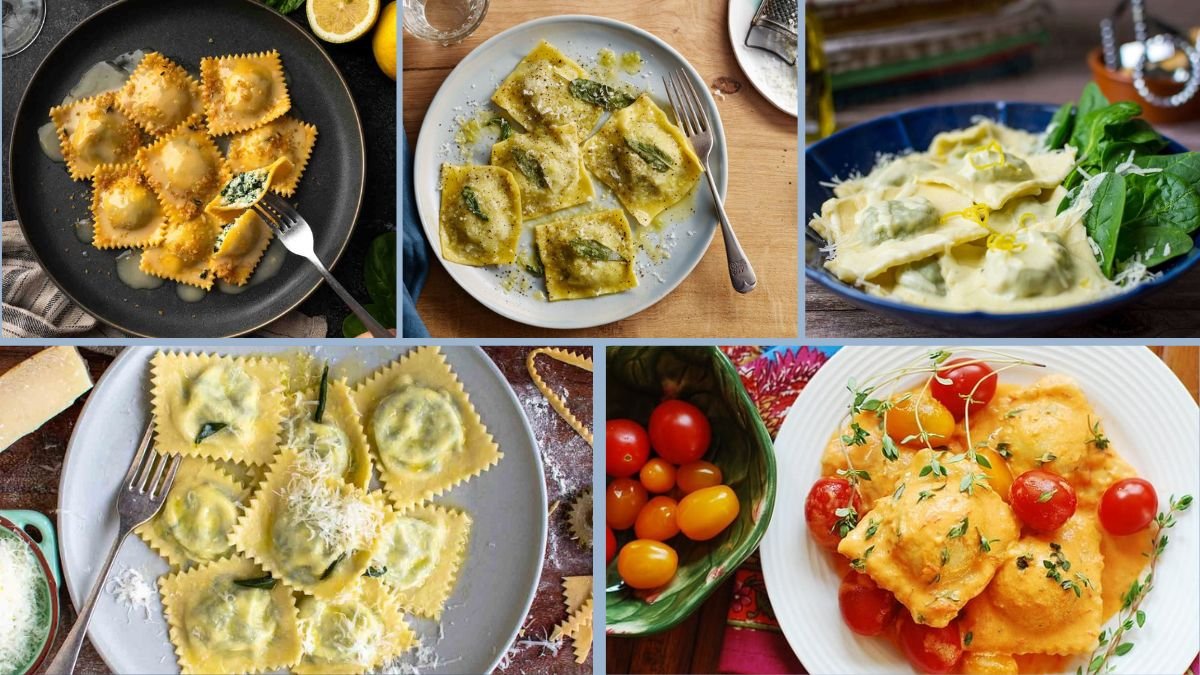
Ravioli, the iconic Italian stuffed pasta, offers a delightful combination of delicate dough and flavorful fillings. While traditional recipes may include cheese or meat, fresh vegetarian ravioli filled with spinach provides a nutritious, light, and delicious alternative. Homemade ravioli allows for control over ingredients, texture, and flavor, creating a meal that is fresh, aromatic, and satisfying.
Perfecting ravioli requires attention to dough preparation, filling consistency, shaping technique, and cooking methods. Here are eight essential steps to create fresh, plant-based ravioli stuffed with spinach.
Step 1: Prepare a Light, Elastic Pasta Dough

The foundation of ravioli is the pasta dough, which should be tender but strong enough to hold the filling.
- Ingredients: Combine all-purpose flour or “00” flour with water, a pinch of salt, and optionally, a small amount of olive oil.
- Kneading: Knead until the dough is smooth, elastic, and slightly tacky but not sticky.
- Resting: Wrap the dough in plastic wrap or cover with a damp cloth and rest for 30–60 minutes.
Pro Tip: Resting allows gluten to relax, making the dough easier to roll and preventing shrinkage during cooking.
Culinary Insight: Well-rested dough is more pliable and produces tender pasta that is easy to shape without tearing.
Step 2: Prepare the Spinach Filling
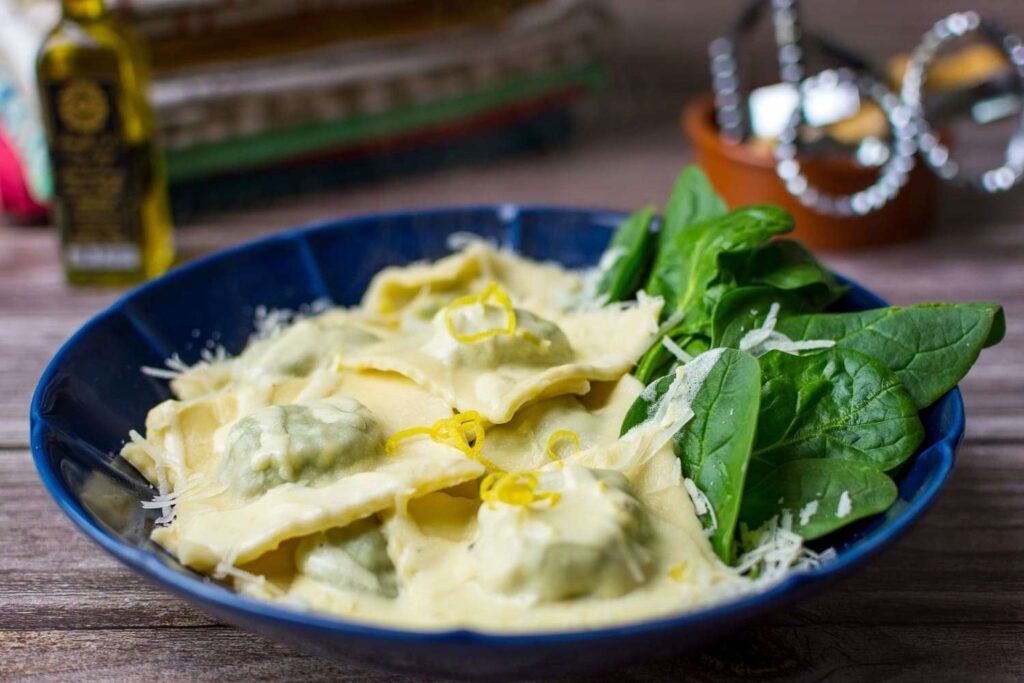
The filling defines the flavor and texture of the ravioli.
- Spinach: Use fresh or frozen spinach, blanched briefly to remove excess water. Squeeze out all liquid to prevent soggy ravioli.
- Seasoning: Enhance flavor with sautéed garlic, nutmeg, salt, and pepper.
- Optional Additions: Mix in plant-based ricotta or cashew cream for extra creaminess.
Pro Tip: Chop spinach finely to ensure an even, smooth filling that stays inside the pasta.
Science Insight: Removing excess water from spinach prevents the dough from becoming too wet and sticking during shaping and cooking.
Step 3: Roll the Dough Thinly
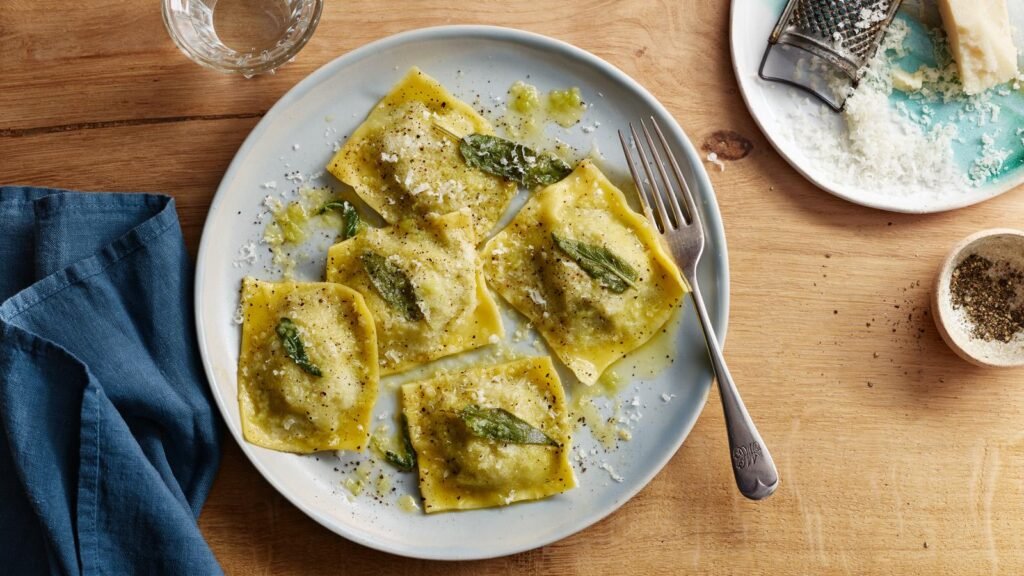
Thin pasta dough is essential for light, delicate ravioli.
- Rolling: Use a pasta machine or rolling pin to roll the dough into sheets approximately 1–2 mm thick.
- Evenness: Ensure sheets are uniform in thickness to prevent uneven cooking or tearing.
Pro Tip: Dust sheets lightly with flour to prevent sticking, but avoid excess, which can dry the pasta.
Culinary Insight: Thin, even dough ensures a tender bite and allows the filling’s flavor to shine without being overwhelmed by pasta.
Step 4: Portion and Place Filling
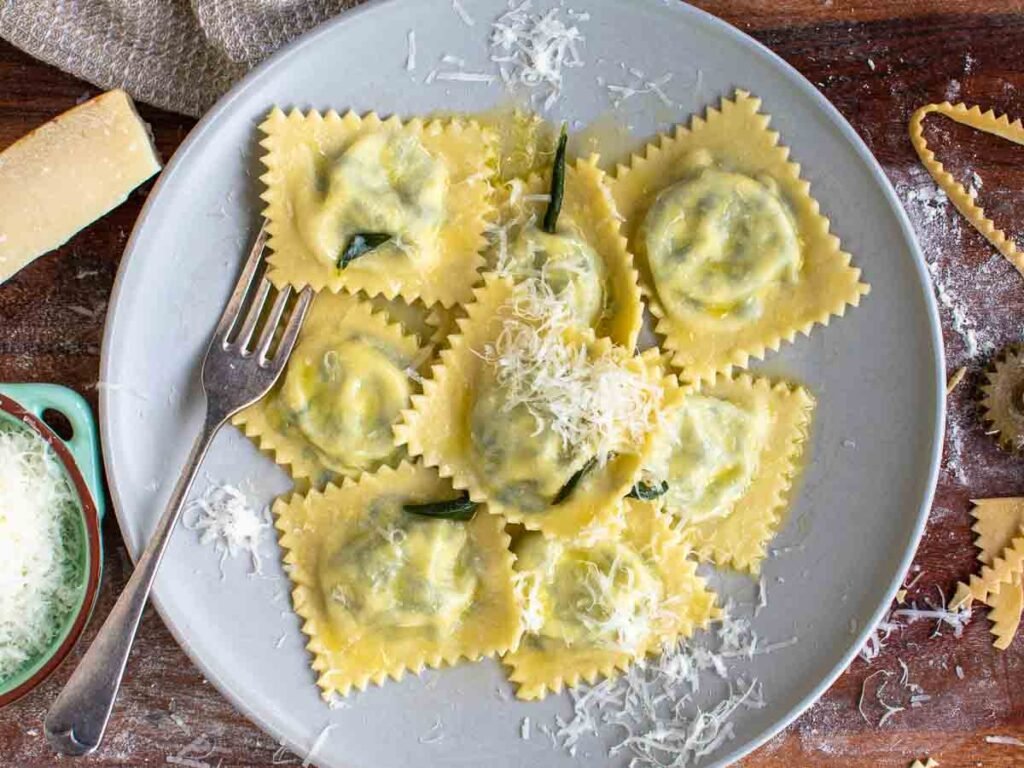
Proper filling distribution ensures ravioli cook evenly and hold together.
- Portioning: Use a teaspoon or small cookie scoop to place filling at intervals along the pasta sheet.
- Spacing: Leave enough space between portions to seal the edges.
Pro Tip: Avoid overfilling, which can cause the pasta to burst during cooking.
Culinary Insight: Correct portioning ensures balance between pasta and filling, resulting in a harmonious bite.
Step 5: Seal and Shape Ravioli
Sealing is critical for preventing leaks and achieving a uniform appearance.
- Top Layer: Cover the filling with another sheet of pasta.
- Sealing: Press gently around the filling to remove air pockets. Use a fork or pasta wheel to crimp edges.
- Shape: Cut into squares or circles, maintaining uniform size for even cooking.
Pro Tip: Lightly brush edges with water before pressing to improve adhesion.
Science Insight: Proper sealing prevents water from entering during boiling, keeping the filling intact and maintaining a smooth, elegant shape.
Step 6: Cook Ravioli Carefully
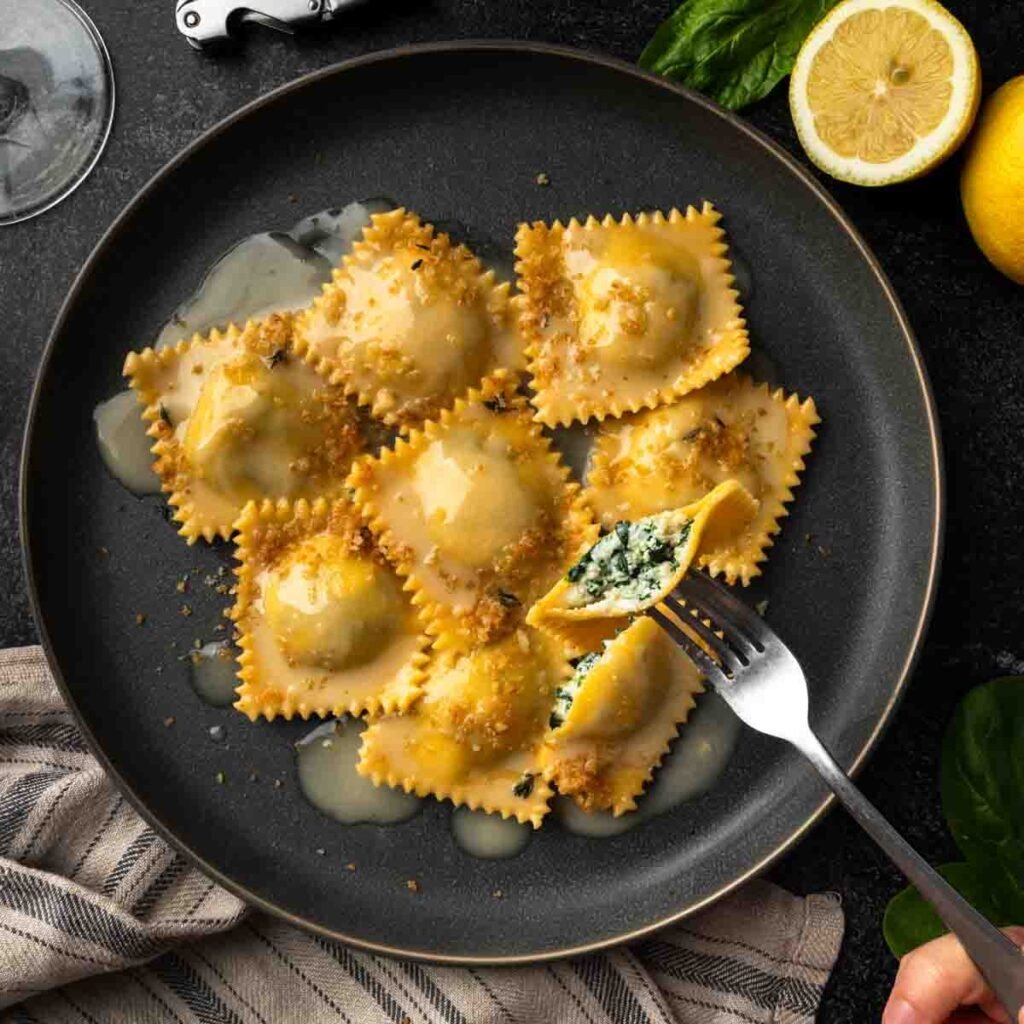
Cooking technique preserves texture and flavor.
- Boiling Water: Use a large pot of salted water, brought to a gentle boil.
- Cooking Time: Fresh ravioli cook quickly, typically 3–5 minutes, until they float to the surface.
- Handling: Use a slotted spoon to remove ravioli carefully to avoid tearing.
Pro Tip: Stir gently during the first minute to prevent sticking. Do not overcook; fresh pasta is delicate.
Science Insight: High heat gelatinizes the starch in pasta, creating a tender yet firm exterior that encases the filling perfectly.
Step 7: Pair with a Complementary Sauce
Sauce enhances flavor without overpowering delicate ravioli.
- Olive Oil and Herbs: Light drizzle of extra-virgin olive oil with fresh basil or parsley.
- Tomato Sauce: Fresh tomato sauce or marinara complements spinach beautifully.
- Creamy Options: Cashew cream, vegan butter, or a light garlic sauce for richness.
Pro Tip: Toss cooked ravioli gently in the sauce to coat evenly without breaking them.
Culinary Insight: A complementary sauce highlights the filling and elevates the dish, balancing flavors and textures.
Step 8: Garnish and Serve
Presentation and final touches elevate the dish.
- Fresh Herbs: Sprinkle chopped basil, parsley, or chives for color and aroma.
- Optional Toppings: Toasted pine nuts, vegan Parmesan, or a drizzle of olive oil adds texture and richness.
- Serving: Serve immediately while warm to maintain tender texture and maximize flavor.
Pro Tip: Use shallow serving plates to showcase individual ravioli and sauce presentation.
Serving Insight: Garnishes and thoughtful plating enhance the sensory experience, making homemade ravioli visually appealing and flavorful.
Bonus Tips for Perfect Vegetarian Ravioli
- Use Fresh Ingredients: Fresh spinach, herbs, and high-quality flour improve both flavor and texture.
- Freeze for Later: Freeze unboiled ravioli on a tray, then transfer to a bag. Cook directly from frozen when needed.
- Experiment with Fillings: Add roasted pumpkin, mushrooms, or vegan cheese for variety.
- Avoid Overworking Dough: Over-kneaded dough becomes tough; handle gently.
- Taste Test Sauce First: Ensure sauce complements the filling; spinach pairs well with light and creamy sauces.
Common Mistakes to Avoid
- Excess Moisture: Wet filling can cause ravioli to burst. Squeeze spinach thoroughly.
- Uneven Dough: Thick pasta will overshadow filling; thin dough cooks evenly and is delicate.
- Overcooking: Fresh pasta cooks quickly; overcooked ravioli becomes mushy.
- Poor Sealing: Leaky ravioli lose filling and reduce presentation quality.
Conclusion
Making fresh spinach ravioli at home is both a culinary art and a rewarding experience. By following these eight steps—preparing elastic dough, creating flavorful filling, rolling dough thinly, portioning properly, sealing ravioli carefully, cooking gently, pairing with complementary sauces, and garnishing thoughtfully—you can craft delicate, flavorful, and visually stunning vegetarian ravioli.
This dish demonstrates the elegance of Italian cuisine, proving that plant-based ingredients can produce satisfying, rich, and aromatic meals. Spinach-filled ravioli combines light pasta with nutrient-rich filling, making it a nutritious yet indulgent option.
Whether for a family dinner, a special occasion, or a creative culinary project, mastering spinach ravioli allows you to enjoy fresh, homemade pasta that showcases technique, balance, and flavor. With attention to detail, patience, and high-quality ingredients, vegetarian ravioli becomes a meal that delights both the palate and the senses.