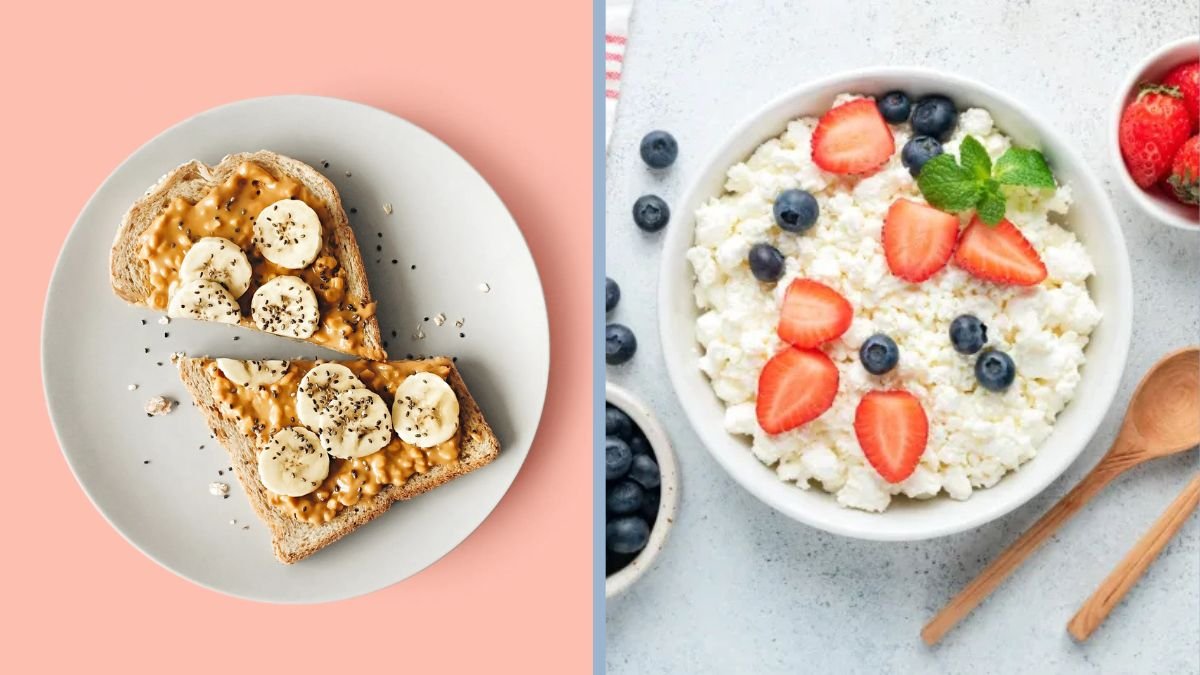
Protein is an essential macronutrient that supports muscle repair, immune function, and overall metabolic health. For individuals following vegetarian or plant-based diets, ensuring adequate protein intake can be challenging, especially between meals. Stocking protein-rich snacks in the kitchen provides a convenient, nutrient-dense solution to maintain energy levels, support satiety, and promote overall health.
This article explores five protein-packed snacks that every kitchen should include. Each snack is plant-based, nutrient-dense, easy to prepare or store, and versatile for various dietary preferences. The discussion also highlights the nutritional benefits, preparation methods, flavor variations, and practical tips for incorporating these snacks into a healthy eating routine.
1. Roasted Chickpeas
Ingredients:
- 1 can (15 oz) chickpeas, drained and rinsed
- 1–2 teaspoons olive oil
- ½ teaspoon salt
- Optional spices: paprika, cumin, garlic powder, chili powder
Preparation:
Pat chickpeas dry to remove excess moisture. Toss with olive oil, salt, and preferred spices. Spread on a baking sheet and roast at 400°F (200°C) for 25–30 minutes, shaking halfway, until crispy. Allow to cool before storing in an airtight container.
Nutritional Benefits:
Chickpeas are an excellent source of plant-based protein, providing around 15 grams per cup. They are also rich in fiber, iron, folate, and complex carbohydrates, supporting digestive health and sustained energy levels.
Flavor Profile:
Crunchy and savory, with a customizable spice profile ranging from mildly seasoned to boldly spiced.
Tips:
- Experiment with sweet variations using cinnamon and maple syrup.
- Store roasted chickpeas at room temperature for up to one week for quick, protein-rich snacking.
2. Nut and Seed Mixes
Ingredients:
- Almonds, cashews, walnuts, pumpkin seeds, sunflower seeds
- Optional additions: dried fruits, cocoa nibs, coconut flakes
Preparation:
Combine desired nuts and seeds in a bowl. Optionally toast lightly in a dry skillet or oven to enhance flavor. Store in an airtight container.
Nutritional Benefits:
Nuts and seeds provide protein, healthy fats, fiber, and micronutrients such as magnesium, zinc, and vitamin E. A quarter-cup serving can provide 6–8 grams of protein, supporting satiety and energy levels between meals.
Flavor Profile:
Nutty, crunchy, and slightly sweet or savory, depending on added ingredients.
Tips:
- Keep small snack bags ready for grab-and-go convenience.
- Toasting enhances aroma but may reduce shelf life; store in a cool, dry place.
3. Greek Yogurt or Plant-Based Yogurt with Toppings
Ingredients:
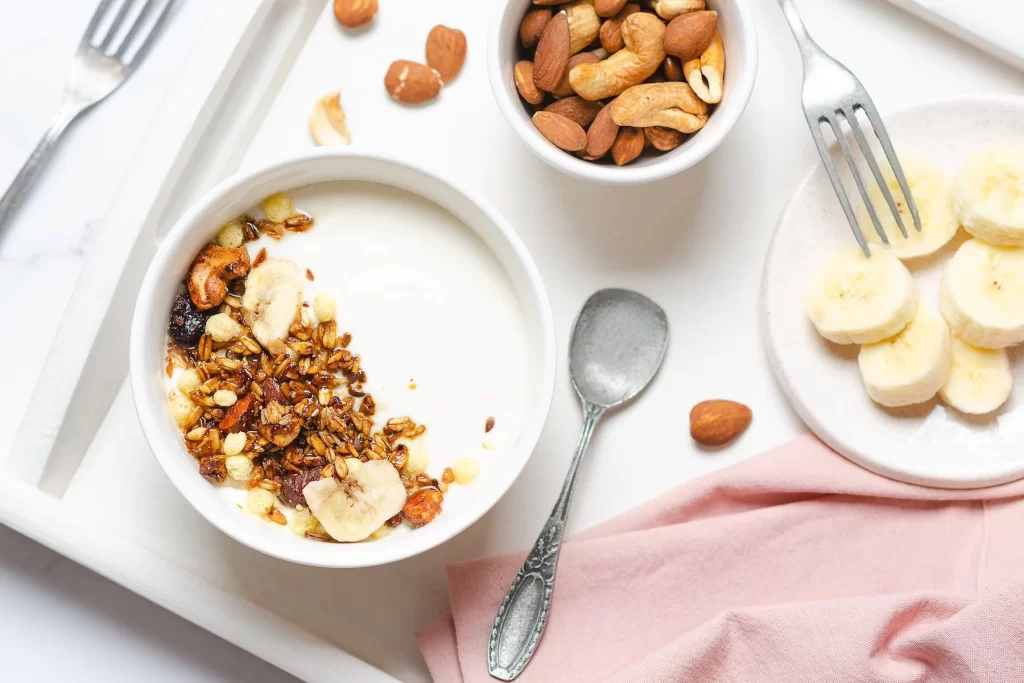
- Unsweetened Greek yogurt or high-protein plant-based yogurt (soy, almond, or coconut)
- Toppings: chia seeds, hemp seeds, granola, berries, or nuts
Preparation:
Spoon yogurt into a bowl and add protein-rich toppings such as seeds and nuts. Optionally drizzle with honey or maple syrup for sweetness.
Nutritional Benefits:
Greek yogurt provides approximately 10–12 grams of protein per 100 grams, along with calcium and probiotics. Plant-based high-protein yogurts offer similar protein levels and promote gut health. Seeds and nuts increase protein, omega-3 fatty acids, and antioxidants.
Flavor Profile:
Creamy, slightly tangy, and customizable with sweet, tart, or nutty toppings.
Tips:
- Prepare overnight yogurt parfaits for convenient, ready-to-eat snacks.
- Use seasonal fruits for freshness and additional vitamins.
4. Energy Balls or Protein Bites
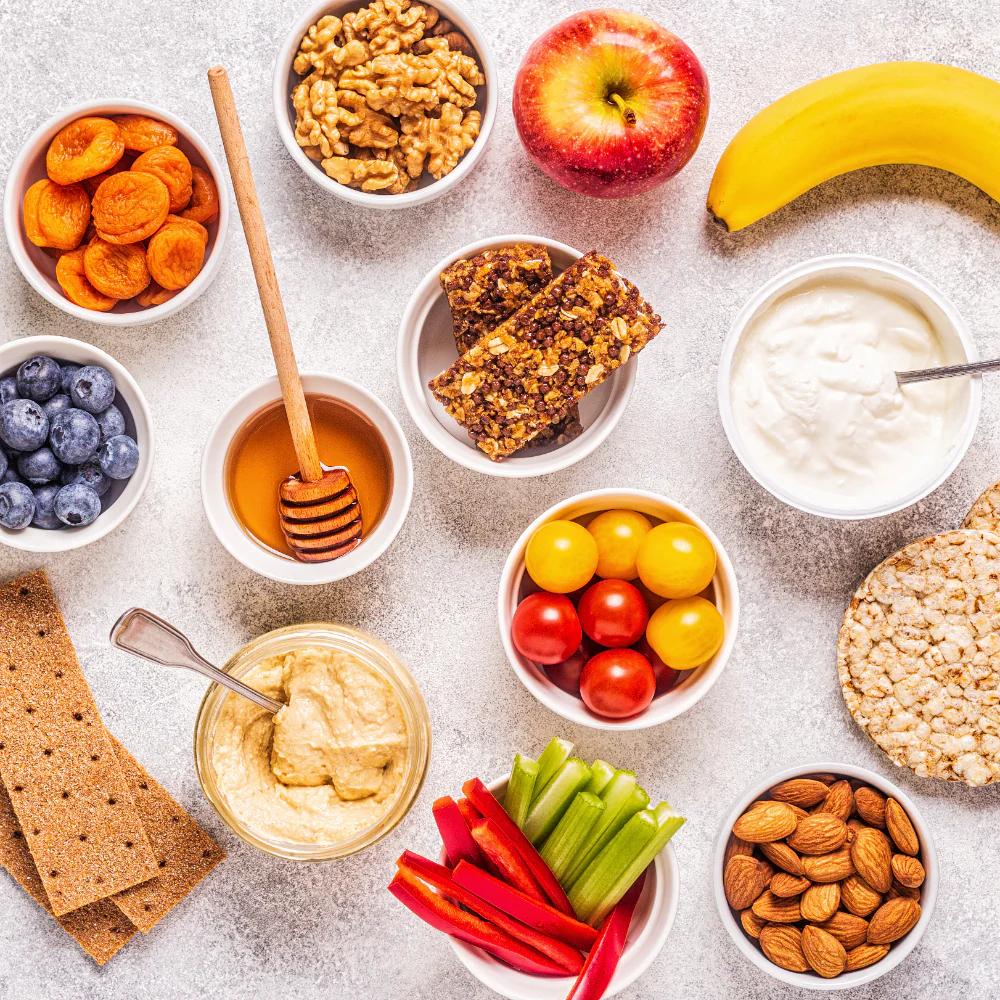
Ingredients:
- Rolled oats
- Nut or seed butter (almond, peanut, cashew)
- Protein powder (plant-based: pea, rice, or hemp)
- Optional mix-ins: cacao nibs, dried fruit, chia seeds, flaxseeds, shredded coconut
Preparation:
Combine all ingredients in a bowl and mix until sticky. Roll into bite-sized balls and refrigerate for at least 30 minutes to firm. Store in an airtight container in the refrigerator.
Nutritional Benefits:
Energy balls combine plant-based protein, healthy fats, and complex carbohydrates, making them ideal for sustained energy. A single serving can provide 5–10 grams of protein, depending on the ingredients.
Flavor Profile:
Chewy, slightly sweet, and nutty, with endless customization for different flavor combinations.
Tips:
- Make a batch weekly for easy, portable snacks.
- Adjust sweetness with natural sweeteners like maple syrup or dates.
5. Edamame Beans
Ingredients:
- Frozen shelled or unshelled edamame
- Sea salt or other seasoning (garlic powder, chili flakes, smoked paprika)
Preparation:
Boil or steam edamame for 3–5 minutes until tender. Drain, season, and serve warm or cold.
Nutritional Benefits:
Edamame is a complete plant-based protein, providing approximately 18 grams of protein per cup. It is also high in fiber, iron, calcium, and antioxidants, supporting cardiovascular and bone health.
Flavor Profile:
Mild, nutty, and slightly sweet with a tender yet firm texture. Seasoning adds a savory kick.
Tips:
- Keep frozen edamame on hand for quick, protein-rich snacks.
- Add to salads or bowls for additional protein and texture.
Practical Tips for Stocking a Protein-Rich Kitchen
- Diverse Protein Sources: Include legumes, nuts, seeds, dairy or dairy alternatives, and whole grains to cover a spectrum of amino acids.
- Portion Control: Pre-portion snacks into small containers or bags for convenience and calorie management.
- Storage: Keep dry ingredients like nuts, seeds, and roasted chickpeas in airtight containers to maintain freshness. Refrigerate perishable items like yogurt and energy balls.
- Flavor Variety: Rotate spices, seeds, and toppings to prevent flavor fatigue and maintain interest in healthy snacking.
- Accessibility: Place protein snacks in visible, easy-to-reach areas to encourage consistent consumption throughout the day.
Health Benefits and Functional Properties
Protein-packed snacks support several key aspects of health:
- Muscle Maintenance: Essential for repair and growth, particularly for active individuals or those engaging in strength training.
- Satiety and Weight Management: High-protein snacks reduce hunger and promote longer periods of fullness.
- Blood Sugar Regulation: Combining protein with fiber slows digestion and prevents rapid blood sugar spikes.
- Bone Health: Dairy, fortified plant-based products, and seeds contribute calcium, magnesium, and other minerals.
- Heart Health: Nuts and seeds provide unsaturated fats and antioxidants that support cardiovascular function.
These benefits highlight the importance of incorporating protein-rich snacks into daily dietary patterns.
Environmental and Dietary Considerations
Plant-based protein snacks offer advantages for both health and sustainability:
- Reduced Animal Product Dependence: Minimizes environmental impact while supporting vegetarian and vegan diets.
- Seasonal and Local Ingredients: Using locally sourced nuts, seeds, and produce reduces transportation emissions.
- Minimal Processing: Whole ingredients preserve nutrients and reduce food additives.
- Energy Efficiency: Quick, ready-to-eat snacks conserve cooking energy and reduce food waste.
By focusing on plant-based protein, kitchens can maintain both nutritional adequacy and environmental responsibility.
Conclusion
Stocking protein-packed snacks in the kitchen ensures convenient, nutrient-dense options that support energy, satiety, and overall health. Roasted chickpeas, nut and seed mixes, yogurt with toppings, energy balls, and edamame beans provide diverse textures, flavors, and nutritional benefits suitable for vegetarian and vegan diets.
Each snack offers a balance of protein, fiber, healthy fats, and micronutrients, supporting cardiovascular, digestive, and metabolic health. Their versatility, portability, and ease of preparation make them ideal for home, work, or travel.
By thoughtfully selecting, preparing, and storing protein-rich snacks, individuals can maintain consistent nutrient intake, enhance well-being, and enjoy satisfying, delicious options throughout the day. A well-stocked, protein-conscious kitchen is an investment in long-term health, convenience, and culinary creativity.