Cooking with fresh herbs is an age-old practice that enhances flavor, improves nutrition, and transforms simple meals into extraordinary dishes. Herbs not only add vibrancy and aroma, but they also offer significant health benefits, including antioxidant properties, digestive support, and essential nutrients. Unlike dried herbs, fresh herbs provide a burst of natural flavor that allows cooks to reduce excess salt, fat, or sugar in recipes while still maintaining delicious taste.
In this article, we will explore how to cook with fresh herbs for healthier dishes, focusing on practical tips, culinary applications, nutritional values, and cultural traditions—all while keeping the discussion vegetarian-friendly.
Why Fresh Herbs Matter
1. Flavor Enhancement
Fresh herbs amplify the taste of dishes without the need for artificial additives or heavy seasonings. For example, basil brings sweetness, cilantro adds freshness, and rosemary offers earthy depth.
2. Health Benefits
Many herbs are rich in antioxidants, vitamins, and phytonutrients. Parsley contains vitamin C and iron, while mint aids digestion. Incorporating herbs into daily meals boosts health without extra calories.
3. Visual Appeal
Green herbs brighten up dishes, making them more appetizing and colorful, which encourages mindful eating.
Essential Fresh Herbs for Vegetarian Cooking
Not all herbs are the same. Some shine in raw preparations, while others withstand heat during cooking. Here are some common herbs and their vegetarian-friendly uses:
- Basil: Perfect in tomato-based dishes, pasta, salads, and pesto.
- Cilantro (Coriander leaves): Best in salsas, chutneys, and curries.
- Parsley: Works well as a garnish or in tabbouleh and soups.
- Mint: Refreshing in drinks, yogurt sauces, and fruit salads.
- Rosemary: Adds depth to roasted vegetables and breads.
- Thyme: Complements soups, stews, and casseroles.
- Oregano: Great in Mediterranean-style pasta, pizza, and bean dishes.
- Dill: Brightens salads, potatoes, and creamy sauces.
- Chives: Mild onion-like flavor, ideal for soups and dips.
Methods of Cooking With Fresh Herbs
1. Using Herbs Raw
Fresh herbs can be used raw to preserve maximum nutrients and flavor. Examples include sprinkling parsley on soups or adding cilantro to fresh salsas.
2. Cooking Gently
Soft herbs such as basil or dill should be added at the end of cooking to maintain flavor and aroma.
3. Long Cooking
Robust herbs like rosemary, thyme, and oregano can withstand long cooking times in soups and stews, slowly infusing flavor.
4. Blending Into Sauces
Herbs like basil and cilantro can be pureed into sauces like pesto or chutneys for concentrated flavor and added nutrition.
Step-by-Step Guide: Cooking With Fresh Herbs
Step 1: Wash and Prepare Herbs
- Rinse under cold water to remove dirt.
- Pat dry with a clean towel or salad spinner.
- Remove tough stems if necessary, and chop or tear leaves.
Step 2: Pair Herbs With Suitable Dishes
- Basil with tomatoes, oregano with beans, mint with fruit, rosemary with roasted vegetables.
- Experiment with different combinations to discover new flavors.
Step 3: Add Herbs at the Right Stage
- Add delicate herbs toward the end of cooking.
- Add sturdy herbs earlier for deeper infusion.
Step 4: Adjust Quantities
- Fresh herbs are milder than dried ones, so use larger amounts. A general rule: 3 tablespoons of fresh herbs = 1 tablespoon of dried herbs.
Creative Ways to Use Fresh Herbs in Vegetarian Dishes
1. Herb-Infused Salads
Add fresh parsley, dill, mint, or basil to leafy greens for extra freshness. Tabbouleh, a Middle Eastern salad made with parsley, bulgur, lemon, and olive oil, is a perfect example.
2. Herb Pestos and Sauces
- Classic basil pesto can be made vegetarian by using Parmesan or vegan cheese alternatives.
- Cilantro or parsley pesto pairs beautifully with pasta, grains, or roasted vegetables.
3. Soups and Stews
Add thyme, rosemary, or oregano to hearty vegetable soups for depth. Garnish with parsley or chives for brightness.
4. Herbal Rice and Grains
Cook rice or quinoa with bay leaves or thyme, then garnish with cilantro or dill. This transforms plain grains into flavorful, nutrient-rich sides.
5. Herbal Smoothies and Drinks
Mint, basil, or parsley can be blended into smoothies for refreshing, detoxifying drinks. Mint tea and basil lemonade are popular herbal beverages.
6. Roasted Vegetables With Herbs
Toss zucchini, carrots, or potatoes with rosemary, thyme, and olive oil before roasting. Fresh herbs enhance both flavor and aroma.
7. Herbal Yogurt and Dips
Blend mint, dill, or parsley into yogurt for cooling sauces that pair well with vegetable kebabs, wraps, or flatbreads.
8. Baking With Herbs
Fresh herbs like rosemary or thyme can be added to breads, savory muffins, or crackers for unique flavors.
Health and Nutritional Benefits of Fresh Herbs
Fresh herbs are not only culinary enhancers but also medicinal treasures:
- Basil: Contains antioxidants and supports cardiovascular health.
- Mint: Relieves indigestion and provides cooling effects.
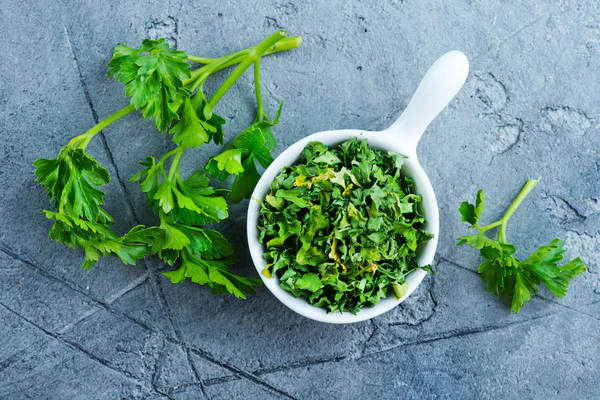
- Parsley: Rich in vitamin C, iron, and folate.
- Cilantro: Detoxifying properties, supports digestion.
- Rosemary: Improves concentration and circulation.
- Thyme: Natural antibacterial and immune-boosting qualities.
- Oregano: Contains powerful antioxidants that may help fight inflammation.
Practical Tips for Using Fresh Herbs
- Storage: Store herbs in the refrigerator, wrapped in a damp towel, or keep stems in a glass of water.
- Freezing: Chop herbs and freeze in ice cube trays with olive oil for quick use in cooking.
- Avoid Waste: Use leftover herbs in homemade herb butters, teas, or infused oils.
- Balance Flavors: Too many herbs can overpower a dish. Always taste and adjust.
Cultural and Historical Significance
Herbs have been integral to global cuisines for centuries:
- Mediterranean Cuisine: Basil, oregano, and rosemary dominate Italian and Greek dishes.
- Indian Cuisine: Cilantro and mint are staples in chutneys and curries.
- Middle Eastern Cuisine: Parsley and mint feature prominently in salads and dips.
- Asian Cuisine: Thai basil and cilantro are essential in stir-fries and soups.
Their cultural significance demonstrates not only flavor diversity but also the shared value of herbs as medicine and nourishment.
Common Mistakes to Avoid
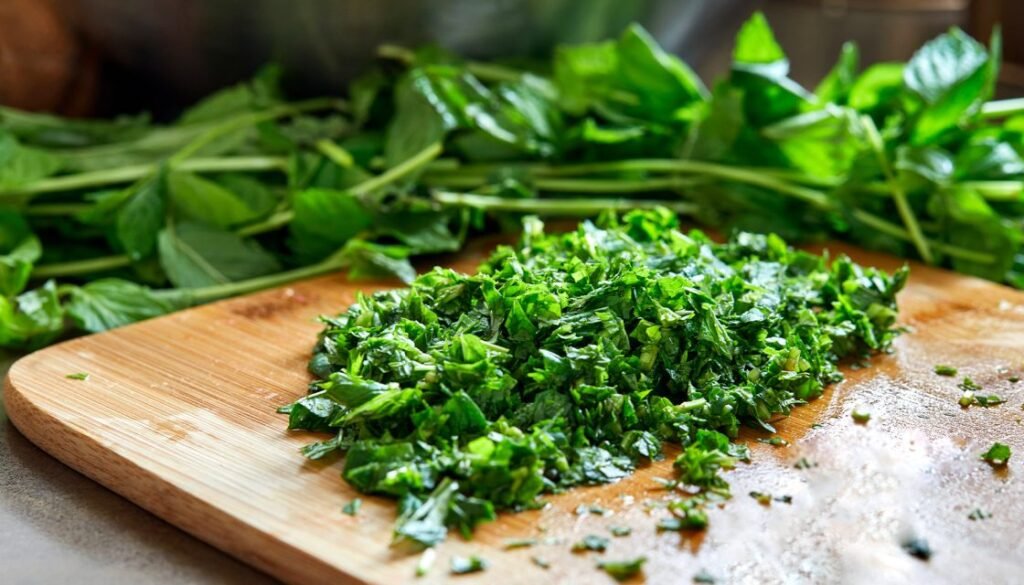
- Overcooking Delicate Herbs: Leads to bitterness or loss of aroma.
- Mixing Too Many Herbs: Creates confusion rather than harmony.
- Improper Storage: Causes wilting and waste.
- Neglecting Seasonality: Using out-of-season herbs may reduce flavor and quality.
Conclusion
Cooking with fresh herbs is one of the simplest yet most effective ways to create healthier dishes. Herbs transform ordinary vegetarian meals into flavorful, vibrant, and nutrient-packed experiences. By learning to pair the right herbs with different dishes, understanding when to add them, and appreciating their nutritional value, anyone can elevate home cooking.
Fresh herbs allow for reduced use of salt, sugar, and fats while still providing satisfying flavors. From salads and soups to smoothies and baked goods, herbs bring both wellness and creativity into everyday meals.
Ultimately, embracing fresh herbs in cooking is not just about taste—it is about cultivating a lifestyle that values health, sustainability, and cultural richness. Every leaf of basil, sprig of thyme, or bunch of parsley is a reminder that nature provides us with tools to eat better, live healthier, and enjoy food more fully.