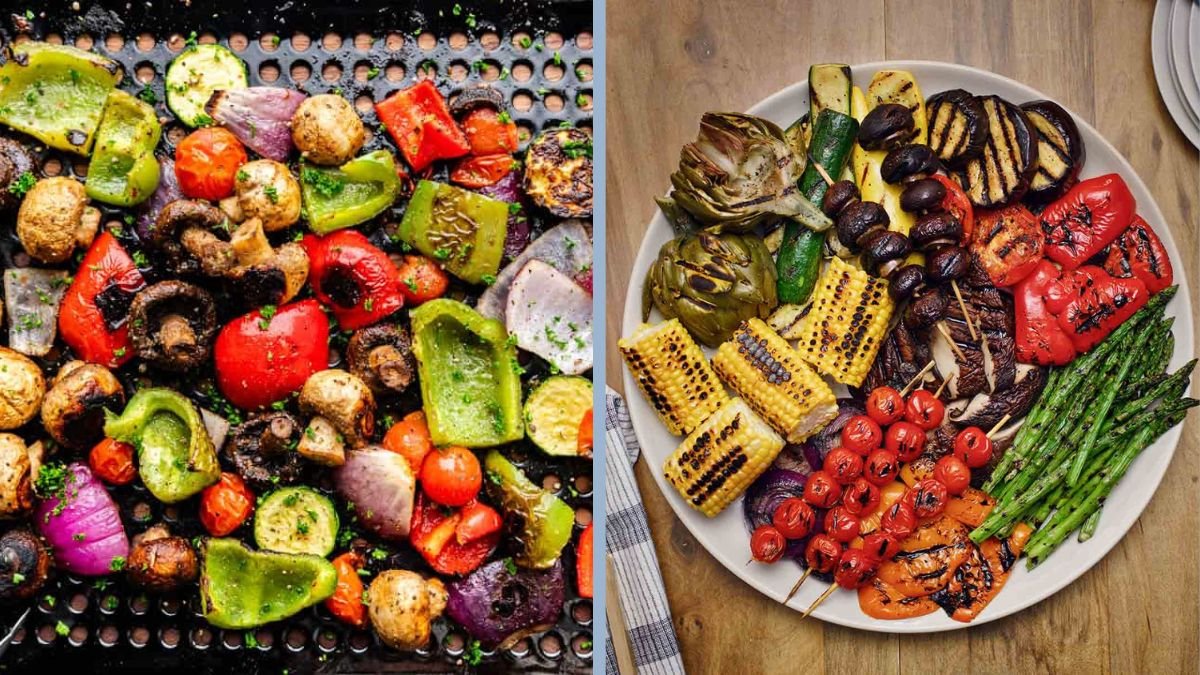
Grilling is often associated with smoky barbecues and sizzling meats, but vegetables, when cooked on the grill, can be just as exciting. The process of grilling brings out a unique depth of flavor—sweetness from caramelization, smokiness from char, and brightness from herbs and marinades. Grilled vegetables are not only delicious, but they are also healthy, versatile, and sustainable, making them a perfect centerpiece for vegetarian-friendly meals.
This article explores how to grill vegetables for the perfect charred flavor, covering ingredient selection, preparation techniques, grilling methods, flavor pairings, nutritional benefits, and common mistakes to avoid.
Why Grill Vegetables?
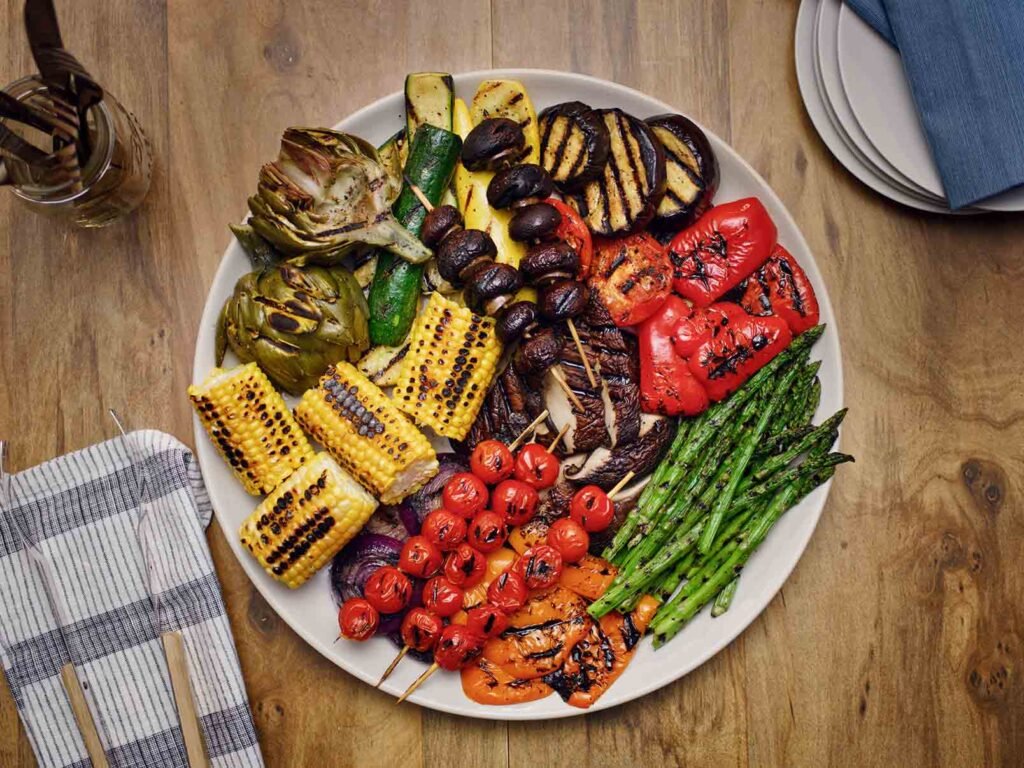
- Flavor Transformation: Grilling intensifies natural sugars, making vegetables taste sweeter while adding a smoky undertone.
- Nutritional Retention: Quick grilling helps retain vitamins and minerals compared to overcooking or boiling.
- Versatility: Grilled vegetables can be enjoyed as main dishes, side plates, in wraps, or even blended into dips.
- Seasonal Celebration: Grilling highlights the freshness of garden produce, making the most of summer harvests.
Best Vegetables for Grilling
Not all vegetables grill the same way. Some benefit from direct high heat, while others need slower cooking. Here are top choices:
- Bell Peppers: Sweet, colorful, and quick to grill.
- Zucchini and Eggplant: Firm yet tender, absorb marinades beautifully.
- Corn on the Cob: Smoky, juicy, and perfect with herbs or butter substitutes.
- Mushrooms: Portobello and cremini hold up well and develop a meaty texture.
- Asparagus: Quick to cook, tender-crisp with a smoky bite.
- Onions: Caramelize deeply, adding sweetness.
- Tomatoes (on the vine or cherry skewers): Juicy and smoky, though delicate.
- Carrots and Beets: Dense vegetables that take longer but become naturally sweet.
Preparing Vegetables for the Grill
1. Wash and Dry
Rinse vegetables thoroughly and pat them dry. Excess moisture can steam vegetables instead of charring them.
2. Cut Evenly
Uniform slices ensure even cooking. For example, cut zucchini into thick rounds, slice peppers into wide strips, or halve mushrooms.
3. Oil Lightly
Brush vegetables with olive oil or avocado oil to prevent sticking and to encourage caramelization. Avoid over-oiling, as it can cause flare-ups.
4. Season Simply
A sprinkle of salt, pepper, and herbs can enhance flavor. More complex marinades can be added depending on the dish.
Marinades and Seasonings
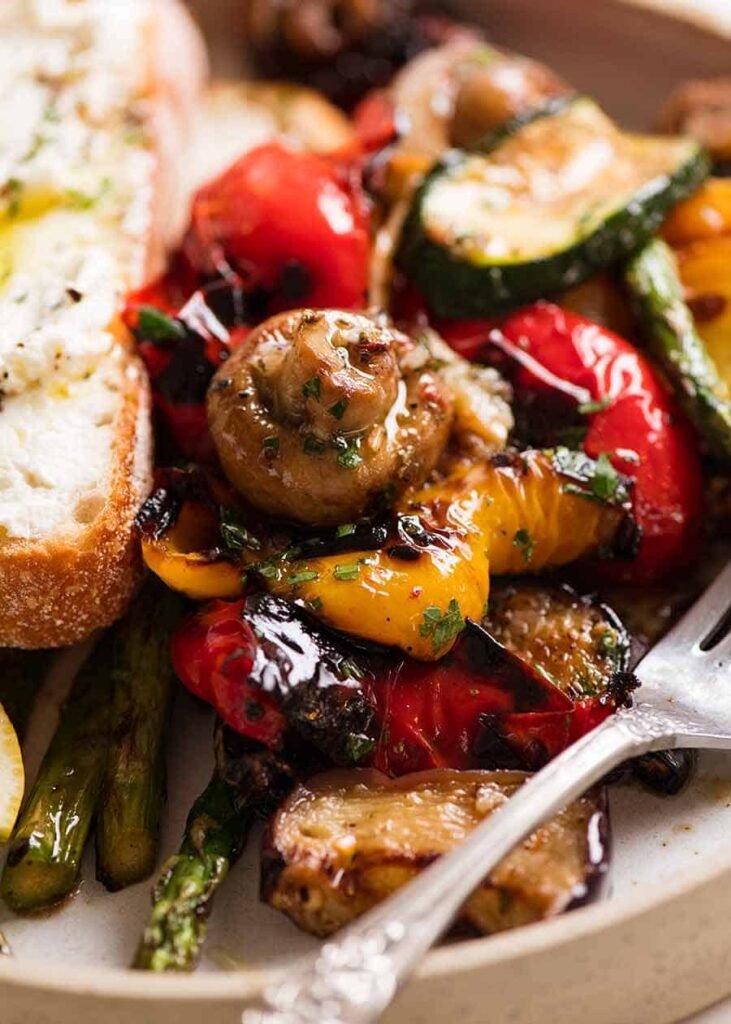
Marinating vegetables before grilling infuses them with flavor. Popular vegetarian marinades include:
- Mediterranean Marinade: Olive oil, lemon juice, garlic, oregano, thyme.
- Asian-Inspired Marinade: Soy sauce, sesame oil, ginger, garlic.
- Herb Marinade: Basil, parsley, cilantro blended with olive oil and lime.
- Spicy Marinade: Chili flakes, paprika, cumin, olive oil.
Tip: Marinate for at least 30 minutes for maximum flavor absorption, but avoid overly long times for delicate vegetables like zucchini, which can soften too much.
Grilling Techniques for Vegetables
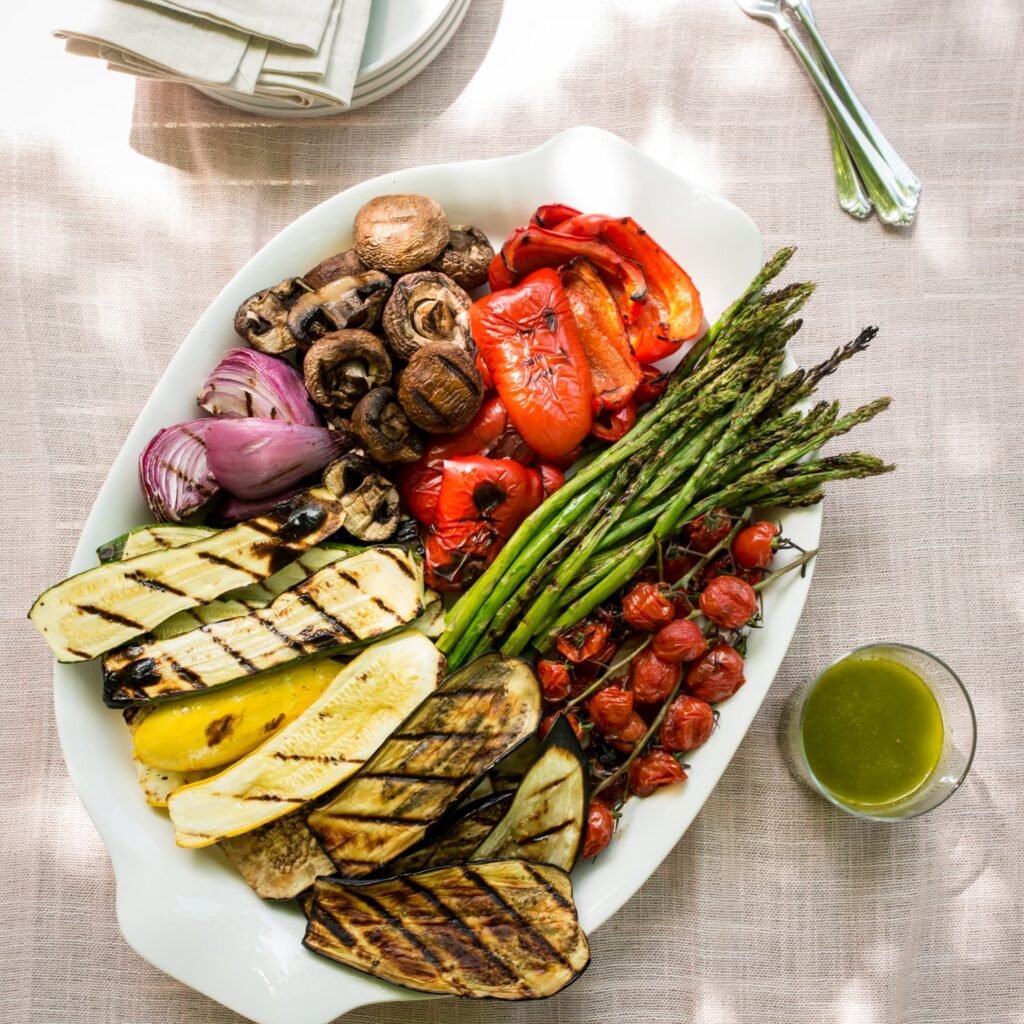
1. Direct Heat (High Temperature)
Best for quick-cooking vegetables like zucchini, asparagus, and peppers. Creates a crisp char on the outside while keeping interiors tender.
2. Indirect Heat (Medium Temperature)
Ideal for denser vegetables such as potatoes, beets, or carrots that require more time to cook through without burning.
3. Skewering
Cherry tomatoes, mushrooms, and small zucchini slices can be threaded onto skewers for easy handling.
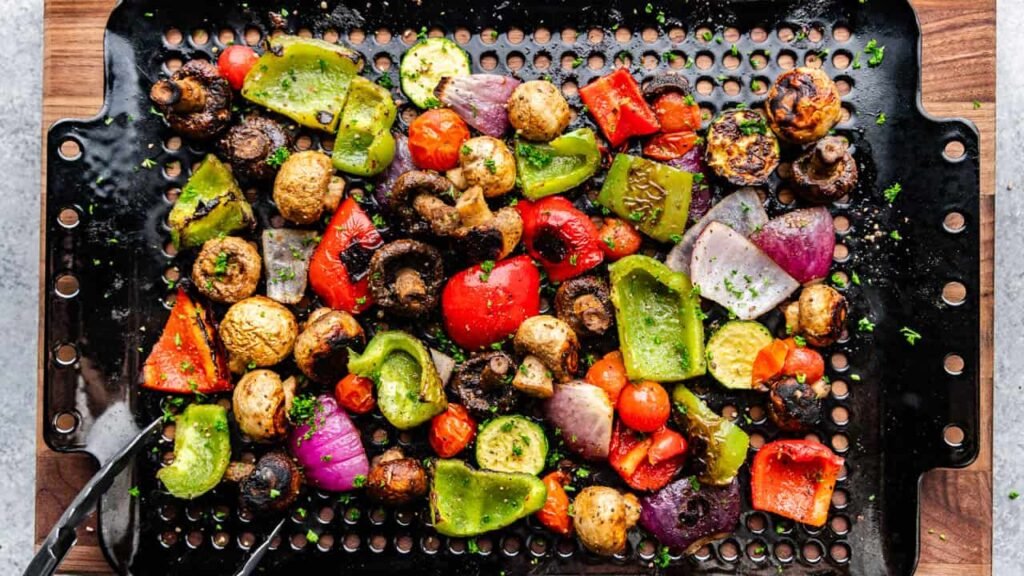
4. Using Grill Baskets or Foil
Perfect for small or delicate vegetables that might fall through the grill grates. Foil packets with herbs, garlic, and olive oil can create steamed-yet-smoky flavors.
Step-by-Step: How to Grill Vegetables
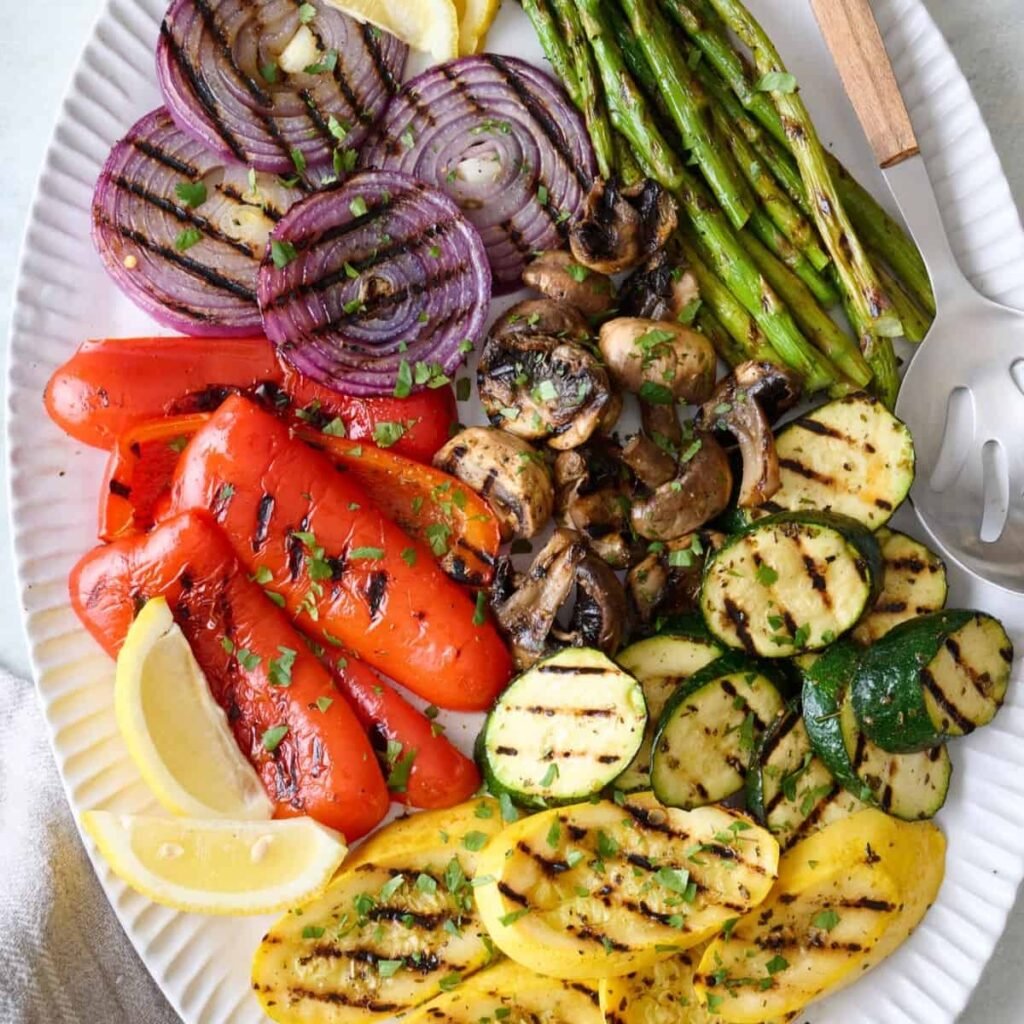
- Preheat Grill: Heat the grill until hot—around 375–450°F (190–230°C).
- Prepare Vegetables: Wash, dry, cut evenly, and lightly coat with oil and seasonings.
- Arrange on Grill: Place sturdier vegetables directly on the grates, while smaller or delicate ones go in baskets or skewers.
- Cook and Turn: Grill for 3–5 minutes per side for quick-cooking vegetables, or 10–15 minutes for denser varieties. Turn halfway for even charring.
- Check for Doneness: Vegetables should be tender yet slightly firm, with grill marks visible.
- Serve Immediately: Grilled vegetables taste best fresh off the heat, when their charred aroma is strongest.
Pairing Grilled Vegetables With Other Foods
Grilled vegetables are extremely versatile:
- Salads: Mix grilled zucchini, peppers, and eggplant with fresh greens and vinaigrette.
- Wraps and Sandwiches: Layer charred vegetables inside pita bread or flatbreads with hummus or yogurt sauce.
- Grain Bowls: Serve atop quinoa, rice, or couscous with herbs and tahini dressing.
- Pizza Toppings: Use grilled mushrooms, onions, and peppers for smoky vegetarian pizza.
- Dips: Blend grilled eggplant into baba ganoush or grilled peppers into a smoky salsa.
Nutritional Benefits of Grilled Vegetables
Grilled vegetables are not just flavorful—they’re packed with health benefits:
- Fiber: Supports digestion and satiety.
- Antioxidants: Caramelization boosts antioxidant activity in some vegetables, like carrots and peppers.
- Vitamins and Minerals: Fresh produce provides vitamin C, potassium, folate, and more.
- Low-Calorie: Perfect for light yet satisfying meals without heavy sauces.
- Healthy Fats: When paired with olive oil, absorption of fat-soluble vitamins (A, D, E, K) improves.
Flavor Combinations With Fresh Herbs
Herbs enhance the natural smokiness of grilled vegetables:
- Basil with tomatoes and zucchini.
- Dill with carrots and potatoes.
- Rosemary with eggplant or mushrooms.
- Mint with grilled corn or peas.
- Cilantro with peppers and onions.
These pairings add freshness and balance to the charred flavors.
Common Mistakes to Avoid
- Overcrowding the Grill: Prevents proper charring and leads to steaming.
- Skipping Oil: Vegetables may dry out and stick to grates.
- Overcooking: Results in mushy textures; aim for tender-crisp.
- Using Too Much Marinade During Cooking: Excess liquid can cause flare-ups and bitterness.
- Not Preheating the Grill: Leads to uneven cooking and poor grill marks.
Cultural Perspectives on Grilled Vegetables
- Mediterranean Cuisine: Ratatouille and grilled vegetable platters highlight zucchini, eggplant, and peppers.
- Middle Eastern Cuisine: Grilled eggplant for baba ganoush and smoky vegetable kebabs.
- Asian Cuisine: Soy-marinated grilled mushrooms and tofu paired with fresh herbs.
- Latin American Cuisine: Grilled corn with lime and chili.
Across cultures, grilled vegetables are valued for their simplicity, healthfulness, and ability to showcase seasonal produce.
Tips for Serving and Storing
- Serve Hot: Grilled vegetables are most flavorful straight off the grill.
- Store Leftovers: Keep in airtight containers for up to three days in the refrigerator.
- Reheat Gently: Use a skillet or oven instead of microwaving to preserve texture.
- Repurpose Leftovers: Use in salads, wraps, or pasta dishes the next day.
Conclusion
Grilling vegetables is one of the most rewarding and health-conscious cooking techniques. The perfect char transforms everyday produce into dishes that are smoky, sweet, and satisfying. With the right preparation—choosing suitable vegetables, marinating thoughtfully, and mastering grilling techniques—you can consistently achieve bold flavors while maintaining nutrition.
Vegetables like peppers, zucchini, eggplant, and mushrooms thrive on the grill, adapting to diverse cultural cuisines and meal types. Whether served in salads, wraps, or grain bowls, grilled vegetables demonstrate how plant-based cooking can be both simple and gourmet.
Ultimately, grilling vegetables is more than a cooking method—it’s a celebration of summer harvests, healthful eating, and the timeless joy of food shared around the fire. By embracing these techniques, you’ll bring out the best in garden-fresh produce and elevate vegetarian meals with the irresistible taste of charred perfection.