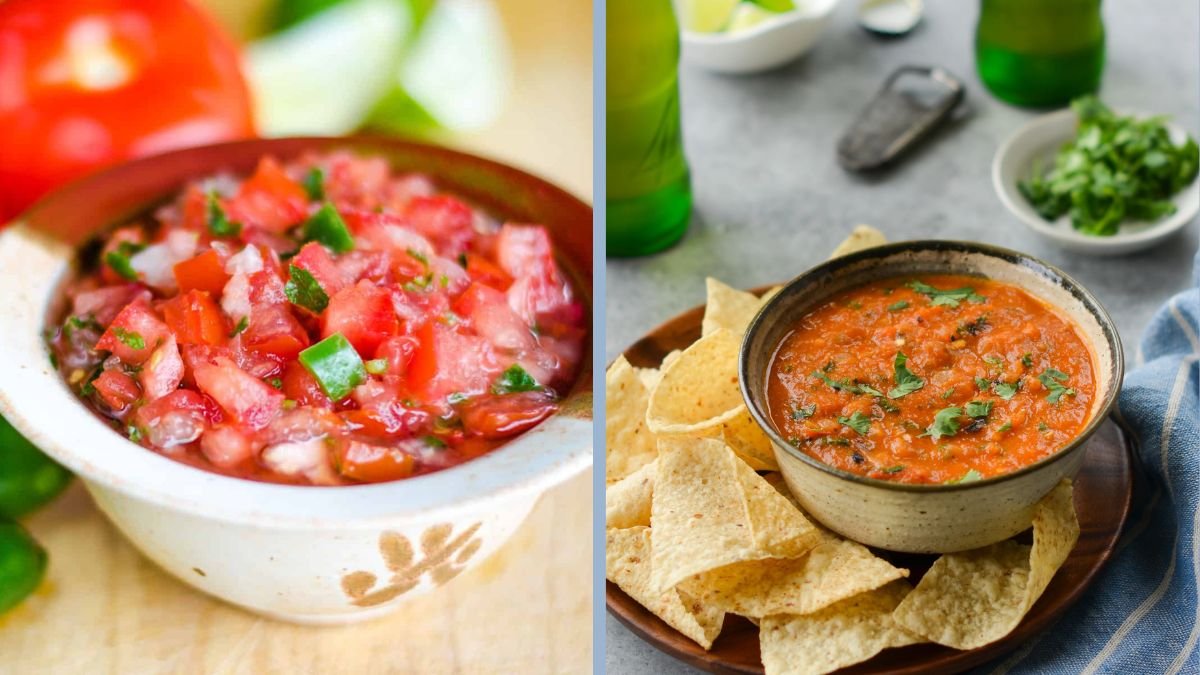
Fresh salsa is one of the most versatile, flavorful, and health-conscious condiments you can prepare at home. Unlike store-bought versions, homemade salsa offers complete control over freshness, flavor balance, and ingredient quality. When made with ripe garden tomatoes, the taste is unmatched—bright, tangy, and naturally sweet. In this article, we will explore the detailed steps of making salsa from scratch, highlight the nutritional benefits, and discuss variations and preservation methods, all while focusing exclusively on vegetarian-friendly approaches.
The Importance of Fresh Ingredients
The foundation of a great salsa lies in the quality of its ingredients. Tomatoes are the star, and garden-fresh varieties contain more depth of flavor compared to commercial ones. A sun-ripened tomato from your backyard or local farmers’ market often has a natural sweetness and acidity that elevates the salsa significantly.
Key supporting ingredients include:
- Onions: They add sharpness and depth. Red onions provide sweetness, while white onions deliver a stronger bite.
- Garlic: Used sparingly, it brings an aromatic richness.
- Chilies or Peppers: From mild bell peppers to spicy jalapeños, these influence both the flavor profile and heat level.
- Cilantro: Fresh coriander leaves provide brightness and a refreshing herbal note.
- Lime Juice: Essential for acidity, freshness, and food safety.
- Salt: Enhances natural flavors and balances sweetness.
Choosing the right balance between these ingredients determines whether your salsa is mild, fiery, chunky, or smooth.
Step-by-Step Guide: Making Classic Garden Tomato Salsa
Step 1: Selecting and Preparing Tomatoes
- Pick tomatoes that are firm, ripe, and free from blemishes. Roma or plum tomatoes are preferred because of their meaty texture and lower water content. However, cherry or heirloom tomatoes can add unique flavors.
- Wash thoroughly and remove the cores. For a smoother texture, blanch the tomatoes in boiling water for 30–60 seconds, then transfer them to an ice bath. This will loosen the skin, making peeling easy.
Step 2: Preparing Supporting Vegetables
- Dice onions finely for even distribution.
- Mince garlic cloves to release their natural oils.
- Remove seeds from chilies if you prefer a milder salsa; leave them in for more heat.
- Chop cilantro leaves roughly to preserve aroma.
Step 3: Combining Ingredients
In a large mixing bowl:
- Add diced tomatoes.
- Mix in onions, garlic, and chilies.
- Stir in cilantro.
- Add the juice of one or two fresh limes.
- Sprinkle with salt to taste.
Step 4: Resting the Mixture
Allow the salsa to rest for 20–30 minutes in the refrigerator before serving. This helps the flavors meld together.
Cooking vs. Fresh Salsa
Homemade salsa can be enjoyed in two broad styles:
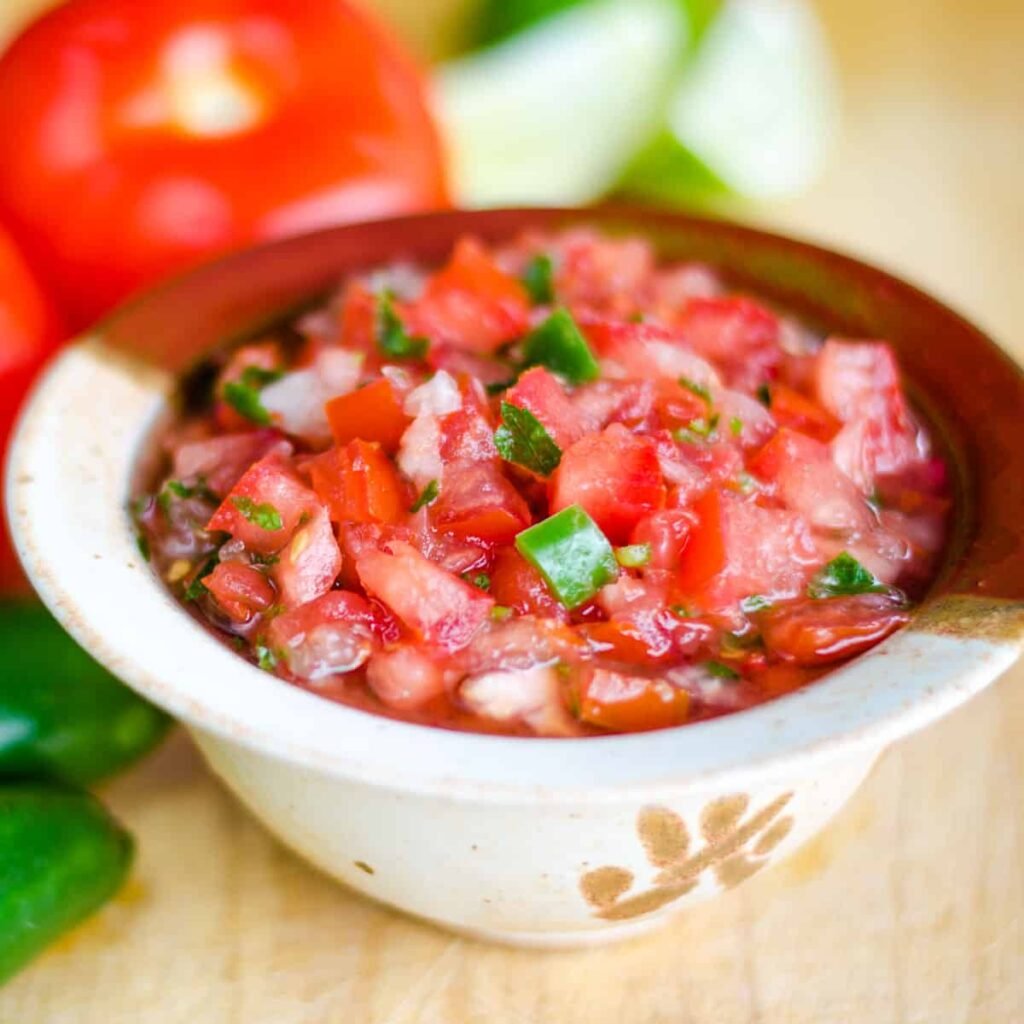
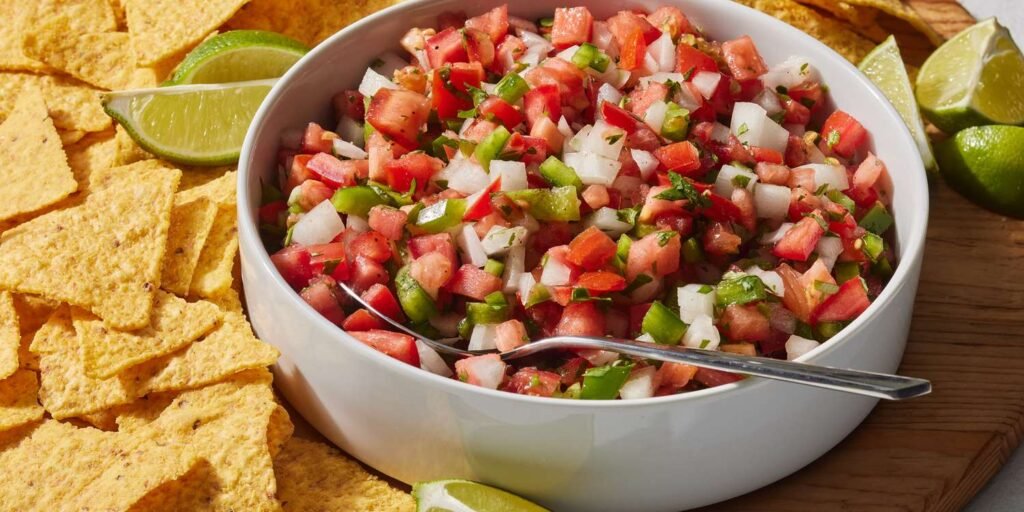
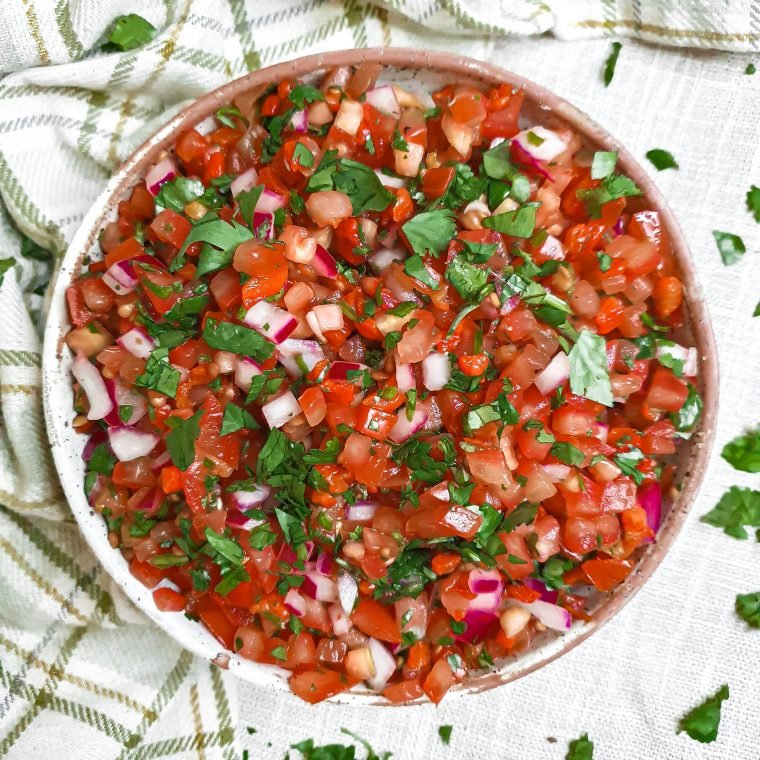
- Fresh Salsa (Salsa Fresca or Pico de Gallo): Made with raw ingredients, it is crisp, vibrant, and best eaten within a day or two.
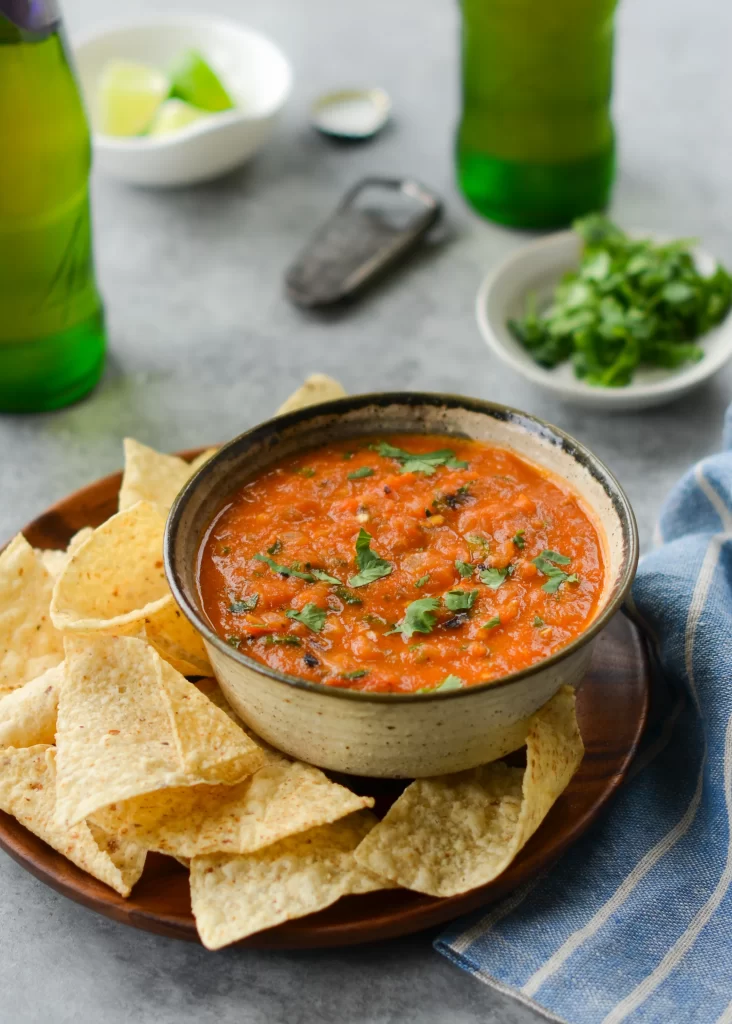
- Cooked Salsa: Tomatoes, onions, and peppers are roasted or simmered before blending. This results in a smoother, deeper flavor and longer shelf life.
How to Make Cooked Salsa
- Roast tomatoes, onions, garlic, and chilies in the oven or on a skillet until slightly charred.
- Blend until smooth, adjusting thickness with a small amount of water.
- Season with lime juice and salt.
- Allow to cool before serving.
Cooked salsa often develops a smoky, caramelized flavor, perfect for dipping or as a cooking base.
Health and Nutritional Benefits
Homemade salsa is not just delicious—it is nutrient-dense and supports a healthy lifestyle.
- Tomatoes: Rich in vitamins A, C, and K. They also contain lycopene, an antioxidant linked to reduced risks of certain cancers and heart disease.
- Onions and Garlic: Known for antibacterial properties and compounds that support cardiovascular health.
- Chilies: Capsaicin in hot peppers boosts metabolism and reduces inflammation.
- Cilantro: Provides vitamin K and helps in detoxification.
- Lime: Excellent source of vitamin C, aiding immunity and digestion.
Unlike many commercial salsas, homemade versions avoid preservatives, excessive salt, and added sugars.
Variations of Vegetarian Salsa
- Fruit-Infused Salsa
- Add mango, pineapple, or peach chunks for a sweet-and-spicy combination.
- Works well with mild chilies for balance.
- Roasted Corn Salsa
- Mix roasted corn kernels with diced tomatoes, onions, and lime juice for a smoky, slightly sweet twist.
- Herbal Salsa
- Replace cilantro with fresh basil or parsley for unique flavor profiles.
- Avocado Salsa
- Combine salsa fresca with diced avocados for a creamy, nutrient-packed variation.
Each variation maintains a vegetarian base while diversifying textures and flavors.
Tips for Balancing Flavors
- If salsa tastes too acidic, add a pinch of sugar.
- If it is too bland, increase salt or add more lime juice.
- For excessive heat, balance with extra tomatoes or a touch of fruit.
- Always taste and adjust seasonings gradually.
Storing and Preserving Salsa
Fresh salsa is best consumed within 2–3 days when refrigerated in an airtight container. For longer storage, consider these methods:
- Freezing: Cooked salsa freezes well for up to three months. Thaw in the refrigerator before use.
- Canning: For shelf-stable salsa, follow safe canning guidelines. Always use enough lime juice or vinegar to maintain acidity and prevent bacterial growth.
- Fermentation: Allow salsa to ferment slightly at room temperature for a probiotic-rich version. This method enhances tanginess and shelf life.
Serving Suggestions
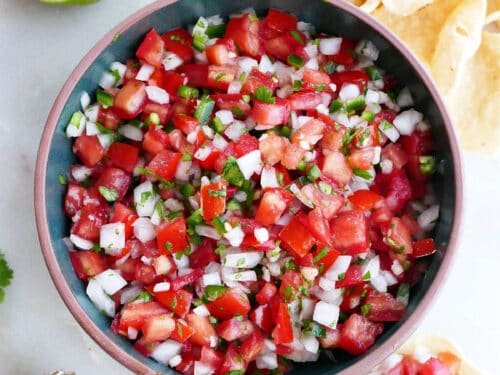
Homemade salsa is versatile beyond dipping tortilla chips. Some ideas include:
- As a topping for rice bowls or grain salads.
- Mixed into scrambled tofu for a plant-based breakfast.
- Served with roasted vegetables for added freshness.
- Spread inside wraps, burritos, or sandwiches.
- Used as a healthy pizza topping alternative to heavy sauces.
Cultural Significance of Salsa
Salsa is deeply rooted in Latin American cuisine, especially in Mexico where it has been a staple for centuries. Traditional recipes often emphasize the harmony between tomatoes, chilies, and herbs. By making salsa at home with garden tomatoes, you are not only crafting a delicious condiment but also connecting with a rich culinary heritage that celebrates freshness, balance, and community.
Conclusion
Making homemade salsa with garden tomatoes is a rewarding process that blends freshness, health, and creativity. By carefully selecting ingredients, balancing flavors, and experimenting with variations, you can craft a salsa that reflects your personal taste and lifestyle. Unlike store-bought versions, homemade salsa offers unmatched vibrancy, nutritional benefits, and cultural authenticity.
Whether enjoyed fresh as pico de gallo, simmered into a cooked salsa, or customized with fruits and herbs, this condiment remains one of the most adaptable and beloved vegetarian-friendly creations in the kitchen.
By mastering this art, you not only elevate your meals but also make the most of seasonal garden produce—bringing the wholesome taste of nature directly to your table.