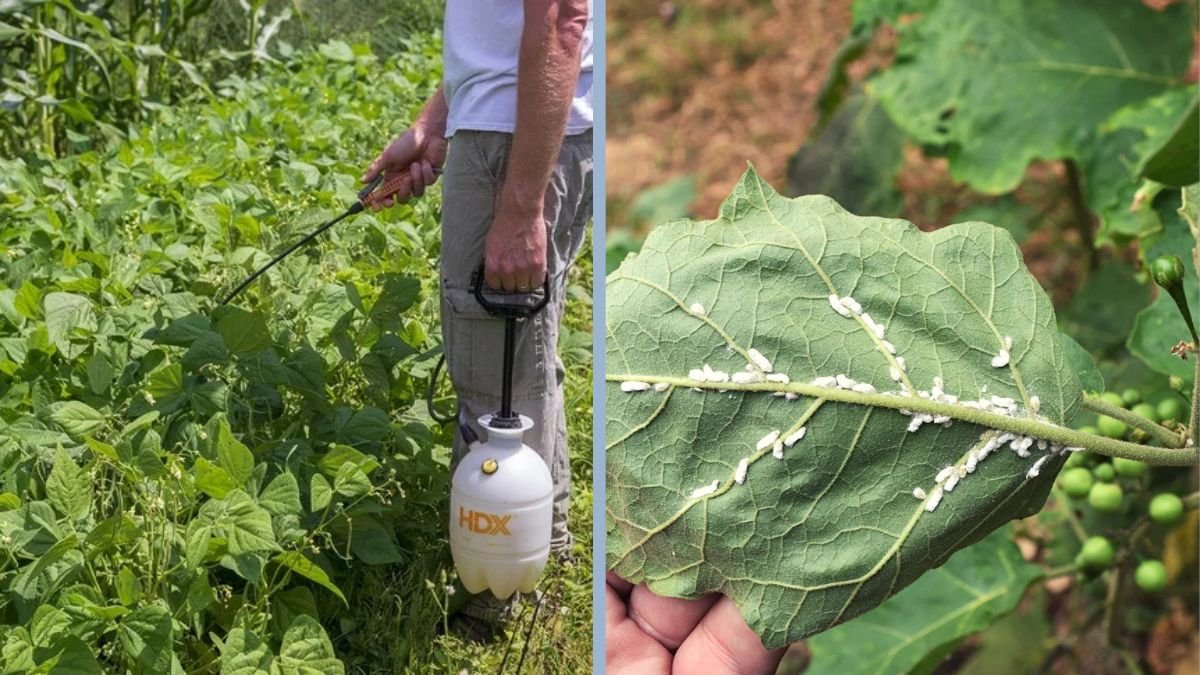
Vegetable gardening is both rewarding and challenging. One of the most persistent challenges gardeners face is pest control. While chemical pesticides are widely available, their overuse can harm the environment, beneficial insects, and even human health. Fortunately, there are numerous natural methods to prevent pests from damaging your vegetable crops. By understanding pest behavior, using companion planting, and incorporating eco-friendly solutions, gardeners can protect their vegetables while promoting a healthier garden ecosystem. This article explores effective natural strategies for keeping pests away from vegetables.
Understanding Common Vegetable Pests
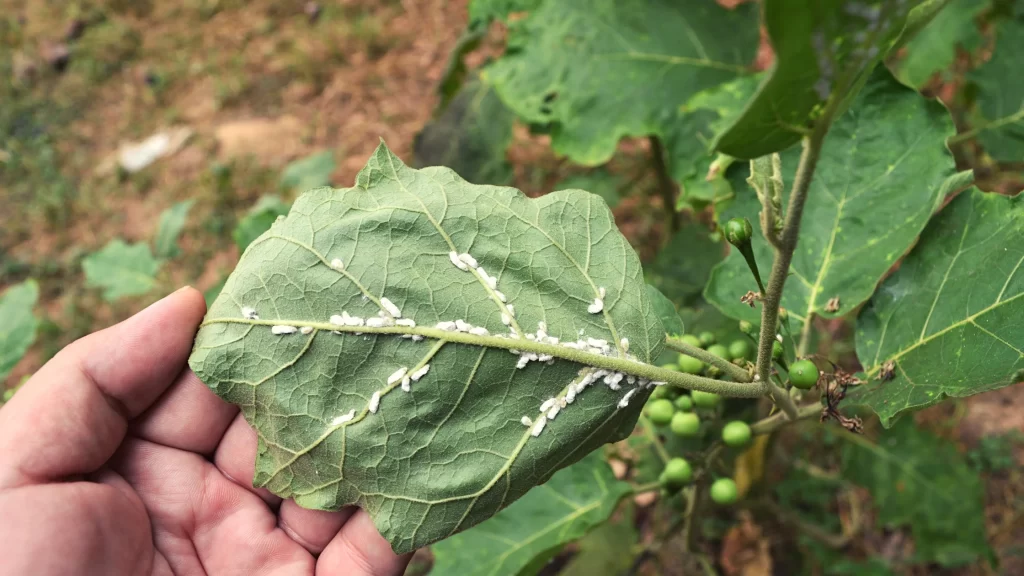
Before implementing preventive measures, it is essential to understand the types of pests that commonly affect vegetable gardens. Common pests include:
- Aphids – Small, soft-bodied insects that suck sap from leaves, causing them to curl and stunt growth.
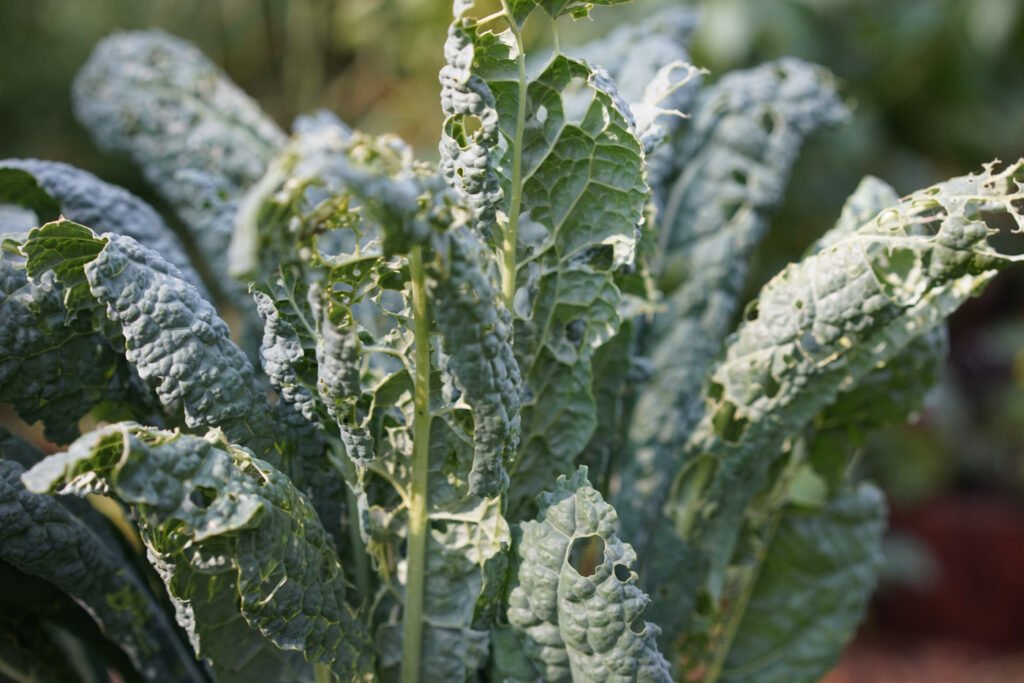
- Caterpillars – The larvae of butterflies and moths, which chew holes in leaves and fruits.
- Whiteflies – Tiny, white-winged insects that cluster on the undersides of leaves, sucking plant sap.
- Slugs and Snails – Mollusks that leave irregular holes in leaves and slime trails on vegetables.
- Leaf Miners – Insects whose larvae tunnel through leaf tissue, leaving visible trails.
- Spider Mites – Minute arachnids that form webs on plant leaves and cause yellow speckling.
Understanding the feeding habits and life cycles of these pests is crucial for controlling them naturally. For instance, aphids reproduce rapidly, so early intervention is key, while slugs thrive in damp environments, suggesting habitat management as a solution.
Companion Planting: Nature’s Pest Repellent
Companion planting is a time-tested technique that uses the natural properties of certain plants to repel pests. By strategically planting specific species together, gardeners can create a self-protecting ecosystem. Examples include:
- Marigolds – Emit a scent that deters nematodes and aphids. Planting marigolds alongside tomatoes and peppers is particularly effective.
- Basil – Known to repel flies and mosquitoes. It grows well near tomatoes and peppers.
- Garlic and Onions – Strong-smelling plants that deter aphids, carrot flies, and Japanese beetles.
- Mint – Repels ants, aphids, and cabbage moths. However, mint spreads aggressively and is best grown in pots.
- Nasturtiums – Attract aphids away from more valuable crops like lettuce and cabbage, acting as a “trap crop.”
Companion planting not only keeps pests away but also improves soil health and encourages beneficial insects, creating a more resilient garden.
Natural Barriers and Physical Methods
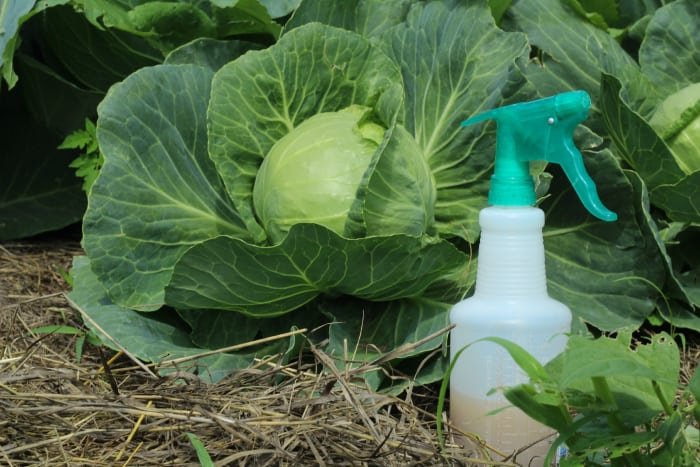
Sometimes, the simplest solutions are the most effective. Physical barriers prevent pests from reaching your vegetables without the need for chemicals. Common techniques include:
- Row Covers and Netting – Lightweight mesh fabric can shield plants from insects such as cabbage moths, aphids, and whiteflies while allowing sunlight and rain to pass through.
- Mulching – Organic mulches, such as straw or wood chips, discourage slugs and snails. Mulching also retains soil moisture and suppresses weeds.
- Copper Tape – Acts as a barrier for slugs and snails, as they avoid crossing copper surfaces due to a reaction with their slime.
- Sticky Traps – Bright-colored sticky traps attract flying pests like whiteflies and aphids, capturing them before they reach the plants.
These physical methods are effective, safe, and suitable for all types of vegetable gardens, from backyard plots to larger-scale operations.
Organic Sprays and Plant-Based Repellents
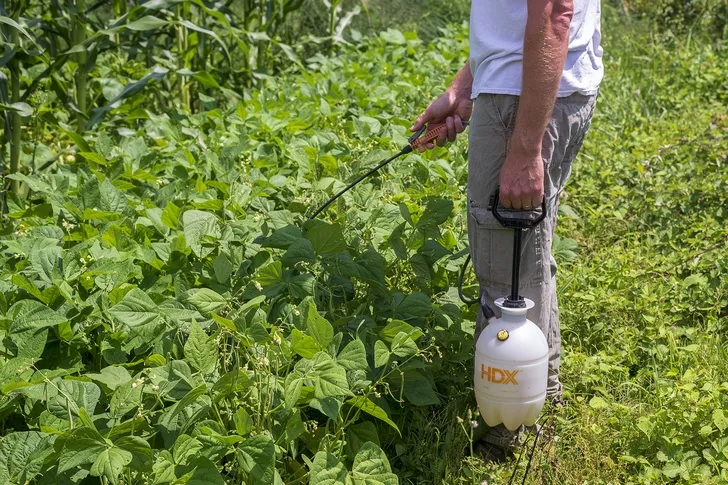
Plant-derived sprays are an excellent natural alternative to chemical pesticides. Many herbs, spices, and vegetables contain compounds that repel or kill pests. Popular natural sprays include:
- Neem Oil – Extracted from the neem tree, neem oil disrupts the growth and reproduction of many insects, including aphids, caterpillars, and whiteflies.
- Garlic Spray – Crushed garlic mixed with water creates a pungent solution that repels aphids, beetles, and other insects.
- Chili Pepper Spray – Capsaicin in chili peppers irritates pests, deterring them from feeding on leaves and fruits.
- Soap and Water – A mild mixture of biodegradable soap and water can dislodge and kill soft-bodied insects like aphids and mites.
Spraying should be done in the early morning or late evening to avoid harming beneficial insects like bees. Regular application ensures continued protection without disrupting the garden’s ecological balance.
Encouraging Beneficial Insects
Not all insects are harmful; many act as natural pest controllers. Attracting beneficial insects can create a self-regulating garden ecosystem. Examples include:
- Ladybugs – Consume large numbers of aphids and mites.
- Lacewings – Feed on aphids, caterpillars, and other soft-bodied pests.
- Parasitic Wasps – Lay eggs inside pests like caterpillars, controlling their population.
- Ground Beetles – Feed on slugs, snails, and other soil-dwelling pests.
Planting flowers such as dill, fennel, and yarrow can attract these helpful insects. Avoid broad-spectrum insecticides, which harm both pests and their natural predators.
Crop Rotation and Garden Hygiene
Proper garden management is critical for pest control. Practices like crop rotation and maintaining garden hygiene reduce pest infestation:
- Crop Rotation – Rotating vegetables from different families each season prevents pests and diseases from establishing in the soil.
- Sanitation – Removing fallen leaves, rotting fruits, and plant debris minimizes hiding spots for insects.
- Spacing and Pruning – Adequate spacing between plants ensures good air circulation, reducing fungal growth and deterring pests.
- Intercropping – Planting different types of vegetables together can confuse pests and reduce the likelihood of a single pest damaging the entire garden.
These preventive measures work in synergy with companion planting and natural repellents to maintain a healthy, pest-resistant garden.
Healthy Soil, Healthy Plants
Healthy soil produces strong, resilient plants that are less susceptible to pests. Organic fertilizers, compost, and mulch improve soil structure, water retention, and nutrient availability. Plants grown in fertile soil are better able to withstand pest attacks and recover from minor damage. Introducing beneficial microorganisms through compost tea or biofertilizers further strengthens plants’ natural defenses.
Water Management
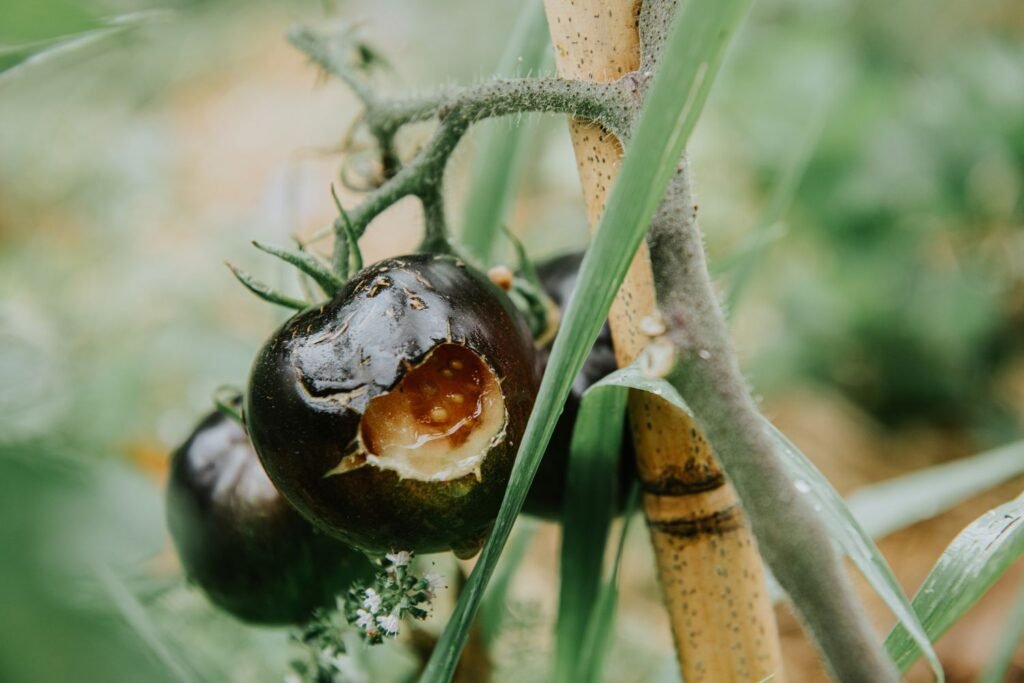
Watering practices also influence pest activity. Overwatering creates moist conditions that favor slugs, snails, and fungal diseases. Drip irrigation or soaker hoses reduce surface moisture, discouraging pests while delivering water directly to plant roots. Watering early in the day allows foliage to dry, making it less attractive to insects.
Conclusion
Natural pest control is not only environmentally responsible but also sustainable and effective. By understanding pest behavior, implementing companion planting, using physical barriers, encouraging beneficial insects, and maintaining healthy soil, gardeners can protect their vegetables without resorting to chemical pesticides. These strategies foster a balanced garden ecosystem where plants, insects, and soil organisms coexist harmoniously.
Adopting natural pest management techniques ensures the long-term health of your vegetable garden while promoting biodiversity and ecological sustainability. With careful planning, observation, and patience, gardeners can enjoy bountiful, pest-free harvests while nurturing the environment.