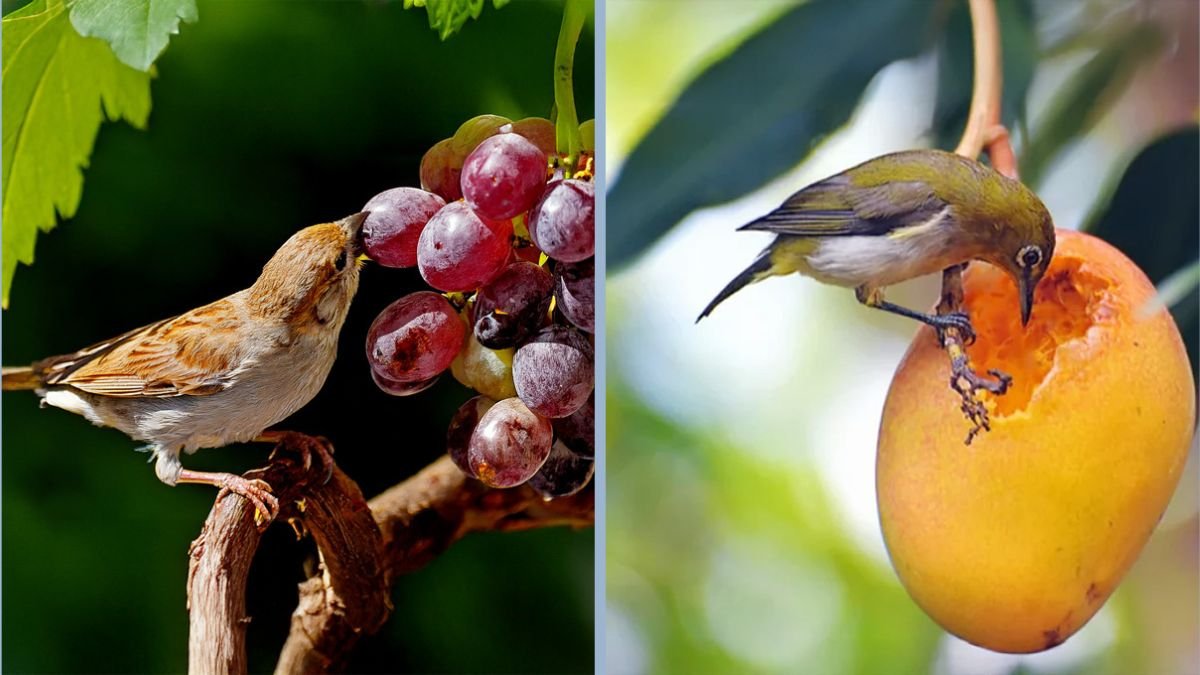
Birds are a delight to watch in the garden, but when it comes to fruit-bearing plants, they can become a source of frustration. Many fruit crops—apples, berries, cherries, grapes, and tomatoes—are particularly attractive to birds. They can consume significant portions of the harvest, reduce crop quality, and sometimes damage the plants themselves. While chemical deterrents exist, they are harmful to the environment and can contaminate edible produce. The good news is that there are numerous non-chemical, eco-friendly strategies for protecting your fruits while maintaining a harmonious relationship with wildlife. This article explores effective methods to safeguard fruit crops from birds naturally, with a focus on sustainability, practicality, and garden health.
Understanding Bird Behavior
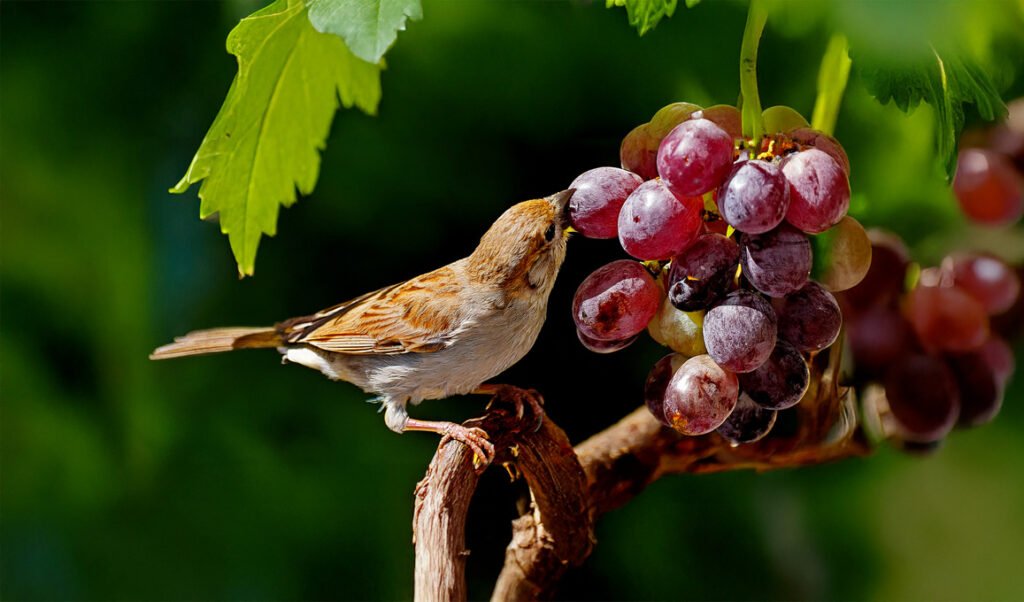
Before implementing protective strategies, it is essential to understand why birds target fruits. Birds are attracted by:
- Color and Ripeness: Brightly colored, sweet fruits are highly appealing.
- Accessibility: Fruits hanging within reach or without protective foliage are easier targets.
- Food Scarcity: During periods when natural food sources are low, birds turn to cultivated fruits.
Different bird species have unique behaviors. For example, sparrows and finches prefer berries, while crows and starlings may consume larger fruits such as apples and grapes. Recognizing the types of birds frequenting your garden allows for tailored protection strategies.
1. Netting: The Most Effective Physical Barrier
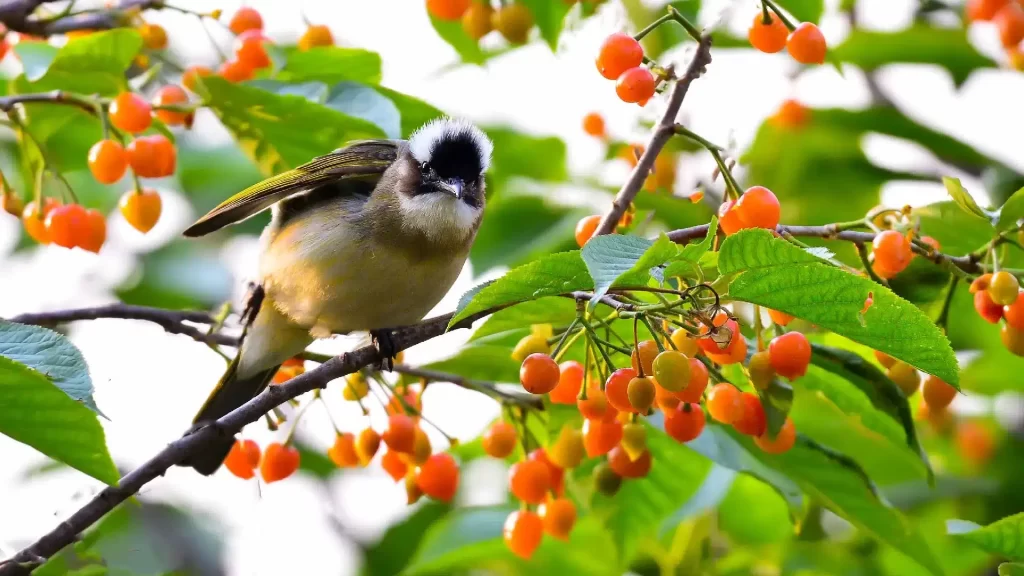
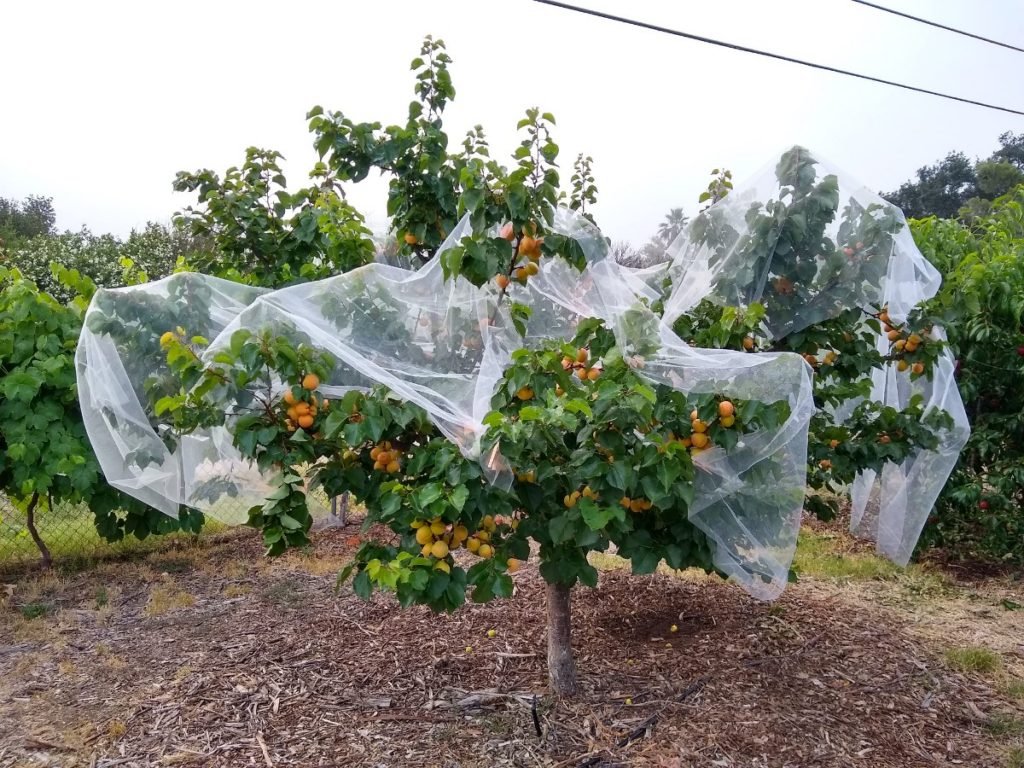
Netting is one of the simplest and most effective ways to protect fruit crops without harming birds. It creates a physical barrier between birds and the fruit.
- Types of Netting: Lightweight, UV-resistant garden nets are ideal. They should have small enough holes (0.5–1 cm) to prevent birds from entering.
- Installation Tips:
- Cover entire fruit trees, berry bushes, or grapevines with netting.
- Ensure the netting reaches the ground and is anchored with stakes or rocks to prevent birds from slipping underneath.
- Avoid wrapping the netting tightly around branches; this allows room for fruit growth and reduces branch damage.
- Benefits:
- Provides complete protection without chemicals.
- Non-toxic and safe for birds and beneficial insects.
- Can be reused season after season.
2. Scare Tactics and Visual Deterrents
Visual deterrents exploit birds’ natural fear of predators or unfamiliar objects. While not always permanent, rotating methods can improve effectiveness.
- Reflective Objects: Hanging CDs, aluminum foil strips, or reflective ribbons near fruiting plants creates flashes of light that scare birds away.
- Scarecrows: Traditional scarecrows can be effective if repositioned frequently to maintain novelty. Dressing them in bright, contrasting colors or placing them near fruit clusters enhances their impact.
- Decoy Predators: Models of owls, hawks, or snakes can deter birds, especially when moved periodically to simulate movement.
- Wind-Activated Items: Spinners, pinwheels, and fluttering ribbons use motion to create uncertainty, discouraging birds from approaching.
Tips: Birds can become accustomed to stationary deterrents, so it is essential to change positions or combine multiple methods regularly for continued effectiveness.
3. Physical Barriers and Protective Structures
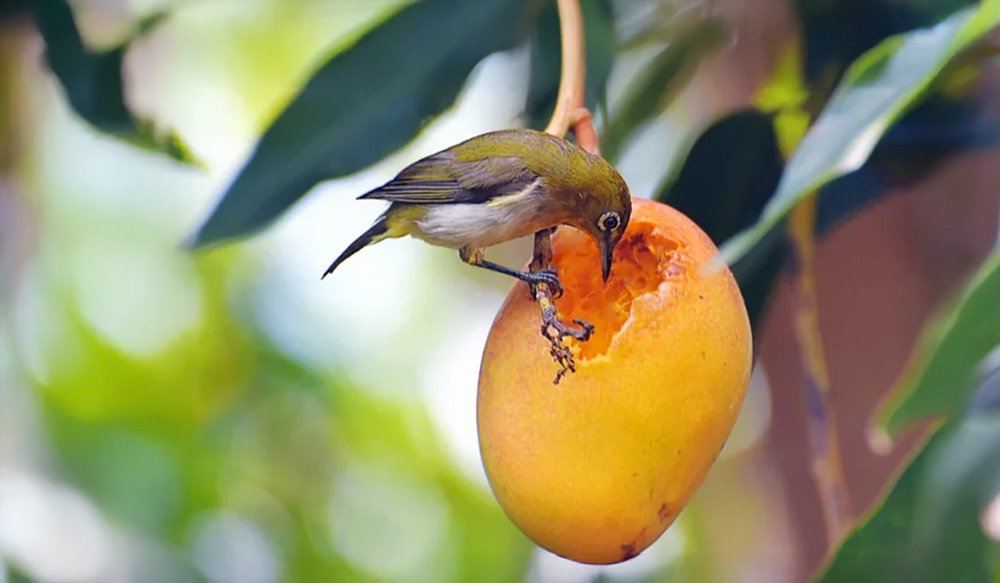
Apart from netting, other physical structures can prevent birds from reaching fruits.
- Fruit Bags: Individual fruits can be protected with paper, cloth, or mesh bags. This method is particularly useful for cherries, peaches, or small berries.
- Cages and Enclosures: Small fruit bushes or young trees can be enclosed with wire or wooden frames covered with mesh or netting.
- Tree Pruning: Thinning branches reduces hiding spots and makes fruits less accessible to birds while improving airflow and sunlight penetration.
These strategies create a controlled environment, minimizing bird access without using any chemicals.
4. Auditory Deterrents
Sound-based deterrents exploit birds’ sensitivity to sudden noises. While effectiveness may diminish over time due to habituation, strategic use can protect crops during peak ripening periods.
- Wind Chimes and Aluminum Pans: Sudden clanging sounds scare birds, particularly when placed near fruit clusters.
- Recording Bird Calls: Predator calls or distress calls can be played intermittently to deter birds.
- Combination Strategy: Combine auditory deterrents with visual deterrents for improved results.
Note: Avoid constant noise exposure, which may disturb humans, pets, and beneficial wildlife. Intermittent and unpredictable use is more effective.
5. Companion Planting
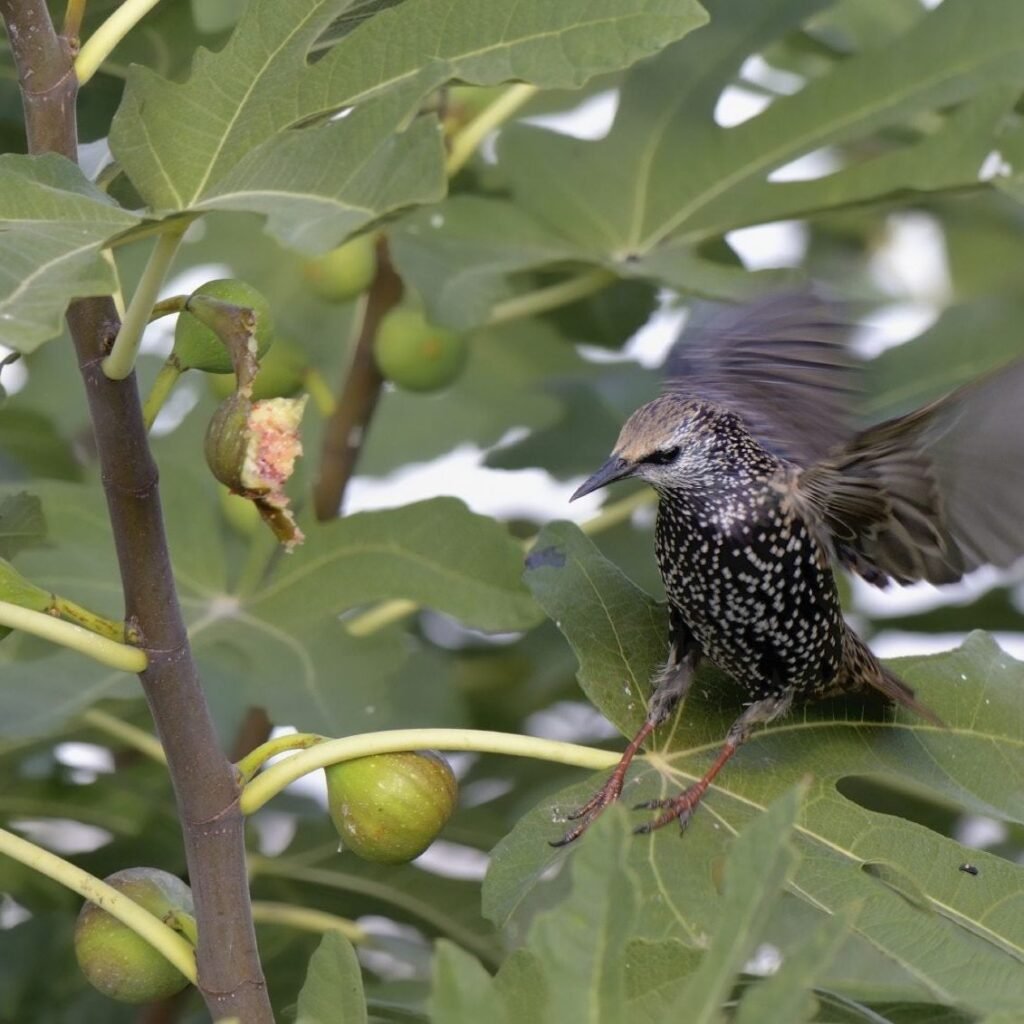
Strategic planting of certain plants around fruit crops can naturally reduce bird predation.
- Sacrificial Crops: Planting small, early-maturing fruits like sunflowers or strawberries away from the main crop can distract birds. Birds feed on these first, leaving main fruit crops largely untouched.
- Dense Foliage Plants: Planting shrubs with dense foliage such as lavender, rosemary, or bush beans around fruit trees creates a barrier, making fruits harder to access.
- Native Plants: Incorporating native shrubs or hedges attracts insects and natural food sources, reducing birds’ incentive to target cultivated fruits.
Companion planting not only protects fruits but also enhances biodiversity and soil health in the garden.
6. Timing and Harvest Management
Birds are most attracted to fully ripe fruits. Managing ripening and harvesting can minimize losses.
- Staggered Planting: Planting crops at intervals spreads fruiting times, reducing the concentration of ripe fruits that attract birds.
- Early Harvesting: Picking fruits as soon as they reach edible ripeness reduces the window of vulnerability.
- Continuous Monitoring: Check fruit crops daily during peak ripening to protect and harvest promptly.
These strategies combine with physical and visual deterrents to maintain fruit yield.
7. Encourage Natural Predators
Attracting natural bird predators in the garden can help maintain balance. By creating a diverse ecosystem, you allow predation and competition to reduce fruit-eating bird populations.
- Birds of Prey: Installing perches or owl boxes can encourage owls or hawks to patrol the area.
- Beneficial Insects: Maintaining pollinators and insectivorous species ensures the garden remains ecologically balanced.
This method leverages nature’s own mechanisms without chemicals, creating a self-regulating garden environment.
8. Maintaining Garden Hygiene
Healthy garden management indirectly reduces bird predation.
- Remove Fallen Fruits: Fallen fruits attract birds and pests. Regularly clean the ground to avoid signaling easy food sources.
- Weed Control: Dense weeds can conceal birds and make fruits more accessible. Keep the garden tidy and well-maintained.
- Mulching and Ground Cover: Mulch around trees reduces insect activity on the soil surface and makes fruits less accessible to ground-foraging birds.
Good garden hygiene complements other protective strategies and reduces bird attraction naturally.
Combining Multiple Strategies
The most effective bird protection plans combine several non-chemical methods. Birds quickly adapt to single deterrents, so using a combination of netting, visual and auditory deterrents, companion planting, and harvest management provides robust protection. Rotating and adjusting strategies throughout the season ensures maximum effectiveness while maintaining ecological harmony.
Benefits of Non-Chemical Bird Protection
Using non-chemical strategies for protecting fruits offers multiple advantages:
- Safe for Humans and Edible Produce: No toxic residues remain on harvested fruits.
- Environmentally Friendly: Preserves soil health, pollinators, and other beneficial wildlife.
- Cost-Effective: Many methods use readily available materials such as netting, ribbons, or paper bags.
- Sustainable Gardening: Encourages biodiversity and reduces reliance on harmful pesticides.
By integrating these approaches, gardeners achieve a sustainable, long-term solution to bird predation.
Conclusion
Protecting fruit crops from birds without chemicals is entirely achievable with thoughtful planning and a combination of eco-friendly strategies. Physical barriers such as netting and fruit bags, visual and auditory deterrents, companion planting, timely harvesting, and garden hygiene all play vital roles in safeguarding fruits. Encouraging natural predators and using sacrificial crops further reduce bird pressure, ensuring a fruitful harvest.
By adopting non-chemical methods, gardeners maintain healthy, safe, and productive kitchen and orchard gardens while promoting biodiversity and environmental sustainability. With consistent observation, timely interventions, and diverse protective measures, birds and humans can coexist in the garden without compromising fruit yields.