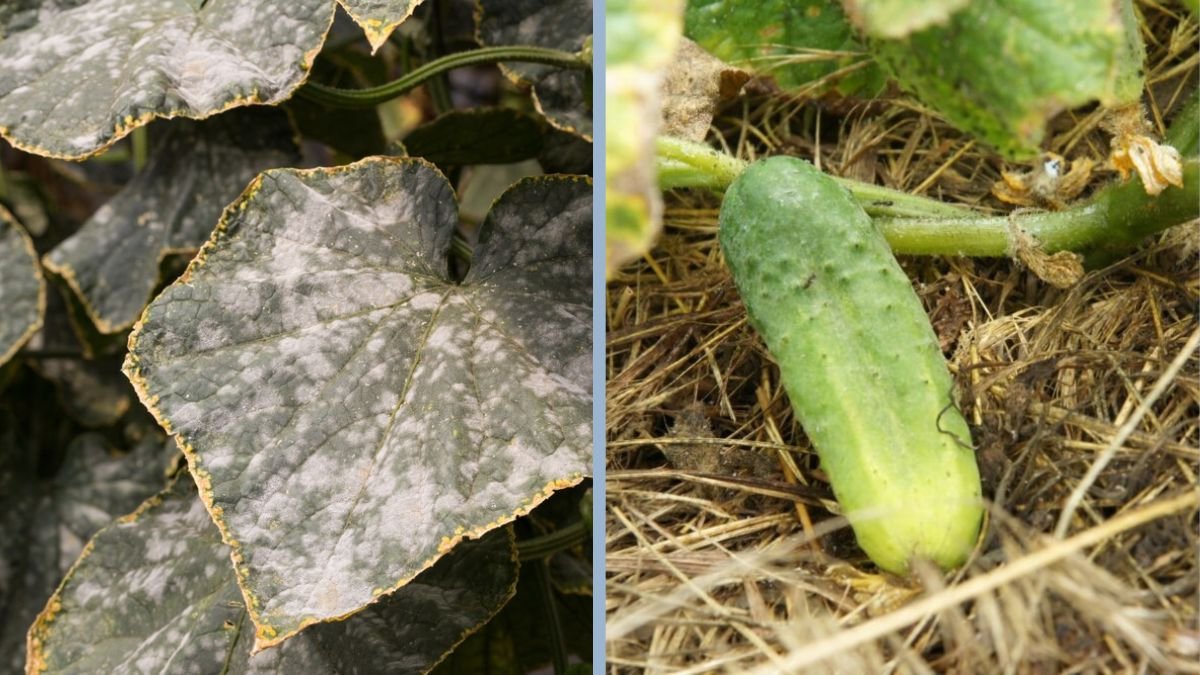
Cucumbers are a favorite in home gardens due to their refreshing taste and high nutritional value. However, like many vegetables, cucumber plants are vulnerable to diseases, with powdery mildew being one of the most common and destructive. Powdery mildew can reduce yield, weaken plants, and affect fruit quality. Understanding how to spot, prevent, and treat this fungal disease is essential for maintaining healthy cucumber crops. This article explores the causes, symptoms, and plant-based strategies for controlling powdery mildew in cucumbers.
Understanding Powdery Mildew
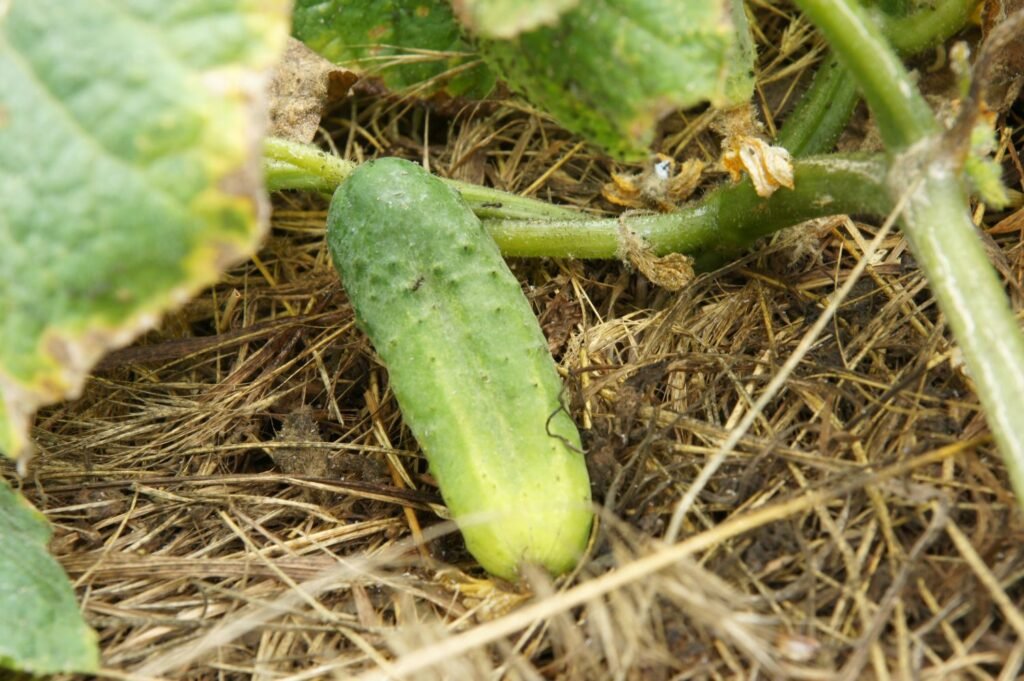
Powdery mildew is caused by several fungal species in the order Erysiphales, most commonly Podosphaera xanthii and Sphaerotheca fuliginea in cucumbers. Unlike other fungal diseases, powdery mildew does not require free water on leaves to thrive. Instead, it prefers:
- Warm temperatures (20–27°C or 68–81°F)
- High humidity
- Shaded or poorly ventilated areas
The fungus reproduces via spores that are easily carried by wind, clothing, or garden tools, making prevention and early detection critical for controlling its spread.
Signs and Symptoms of Powdery Mildew on Cucumbers
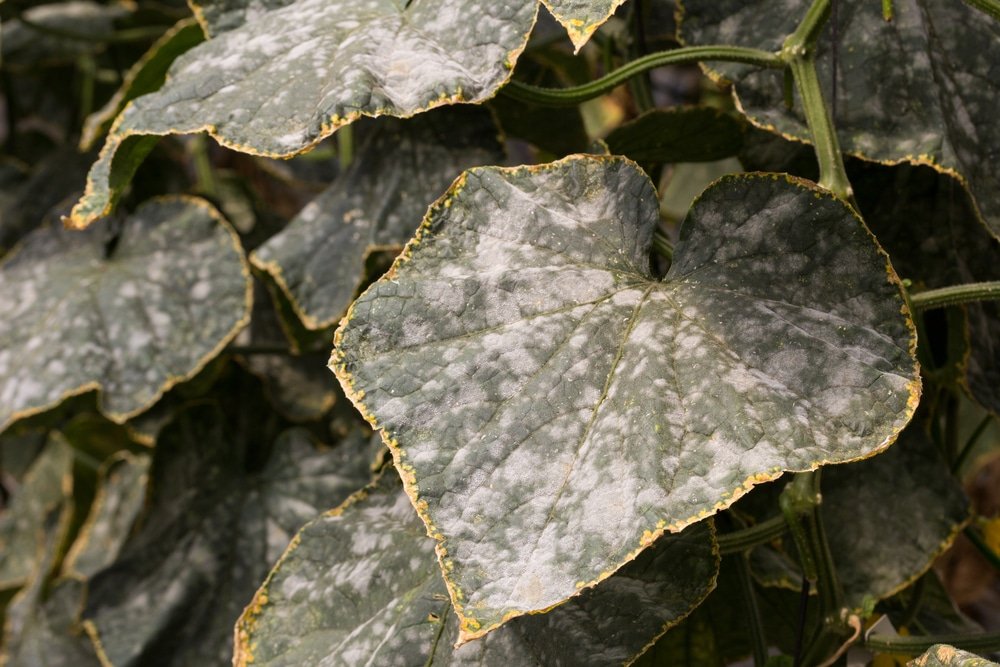
Recognizing powdery mildew early is key to effective treatment. Common signs include:
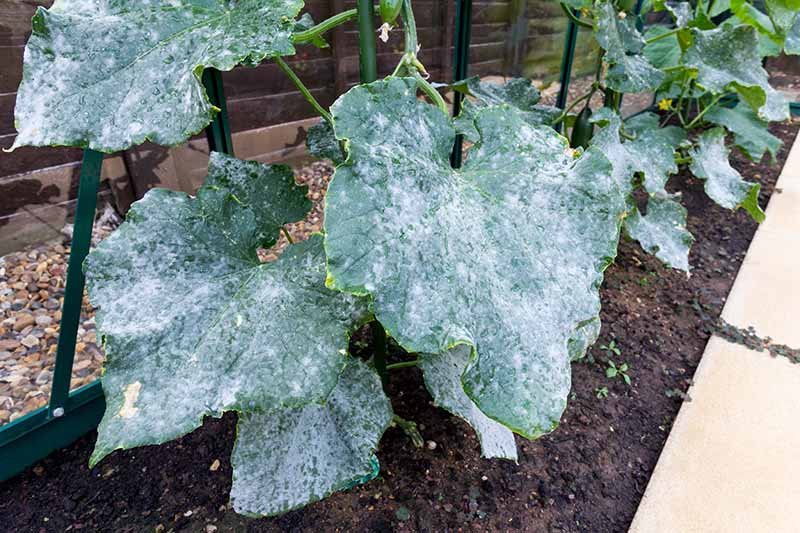
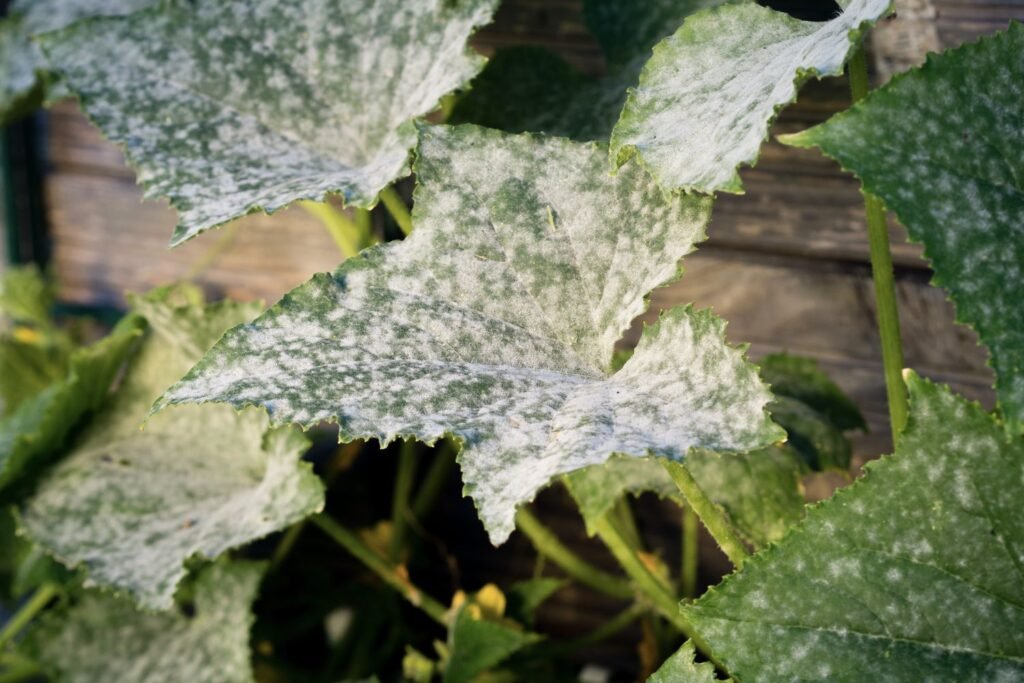
- White, Powdery Spots on Leaves:
- Initial symptoms appear as small, circular, white patches on the upper leaf surface.
- Over time, patches enlarge and may cover entire leaves.
- Yellowing and Distortion of Leaves:
- Infected leaves may turn yellow or pale green.
- Leaf edges may curl or become distorted, reducing photosynthesis and plant vigor.
- Stunted Growth:
- Severe infections weaken stems and foliage, leading to reduced growth and poor fruit development.
- Premature Leaf Drop:
- Leaves may fall off prematurely, exposing fruits to sunscald and reducing yield.
- Reduced Fruit Quality:
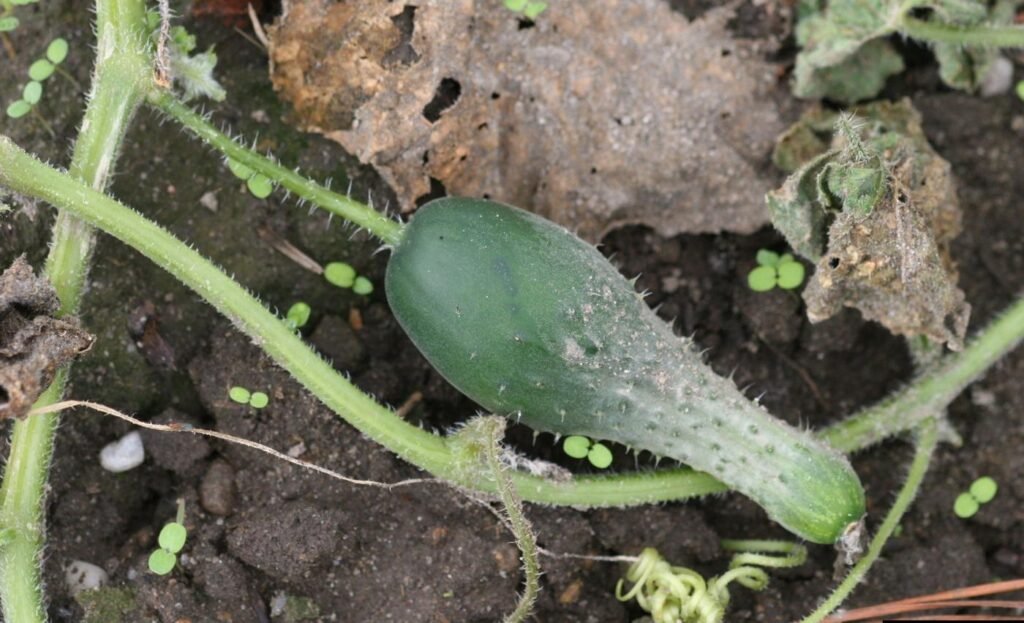
- Fruits may be smaller, misshapen, or less flavorful when powdery mildew is widespread.
Early detection allows gardeners to implement preventive measures and treatments before the disease significantly impacts the crop.
Preventing Powdery Mildew in Cucumbers
Prevention is the most effective strategy against powdery mildew. By creating unfavorable conditions for the fungus, gardeners can significantly reduce infection risk.
1. Proper Spacing and Air Circulation
Dense planting and poor ventilation increase humidity around leaves, promoting fungal growth.
- Space cucumber plants at least 36–48 inches apart.
- Prune lower leaves and side shoots to improve airflow.
- Train vines vertically using trellises to prevent leaves from touching the soil.
2. Crop Rotation
Powdery mildew spores can survive in plant debris and soil. Rotating cucumbers with unrelated crops such as legumes, leafy greens, or grains reduces pathogen buildup. Avoid planting cucumbers or other cucurbits in the same location for at least two years.
3. Sunlight Exposure
Fungal spores thrive in shaded, humid conditions. Plant cucumbers in locations receiving at least 6–8 hours of sunlight daily. Sunlight reduces leaf moisture and helps prevent spore germination.
4. Watering Practices
While powdery mildew does not require free water, consistent watering helps maintain healthy plants.
- Use drip irrigation or water at the base of plants to keep foliage dry.
- Water in the early morning to allow the soil to absorb moisture and minimize evening humidity.
5. Resistant Varieties
Planting powdery mildew-resistant cucumber varieties is one of the most reliable preventive measures. Popular resistant varieties include:
- ‘Marketmore 76’
- ‘Spacemaster’
- ‘Thunder’
Choosing resistant cultivars reduces the need for repeated treatments and increases yield reliability.
Organic Treatments for Powdery Mildew
When powdery mildew appears despite preventive measures, organic sprays and remedies can effectively control its spread without harming humans, beneficial insects, or the environment.
1. Neem Oil Spray
Neem oil, derived from the neem tree, is highly effective against fungal infections.
Preparation and Use:
- Mix 2 teaspoons of neem oil with 1 liter of water and a few drops of mild soap.
- Spray on both upper and lower leaf surfaces every 7–10 days.
Benefits: - Disrupts fungal growth and spore development.
- Safe for pollinators and edible vegetables.
2. Baking Soda Spray
Baking soda (sodium bicarbonate) alters leaf surface pH, inhibiting fungal growth.
Preparation:
- Mix 1 teaspoon of baking soda, 1 teaspoon of vegetable oil, and a few drops of soap in 1 liter of water.
- Spray weekly on affected plants, focusing on leaves.
Benefits: - Effective preventive and curative treatment.
- Non-toxic and safe for home use.
3. Milk Spray
Milk has natural antifungal properties due to proteins and enzymes that inhibit fungal growth.
Preparation:
- Mix milk and water in a 1:2 ratio.
- Spray on leaves every 7–10 days.
Benefits: - Reduces infection severity and promotes plant health.
- Readily available and inexpensive.
4. Horsetail Tea
Horsetail (Equisetum arvense) is rich in silica, strengthening plant tissues and reducing susceptibility to fungal infections.
Preparation:
- Steep 100 grams of dried horsetail in 1 liter of boiling water for 24 hours.
- Strain and spray on leaves weekly.
Benefits: - Improves stem and leaf strength.
- Helps plants resist both fungal and insect damage.
5. Garlic Spray
Garlic contains allicin, a natural antifungal compound.
Preparation:
- Crush 5–6 garlic cloves and soak in 1 liter of water for 24 hours.
- Strain, add a few drops of soap, and spray weekly.
Benefits: - Repels fungal spores and reduces leaf infection.
- Safe and eco-friendly for kitchen gardens.
Cultural Practices to Support Treatment
Organic sprays are most effective when combined with proper garden management. Key practices include:
- Remove Infected Leaves: Carefully prune and dispose of leaves showing heavy infection to prevent spore spread. Do not compost infected material.
- Sanitize Tools: Clean pruning shears, knives, and stakes with a mild bleach solution after use.
- Mulching: Apply organic mulch like straw or shredded leaves to prevent soil-borne spores from reaching leaves.
- Rotate Sprays: Alternating different organic treatments prevents fungi from developing resistance.
These practices complement organic sprays and ensure long-term control of powdery mildew.
Monitoring and Early Detection
Consistent observation is essential for managing powdery mildew. Gardeners should:
- Inspect leaves weekly, particularly in humid or shaded areas.
- Look for initial white spots on young leaves, which indicate early infection.
- Begin treatment immediately upon detection to prevent rapid spread.
Early action significantly reduces yield loss and ensures cucumber plants remain productive.
Conclusion
Powdery mildew is a common but manageable problem in cucumber cultivation. By understanding its symptoms, environmental preferences, and methods of transmission, gardeners can take preventive measures and treat infections naturally. Organic sprays such as neem oil, baking soda, milk, horsetail tea, and garlic are safe, effective, and suitable for kitchen gardens. When combined with good cultural practices—including proper spacing, crop rotation, pruning, mulching, and resistant varieties—these treatments help maintain healthy, productive cucumber plants.
Adopting these strategies promotes sustainable, chemical-free gardening, allowing gardeners to enjoy fresh, nutritious cucumbers while protecting the environment and supporting beneficial insects. Consistent observation, preventive care, and natural treatments create a thriving garden ecosystem that minimizes disease pressure and maximizes harvest.