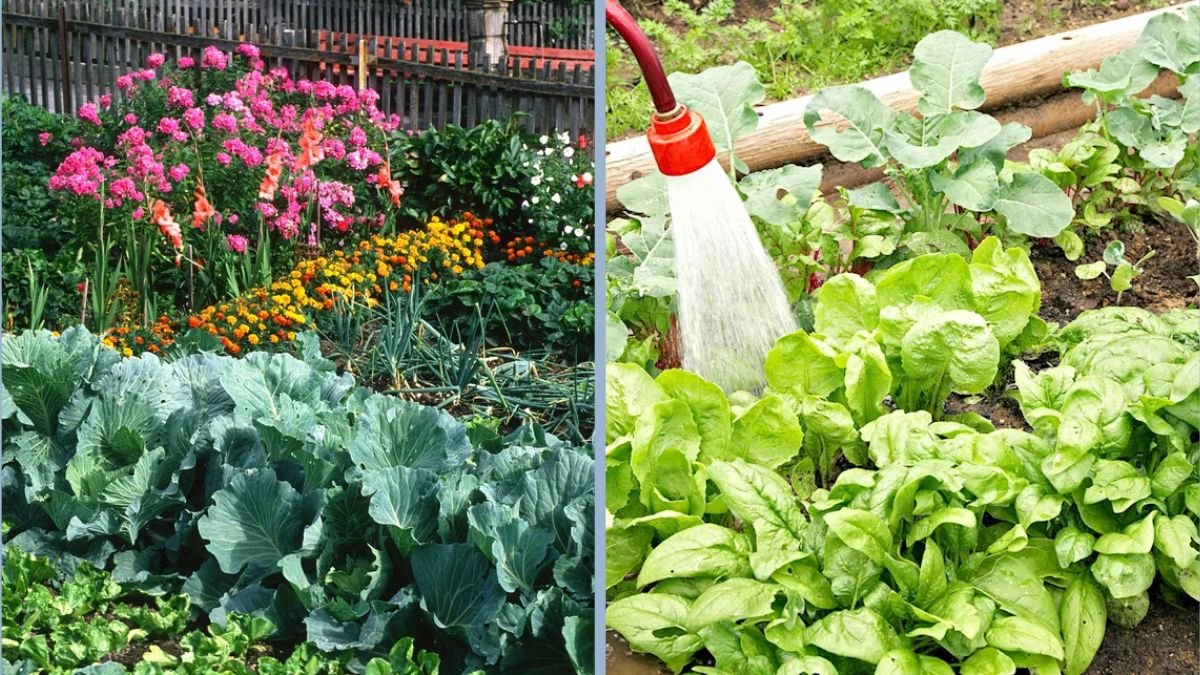
Pest management is one of the most significant challenges for gardeners and small-scale farmers. While chemical pesticides can be effective, they often have harmful consequences for the environment, soil health, and beneficial insects. A sustainable and effective alternative is companion planting, a practice in which specific plants are grown together to naturally repel pests, attract beneficial insects, and promote overall plant health. This article explores the best companion plants for natural pest control, their mechanisms of action, and practical applications in vegetable and herb gardens.
Understanding Companion Planting
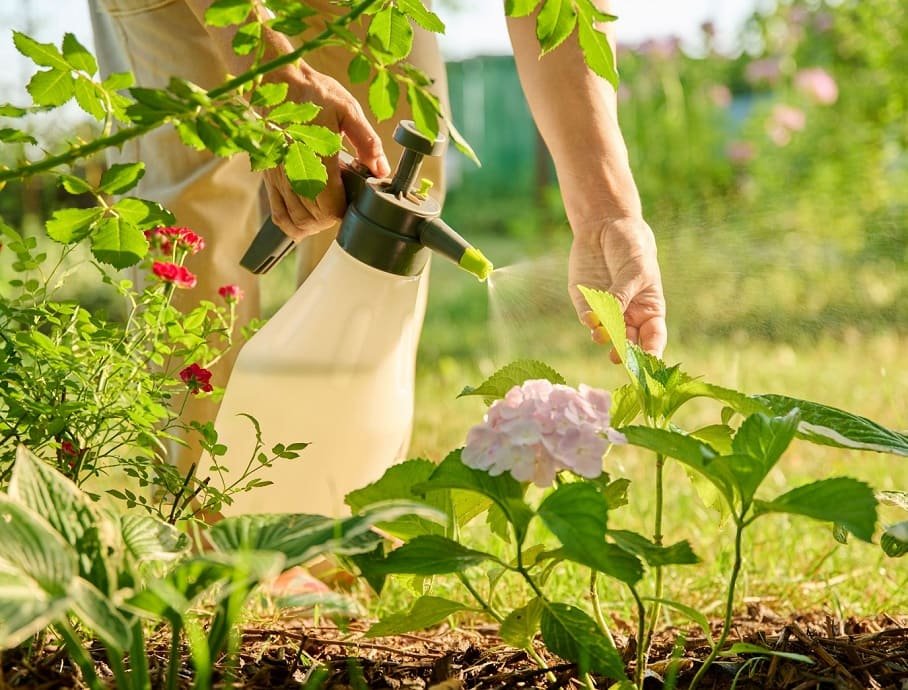
Companion planting is based on the principle that certain plants can influence the growth, flavor, and pest resistance of their neighbors. In the context of pest control, companion plants perform one or more of the following functions:
- Repelling Pests: Some plants produce strong odors or chemicals that deter insects.
- Attracting Beneficial Insects: Certain flowers and herbs attract predatory or pollinating insects that feed on pests.
- Masking Crop Scents: Strongly scented plants can confuse pests, making it harder for them to locate host plants.
- Providing Habitat: Companion plants can offer shelter or alternative food sources for beneficial insects.
By strategically combining plants, gardeners can reduce pest populations without resorting to chemical interventions, creating a healthier and more resilient garden ecosystem.
1. Marigolds (Tagetes spp.)
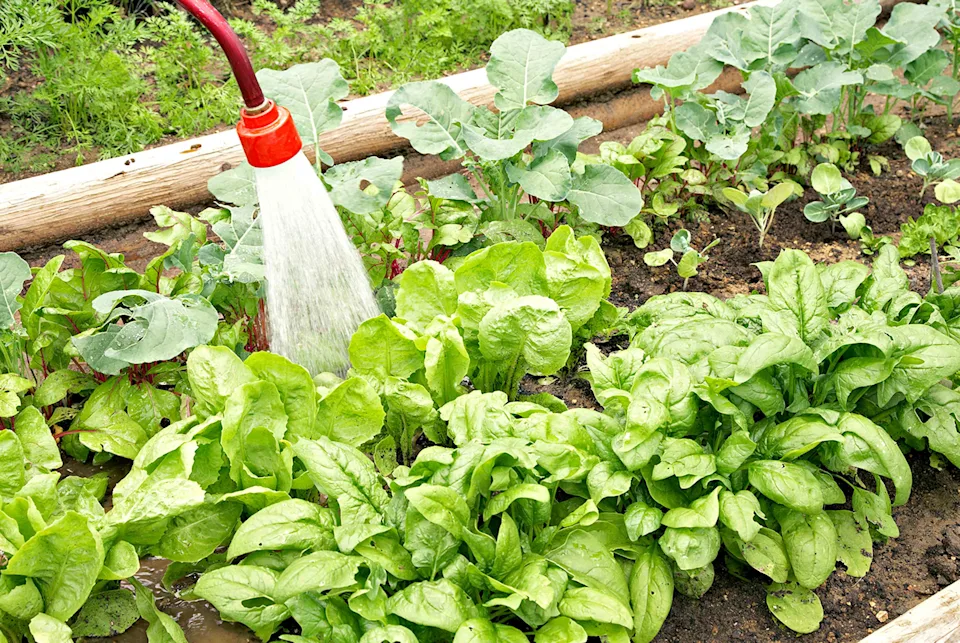
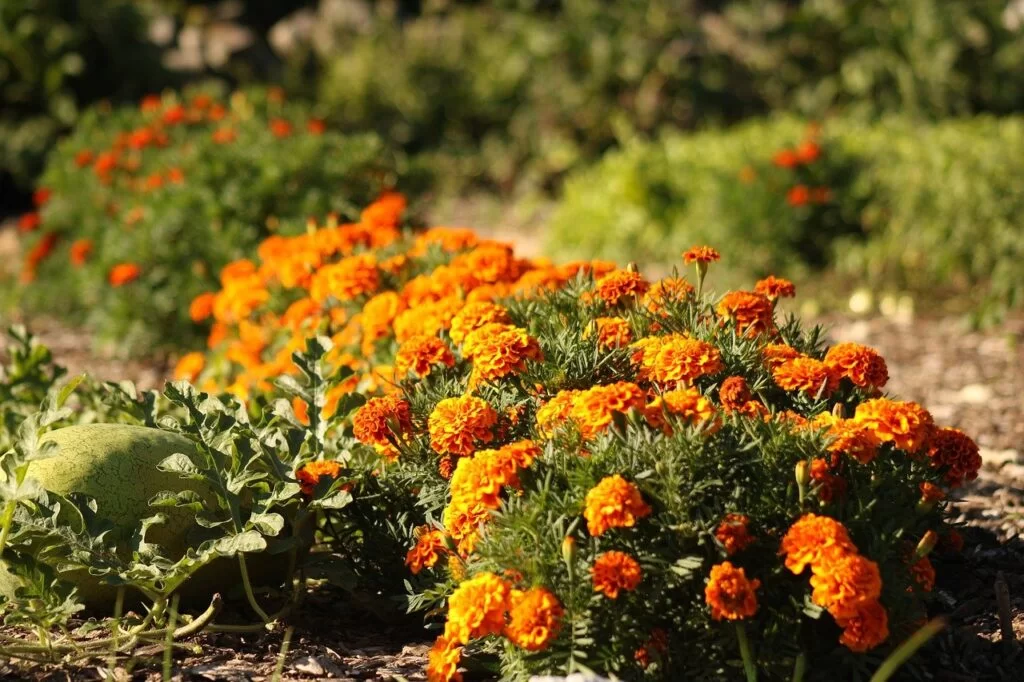
Marigolds are perhaps the most famous companion plants for pest control. They produce compounds in their roots and flowers that repel several garden pests.
Pests Repelled: Nematodes, aphids, whiteflies, and beetles.
Beneficial Effects:
- Roots release chemicals that reduce soil-dwelling nematodes.
- Bright flowers attract pollinators and predatory insects like ladybugs.
Practical Use:
- Plant marigolds around vegetable beds, especially tomatoes, peppers, and cucumbers.
- Interplant marigolds throughout the garden to create a natural barrier.
Marigolds are low-maintenance and enhance garden aesthetics while providing pest control.
2. Basil (Ocimum basilicum)
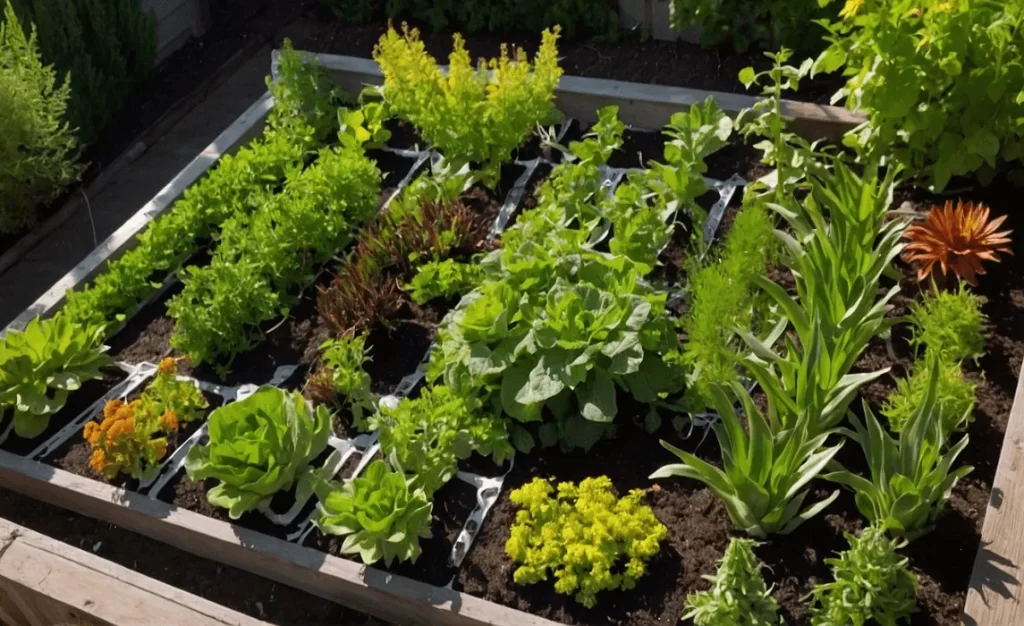
Basil is a fragrant herb commonly grown alongside tomatoes, peppers, and eggplants.
Pests Repelled: Aphids, whiteflies, mosquitoes, and tomato hornworms.
Beneficial Effects:
- Attracts pollinators and predatory insects like hoverflies and lacewings.
- Improves the flavor and growth of neighboring tomatoes.
Practical Use:
- Plant basil between tomato plants or near peppers.
- Harvest regularly to encourage bushier growth and maintain scent production.
Basil’s aromatic oils act as a natural pest deterrent, reducing insect pressure on nearby crops.
3. Nasturtiums (Tropaeolum majus)
Nasturtiums are vibrant flowers that act as both a trap crop and a repellent.
Pests Repelled: Aphids, whiteflies, squash bugs, and cucumber beetles.
Beneficial Effects:
- Serve as a trap crop, attracting pests away from primary vegetables.
- Attract predatory insects like ladybugs and hoverflies.
Practical Use:
- Plant near vulnerable crops such as cucumbers, squash, and cabbage.
- Use as a border or interplant among vegetables to intercept pests.
Nasturtiums are versatile, adding beauty to the garden while providing natural pest control.
4. Garlic and Onions (Allium spp.)
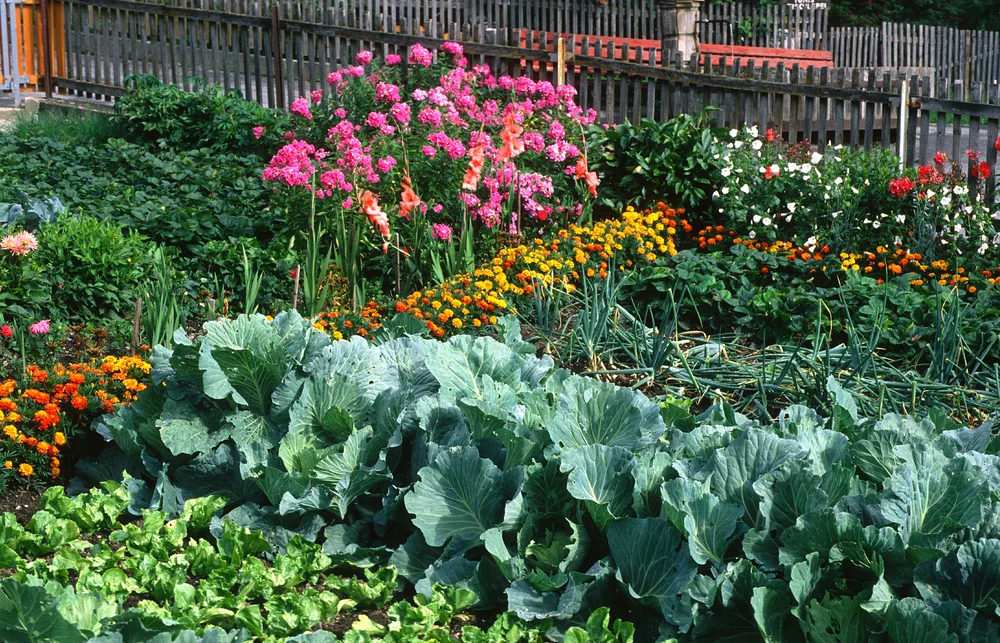
Members of the Allium family produce sulfur compounds that deter a wide range of pests.
Pests Repelled: Aphids, carrot flies, Japanese beetles, and spider mites.
Beneficial Effects:
- Strengthen neighboring plants against fungal infections.
- Attract predatory insects that feed on soft-bodied pests.
Practical Use:
- Plant garlic or onions around leafy greens, carrots, and brassicas.
- Alternate rows of Allium crops with vegetables susceptible to pest damage.
The pungent aroma of garlic and onions masks the scent of edible crops, confusing pests and protecting the garden naturally.
5. Dill (Anethum graveolens) and Fennel (Foeniculum vulgare)
These aromatic herbs are particularly effective at attracting beneficial insects that control pests.
Pests Repelled: Aphids, caterpillars, and whiteflies (indirectly through predator attraction).
Beneficial Effects:
- Attract parasitic wasps, ladybugs, lacewings, and hoverflies.
- Improve pollination of nearby crops.
Practical Use:
- Plant dill near cucumbers, cabbage, and onions.
- Fennel can be used at garden edges to attract predatory insects, though it should not be planted too close to legumes, as it can inhibit their growth.
Dill and fennel enhance biodiversity, providing both pest control and pollination benefits.
6. Borage (Borago officinalis)
Borage is a flowering herb valued for attracting pollinators and improving the growth of nearby crops.
Pests Repelled: Tomato hornworms and cabbage worms (indirectly).
Beneficial Effects:
- Attracts bees, predatory wasps, and other beneficial insects.
- Improves soil quality and increases nutrient availability for neighboring plants.
Practical Use:
- Plant borage near tomatoes, strawberries, and squash.
- Use as a flowering border or interplant to enhance insect diversity.
Borage is multifunctional, supporting both plant growth and ecological balance.
7. Chives (Allium schoenoprasum)
Chives are an easy-to-grow herb with potent sulfur compounds that repel pests and reduce fungal issues.
Pests Repelled: Aphids, Japanese beetles, carrot flies, and black spot fungus.
Beneficial Effects:
- Attracts pollinators and predatory insects.
- Enhances the growth and flavor of neighboring crops.
Practical Use:
- Interplant chives with roses, carrots, and tomatoes.
- Regular harvesting encourages continuous leaf growth and scent production.
Chives are low-maintenance, effective, and contribute to garden health beyond pest control.
8. Sunflowers (Helianthus annuus)
Sunflowers can serve as a decoy and attract beneficial insects.
Pests Repelled: Aphids and certain beetles (as a trap crop).
Beneficial Effects:
- Attracts predatory insects like ladybugs and hoverflies.
- Provides shade and structural support for climbing crops like beans.
Practical Use:
- Plant sunflowers along garden borders or among vulnerable crops.
- Use as a sacrificial crop to lure pests away from primary vegetables.
Sunflowers combine functionality and beauty, enhancing both pest management and garden aesthetics.
Implementing Companion Planting for Pest Control
Successful companion planting requires planning and observation:
- Identify Vulnerable Crops: Determine which vegetables are most prone to pest attacks.
- Select Appropriate Companions: Choose plants that repel pests or attract beneficial insects suited to your garden environment.
- Strategic Placement: Plant companion species between, around, or near target crops for maximum effectiveness.
- Diversity and Rotation: Rotate companion plants each season and maintain diversity to prevent pest adaptation.
- Monitoring: Regularly inspect crops for pest activity and adjust companion planting strategies as needed.
Integrating these steps creates a natural, self-regulating garden ecosystem that reduces pest damage and enhances productivity.
Benefits of Companion Planting for Pest Control
Companion planting offers multiple advantages over conventional pest control methods:
- Eco-Friendly: Eliminates the need for chemical pesticides, protecting soil, water, and non-target organisms.
- Promotes Biodiversity: Supports beneficial insects, pollinators, and natural predators.
- Improves Plant Health: Certain companion plants enhance growth, flavor, and disease resistance of neighbors.
- Cost-Effective: Requires minimal additional resources beyond seed or seedlings.
- Sustainable Gardening: Encourages long-term garden resilience and reduces reliance on synthetic interventions.
By designing a garden with companion plants in mind, gardeners can achieve higher yields, healthier crops, and a balanced ecosystem.
Conclusion
Companion planting is a natural, sustainable, and effective method for controlling pests in vegetable and herb gardens. Plants such as marigolds, basil, nasturtiums, garlic, dill, fennel, borage, chives, and sunflowers offer a combination of pest-repelling properties, attraction of beneficial insects, and overall garden health benefits.
Integrating these plants strategically into garden layouts reduces pest populations, enhances pollination, improves plant vigor, and supports biodiversity. Companion planting exemplifies how gardeners can harmonize with natural ecological processes to achieve chemical-free pest management while maintaining productive and resilient gardens.
Adopting companion planting not only safeguards crops but also fosters sustainable, eco-friendly gardening practices, ensuring abundant harvests, healthy plants, and a thriving garden ecosystem for years to come.