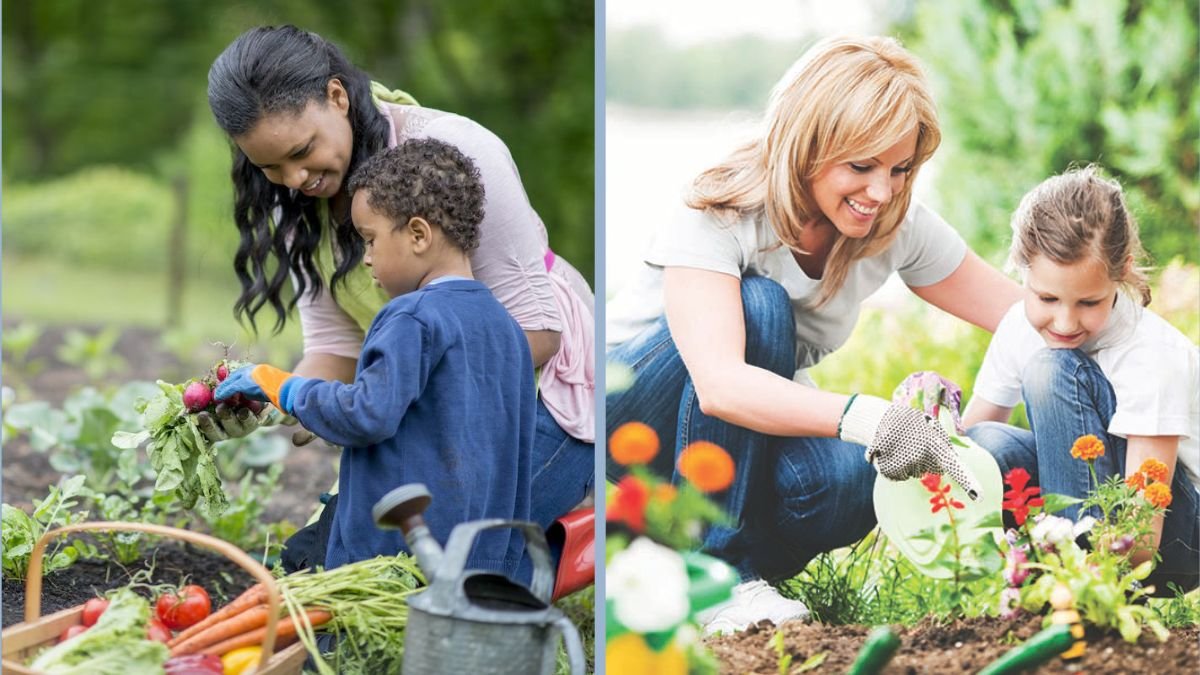
In today’s fast-paced, screen-dominated world, engaging children with nature and hands-on learning is more important than ever. A kid-friendly kitchen garden offers an excellent way to teach children about food, nutrition, and sustainability while encouraging outdoor activity and responsibility. Kitchen gardens are small-scale gardens designed primarily for growing edible plants—herbs, vegetables, and fruits—close to the kitchen for convenience. When tailored for children, these gardens combine learning, play, and gardening in a safe and stimulating environment. This article explores the benefits, planning, plant selection, design, care, and educational aspects of creating a kid-friendly kitchen garden.
Benefits of a Kid-Friendly Kitchen Garden
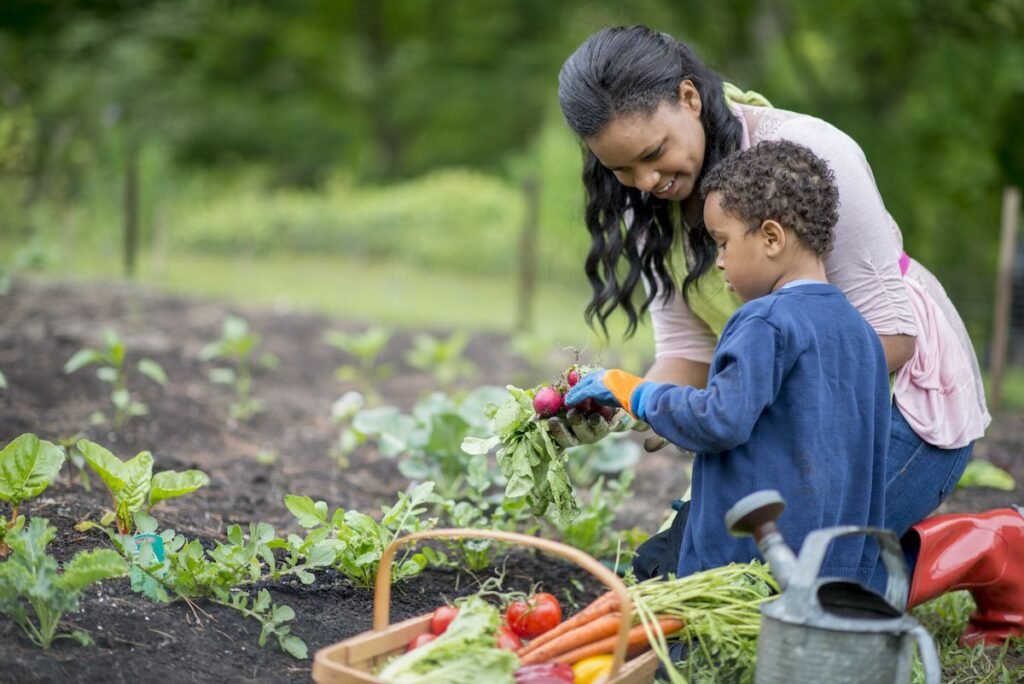
Creating a garden for children provides multifaceted benefits:
- Nutrition Awareness: Children learn where food comes from and are more likely to eat fresh vegetables and fruits they have grown themselves.
- Hands-On Learning: Gardening teaches scientific concepts such as plant life cycles, photosynthesis, and ecosystems in a practical, engaging way.
- Responsibility and Patience: Caring for plants fosters a sense of responsibility, patience, and nurturing skills.
- Physical Activity: Gardening encourages outdoor movement, reducing sedentary behavior and promoting overall health.
- Mental Well-Being: Interaction with nature has proven benefits for reducing stress, enhancing mood, and boosting creativity.
- Family Bonding: Gardening can be a collaborative activity, strengthening family connections and teamwork.
Planning Your Kid-Friendly Kitchen Garden
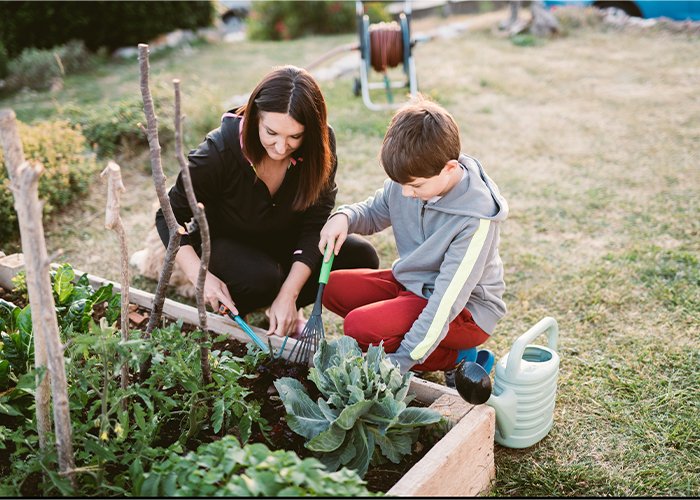
Proper planning ensures the garden is safe, accessible, and enjoyable for children:
1. Location
- Choose a spot with 6-8 hours of sunlight, preferably near the kitchen for convenience.
- Ensure the area is safe and visible, free from hazards like sharp tools, toxic plants, or harmful chemicals.
- Consider using raised beds, containers, or small plots to reduce bending and make maintenance easier for kids.
2. Garden Size and Layout
- Start small—children can easily manage a few square meters.
- Divide the garden into sections for different plant types: vegetables, herbs, fruits, and flowers.
- Create pathways and stepping stones to avoid trampling plants.
- Include play areas or sensory zones with soil, water features, or sand to make the garden interactive.
3. Safety Measures
- Use child-friendly tools such as small trowels, watering cans, and gloves.
- Avoid toxic plants and chemicals; rely on organic fertilizers and natural pest control.
- Ensure containers are stable and pathways are non-slip.
- Educate children about gentle handling of plants and soil hygiene.
Choosing Plants for a Kid-Friendly Garden
Select plants that are easy to grow, safe to handle, and rewarding for children:
1. Fast-Growing Vegetables
- Radishes: Germinate in 3-4 weeks, giving quick results.
- Lettuce: Easy to grow and suitable for small containers or raised beds.
- Spinach and Kale: Nutritious, easy to harvest, and can withstand light handling.
2. Fun and Colorful Vegetables
- Cherry Tomatoes: Sweet, bite-sized, and visually appealing.
- Carrots and Beets: Provide excitement when pulling roots from the soil.
- Peppers: Brightly colored and safe varieties encourage curiosity.
3. Herbs
- Basil, Mint, and Parsley: Strong scents engage the senses and can be used in cooking.
- Cilantro: Fast-growing and ideal for container gardening.
4. Fruits and Berries
- Strawberries: Compact plants that children can easily pick from containers.
- Blueberries: Provide long-term growth experience and nutritional value.
5. Flowers and Companion Plants
- Marigolds: Bright, safe, and pest-repellent.
- Sunflowers: Teach growth cycles and add vertical interest.
- Nasturtiums: Edible flowers that attract beneficial insects.
Designing an Engaging Garden
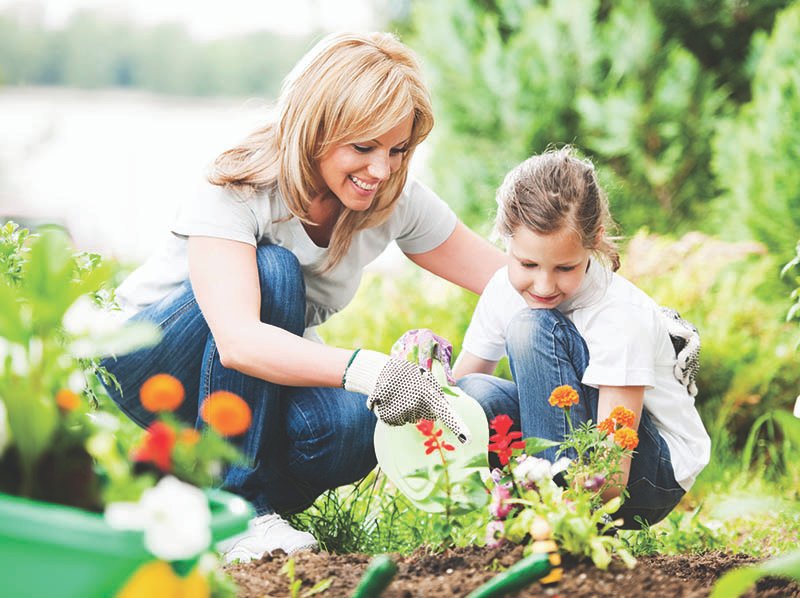
To make the kitchen garden fun and interactive for children, consider these design elements:
1. Interactive Planting Areas
- Mini beds: Raised beds or container clusters that are child-height for easy access.
- Plant labels: Use colorful signs or stones to label plants; kids learn plant names and care requirements.
- Sensory elements: Incorporate fragrant herbs, textured leaves, or edible flowers.
2. Watering and Irrigation
- Kid-friendly watering cans: Encourage children to water plants themselves.
- Self-watering containers: Reduce the risk of under- or overwatering and teach concepts of water conservation.
3. Paths and Borders
- Create clearly marked pathways using pebbles, wood, or recycled materials.
- Use low fencing or garden edging to define areas and prevent accidental trampling.
4. Composting Station
- A small compost bin teaches children about organic waste recycling and soil enrichment.
- Children can add vegetable scraps and observe decomposition, learning about nutrient cycles.
Planting and Care Tips
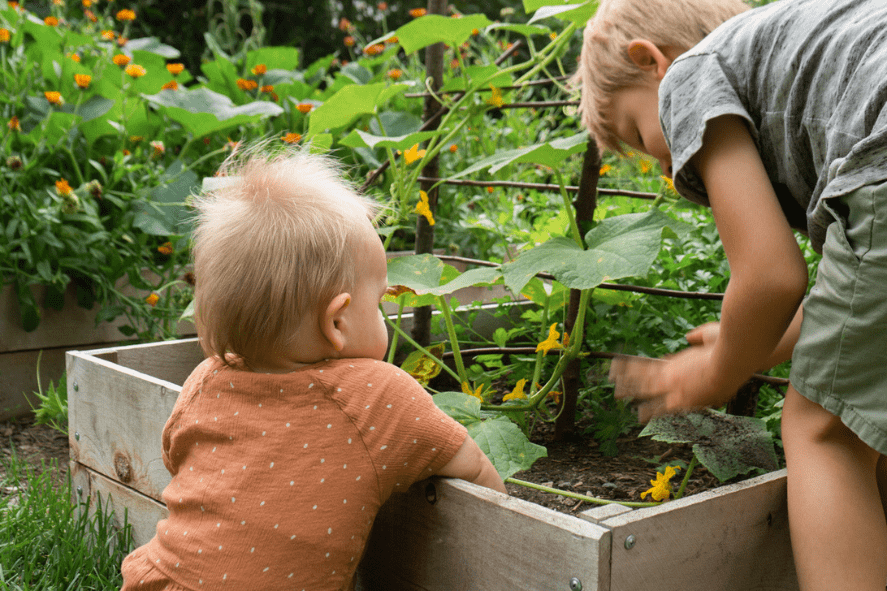
Proper planting and ongoing care are essential for a successful garden:
1. Soil Preparation
- Use organic, nutrient-rich soil with good drainage.
- Mix compost or well-rotted manure to provide essential nutrients.
- Teach children how to dig, mix, and level soil, making it a hands-on activity.
2. Planting Techniques
- Demonstrate proper spacing to allow plant growth.
- Show children how to gently transplant seedlings and water them at the base.
- Encourage observation skills by letting kids monitor plant growth, leaf changes, and flowering.
3. Watering and Mulching
- Water consistently to maintain moist soil, but avoid waterlogging.
- Mulch with straw, leaves, or wood chips to retain moisture and prevent weeds.
- Use this opportunity to explain soil moisture and plant needs.
4. Pest and Disease Management
- Introduce natural pest control such as neem oil, ladybugs, or soap sprays.
- Teach children to spot aphids, caterpillars, or fungal issues.
- Emphasize safe handling and preventive care rather than chemical solutions.
Educational Opportunities
A kid-friendly kitchen garden is more than just food production; it’s an educational tool:
- Science Learning: Observe germination, photosynthesis, pollination, and seasonal growth.
- Math Skills: Measure plant growth, spacing, or harvest quantities.
- Environmental Awareness: Learn about soil health, composting, water conservation, and pollinator importance.
- Culinary Skills: Involve children in harvesting and cooking with fresh herbs and vegetables.
Harvesting and Enjoying Produce
Harvesting is a rewarding stage that motivates children to care for plants:
- Teach children to pick leaves, fruits, or vegetables gently.
- Encourage tasting and using herbs or vegetables in simple recipes.
- Use harvest time to discuss nutrition, seasonal eating, and food waste reduction.
Conclusion
Creating a kid-friendly kitchen garden is an enriching experience that nurtures children’s curiosity, responsibility, and healthy eating habits. By carefully planning the garden, selecting appropriate plants, designing engaging and safe spaces, and incorporating educational elements, families can cultivate a garden that is both enjoyable and educational. A well-maintained kitchen garden teaches children about nature, sustainability, and nutrition, while providing fresh, homegrown herbs, vegetables, and fruits for daily meals. Beyond practical benefits, a kid-friendly garden fosters creativity, outdoor play, and family bonding, making it a valuable addition to any home environment.