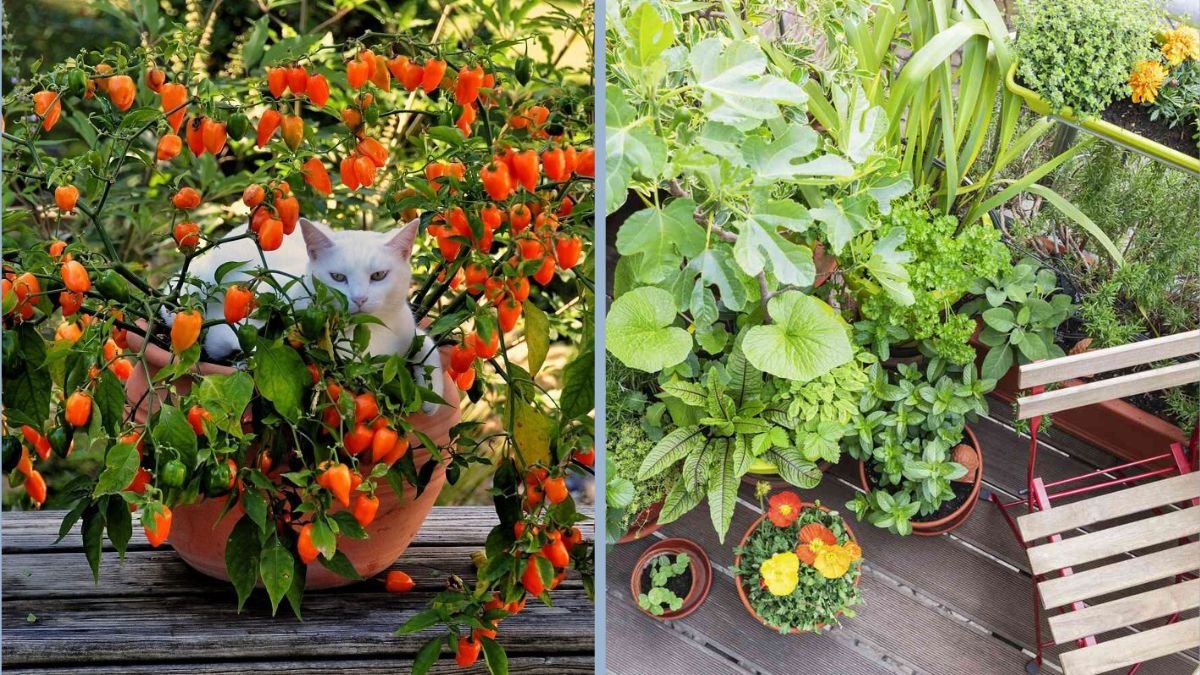
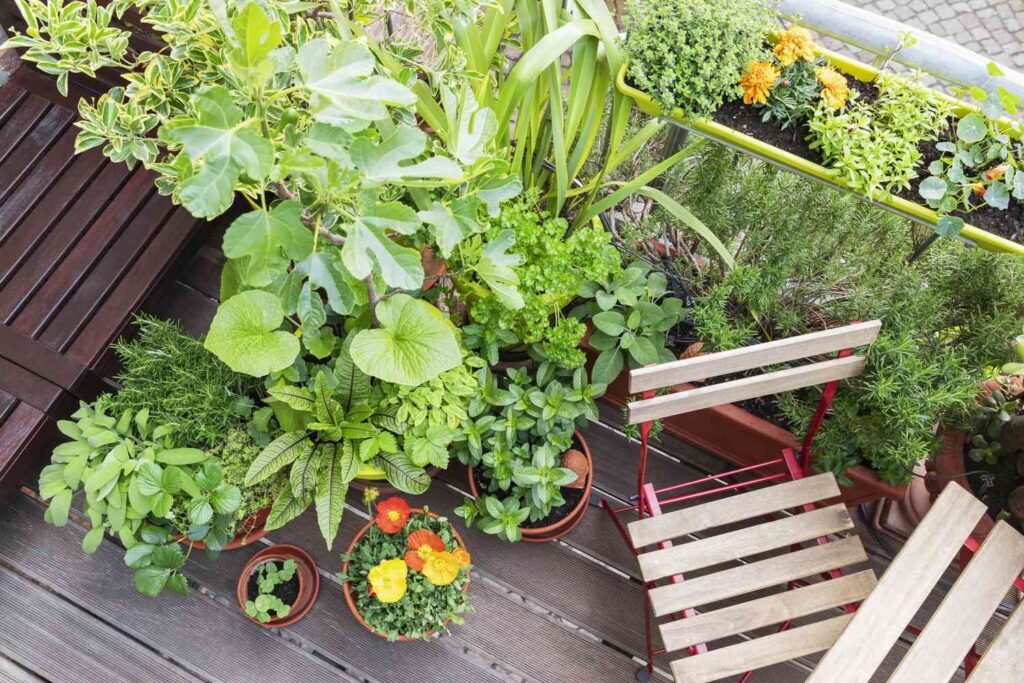
Urban living often limits access to open garden spaces, making it challenging for plant-based enthusiasts to grow fresh fruits at home. However, balcony gardening provides an innovative solution, allowing gardeners to cultivate a mini orchard even in small apartments. A balcony orchard combines aesthetics with functionality, providing fresh fruits, enhancing air quality, and promoting sustainability. This article offers a comprehensive guide on creating a mini orchard on a balcony, covering plant selection, container gardening, care techniques, harvesting, and sustainable practices for a plant-based lifestyle.
Benefits of a Balcony Mini Orchard
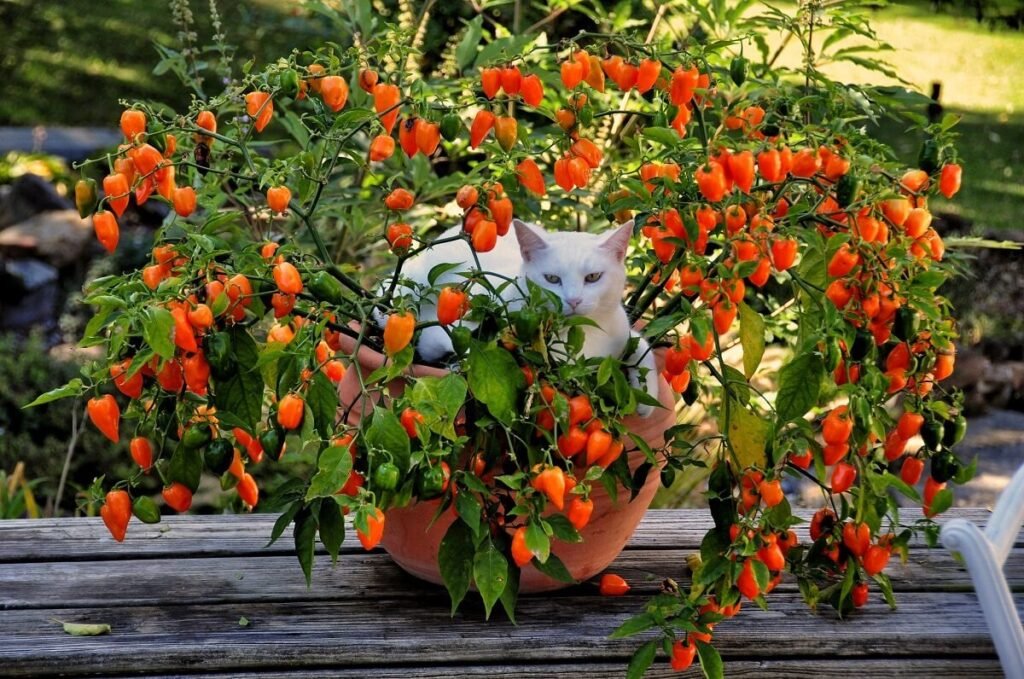
- Fresh Produce: Access to organic, plant-based fruits year-round.
- Space Efficiency: Vertical and container gardening maximizes limited balcony space.
- Environmental Benefits: Plants improve air quality, reduce carbon footprint, and attract beneficial insects.
- Aesthetic Appeal: A mini orchard enhances visual appeal with greenery, blossoms, and fruits.
- Cost-Effective: Growing your own fruits reduces grocery expenses and packaging waste.
Balcony orchards combine the practical benefits of fresh produce with the wellness and decorative advantages of indoor/outdoor greenery.
Choosing Suitable Fruit Trees and Plants
Selecting plants that thrive in containers and limited spaces is essential for a successful balcony orchard. Ideal options include dwarf or miniature fruit trees, which produce abundant fruits without requiring deep soil or extensive space.
- Citrus Trees: Dwarf varieties of lemon, lime, mandarin, and calamondin thrive in pots and produce flavorful fruit.
- Figs: Compact fig varieties grow well in containers and produce sweet, nutrient-rich fruit.
- Apples: Dwarf apple trees adapt well to container growth and provide crisp fruits.
- Pomegranates: Dwarf pomegranate trees are hardy, drought-tolerant, and fruit reliably.
- Berries: Strawberries, blueberries, and raspberries flourish in pots or hanging baskets.
- Olives: Miniature olive trees are suitable for sunny balconies and offer long-term fruit production.
- Avocados: Dwarf avocado trees can grow in large containers with careful pruning and care.
Selecting dwarf or container-friendly varieties ensures manageable growth while maximizing fruit yield.
Selecting Containers and Soil
Containers and soil quality are critical for successful balcony orchards:
1. Containers
- Size: Choose pots at least 40–50 cm in diameter for dwarf fruit trees; smaller pots suffice for berries.
- Material: Terracotta, ceramic, or high-quality plastic containers provide stability and prevent excessive heat absorption.
- Drainage: Ensure pots have drainage holes to avoid waterlogging and root rot.
- Mobility: Lightweight containers with wheels allow repositioning for sunlight or weather protection.
2. Soil
- Potting Mix: Use a high-quality, well-draining potting mix enriched with compost or organic fertilizers.
- pH Requirements: Most fruits thrive in slightly acidic to neutral soil (pH 6–7).
- Aeration: Mix in perlite or vermiculite to improve aeration and prevent compaction.
Proper containers and soil ensure root health and optimal fruit production in a limited balcony environment.
Planting Techniques
- Preparing the Container: Fill the container with a layer of gravel for drainage, followed by potting soil.
- Planting Fruit Trees: Gently remove the plant from its nursery pot, loosen roots, and position the tree in the center of the container. Backfill with soil, firm gently, and water thoroughly.
- Planting Berries: Position multiple plants in a slightly larger container to maximize yield, ensuring sufficient spacing for air circulation.
- Planting Citrus or Figs: Follow the same method as fruit trees, with attention to container depth for root growth.
Planting with care ensures healthy root systems and robust growth for balcony fruit trees and plants.
Light and Temperature Requirements
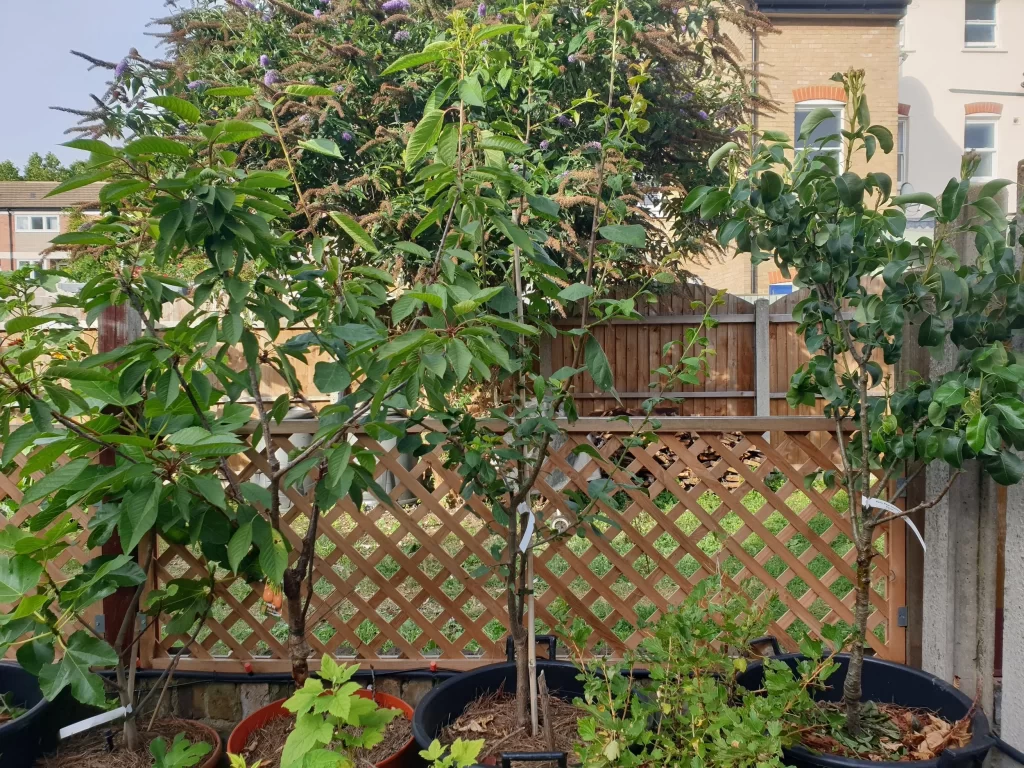
Balcony orchards thrive when plants receive proper light and temperature:
- Sunlight: Most fruiting plants require 6–8 hours of direct sunlight daily.
- Grow Lights: Supplemental grow lights are beneficial for balconies with limited sun exposure or during winter months.
- Temperature: Maintain optimal temperatures depending on plant type—citrus and tropical fruits need warmth, while berries and apples tolerate cooler conditions.
- Rotation: Turn containers periodically to ensure even light distribution and prevent uneven growth.
Adequate sunlight and temperature management support photosynthesis and promote flowering and fruiting.
Watering and Fertilization
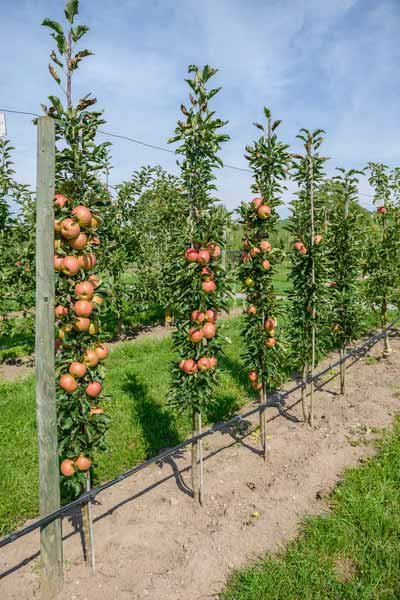
Regular watering and nutrient management are critical for container-grown fruits:
- Watering Frequency: Check soil moisture daily; water when the top 2–3 cm is dry. Avoid waterlogging.
- Method: Water at the base to encourage deep root growth; use watering cans or drip systems for efficiency.
- Fertilization: Apply organic, plant-based fertilizers such as compost tea, seaweed extract, or balanced NPK fertilizers every 2–4 weeks.
- Mulching: Add organic mulch to retain moisture and regulate soil temperature.
Proper watering and nutrition ensure strong growth, flowering, and fruit production.
Pruning and Training
Pruning and training maintain plant size, shape, and productivity in confined balcony spaces:
- Pruning: Trim excessive branches to control size and improve light penetration. Remove dead or diseased foliage.
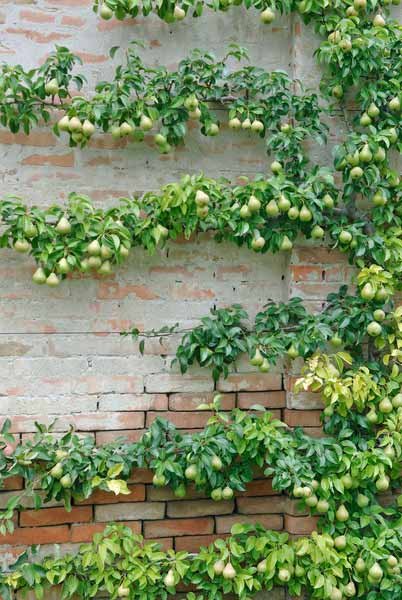
- Training: Use stakes, trellises, or wires for support, especially for vining fruits like berries or espaliered apples.
- Timing: Prune during dormant seasons or after fruiting to encourage new growth.
Pruning enhances air circulation, reduces disease risk, and promotes higher fruit yield.
Pollination Techniques
Many fruits require pollination for fruit set:
- Natural Pollination: Encourage pollinators by placing balcony plants near flowering plants or using potted flowers as attractants.
- Hand Pollination: Use a soft brush or cotton swab to transfer pollen from flower to flower.
- Wind Pollination: For self-pollinating fruits, gently shake flowers to facilitate pollen transfer.
Effective pollination improves fruit formation and ensures consistent harvests.
Pest and Disease Management
Balcony orchards can face pests and diseases, even in controlled environments:
- Common Pests: Aphids, spider mites, whiteflies, and fruit flies.
- Plant-Based Solutions: Neem oil, garlic-chili sprays, or companion planting with pest-deterring herbs.
- Preventive Practices: Maintain clean containers, proper spacing, and adequate airflow.
- Monitoring: Inspect plants regularly for signs of infestation or disease.
Sustainable, plant-based pest management ensures healthy plants without chemicals.
Harvesting Balcony Fruits
Proper harvesting ensures optimal flavor, nutrition, and plant health:
- Timing: Harvest fruits when fully ripe, typically indicated by color, size, and texture.
- Method: Use clean hands or scissors to gently remove fruits, avoiding damage to branches.
- Continuous Harvesting: Some fruits, like strawberries or citrus, produce over extended periods; harvest regularly to encourage new growth.
- Storage: Refrigerate perishable fruits, or use sustainable preservation techniques such as freezing or dehydration.
Regular harvesting maximizes yield and maintains plant productivity.
Sustainable Practices for Balcony Orchards
- Composting: Reuse fruit peels and plant trimmings to create nutrient-rich compost.
- Water Conservation: Collect rainwater or use drip irrigation to reduce water consumption.
- Organic Fertilizers: Avoid chemical fertilizers; use plant-based options to maintain soil health.
- Container Reuse: Repurpose containers and supports to reduce waste.
- Seed Saving: Collect seeds from mature fruits for future planting, promoting a self-sustaining system.
Sustainable practices support long-term growth, minimize environmental impact, and encourage plant-based living.
Culinary Applications of Balcony Fruits
Balcony-grown fruits enhance plant-based meals with freshness and nutrition:
- Citrus Fruits: Use lemon or lime for dressings, beverages, or marinades.
- Berries: Add to smoothies, salads, desserts, or breakfast bowls.
- Apples and Pomegranates: Consume fresh or incorporate into plant-based baked goods and sauces.
- Figs and Olives: Enjoy fresh or use in savory and sweet recipes.
- Avocados: Enhance salads, spreads, or plant-based meals with creamy texture.
Fresh, homegrown fruits elevate both flavor and nutrition in plant-based cooking.
Conclusion
Creating a mini orchard on a balcony is an innovative, space-efficient, and sustainable way to cultivate fresh fruits in urban environments. Selecting container-friendly fruit trees and plants such as dwarf citrus, figs, apples, pomegranates, berries, olives, and avocados ensures manageable growth and high yield. Proper containers, soil, sunlight, watering, fertilization, pruning, and pollination techniques are essential for healthy plants and abundant fruit. Implementing sustainable practices, including composting, water conservation, and organic fertilization, maximizes productivity while reducing environmental impact. A balcony orchard not only provides fresh, plant-based produce year-round but also enhances aesthetic appeal, promotes wellness, and fosters sustainable urban gardening practices.