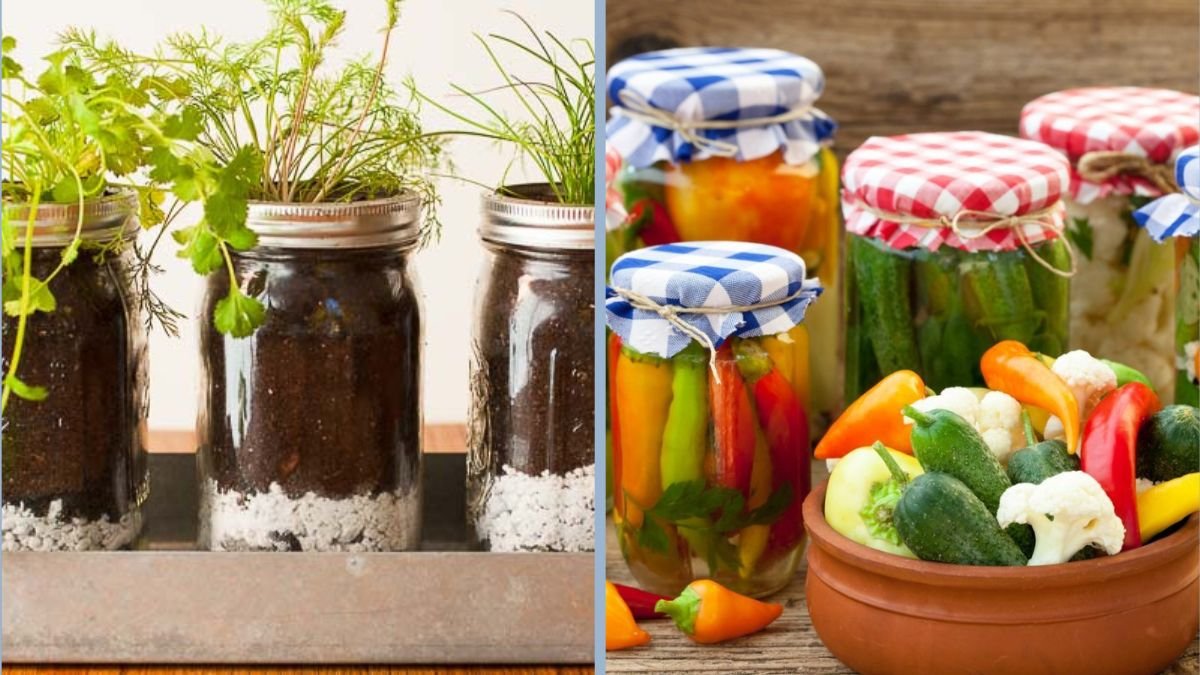
Urban gardening and indoor cultivation have become increasingly popular among plant-based enthusiasts seeking fresh, sustainable produce. Growing vegetables in Mason jars is an innovative, space-efficient solution for small kitchens, apartments, and areas with limited outdoor space. This method allows gardeners to cultivate fresh vegetables year-round, promotes self-sufficiency, and reduces reliance on store-bought produce. Mason jars provide a controlled environment for soil, water, and root growth, while their transparency allows for observation of root development. This article explores practical strategies to grow vegetables in Mason jars, covering selection, planting, care, and sustainable practices for optimal yield.
Benefits of Growing Vegetables in Mason Jars
- Space Efficiency: Ideal for windowsills, countertops, or shelves in small living spaces.
- Year-Round Production: Indoor cultivation enables continuous growth regardless of season.
- Visual Appeal: Mason jars serve as decorative, green elements in kitchens and living spaces.
- Cost-Effective: Seeds and jars are affordable, and the method allows for easy propagation.
- Sustainable: Reduces reliance on store-bought vegetables, minimizes plastic waste, and supports eco-friendly gardening practices.
This combination of practicality and aesthetics makes Mason jar gardening highly suitable for urban plant-based lifestyles.
Selecting Vegetables for Mason Jars
Not all vegetables thrive in confined spaces. The ideal vegetables for Mason jar cultivation are compact, quick-growing, and low-maintenance:
- Leafy Greens: Lettuce, spinach, kale, and arugula grow quickly and can be harvested continuously.
- Herbs: Basil, parsley, cilantro, chives, and dill complement vegetables and thrive in small containers.
- Root Vegetables: Radishes, green onions, and baby carrots grow well in deep jars.
- Microgreens: Broccoli, sunflower, and mustard microgreens germinate quickly and provide nutrient-rich shoots.
- Peas and Beans: Small bush varieties of peas or beans can be grown with vertical support.
Selecting suitable vegetables ensures healthy growth and manageable maintenance in Mason jars.
Preparing Mason Jars for Vegetable Growth
Proper preparation is critical to prevent root rot and support healthy plant development:
1. Jar Selection
- Size: Use jars at least 12–15 cm deep for leafy greens; deeper jars (20–25 cm) for root vegetables.
- Material: Glass jars are ideal for observing root growth; ceramic or opaque jars may be used if light exposure to roots is a concern.
2. Drainage Considerations
- Since Mason jars lack natural drainage, create a drainage layer at the bottom using small stones, gravel, or coarse sand.
- Alternatively, use a mesh layer to separate soil from stones.
- Avoid waterlogging to maintain healthy roots.
3. Soil Preparation
- Use a light, well-draining potting mix enriched with plant-based compost.
- Mix in organic perlite or vermiculite to improve aeration and prevent compaction.
- Maintain pH between 6.0–7.0 for most vegetables.
Planting Vegetables in Mason Jars
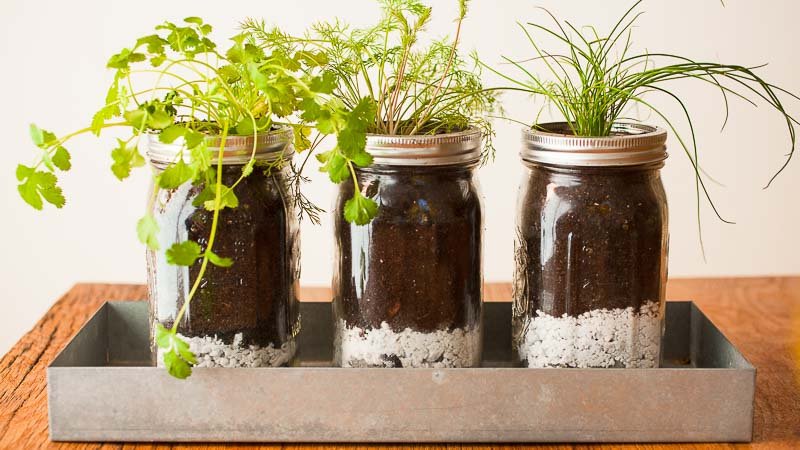
Vegetables can be grown from seeds, seedlings, or cuttings:
1. From Seeds
- Fill the jar with prepared soil, leaving 2–3 cm of space at the top.
- Sow seeds according to depth recommendations on the packet.
- Water gently using a spray bottle to avoid displacing seeds.
- Cover the jar with a clear lid or plastic wrap to maintain humidity until germination.
2. From Seedlings
- Gently remove seedlings from their original pots.
- Create a hole in the soil within the jar and place the roots carefully.
- Firm soil around the base and water lightly.
- Provide adequate sunlight or supplemental grow lights for strong growth.
Light and Temperature Requirements
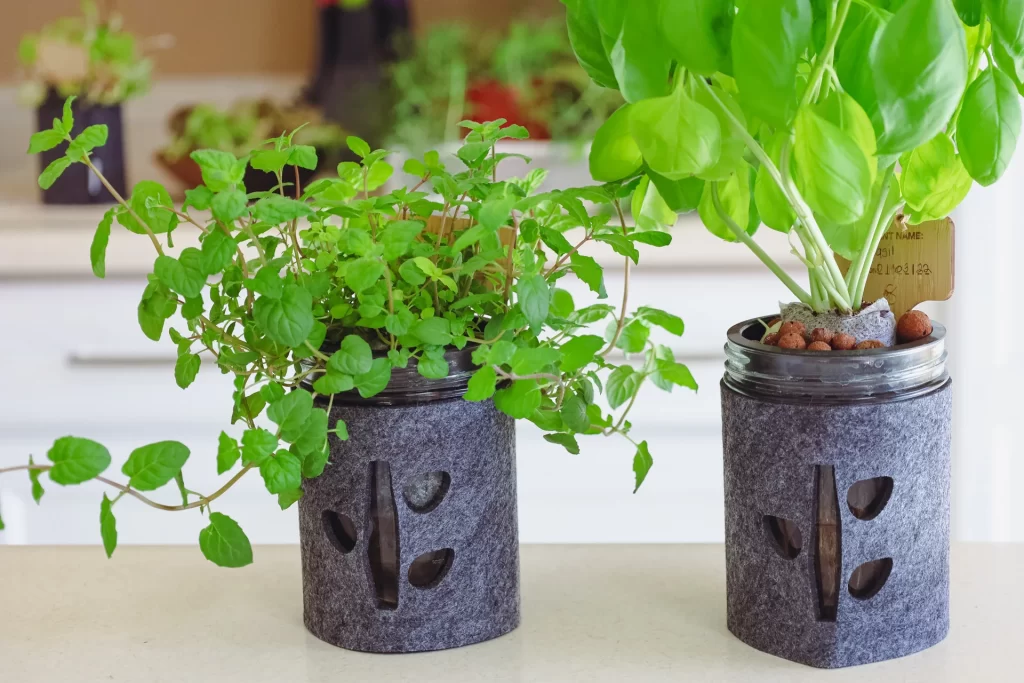
Vegetables grown in Mason jars require proper light and temperature:
- Sunlight: Leafy greens need 4–6 hours of indirect sunlight, while herbs and some vegetables may require 6–8 hours.
- Grow Lights: LED or fluorescent lights supplement natural light, especially in winter or low-light indoor spaces.
- Temperature: Maintain 18–25°C for most vegetables.
- Rotation: Rotate jars periodically to ensure even light exposure and balanced growth.
Watering and Maintenance
Proper watering is crucial due to the small soil volume in Mason jars:
- Frequency: Check soil moisture daily; water when the top 1–2 cm feels dry.
- Method: Water at the base with a small watering can or spray bottle.
- Avoid Overwatering: Excess water can lead to root rot and fungal growth.
- Pruning and Harvesting: Pinch leaves of leafy vegetables to encourage bushy growth. Trim herbs regularly to maintain productivity.
Fertilize occasionally using plant-based liquid fertilizers or compost tea to provide essential nutrients.
Harvesting Vegetables from Mason Jars
Harvesting promotes healthy regrowth and ensures continuous productivity:
- Leafy Greens and Herbs: Harvest outer leaves first; avoid removing more than one-third at a time.
- Root Vegetables: Harvest radishes, carrots, and green onions when they reach edible size.
- Microgreens: Cut shoots just above soil level once they reach 5–10 cm.
- Timing: Harvest early in the day for optimal flavor and nutritional content.
Regular harvesting maintains plant health and prolongs productivity.
Pest Management in Mason Jars
Even indoor vegetables may face minor pest challenges:
- Common Pests: Aphids, spider mites, and fungus gnats.
- Plant-Based Solutions: Use neem oil sprays, garlic-chili solutions, or introduce companion plants like basil to deter pests.
- Preventive Practices: Ensure proper airflow, avoid overwatering, and maintain clean jars to minimize infestation risk.
Sustainable pest management maintains healthy, productive plants without chemical pesticides.
Storage and Preservation of Harvested Vegetables
Proper storage preserves freshness, flavor, and nutrients:
- Leafy Greens: Wrap in damp paper towels and refrigerate; lasts 5–7 days.
- Herbs: Store in jars with water or freeze chopped leaves in ice cube trays with water or plant-based oil.
- Root Vegetables: Store in cool, dark places or refrigerate depending on vegetable type.
- Microgreens: Use fresh or refrigerate briefly; best consumed within 3–5 days.
Proper storage ensures that vegetables maintain flavor and nutritional value after harvesting.
Sustainable Practices for Mason Jar Gardening
- Organic Soil: Use plant-based compost and fertilizers to reduce chemical input.
- Water Conservation: Moderate watering and self-watering jars conserve water.
- Continuous Harvesting: Rotate leaf, herb, and root harvesting to ensure year-round availability.
- Composting: Use vegetable trimmings to make compost or teas for future plant nourishment.
- Reusing Jars: Repurpose jars to reduce waste and promote environmental sustainability.
Sustainable practices maximize yield and minimize environmental impact.
Troubleshooting Common Challenges
- Leggy Growth: Increase light exposure and rotate jars regularly.
- Yellowing Leaves: May indicate overwatering or nutrient deficiency; adjust watering and fertilize appropriately.
- Root Binding: Transplant to larger jars as plants outgrow containers.
- Pests or Mold: Maintain airflow, avoid excessive humidity, and use plant-based pest control.
Proactive management ensures healthy, productive vegetables.
Culinary Applications of Mason Jar Vegetables
Vegetables grown in Mason jars enhance plant-based meals:
- Salads: Fresh leafy greens and herbs add flavor, color, and nutrition.
- Soups and Stews: Incorporate fresh vegetables for vibrant taste and texture.
- Herbal Teas: Herbs like mint and basil can be steeped in hot water for refreshing teas.
- Garnishes: Fresh microgreens or herbs elevate the presentation and flavor of dishes.
- Smoothies: Leafy greens like spinach or kale can be blended for nutrient-dense plant-based drinks.
Conclusion
Growing vegetables in Mason jars is an innovative, space-efficient, and sustainable solution for urban and indoor gardeners. Leafy greens, herbs, root vegetables, and microgreens thrive in jars when provided with appropriate soil, light, water, and care. Frequent harvesting, mindful pruning, and plant-based pest management maintain healthy growth and continuous production. Storage techniques such as refrigeration, freezing, and composting ensure that harvested vegetables retain their flavor, aroma, and nutritional content. By combining practical gardening methods with sustainable practices, Mason jar gardening allows gardeners to enjoy fresh, plant-based produce year-round, transforming small kitchen spaces into productive, green environments.