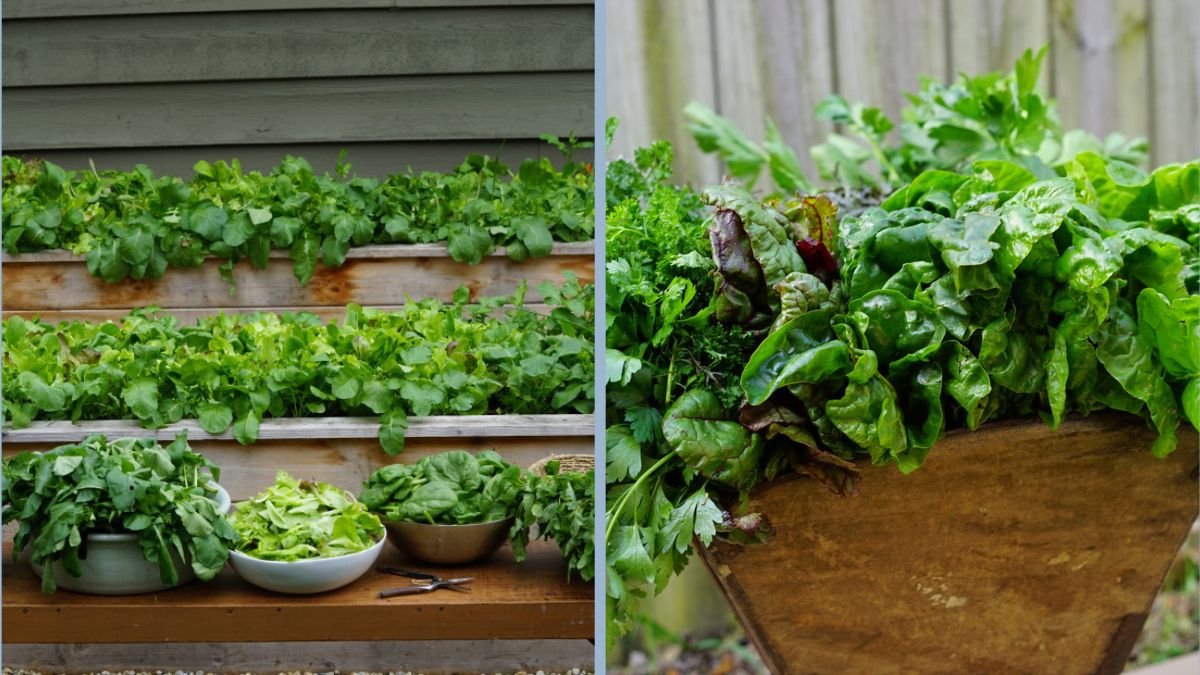
A kitchen garden is a valuable resource for plant-based living, providing fresh, nutrient-rich vegetables, herbs, and greens at home. By transforming a kitchen garden into a personalized salad bar, home gardeners can enjoy continuous access to fresh ingredients, reduce food waste, and enhance the flavor and nutrition of meals. A salad bar-style garden emphasizes variety, accessibility, and convenience, allowing for the creation of vibrant, healthy salads directly from your own garden. This article provides a comprehensive guide to turning a kitchen garden into a functional, plant-based salad bar, detailing plant selection, layout, care, harvesting, and culinary applications.
Benefits of a Kitchen Garden Salad Bar
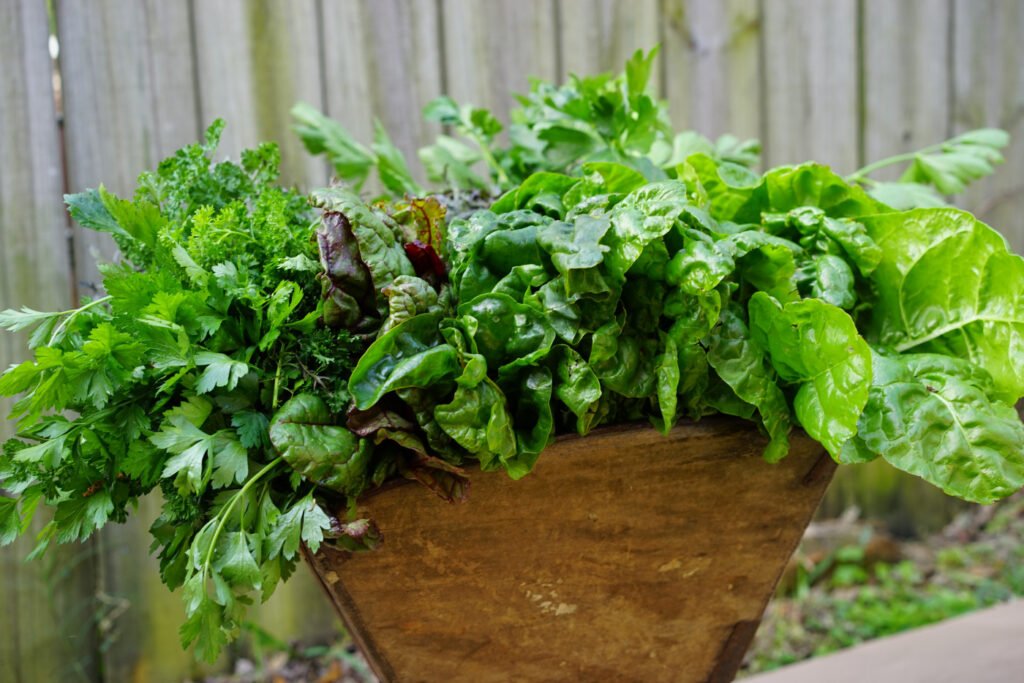
- Freshness: Picking vegetables and herbs directly from your garden ensures maximum flavor and nutrient retention.
- Variety: Growing multiple types of greens, vegetables, and herbs allows for diverse salad options.
- Convenience: A salad bar-style arrangement makes ingredients easily accessible for daily meals.
- Sustainability: Reduces dependency on store-bought produce and minimizes food packaging waste.
- Aesthetic Appeal: A well-organized garden with colorful greens enhances kitchen or balcony spaces.
A kitchen garden salad bar combines practicality, nutrition, and aesthetics, promoting a plant-based lifestyle.
Selecting Plants for a Salad Bar Garden
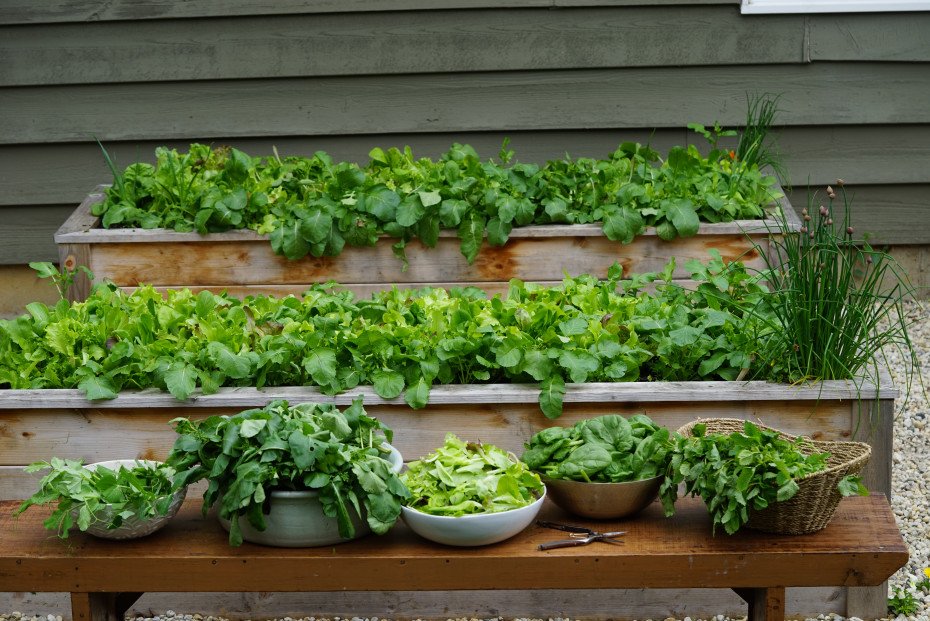
The success of a kitchen salad bar depends on selecting vegetables and herbs that are versatile, fast-growing, and compatible with your growing space. Ideal plants include:
- Leafy Greens:
- Lettuce, spinach, arugula, kale, and Swiss chard.
- Fast-growing and suitable for continuous harvesting through cut-and-come-again methods.
- Herbs:
- Basil, cilantro, parsley, dill, mint, chives, and oregano.
- Enhance flavor, aroma, and nutritional value of salads.
- Vegetables:
- Radishes, cucumbers, bell peppers, cherry tomatoes, and carrots.
- Provide texture, color, and crunch.
- Microgreens:
- Broccoli, mustard, sunflower, and beet microgreens.
- Nutrient-dense and quick-growing for immediate salad garnishing.
Choosing diverse plants ensures a salad bar that is visually appealing and nutritionally balanced.
Garden Layout and Container Design
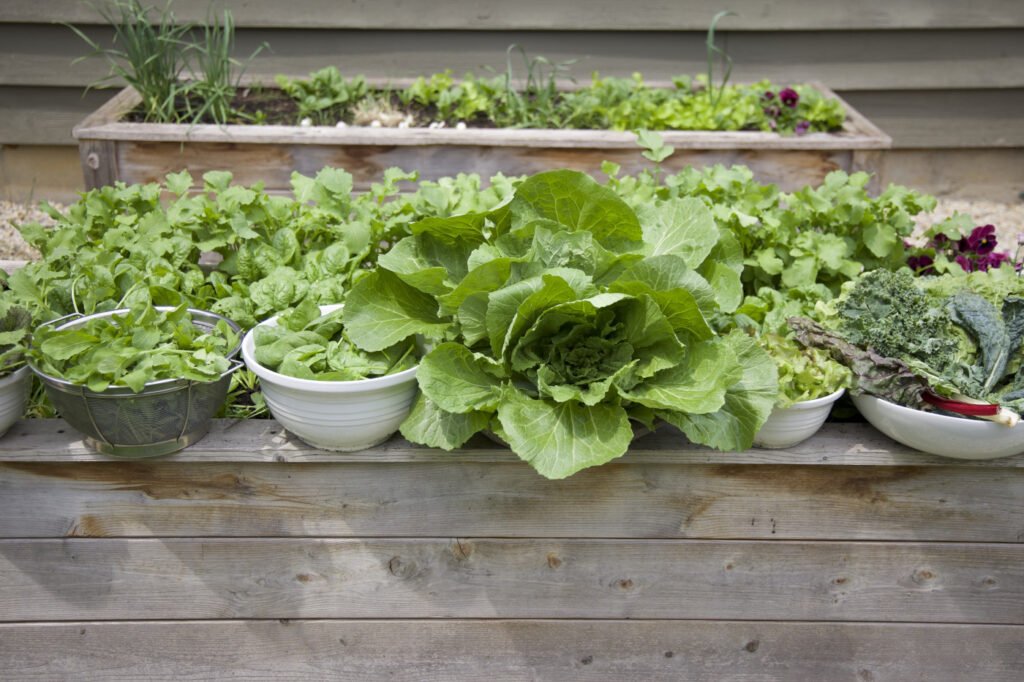
Creating a functional salad bar requires careful planning of layout and containers:
1. Raised Beds or Large Containers
- Ideal for larger spaces, raised beds allow for easy rotation and multiple crop planting.
- Provide sufficient depth for root vegetables and leafy greens.
2. Tiered Shelves or Vertical Gardens
- Optimize small kitchens or balconies by using vertical space.
- Hang herbs in pockets or pots on walls, while leafy greens occupy lower shelves.
3. Individual Pots and Planters
- Assign each plant to a separate container for easy harvesting and maintenance.
- Allows customization of soil requirements for specific vegetables or herbs.
4. Accessibility Considerations
- Arrange plants according to harvest frequency—frequently used greens in front or at eye level.
- Use labeled containers or color-coded markers for ease of identification.
A well-thought-out layout ensures a productive and user-friendly salad bar.
Soil and Fertilization
Healthy soil is crucial for vibrant, flavorful produce:
- Soil Type: Use a light, well-draining potting mix enriched with compost.
- Aeration: Add perlite or vermiculite to improve drainage and prevent soil compaction.
- Fertilization: Apply plant-based liquid fertilizers or compost tea every 2–4 weeks.
- pH Level: Maintain slightly acidic to neutral soil (pH 6.0–7.0) for optimal nutrient absorption.
Nutrient-rich soil supports rapid growth, vibrant leaves, and flavorful vegetables.
Lighting Requirements
Adequate lighting is essential for indoor or balcony salad bars:
- Natural Light: Position the garden near south-facing windows for 4–6 hours of sunlight daily.
- Supplemental Lighting: Use full-spectrum LED or fluorescent lights for low-light indoor spaces.
- Light Intensity: Leafy greens thrive under moderate light; fruiting vegetables may require higher intensity.
- Rotation: Rotate containers periodically to ensure even light exposure and prevent leggy growth.
Proper lighting ensures continuous growth and maintains the flavor and texture of salad ingredients.
Watering and Irrigation
Consistent moisture promotes healthy, crisp vegetables:
- Watering Frequency: Leafy greens require regular watering; check the top 1–2 cm of soil for dryness.
- Method: Water at the base to prevent fungal growth on leaves.
- Self-Watering Systems: Ideal for busy kitchens; maintain consistent moisture levels.
- Mulching: Use organic mulch to retain soil moisture and regulate temperature.
Proper watering supports lush, tender leaves and prevents wilting or bitterness.
Harvesting Techniques
Frequent, careful harvesting is key to maintaining a productive salad bar:
- Leafy Greens: Use cut-and-come-again harvesting—snip outer leaves while leaving the center intact.
- Herbs: Pinch or trim stems regularly to encourage bushy growth.
- Vegetables: Harvest radishes, cherry tomatoes, and cucumbers when they reach edible size.
- Microgreens: Harvest when seedlings reach 5–10 cm tall, usually within 7–14 days.
Regular harvesting prolongs plant life, encourages regeneration, and ensures a continuous supply of fresh ingredients.
Pest Management
Even indoor salad bars can attract pests:
- Common Pests: Aphids, spider mites, and whiteflies.
- Plant-Based Solutions: Neem oil sprays, garlic-chili solutions, or companion planting with pest-deterring herbs.
- Preventive Measures: Ensure good air circulation, avoid overwatering, and maintain clean containers.
Sustainable pest control protects the integrity of your salad bar while avoiding chemical interventions.
Designing Your Salad Bar Experience
A salad bar is not just functional—it should inspire culinary creativity:
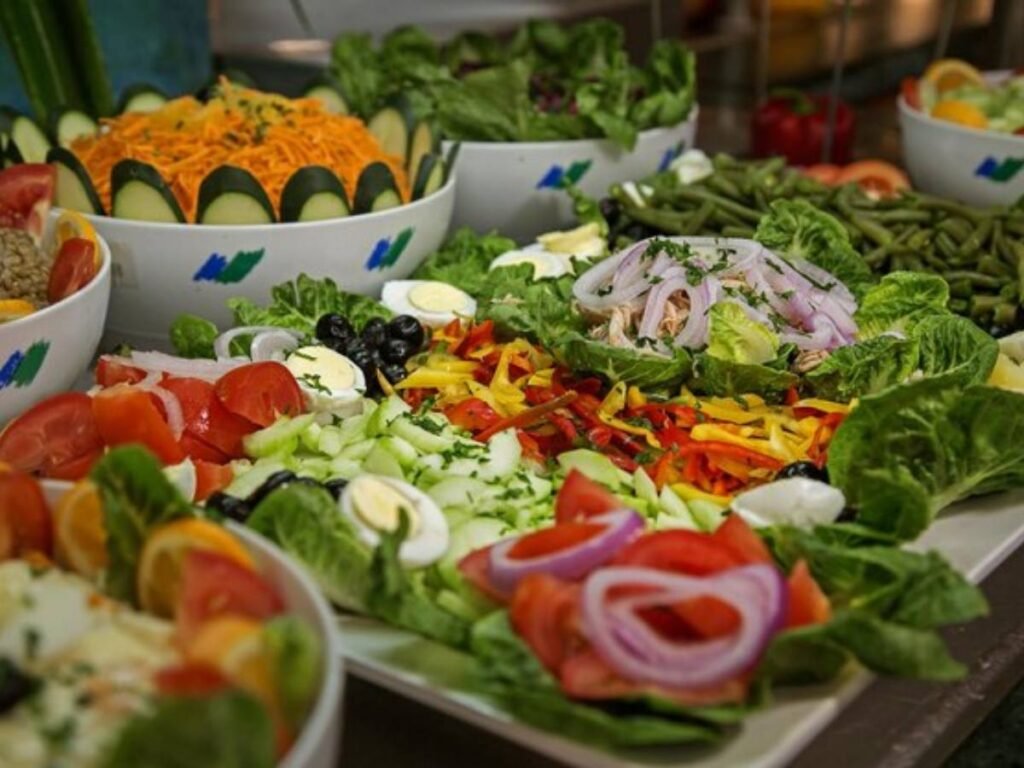
- Variety and Color: Mix greens, reds, purples, and yellows for visual appeal.
- Texture and Flavor: Combine crisp lettuce, spicy arugula, tender spinach, and aromatic herbs.
- Accessibility: Arrange plants at easy-to-reach heights; consider a rotating stand or pull-out shelves.
- Labels and Signage: Name herbs and vegetables to simplify selection and encourage experimentation.
An inviting design encourages regular harvesting and enhances plant-based cooking.
Culinary Applications
A kitchen salad bar enhances plant-based meals in diverse ways:
- Fresh Salads: Combine greens, vegetables, and herbs for daily salads.
- Smoothies: Add spinach, kale, and microgreens to nutrient-rich smoothies.
- Sandwiches and Wraps: Fresh herbs and leafy greens elevate plant-based sandwiches.
- Garnishing: Use microgreens, chives, and cilantro for colorful garnishes.
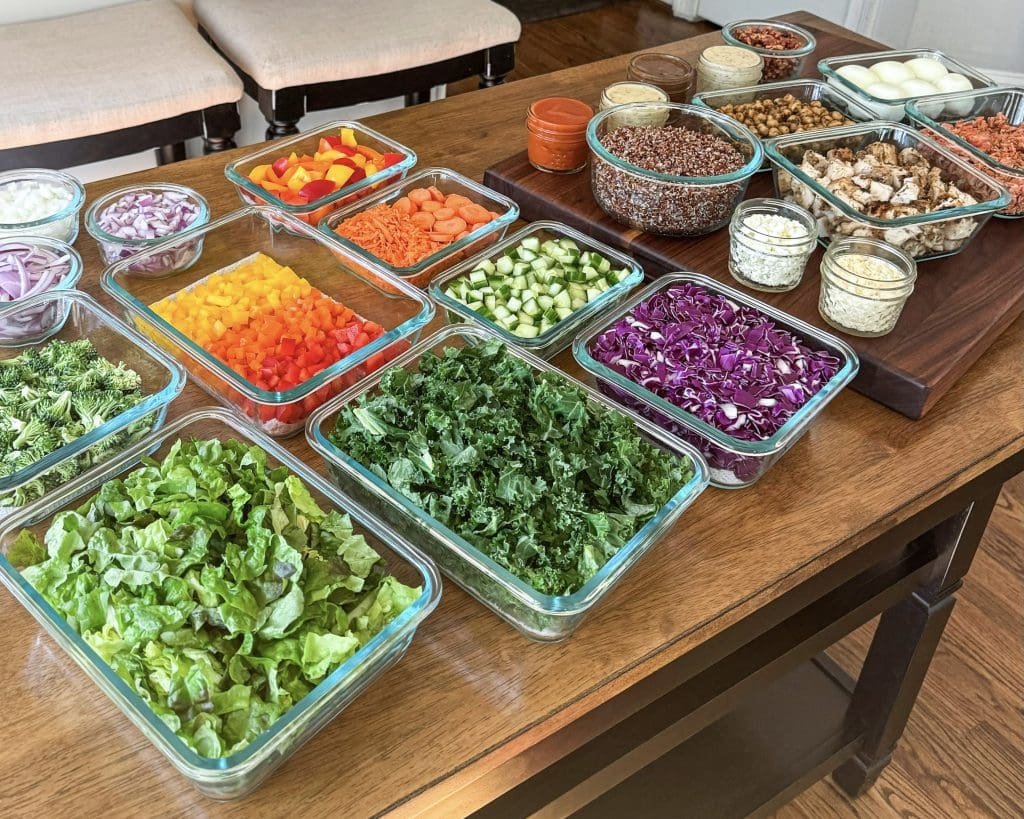
- Meal Prep: Pre-cut ingredients for quick, ready-to-eat salad bowls.
Having a salad bar at home streamlines plant-based meal preparation while maximizing flavor and nutrition.
Sustainable Practices for a Salad Bar Garden
- Composting: Reuse vegetable scraps to create compost for soil enrichment.
- Water Conservation: Implement drip irrigation or collect rainwater for watering.
- Organic Fertilization: Avoid chemical fertilizers; use plant-based or compost teas.
- Seed Saving: Collect seeds from mature plants to grow future crops.
- Minimal Waste: Harvest only what is needed to reduce spoilage.
Sustainable practices reduce environmental impact and promote long-term productivity.
Troubleshooting Common Challenges
- Leggy Plants: Caused by insufficient light; increase intensity or duration.
- Bitter Greens: May result from irregular watering or heat stress; maintain consistent moisture.
- Pest Infestation: Inspect plants regularly and apply plant-based remedies promptly.
- Slow Growth: Evaluate soil nutrients, light exposure, and container size.
Monitoring plants and addressing issues proactively ensures a thriving salad bar.
Conclusion
Turning a kitchen garden into a salad bar transforms fresh vegetables and herbs into a convenient, sustainable, and aesthetically pleasing source of plant-based ingredients. By selecting a variety of leafy greens, herbs, vegetables, and microgreens, arranging them in accessible containers, providing proper light, water, and nutrients, and implementing sustainable practices, home gardeners can enjoy continuous, fresh salads year-round. Careful harvesting, pest management, and thoughtful design enhance both productivity and the culinary experience. A salad bar-style kitchen garden not only elevates plant-based meals but also fosters healthy eating habits, reduces food waste, and promotes environmental sustainability. With minimal space and careful planning, anyone can cultivate a vibrant, productive salad bar right at home.