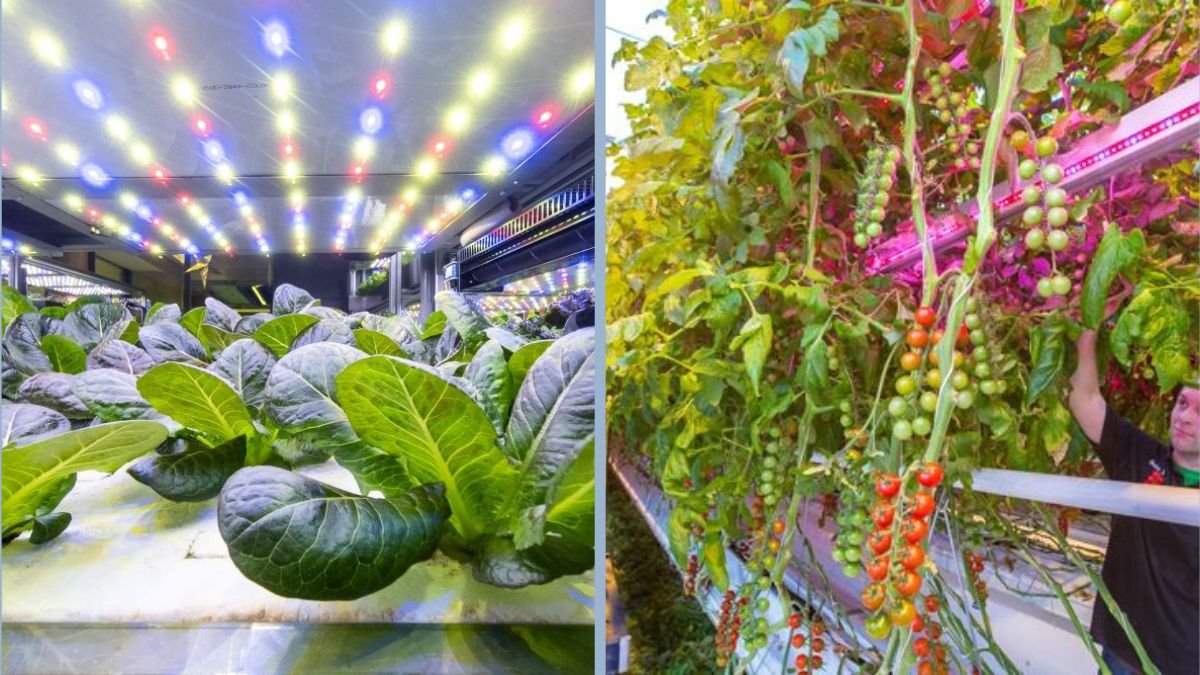
Indoor gardening has become a popular solution for plant-based enthusiasts seeking fresh vegetables year-round, particularly in urban environments where outdoor space is limited. One of the most critical factors for successful indoor cultivation is proper lighting. Vegetables rely on light for photosynthesis, growth, and fruiting. Inadequate lighting can lead to weak, leggy plants, reduced yields, and poor flavor. Understanding the types of indoor lighting, their spectrum, intensity, and placement is essential for optimizing vegetable growth. This article explores the best indoor lighting options for vegetables, providing detailed guidance on light selection, placement, duration, and energy-efficient practices for indoor plant-based gardening.
Importance of Light for Vegetable Growth
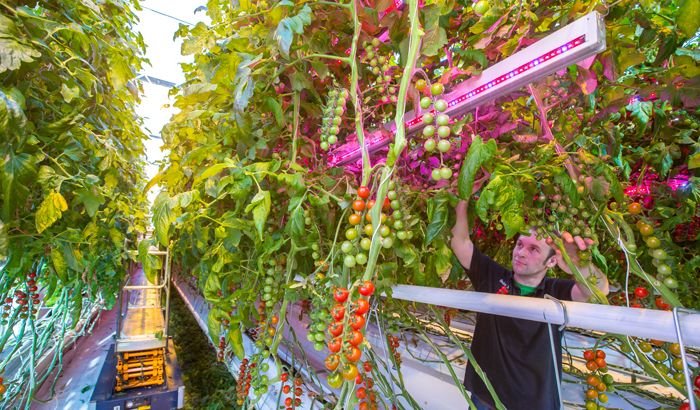
Light is the primary energy source for plants, enabling photosynthesis and supporting development:
- Photosynthesis: Converts light energy into chemical energy for growth.
- Photoperiodism: Regulates flowering, fruiting, and leaf development based on light duration.
- Chlorophyll Production: Light influences chlorophyll synthesis, resulting in vibrant, nutrient-rich leaves.
- Morphology: Adequate light prevents leggy, weak plants and promotes strong stems and roots.
Without sufficient light, indoor vegetables exhibit slow growth, pale foliage, and reduced productivity. Therefore, selecting the right lighting system is critical.
Types of Indoor Lighting for Vegetables
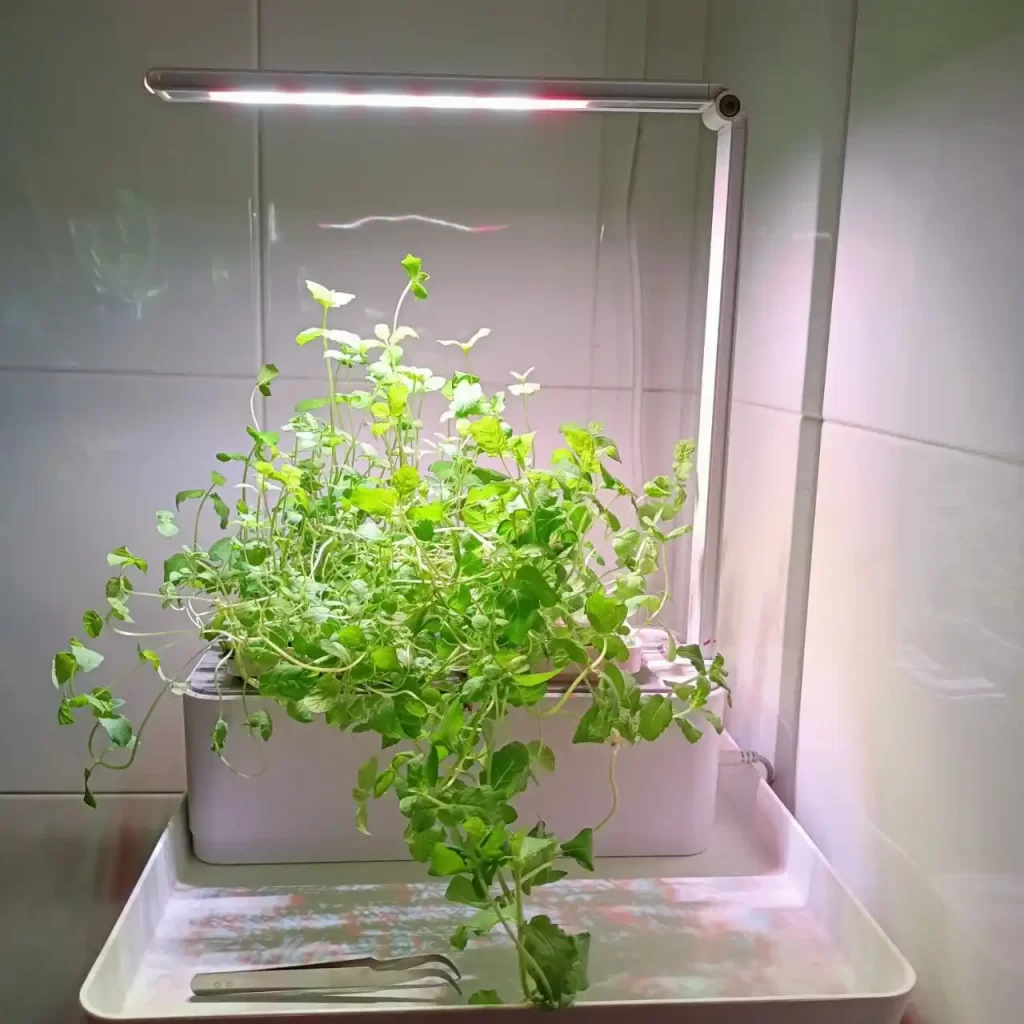
Several types of artificial lighting can be used for indoor vegetable gardening:
1. Fluorescent Lights
- Types: T5, T8, and compact fluorescent lamps (CFLs).
- Advantages:
- Affordable and widely available.
- Produces moderate heat, reducing the risk of burning plants.
- Good for seedlings, leafy greens, and herbs.
- Disadvantages:
- Limited spectrum may not support flowering or fruiting vegetables optimally.
- Requires proximity to plants (15–30 cm).
Fluorescent lights are ideal for small-scale indoor gardens focused on leafy vegetables and herbs.
2. LED Grow Lights
- Types: Full-spectrum LEDs, red-blue LEDs, and adjustable-spectrum LEDs.
- Advantages:
- Energy-efficient and long-lasting.
- Provides full spectrum mimicking sunlight for all growth stages.
- Minimal heat output, allowing close placement to plants.
- Adjustable settings enable tailoring light intensity for seedlings, vegetative growth, and flowering.
- Disadvantages:
- Higher initial investment than fluorescent lights.
- Best Use: Suitable for leafy greens, fruiting vegetables like tomatoes and peppers, and microgreens.
LED grow lights are currently the most effective and versatile lighting system for indoor vegetable cultivation.
3. Incandescent Lights
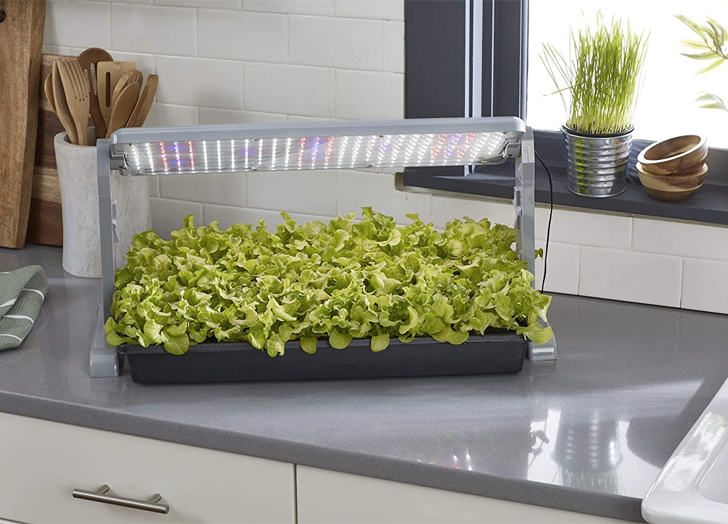
- Advantages: Low initial cost and easy availability.
- Disadvantages:
- Produces excessive heat, which can burn plants.
- Inefficient energy use; limited spectrum for photosynthesis.
- Not recommended for serious vegetable cultivation.
Incandescent lights are generally unsuitable for indoor vegetable gardening due to inefficiency and poor plant support.
4. High-Intensity Discharge (HID) Lights
- Types: Metal halide (MH) and high-pressure sodium (HPS) lamps.
- Advantages:
- Extremely bright and supports large-scale indoor gardens.
- MH lamps promote vegetative growth; HPS lamps encourage flowering and fruiting.
- Disadvantages:
- High energy consumption and heat output.
- Requires ventilation and cooling systems.
HID lights are more suitable for larger indoor setups with robust infrastructure.
Understanding Light Spectrum
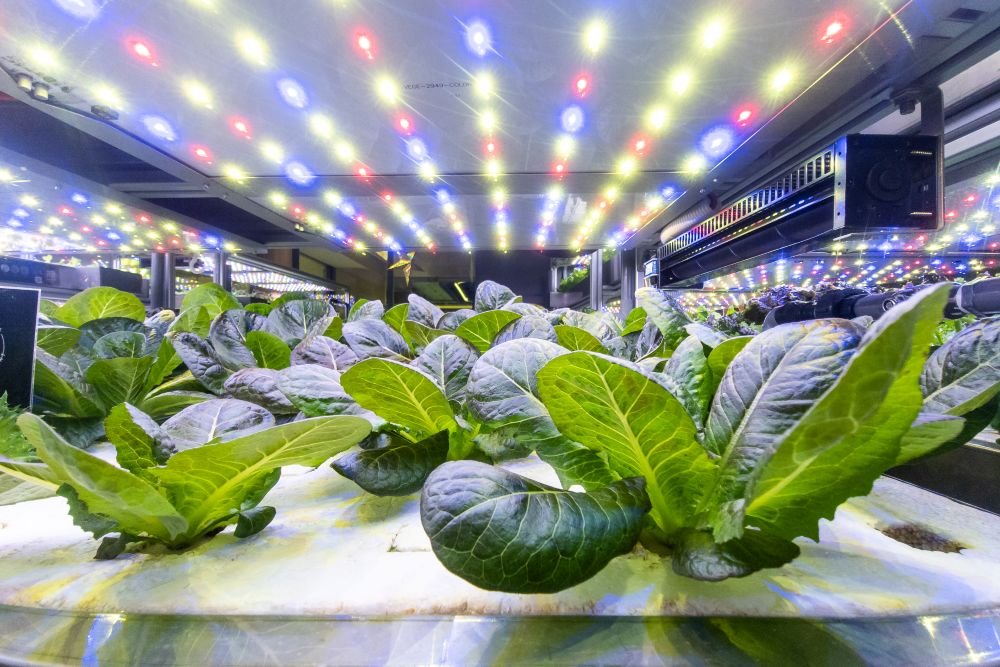
The light spectrum plays a critical role in plant growth:
- Blue Light (400–500 nm): Supports vegetative growth, leaf development, and root formation.
- Red Light (600–700 nm): Encourages flowering and fruiting.
- Green Light (500–600 nm): Penetrates deeper into foliage; enhances photosynthesis indirectly.
- Full-Spectrum Light: Mimics natural sunlight, supporting all growth stages and maximizing vegetable yield.
Vegetables grown indoors benefit most from full-spectrum or combined red-blue LED lighting.
Light Intensity and Placement
Proper intensity and placement ensure effective energy absorption:
- Distance from Plants:
- Fluorescent lights: 15–30 cm from plant canopy.
- LED lights: 20–40 cm depending on wattage and growth stage.
- Light Coverage: Ensure uniform light distribution; multiple light sources may be needed for larger setups.
- Reflective Surfaces: Use reflective walls or materials (e.g., white paint, aluminum foil) to enhance light penetration.
- Height Adjustment: Raise lights as plants grow to prevent leaf burn and maintain optimal intensity.
Effective placement and intensity prevent leggy growth and ensure strong, healthy vegetables.
Photoperiod and Duration
Different vegetables require varying light durations:
- Leafy Greens: 12–16 hours of light per day.
- Fruit-Bearing Vegetables (Tomatoes, Peppers): 14–18 hours per day during vegetative stage; reduce to 10–12 hours during flowering for certain species.
- Seedlings: 14–16 hours to establish strong roots and stems.
- Microgreens: 12–16 hours for optimal color, texture, and nutrient content.
Maintaining a consistent photoperiod with timers ensures predictable growth and avoids plant stress.
Supplemental Practices for Indoor Vegetable Lighting
- Rotate Plants: Rotate containers to ensure uniform light exposure.
- Clean Light Fixtures: Dust reduces light intensity; clean bulbs regularly.
- Monitor Plant Response: Observe leaf color, stem length, and flowering as indicators of light sufficiency.
- Temperature Management: LEDs and fluorescents produce less heat, but small spaces may still require ventilation.
- Energy Efficiency: Use timers and energy-efficient lighting to reduce electricity consumption.
Supplemental practices optimize plant health, conserve energy, and enhance overall yield.
Recommended Vegetables for Indoor Lighting
Certain vegetables thrive under indoor lighting conditions:
- Leafy Greens: Lettuce, spinach, kale, arugula, and Swiss chard.
- Herbs: Basil, parsley, cilantro, mint, dill, and chives.
- Fruit-Bearing Vegetables: Dwarf tomatoes, peppers, and chilies under full-spectrum LEDs.
- Microgreens: Radish, broccoli, mustard, and sunflower microgreens for nutrient-rich shoots.
Selecting appropriate crops ensures maximum success with indoor lighting setups.
Sustainable Practices in Indoor Vegetable Lighting
- LED Lights: Utilize energy-efficient full-spectrum LEDs to minimize electricity consumption.
- Natural Light Integration: Combine supplemental lighting with natural sunlight to reduce energy use.
- Recycling Materials: Use reflective materials, recycled containers, and eco-friendly supports.
- Composting: Reuse plant trimmings to improve soil and reduce waste.
- Timers and Sensors: Automate lighting to provide consistent photoperiods while conserving energy.
Sustainable practices enhance plant health and reduce environmental impact.
Troubleshooting Common Lighting Challenges
- Leggy or Pale Plants: Often caused by insufficient light; increase intensity or duration.
- Leaf Burn: Excessive light or proximity; adjust distance from canopy.
- Slow Growth: Check spectrum, intensity, and photoperiod; supplement with additional red or blue light if needed.
- Uneven Growth: Rotate plants and ensure reflective surfaces distribute light evenly.
Monitoring plant responses ensures adjustments can be made to optimize growth.
Conclusion
Indoor vegetable cultivation relies heavily on effective lighting. Selecting the right type of light—fluorescent, LED, or HID—ensures strong vegetative growth, flowering, and fruiting. Understanding light spectrum, intensity, placement, and duration allows gardeners to replicate natural sunlight conditions, maximizing yield and nutritional quality. Supplemental practices such as plant rotation, reflective surfaces, and energy-efficient solutions further optimize growth while minimizing environmental impact. Leafy greens, herbs, dwarf fruiting vegetables, and microgreens thrive under controlled lighting conditions, offering year-round access to fresh, plant-based produce. By integrating proper lighting strategies with sustainable practices, indoor gardeners can achieve healthy, productive, and visually appealing vegetable gardens in any space.