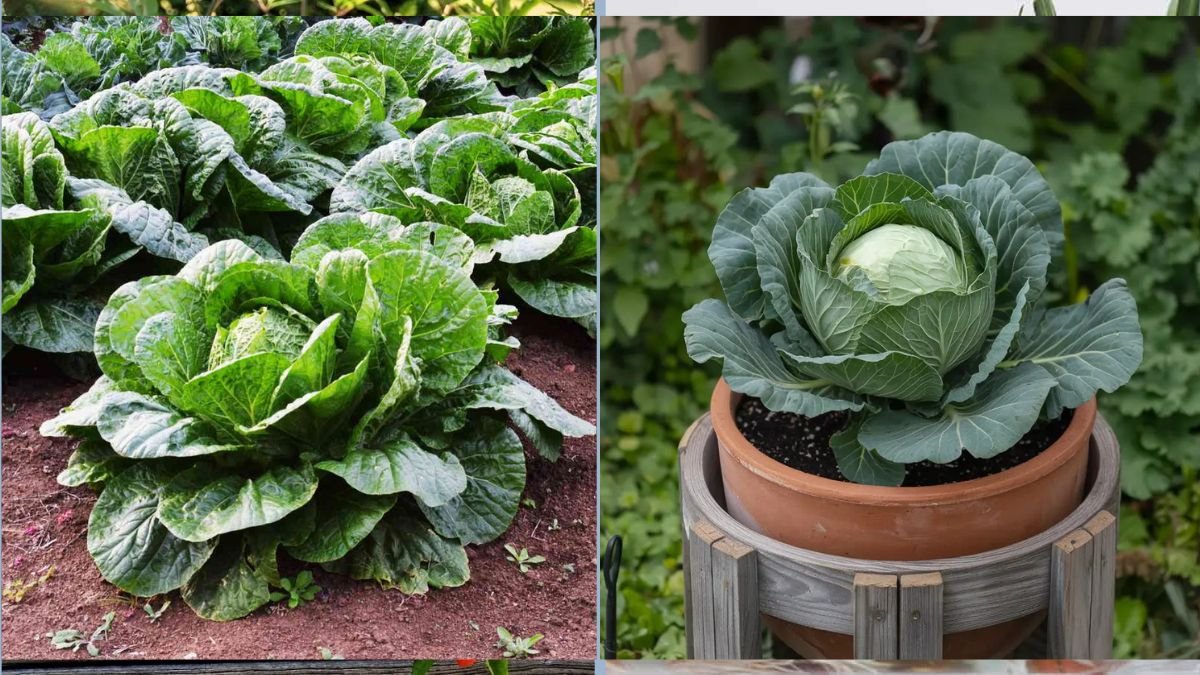
Cabbage (Brassica oleracea var. capitata) is a nutritious, versatile, and hardy leafy vegetable, widely appreciated for its culinary and health benefits. Traditionally grown in garden beds, cabbage can also flourish in container gardens, making it ideal for urban gardeners, apartment balconies, and small outdoor spaces. Container gardening provides an opportunity to grow chemical-free, fresh vegetables without the need for extensive land, while offering the satisfaction of hands-on cultivation. This article explores the comprehensive techniques for growing cabbage in containers, covering variety selection, soil preparation, container choice, planting, care, pest management, and harvesting strategies.
Why Grow Cabbage in Containers?
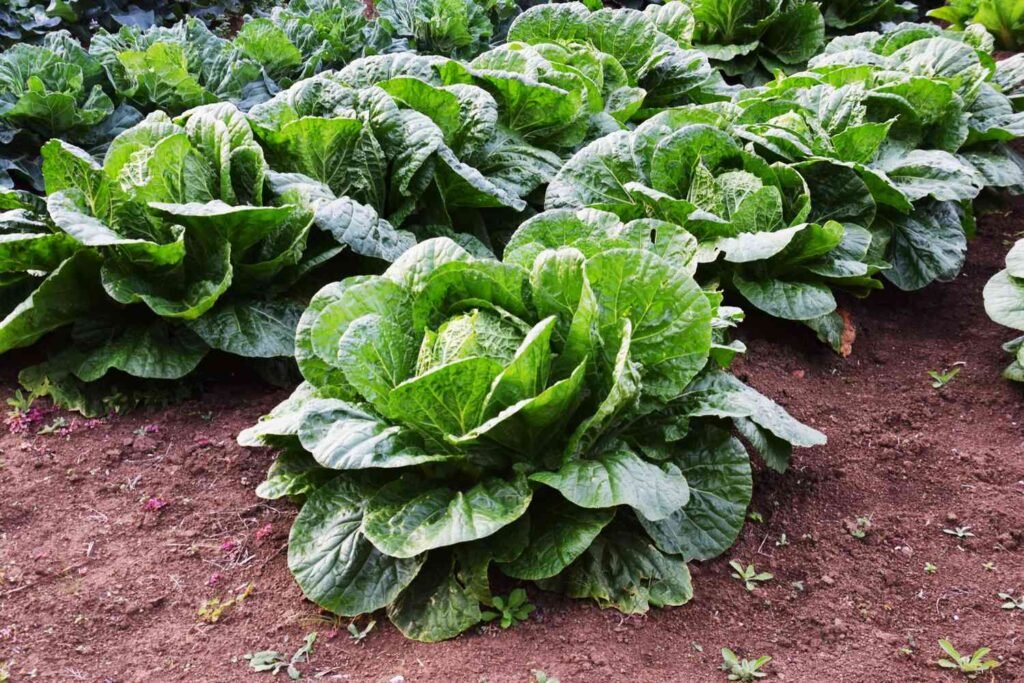
Container gardening for cabbage offers multiple advantages:
- Space Efficiency: Perfect for urban settings or areas with limited outdoor space.
- Soil Control: Container cultivation allows gardeners to control soil quality and fertility precisely.
- Pest and Disease Management: Elevated containers reduce the risk of soil-borne pests and diseases.
- Continuous Supply: By selecting appropriate varieties and planting in succession, gardeners can enjoy fresh cabbage year-round.
- Cost-Effective and Sustainable: Growing cabbage at home reduces reliance on store-bought vegetables and packaging waste.
These benefits make container cabbage cultivation an appealing choice for both beginners and experienced gardeners.
Choosing the Right Cabbage Varieties
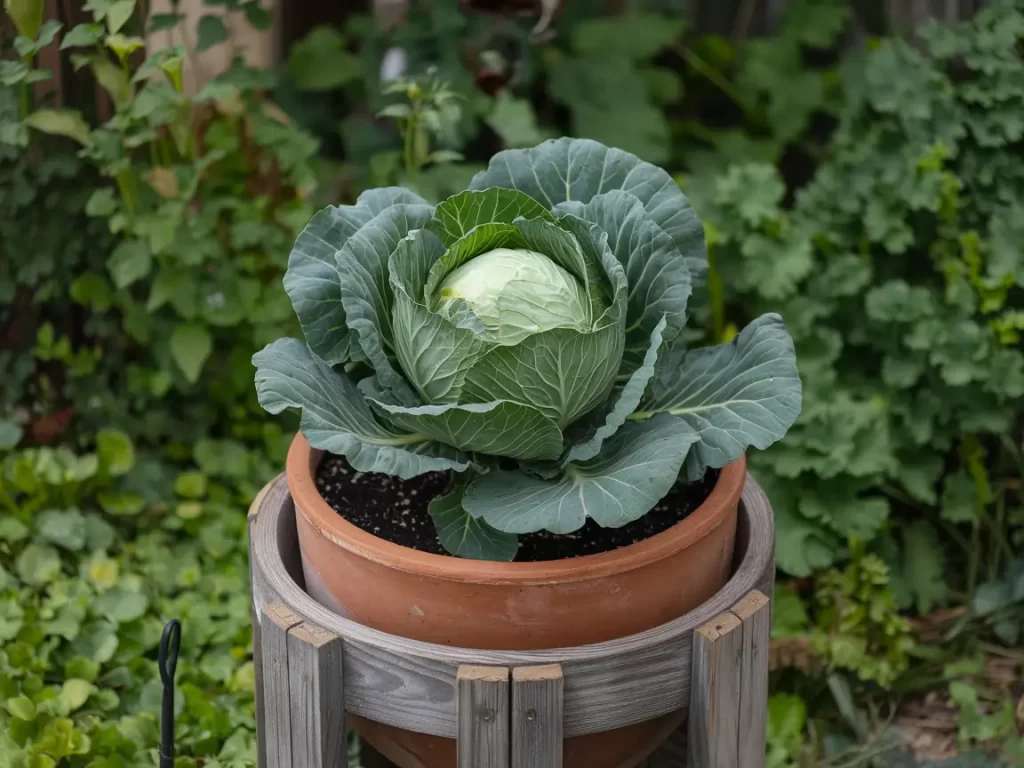
Selecting suitable cabbage varieties is critical for container success:
- Compact or Dwarf Varieties: Ideal for small spaces, these varieties form tight heads without requiring large root zones. Examples include “Golden Acre,” “Early Jersey Wakefield,” and “Mammoth Red Rock.”
- Green and Red Cabbage: Both types can be successfully grown in containers. Red cabbage adds visual appeal and is equally nutritious.
- Fast-Maturing Varieties: Early varieties reduce the time between planting and harvest, which is ideal for smaller containers.
- Heat-Tolerant Varieties: For indoor or balcony gardens exposed to warmer climates, select varieties that tolerate moderate heat.
Selecting compact, fast-maturing, and adaptable varieties ensures optimal growth in confined container spaces.
Choosing Containers and Soil
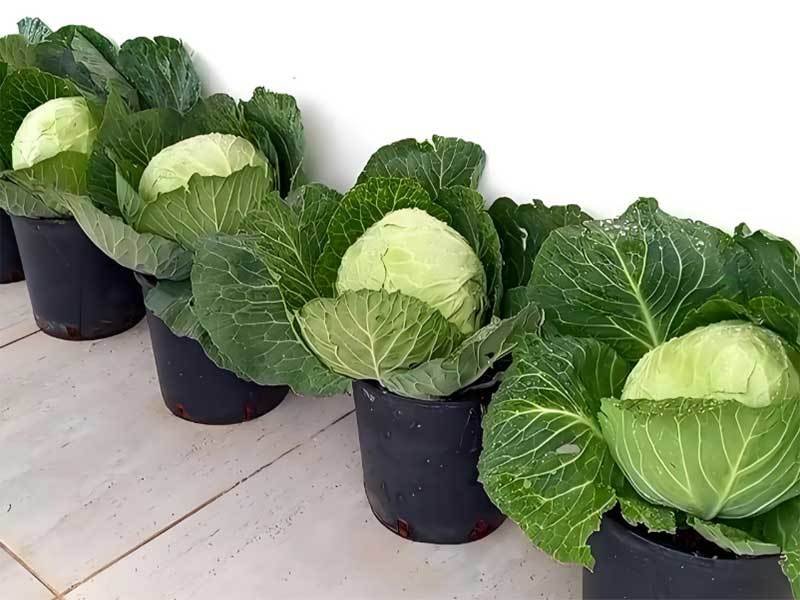
The choice of container and soil preparation significantly impacts cabbage growth:
- Container Size: Minimum depth of 12–14 inches and width of 12–18 inches per plant. Larger containers allow more root growth and higher yields.
- Material: Plastic, clay, or ceramic containers with drainage holes prevent waterlogging and root rot.
- Soil Composition: Use well-draining, fertile potting mix enriched with compost or organic matter. Avoid heavy clay soils, which restrict root expansion.
- pH Level: Slightly acidic to neutral soil (pH 6.0–7.5) is ideal for cabbage.
Proper container size and nutrient-rich, well-draining soil encourage strong root systems, healthy leaves, and robust heads.
Planting Cabbage in Containers
Correct planting techniques promote healthy growth:
- Seeds or Seedlings: Start cabbage seeds indoors 6–8 weeks before the planned transplant date. Seedlings can be purchased for quicker results.
- Transplanting: Transplant seedlings when they have 4–6 true leaves. Plant deep enough to cover the stem base for stability.
- Spacing: One plant per container is recommended for optimal head formation. Larger containers may accommodate two dwarf plants with sufficient spacing.
- Watering: Lightly water immediately after transplanting to settle the soil. Maintain consistent moisture for root establishment.
Following proper planting techniques ensures strong, healthy cabbage plants capable of forming tight, full heads.
Light and Temperature Requirements
Cabbage requires adequate light and moderate temperatures:
- Sunlight: Provide 6–8 hours of direct sunlight daily. Containers can be placed on balconies, patios, or near south-facing windows.
- Artificial Light: In low-light indoor conditions, use full-spectrum LED grow lights for 12–14 hours daily.
- Temperature: Optimal growth occurs between 60–70°F. Cabbage is cold-tolerant, but extreme heat can affect head formation and flavor.
Adequate light and stable temperature encourage strong growth, firm heads, and high-quality leaves.
Watering and Humidity Management
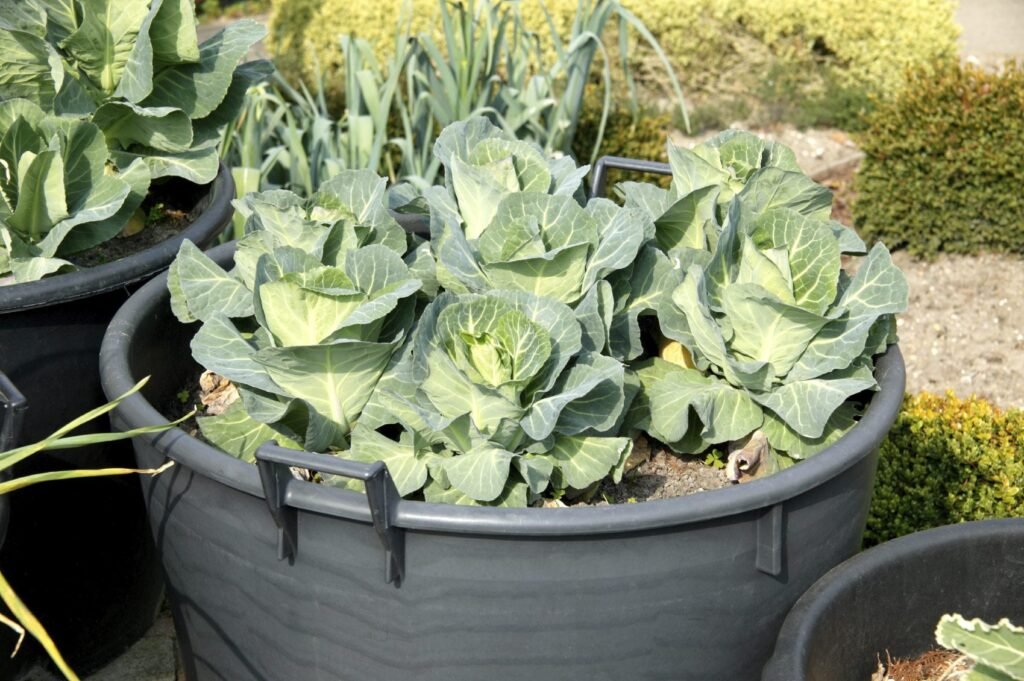
Consistent moisture is essential for cabbage health:
- Frequency: Water regularly to keep the soil evenly moist but not waterlogged.
- Method: Deep watering encourages strong root development. Avoid wetting leaves excessively to prevent fungal diseases.
- Mulching: Use straw or coconut coir to retain soil moisture and regulate temperature.
Proper watering practices support firm head formation, tender leaves, and consistent growth.
Fertilization and Nutrient Management
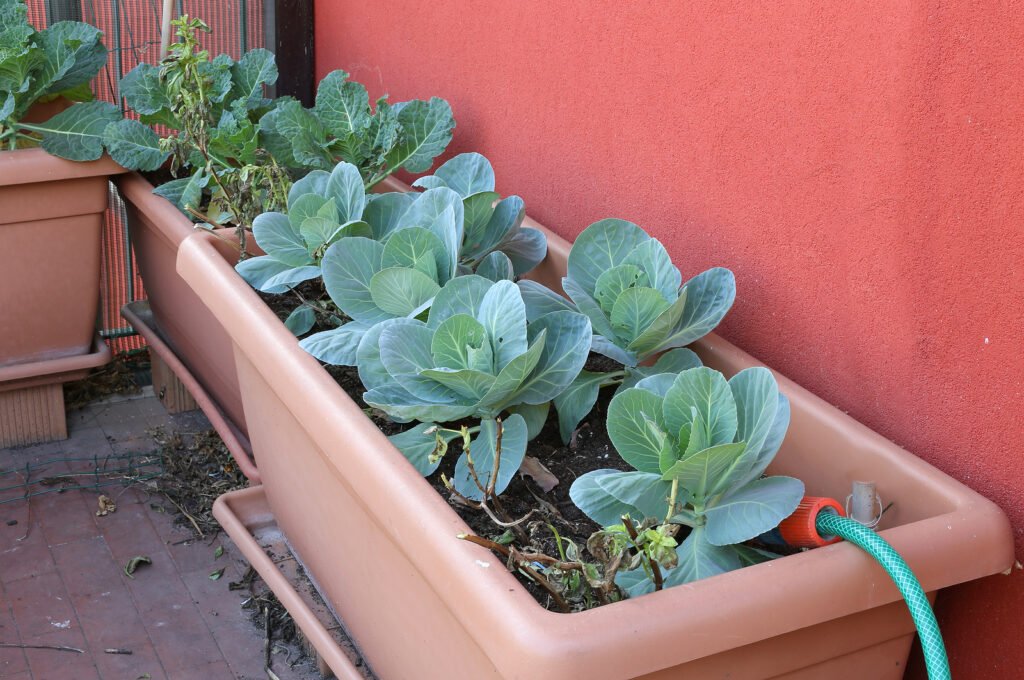
Cabbage is nutrient-demanding, and container cultivation requires regular feeding:
- Pre-Planting Enrichment: Mix compost or well-rotted organic matter into soil.
- Ongoing Fertilization: Apply organic liquid fertilizers or diluted compost tea every 2–3 weeks during active growth.
- Nutrient Balance: Nitrogen promotes leafy growth; phosphorus supports root development; potassium strengthens heads and overall plant vigor.
Balanced nutrition ensures lush foliage, strong head formation, and high-quality cabbage.
Pruning and Maintenance
Pruning and maintenance techniques enhance airflow and prevent disease:
- Remove Yellowing Leaves: Trim old or damaged leaves to prevent fungal infections.
- Support: Container-grown cabbage may need staking if heads become heavy.
- Observation: Regularly inspect for pests or nutrient deficiencies and adjust care accordingly.
Proper maintenance improves plant health and encourages uniform, firm head formation.
Pest and Disease Management
Even in container gardens, cabbage can face pests and diseases:
- Common Pests: Aphids, cabbage worms, slugs, and flea beetles.
- Organic Controls: Neem oil, insecticidal soap, handpicking pests, and introducing companion plants such as mint or rosemary help reduce infestations.
- Disease Prevention: Ensure proper drainage, adequate spacing, and airflow. Avoid overhead watering to reduce fungal risks.
Proactive pest and disease management ensures healthy growth and optimal harvests.
Harvesting Cabbage
Timing and technique are critical for harvesting:
- Indicators: Harvest when heads are firm, dense, and fully formed.
- Technique: Cut the head at the base using a sharp knife, leaving outer leaves in the container for potential secondary growth.
- Continuous Harvest: Dwarf or loose-leaf varieties allow partial harvests for ongoing production.
Timely harvesting ensures high-quality, tender cabbage with excellent flavor and nutrition.
Space Optimization for Container Cabbage
Efficient use of small spaces enhances productivity:
- Vertical Gardening: Use tiered or stacked containers to grow multiple vegetables alongside cabbage.
- Succession Planting: Sow new seedlings every few weeks for continuous production.
- Companion Planting: Grow herbs such as dill or thyme nearby to deter pests and maximize container space.
Smart space management allows gardeners to grow abundant cabbage without requiring extensive land.
Sustainability and Health Benefits
Container-grown cabbage supports sustainable gardening and healthy diets:
- Chemical-Free Produce: Homegrown cabbage is free from pesticides and synthetic fertilizers.
- Nutrition: Cabbage is rich in vitamins C and K, fiber, and antioxidants, contributing to a healthy diet.
- Urban Gardening: Container setups make nutritious vegetables accessible in apartments or areas with limited outdoor space.
- Environmental Responsibility: Reduces reliance on store-bought vegetables and the associated packaging and transportation emissions.
Growing cabbage in containers combines sustainability, nutrition, and practical gardening solutions.
Conclusion
Cabbage thrives in container gardens when provided with appropriate soil, containers, light, water, and care. By selecting compact, fast-maturing varieties, maintaining optimal conditions, and implementing regular fertilization, pruning, and pest management, gardeners can achieve continuous, high-quality production even in small spaces. Container cabbage gardening provides fresh, chemical-free produce while promoting sustainable urban living and healthy diets. With careful planning, attentive care, and strategic space optimization, home gardeners can cultivate vibrant, nutritious cabbage in containers year-round, transforming limited outdoor or balcony spaces into productive vegetable gardens.