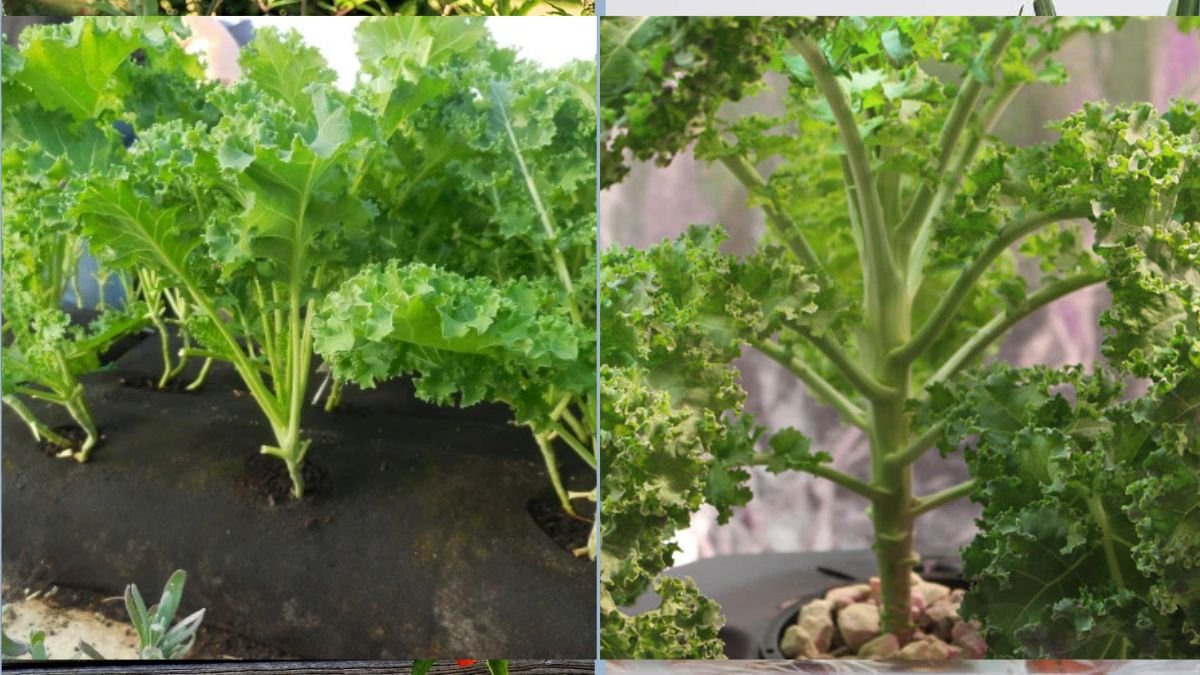
Kale (Brassica oleracea var. sabellica) is a leafy green vegetable renowned for its nutritional value, including high levels of vitamins A, C, K, fiber, and antioxidants. Traditionally cultivated in outdoor gardens, kale can also thrive in small indoor spaces, making it ideal for urban dwellers, apartment residents, or anyone with limited garden area. Indoor kale gardening allows for a year-round supply of fresh, nutritious greens while providing an attractive and sustainable addition to living spaces. This article provides a comprehensive guide to growing kale in confined areas, covering variety selection, container and soil requirements, light and temperature considerations, watering and fertilization, pest management, and harvesting techniques.
Why Grow Kale Indoors?
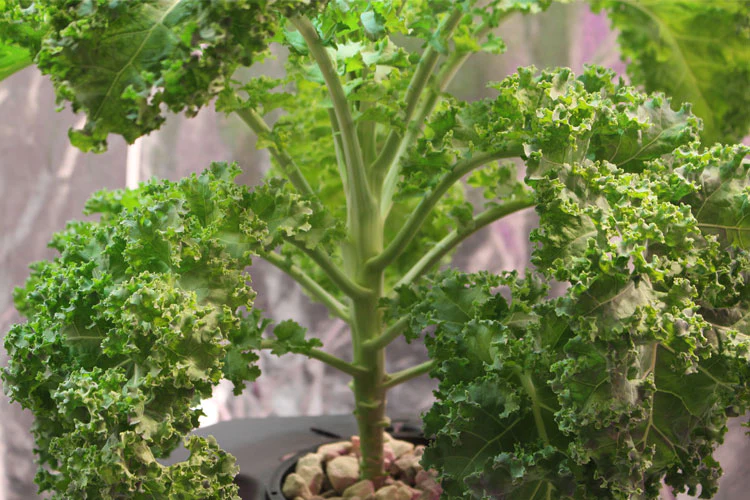
Growing kale indoors offers several benefits:
- Year-Round Supply: Indoor environments allow continuous cultivation regardless of seasonal changes.
- Space Efficiency: Small containers or vertical setups make it possible to grow kale in apartments, balconies, or even kitchens.
- Chemical-Free Produce: Growing at home ensures kale is free from pesticides or harmful chemicals.
- Aesthetic Appeal: Kale plants add greenery to indoor spaces, improving air quality and creating a pleasant atmosphere.
- Therapeutic Gardening: Caring for plants promotes mindfulness and reduces stress while offering educational opportunities.
These advantages make kale an excellent choice for indoor gardening, whether for beginners or experienced plant enthusiasts.
Selecting Kale Varieties for Indoor Growth
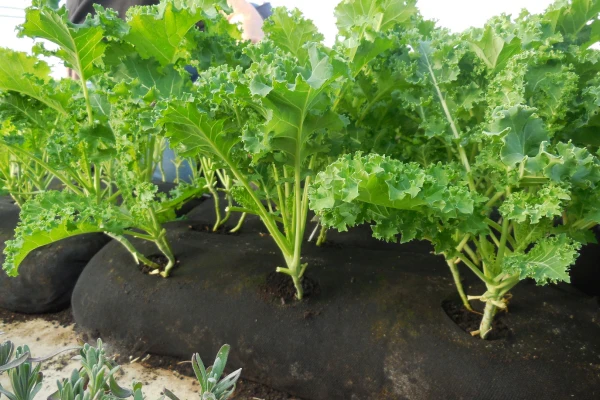
Choosing the right variety is crucial for indoor cultivation:
- Curly Kale: Compact, frilly leaves with a strong flavor; grows well in containers.
- Lacinato Kale (Dinosaur Kale): Slim, dark green leaves with a slightly sweeter taste; adapts well to indoor conditions.
- Red Russian Kale: Flat, tender leaves with a mild, sweet flavor; ideal for indoor environments.
- Baby Leaf Varieties: Fast-growing varieties harvested young, suitable for limited space and continuous harvest.
Selecting dwarf or compact varieties ensures manageable growth and maximizes indoor space efficiency.
Choosing Containers and Soil
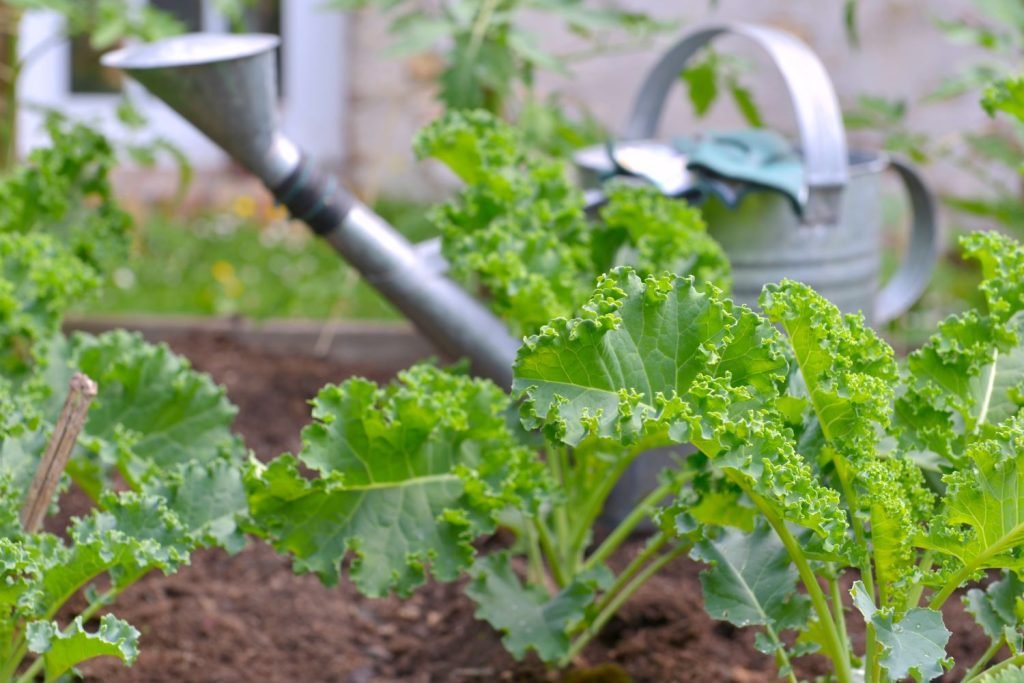
Proper container selection and soil preparation are vital for indoor kale cultivation:
- Container Size: Minimum depth of 6–8 inches for baby kale, 10–12 inches for full-sized plants. Wider containers allow multiple plants to grow side by side.
- Material: Plastic, ceramic, or clay pots with drainage holes are suitable; lightweight containers facilitate repositioning.
- Soil Mix: Use well-draining, nutrient-rich potting soil. Mix in organic compost or worm castings to provide essential nutrients.
- pH Level: Kale prefers slightly acidic to neutral soil, with a pH of 6.0–7.0.
Well-draining, fertile soil supports strong root systems, healthy foliage, and continuous growth.
Planting Kale Indoors
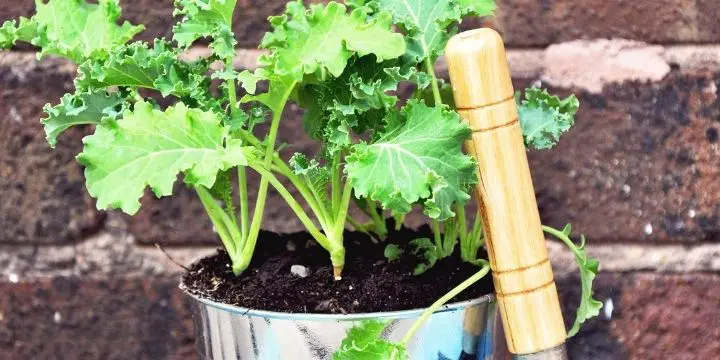
Correct planting techniques ensure successful indoor growth:
- Seeds or Seedlings: Sow seeds directly into small containers or use seedlings for quicker results. Sow seeds ¼ inch deep in moist soil.
- Spacing: Thin seedlings to 8–12 inches apart for full-sized kale; 4–6 inches for baby leaf varieties. Proper spacing allows adequate airflow and reduces competition.
- Watering: Water lightly after sowing to settle soil. Maintain consistent moisture for seed germination and early growth.
- Timing: Kale can be grown year-round indoors. Baby leaf varieties mature in 25–35 days, while full-sized plants take 50–70 days.
Proper planting ensures strong, healthy seedlings with optimal leaf production.
Light and Temperature Requirements
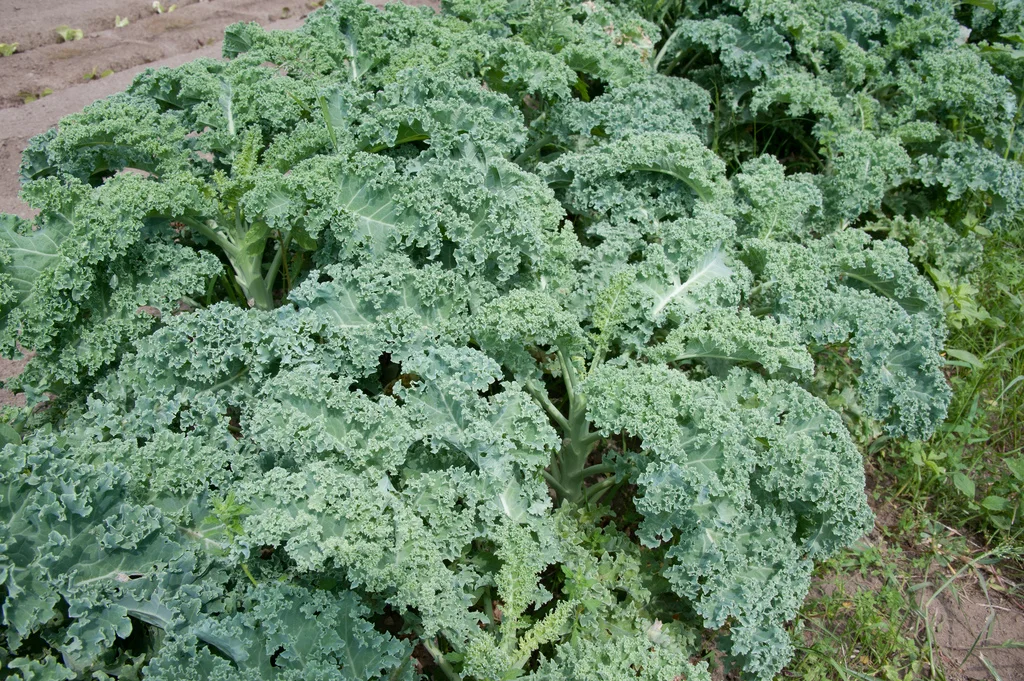
Kale requires adequate light and moderate temperatures for optimal growth:
- Sunlight: Provide 6–8 hours of bright, indirect sunlight per day. Place containers near south- or west-facing windows.
- Artificial Lighting: Use LED grow lights for 12–16 hours daily if natural sunlight is insufficient. Position lights 6–12 inches above plants.
- Temperature: Maintain indoor temperatures between 60–75°F. Avoid extremes of heat or cold. Kale thrives in cooler indoor climates, producing tender, flavorful leaves.
Sufficient light and stable temperatures promote healthy leaf development and continuous growth.
Watering and Humidity Management
Consistent moisture is essential for healthy kale plants:
- Frequency: Water when the top inch of soil feels dry. Avoid overwatering to prevent root rot.
- Method: Use a gentle watering can or spray to avoid disturbing the soil and damaging delicate seedlings.
- Humidity: Maintain moderate indoor humidity (50–60%). Use a humidity tray or mist leaves occasionally to support healthy foliage.
Proper watering and humidity management prevent leaf yellowing, wilting, and disease.
Fertilization and Nutrient Management
Indoor kale plants benefit from regular feeding:
- Pre-Planting Enrichment: Incorporate compost or well-rotted organic matter into the soil.
- Ongoing Fertilization: Apply organic liquid fertilizers or diluted compost tea every 2–3 weeks.
- Nutrient Balance: Kale requires nitrogen for leaf growth, along with adequate phosphorus and potassium for overall health.
Balanced nutrition ensures lush, tender leaves and supports continuous harvesting.
Pruning and Maintenance
Pruning and maintenance promote airflow, light penetration, and healthy growth:
- Leaf Harvesting: Remove outer leaves first to encourage new growth.
- Pruning Damaged Leaves: Trim yellow or damaged leaves to prevent disease spread and maintain plant aesthetics.
- Spacing Adjustments: Reposition containers or thin plants if overcrowding occurs.
Regular maintenance ensures vigorous growth and higher-quality leaves.
Pest and Disease Management
Indoor kale faces fewer pests than outdoor plants, but vigilance is still necessary:
- Common Pests: Aphids, spider mites, and whiteflies may occasionally appear.
- Organic Controls: Neem oil, insecticidal soaps, or manual removal of pests are safe and effective.
- Disease Prevention: Ensure good drainage, adequate airflow, and avoid water on leaves to prevent fungal infections.
Proactive care protects plants, enhances leaf quality, and prevents crop loss.
Space Optimization Techniques
Indoor spaces are often limited, but vertical gardening and efficient container use maximize productivity:
- Vertical Stacking: Use shelves, tiered containers, or vertical racks to grow multiple plants efficiently.
- Succession Planting: Sow new seeds every 2–3 weeks to maintain a continuous supply of leaves.
- Companion Planting: Grow herbs such as basil or parsley alongside kale to enhance aesthetics and deter pests.
Smart space utilization allows urban gardeners to grow abundant kale even in confined areas.
Harvesting Kale
Proper harvesting ensures maximum yield and leaf quality:
- Baby Leaves: Harvest when leaves reach 3–4 inches, typically 25–35 days after sowing.
- Full-Sized Leaves: Harvest outer leaves when 6–10 inches long. Inner leaves continue to grow for ongoing production.
- Continuous Harvesting: Regularly picking leaves encourages new growth and prolongs the productivity of the plant.
Timely harvesting maintains tender, flavorful leaves and supports year-round indoor cultivation.
Sustainability and Health Benefits
Growing kale indoors supports sustainable living and healthy eating:
- Sustainability: Reduces dependence on store-bought vegetables and transportation emissions.
- Chemical-Free Produce: Homegrown kale is free from pesticides and harmful chemicals.
- Nutrition: Kale is rich in vitamins, antioxidants, and fiber, contributing to a healthy diet.
- Urban Gardening: Indoor cultivation allows access to fresh greens even in limited spaces, promoting self-sufficiency.
Indoor kale gardening combines environmental responsibility, nutrition, and convenience for urban lifestyles.
Conclusion
Growing kale in small indoor spaces is an accessible, rewarding, and low-maintenance way to cultivate fresh, nutrient-rich leafy greens year-round. By selecting compact varieties, providing nutrient-rich soil, ensuring adequate light and water, and implementing proper care and harvesting techniques, gardeners can achieve continuous, high-quality production in confined areas. Indoor kale gardening reduces pest risks, enhances indoor aesthetics, and promotes sustainable, chemical-free produce, making it ideal for urban dwellers, apartment residents, and anyone seeking healthy, self-grown vegetables. With careful planning, consistent care, and attention to space optimization, indoor gardeners can enjoy a steady supply of vibrant, flavorful kale while contributing to a healthier, greener living environment.