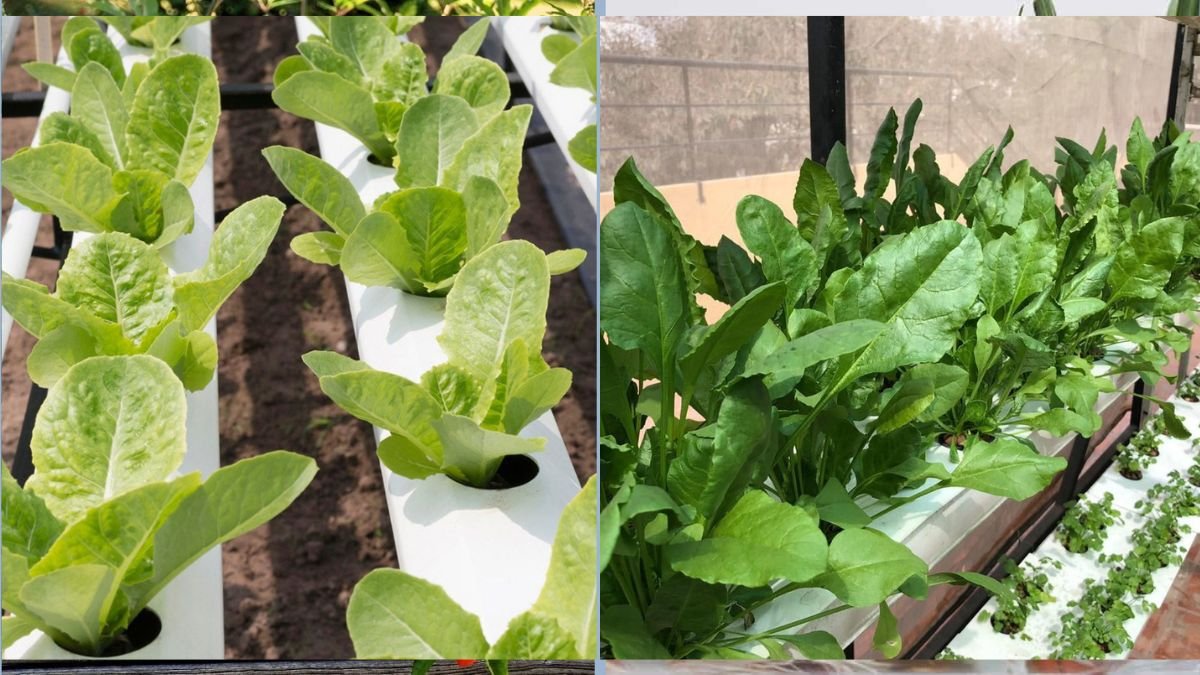
Spinach (Spinacia oleracea) is a nutrient-dense leafy green that is highly valued for its mild flavor, versatility in dishes, and exceptional health benefits. Rich in vitamins A, C, and K, iron, calcium, and antioxidants, spinach contributes to a balanced diet and supports overall well-being. While traditionally grown in outdoor gardens, spinach is ideally suited for indoor cultivation, allowing gardeners to maintain a continuous supply of fresh leaves year-round. Indoor spinach gardening is perfect for urban dwellers, apartment residents, and anyone seeking chemical-free, homegrown produce for daily salads. This article provides a comprehensive guide to growing spinach indoors, covering variety selection, container and soil preparation, lighting, watering, fertilization, pest management, and harvesting techniques.
Why Grow Spinach Indoors?
Indoor cultivation of spinach offers several advantages:
- Year-Round Supply: Spinach can be harvested continuously indoors regardless of season or weather conditions.
- Space Efficiency: Containers, raised beds, or windowsills make spinach cultivation possible in limited spaces.
- Chemical-Free Produce: Growing indoors ensures pesticide-free, organic leaves.
- Cost Savings: Reduces reliance on store-bought spinach, which can be expensive or lose freshness quickly.
- Therapeutic Gardening: Caring for indoor plants provides a calming and rewarding activity, enhancing mental well-being.
These benefits make indoor spinach cultivation both practical and rewarding for home gardeners.
Choosing Spinach Varieties for Indoor Growth
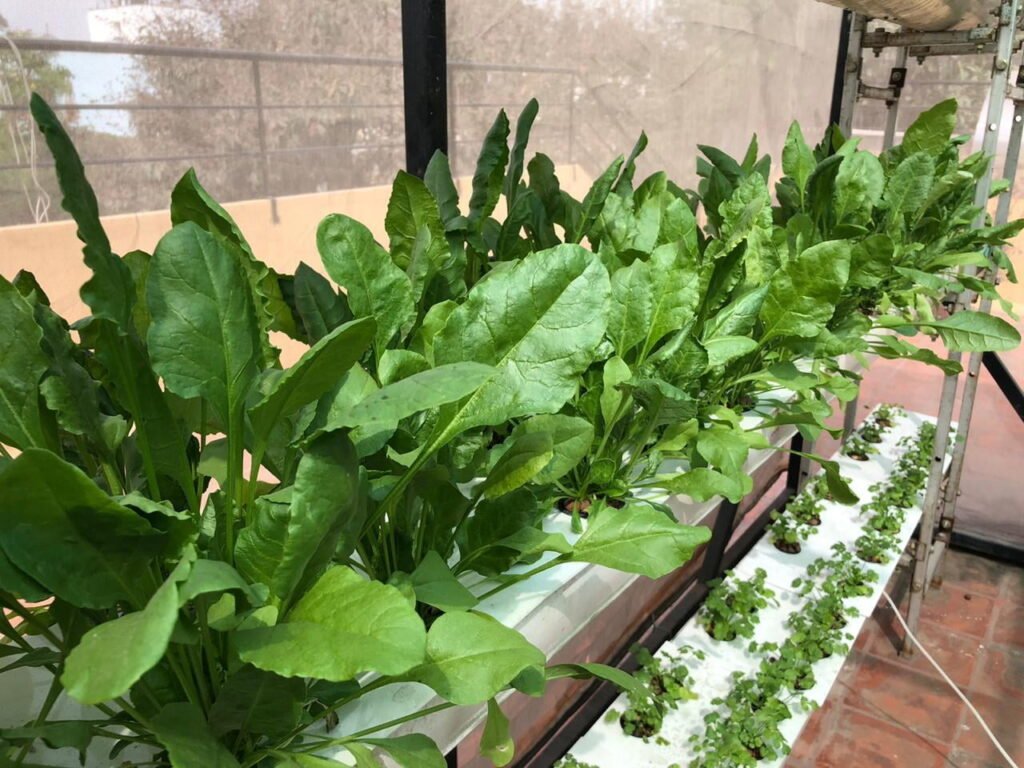
Selecting suitable spinach varieties is crucial for successful indoor cultivation:
- Smooth-Leaf Varieties: Mild flavor and tender leaves, ideal for salads. Examples: “Bloomsdale Long Standing,” “Viroflay.”
- Savoy Varieties: Crinkled leaves with strong flavor; perform well in containers. Examples: “Tyee,” “Winter Bloomsdale.”
- Baby Leaf Varieties: Fast-growing leaves harvested at a young stage, suitable for continuous indoor harvesting. Examples: “Space,” “Baby’s Leaf.”
- Cold-Tolerant Varieties: Thrive in slightly cooler indoor conditions and tolerate minor temperature fluctuations.
Choosing compact, fast-growing, and tender-leaf varieties ensures optimal indoor production and frequent harvests.
Selecting Containers and Soil
Proper container selection and soil preparation are critical for healthy indoor spinach:
- Container Size: Minimum depth of 6–8 inches; wider containers allow multiple plants to grow simultaneously.
- Material: Plastic, ceramic, or clay pots with drainage holes prevent waterlogging and root rot.
- Soil Composition: Use light, well-draining potting soil enriched with compost or organic matter. Avoid heavy, compacted soils.
- pH Level: Spinach prefers slightly acidic to neutral soil, with a pH of 6.0–7.0.
Adequate container size and nutrient-rich, well-draining soil promote strong root development, healthy leaves, and sustained growth.
Planting Spinach Indoors
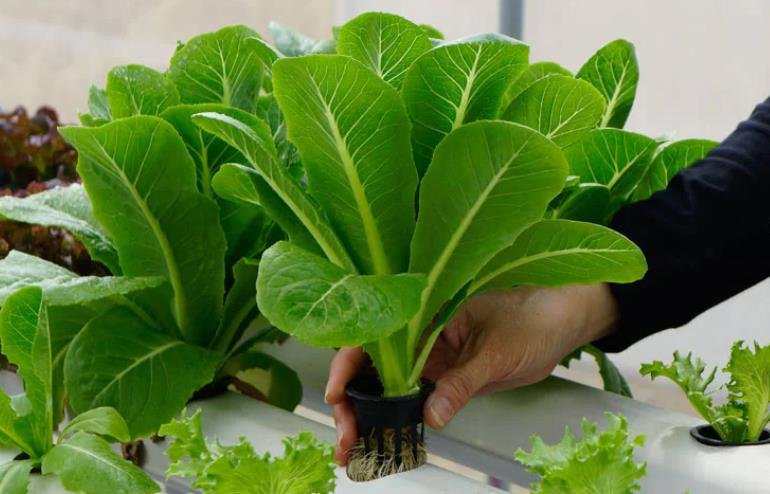
Correct planting techniques are essential for indoor success:
- Seeds or Seedlings: Sow seeds directly in containers ½ inch deep. Thin seedlings to 2–4 inches apart once they develop true leaves to prevent overcrowding.
- Watering: Lightly water after sowing to settle the soil. Maintain consistent moisture for optimal germination and growth.
- Succession Planting: Sow new seeds every 2–3 weeks to ensure a continuous supply of fresh leaves.
Proper planting techniques ensure uniform growth, strong seedlings, and a steady supply of spinach.
Light Requirements
Light is critical for indoor spinach growth:
- Sunlight: Provide at least 6–8 hours of bright, indirect sunlight daily. South- or west-facing windows are ideal.
- Artificial Lighting: In low-light conditions, use full-spectrum LED grow lights for 12–14 hours daily. Place lights 6–12 inches above plants.
- Light Quality: Full-spectrum lights promote healthy leaf color, rapid growth, and nutrient density.
Sufficient light ensures strong, tender leaves and prevents legginess.
Temperature and Humidity Management
Spinach grows best in moderate indoor climates:
- Optimal Temperature: Maintain 60–70°F during the day and slightly cooler nights for slow, steady growth.
- Cold Tolerance: Spinach tolerates cooler indoor temperatures, which can improve leaf quality.
- Humidity: Maintain moderate humidity (50–60%) to support healthy foliage and prevent leaf drying. Use trays of water or occasional misting if indoor air is dry.
Stable temperature and humidity enhance plant health, flavor, and leaf texture.
Watering and Moisture Control
Consistent watering is essential for indoor spinach:
- Frequency: Water when the top inch of soil feels dry. Avoid overwatering, which can cause root rot.
- Method: Water at the base of plants to keep leaves dry and reduce fungal risks.
- Soil Moisture: Ensure the soil is evenly moist but not soggy, supporting crisp, tender leaves.
Proper watering practices promote vigorous growth and reduce disease susceptibility.
Fertilization and Nutrient Management
Indoor spinach requires balanced nutrition for sustained growth:
- Pre-Planting Enrichment: Mix compost or organic matter into the potting soil.
- Ongoing Fertilization: Apply liquid organic fertilizers or diluted compost tea every 2–3 weeks.
- Nutrient Balance: Nitrogen encourages leaf growth, while phosphorus and potassium support root development and overall plant vigor.
Balanced fertilization ensures lush, vibrant leaves with high nutritional value.
Pest and Disease Management
Even indoors, spinach may face pests or disease:
- Common Pests: Aphids, spider mites, and whiteflies.
- Organic Controls: Use neem oil, insecticidal soap, or manually remove pests. Introduce companion plants such as basil or mint to deter insects.
- Disease Prevention: Maintain proper spacing, adequate airflow, and avoid wetting leaves excessively to prevent fungal infections like downy mildew.
Proactive care and monitoring maintain healthy plants and continuous production.
Harvesting Spinach for Daily Salads
Timely harvesting ensures maximum flavor and nutrition:
- Baby Leaves: Harvest young leaves 3–4 inches long for tender, sweet greens.
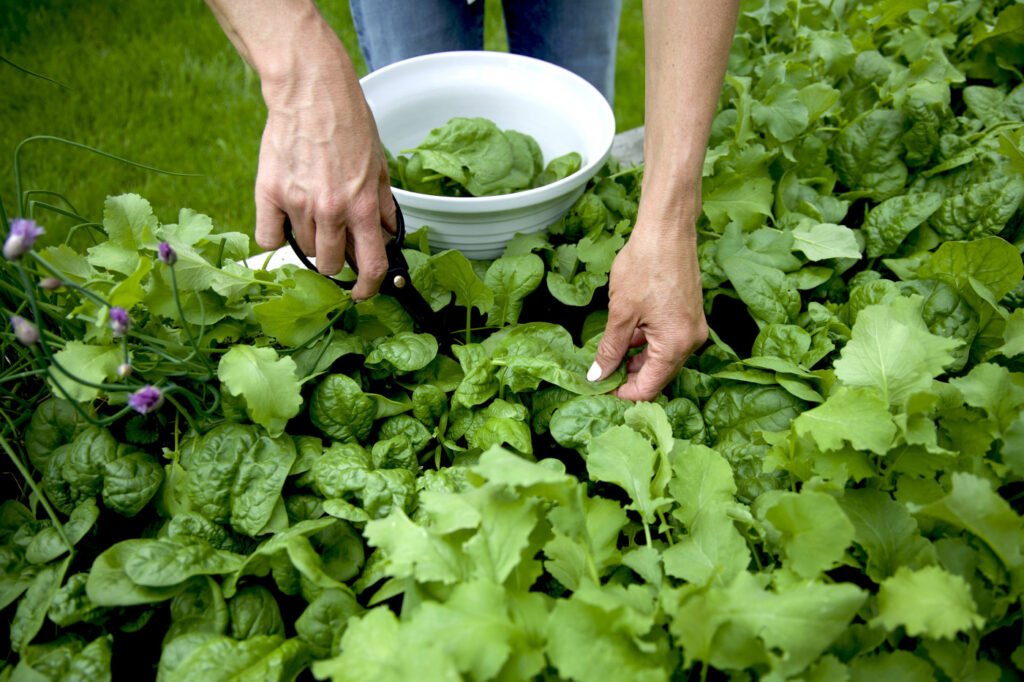
- Mature Leaves: Pick outer leaves regularly, allowing inner leaves to continue growing for ongoing harvests.
- Continuous Harvesting: Frequent harvesting encourages new leaf production, providing a steady supply for daily salads.
Proper harvesting techniques maintain plant health, extend production, and ensure fresh, flavorful leaves.
Space Optimization for Indoor Gardens
Efficient use of indoor space increases productivity:
- Vertical Gardening: Use shelves, tiered racks, or stacked containers to grow multiple plants in limited space.
- Succession Planting: Sow new seeds every 2–3 weeks for a continuous supply of fresh leaves.
- Companion Planting: Grow herbs or small vegetables alongside spinach to maximize space and deter pests.
Smart space management ensures abundant indoor harvests without crowding or resource competition.
Sustainability and Health Benefits
Indoor spinach gardening supports sustainable living and healthy diets:
- Chemical-Free Produce: Homegrown spinach avoids synthetic fertilizers and pesticides.
- Nutrition: Packed with vitamins, minerals, and antioxidants, spinach enhances diet quality.
- Waste Reduction: Growing indoors reduces reliance on packaged, store-bought greens.
- Urban Gardening: Container and windowsill setups make fresh vegetables accessible in apartments and urban spaces.
Indoor spinach cultivation combines nutrition, sustainability, and practicality.
Conclusion
Growing spinach indoors for daily salads is a practical, sustainable, and rewarding method to ensure a year-round supply of fresh, nutrient-rich greens. By selecting suitable varieties, using nutrient-rich, well-draining soil, providing adequate light and stable temperature, maintaining consistent moisture, and implementing regular fertilization and pest management, gardeners can enjoy continuous harvests of tender, flavorful leaves. Indoor gardening enables urban residents and small-space gardeners to cultivate chemical-free produce efficiently while supporting healthy eating and sustainable practices. With proper care, attention, and space optimization, spinach can thrive indoors, transforming everyday salads into a vibrant, fresh, and nutritious experience for the whole household.