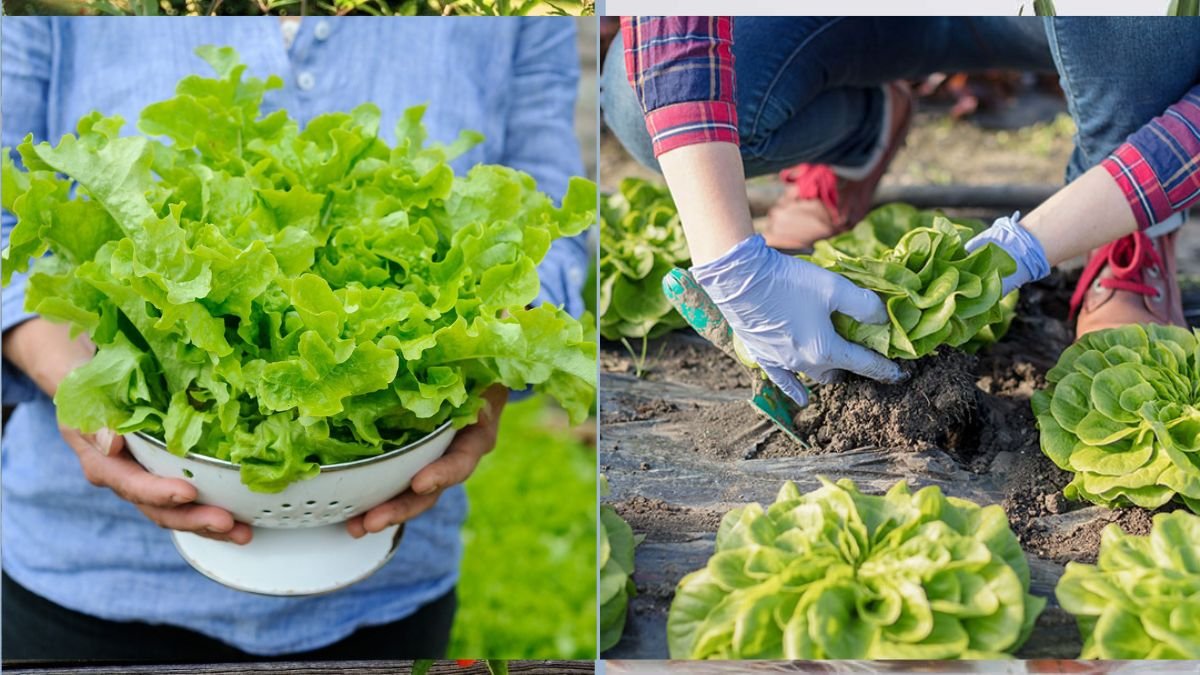
Lettuce (Lactuca sativa) is a versatile and nutritious leafy green that forms the cornerstone of many healthy diets. Known for its crisp texture, mild flavor, and high vitamin content, lettuce is a favorite for salads, sandwiches, and garnishes. While commonly grown in spring and summer, with proper techniques, lettuce can thrive throughout the winter months, providing a year-round supply of fresh greens. This article provides a comprehensive guide on growing lettuce during the colder months, covering variety selection, container and soil preparation, light and temperature management, watering, fertilization, pest control, and harvesting strategies.
Why Grow Lettuce in Winter?
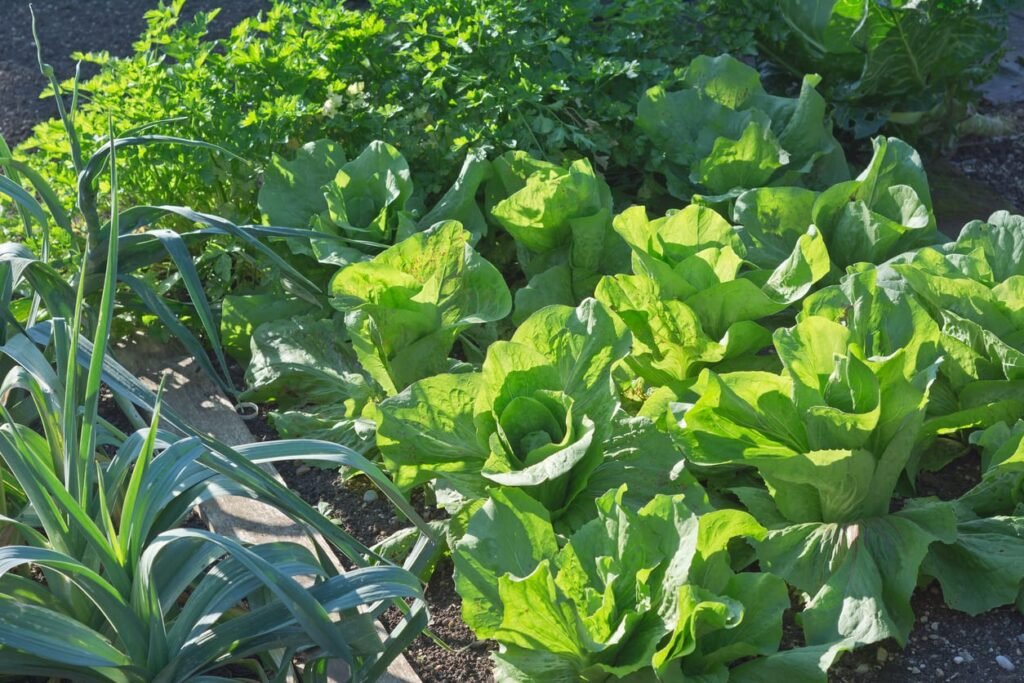
Winter cultivation of lettuce offers several advantages:
- Year-Round Freshness: Enjoy fresh, nutrient-rich greens even during the cold months.
- Space Efficiency: Lettuce can be grown in containers, raised beds, or small indoor setups, making it ideal for limited spaces.
- Cost Savings: Growing your own lettuce reduces reliance on store-bought greens, which can be expensive in winter.
- Chemical-Free Produce: Home cultivation ensures pesticide-free, organic leaves.
- Therapeutic Gardening: Maintaining a winter garden provides relaxation and indoor greenery during shorter days.
With these benefits, winter lettuce cultivation is both practical and rewarding.
Choosing Lettuce Varieties for Winter Growth
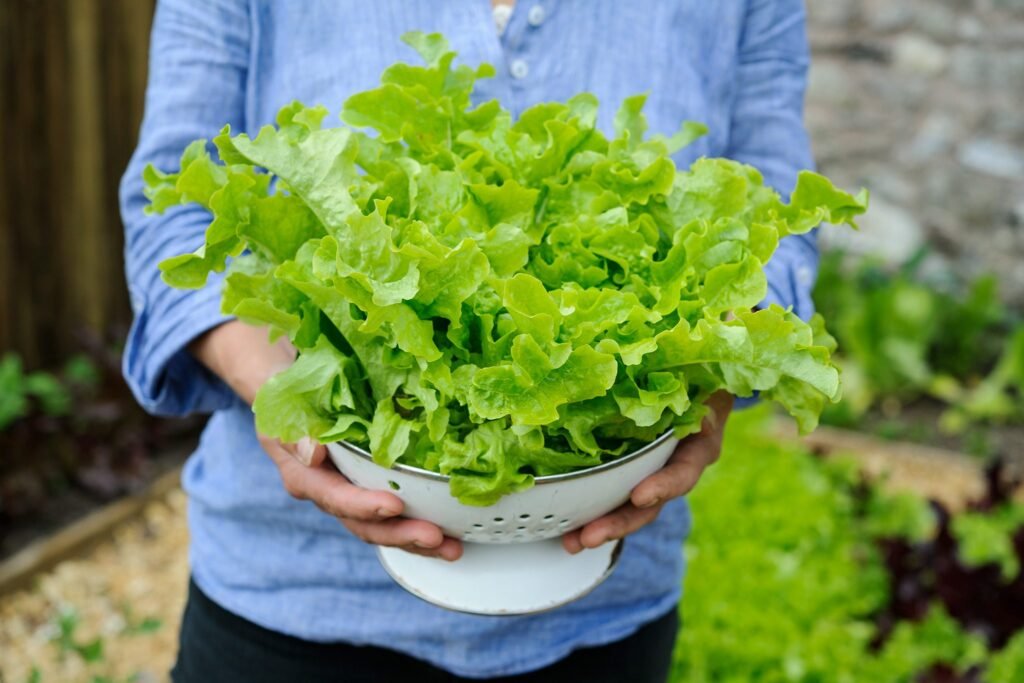
Selecting the right variety is essential for successful winter growth:
- Leaf Lettuce: Fast-growing, easy to harvest, and well-suited for successive planting. Examples: “Black Seeded Simpson,” “Red Salad Bowl.”
- Romaine (Cos) Lettuce: Crisp, elongated leaves; more cold-tolerant than some leaf types. Examples: “Parris Island Cos.”
- Butterhead Lettuce: Soft, tender heads with mild flavor; grows well indoors or in protected outdoor spaces. Examples: “Buttercrunch.”
- Baby Leaf Varieties: Harvestable young leaves allow continuous harvesting without full maturity.
Cold-hardy, fast-maturing varieties are ideal for winter cultivation, ensuring continuous growth and high-quality leaves.
Choosing Containers and Soil
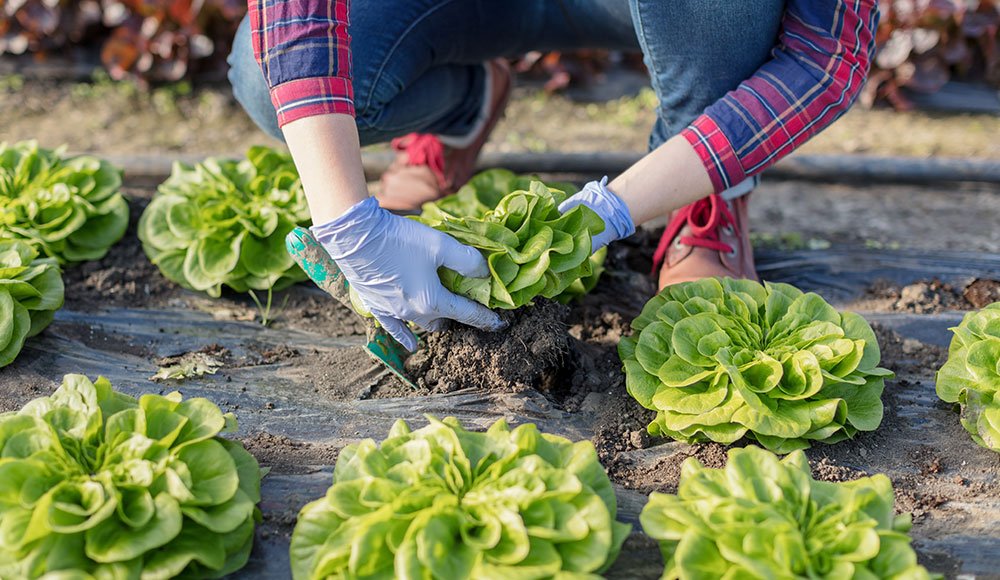
Proper container selection and soil preparation are crucial for winter lettuce:
- Container Size: Minimum 6–8 inches deep for leaf varieties; larger containers for romaine or butterhead types.
- Material: Plastic, ceramic, or clay pots with drainage holes prevent waterlogging and root rot.
- Soil Mix: Use light, well-draining potting soil enriched with compost or organic matter. Avoid heavy clay soils, which can hinder root growth.
- pH Level: Slightly acidic to neutral soil, with a pH of 6.0–7.0, supports healthy growth.
Well-draining, nutrient-rich soil ensures strong roots, healthy leaves, and consistent production.
Planting Lettuce for Winter
Planting techniques impact growth and productivity:
- Seeds or Seedlings: Sow seeds directly in containers or use seedlings for faster results. Sow ¼ inch deep and lightly cover with soil.
- Spacing: Thin seedlings to 6–8 inches apart for leaf varieties; 8–10 inches for romaine or butterhead. Adequate spacing ensures proper airflow and reduces disease risk.
- Watering: Water lightly after sowing to settle soil. Maintain consistent moisture throughout germination and early growth.
- Succession Planting: Sow seeds every 1–2 weeks to ensure continuous harvest.
Correct planting ensures strong seedlings, uniform growth, and uninterrupted production during winter.
Light Requirements for Winter Lettuce
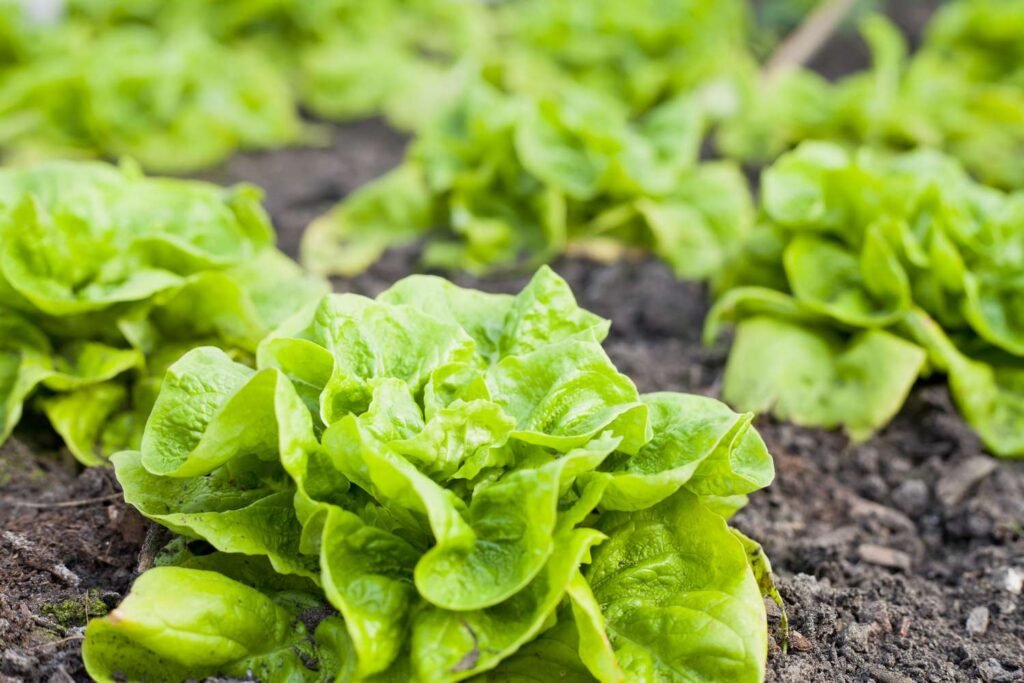
Light is a critical factor during shorter winter days:
- Sunlight: Provide 6–8 hours of direct or bright indirect sunlight daily. South- or west-facing windows are ideal for indoor or balcony gardens.
- Supplemental Lighting: Use LED grow lights for 12–14 hours daily when natural light is insufficient. Place lights 6–12 inches above plants for optimal growth.
- Light Quality: Full-spectrum lights promote healthy foliage, vibrant color, and rapid growth.
Adequate light ensures photosynthesis, strong leaf development, and continuous production.
Temperature Management
Lettuce is cold-tolerant, but maintaining ideal temperatures enhances growth:
- Optimal Range: 60–70°F during the day and 50–60°F at night.
- Protection from Frost: Use cold frames, cloches, or indoor containers to shield plants from freezing temperatures.
- Indoor Cultivation: Indoor gardens or heated windowsills maintain stable temperatures, preventing slow growth or bolting.
Temperature management prevents stress, ensures tender leaves, and prolongs the harvest period.
Watering and Humidity Management
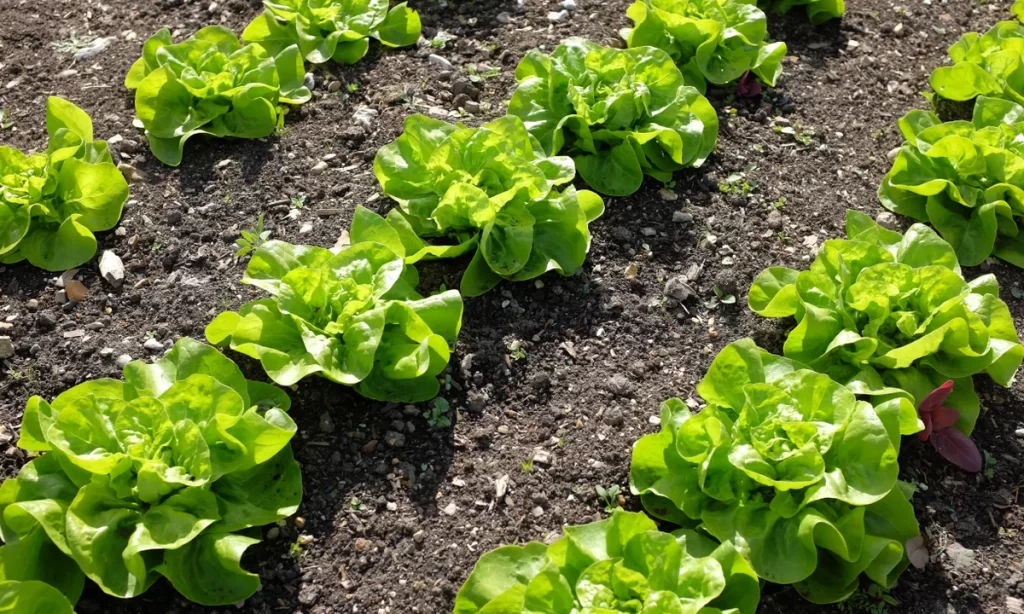
Consistent moisture is essential for winter lettuce:
- Frequency: Keep soil evenly moist but not waterlogged. Avoid letting the soil dry out completely.
- Method: Water at the base of plants using a watering can or drip system to prevent leaf wetting, which can encourage fungal infections.
- Humidity: Maintain moderate humidity (50–60%) indoors. Use trays of water or misting to support healthy foliage if indoor air is dry.
Proper watering promotes crisp, tender leaves and reduces disease susceptibility.
Fertilization and Nutrient Management
Winter-grown lettuce benefits from careful nutrient management:
- Pre-Planting Soil Enrichment: Mix compost or well-rotted organic matter into soil before planting.
- Ongoing Fertilization: Apply organic liquid fertilizers or diluted compost tea every 2–3 weeks.
- Nutrient Balance: Nitrogen supports leaf growth, while phosphorus and potassium aid root development and overall plant health.
Balanced nutrition ensures lush, vibrant leaves and continuous harvests.
Pest and Disease Management
Even during winter, pests and diseases may affect lettuce:
- Common Pests: Aphids, whiteflies, and leaf miners may appear in indoor or protected gardens.
- Organic Controls: Use neem oil, insecticidal soap, or manually remove pests. Introduce companion plants like chives or mint to deter pests.
- Disease Prevention: Ensure good drainage, adequate spacing, and avoid water on leaves to prevent fungal infections such as downy mildew or powdery mildew.
Regular inspection and preventive measures maintain healthy plants and high-quality leaves.
Harvesting Lettuce
Harvesting at the right stage ensures maximum flavor and productivity:
- Baby Leaf Harvest: Pick young leaves when they are 3–4 inches long. This method allows continuous regrowth.
- Mature Leaves: Harvest outer leaves for full-sized production while leaving inner leaves to continue growing.
- Continuous Harvesting: Frequent harvesting encourages new growth and prolongs the plant’s productive life.
Timely harvesting ensures a steady supply of tender, flavorful lettuce throughout the winter.
Space Optimization Techniques
Maximizing small winter gardening spaces increases yield:
- Vertical Gardening: Use shelves, tiered containers, or vertical racks to grow multiple plants efficiently.
- Succession Planting: Sow new seeds every 1–2 weeks to maintain continuous production.
- Companion Planting: Plant herbs like basil or parsley alongside lettuce to improve aesthetics and reduce pests.
Smart space utilization allows gardeners to cultivate abundant, high-quality lettuce even in confined areas.
Sustainability and Health Benefits
Winter lettuce cultivation supports sustainable living and healthy diets:
- Chemical-Free Produce: Homegrown lettuce is free from pesticides and synthetic fertilizers.
- Waste Reduction: Indoor or container cultivation reduces transportation and packaging waste associated with store-bought greens.
- Nutrition: Rich in vitamins, minerals, and fiber, lettuce contributes to a balanced diet during winter months.
- Urban Gardening: Small-scale indoor gardens make fresh vegetables accessible in urban environments.
Indoor winter gardening combines environmental responsibility, nutrition, and convenience.
Conclusion
Growing lettuce all winter long is a practical, sustainable, and rewarding way to enjoy fresh, nutrient-rich greens year-round. By selecting cold-tolerant and fast-growing varieties, using nutrient-rich soil, providing adequate light and water, and maintaining optimal temperature and humidity, gardeners can achieve continuous production even in small spaces. Regular harvesting, proper pruning, pest management, and space optimization techniques further enhance yields and plant health. Whether cultivated in containers, raised beds, or indoor setups, winter lettuce gardening offers fresh, chemical-free produce while promoting sustainability, healthy eating, and the joy of urban gardening. With careful planning and consistent care, gardeners can enjoy crisp, flavorful lettuce throughout the colder months, transforming winter into a season of fresh, homegrown greens.