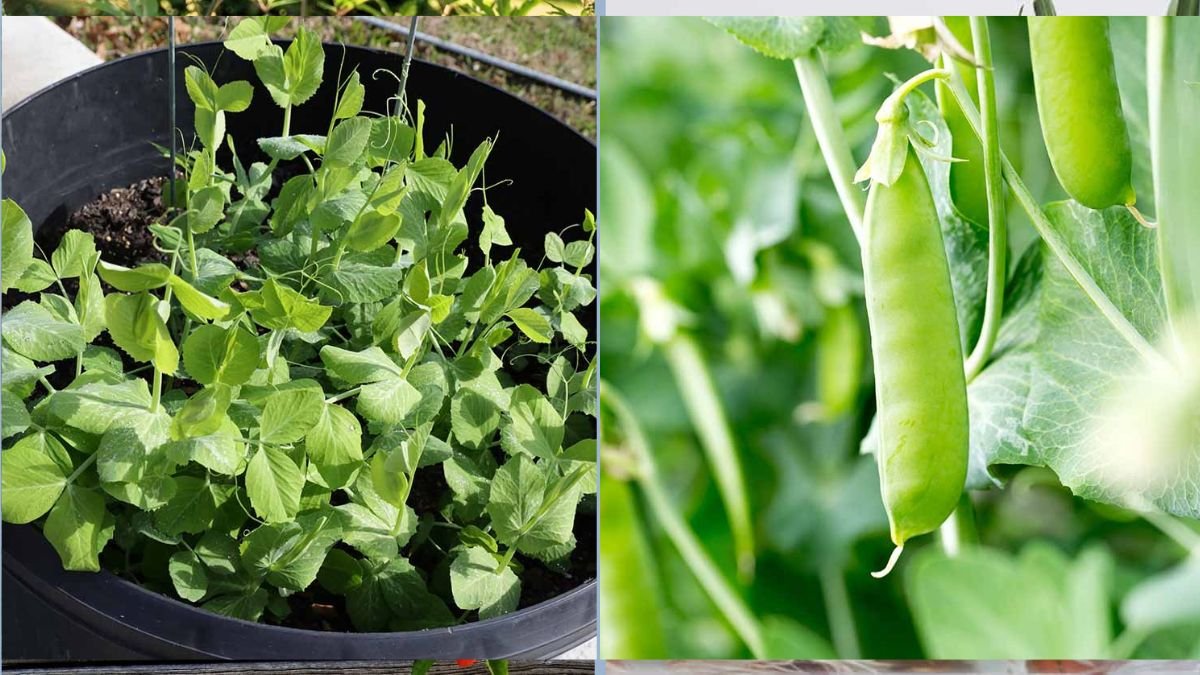
Peas (Pisum sativum) are one of the most rewarding and versatile vegetables for home gardeners. Their sweet flavor, high nutritional content, and relatively easy cultivation make them ideal for small-space gardening. Growing peas on a balcony is particularly appealing for urban dwellers who may not have access to traditional garden plots. With vertical growth habits and compact varieties, peas can thrive in containers, hanging baskets, or trellised setups, providing fresh, protein-rich vegetables year-round. This article presents a comprehensive guide to successfully growing pea plants on a balcony, covering variety selection, container and soil preparation, planting, support structures, care, pest management, and harvesting.
Why Grow Peas on a Balcony?
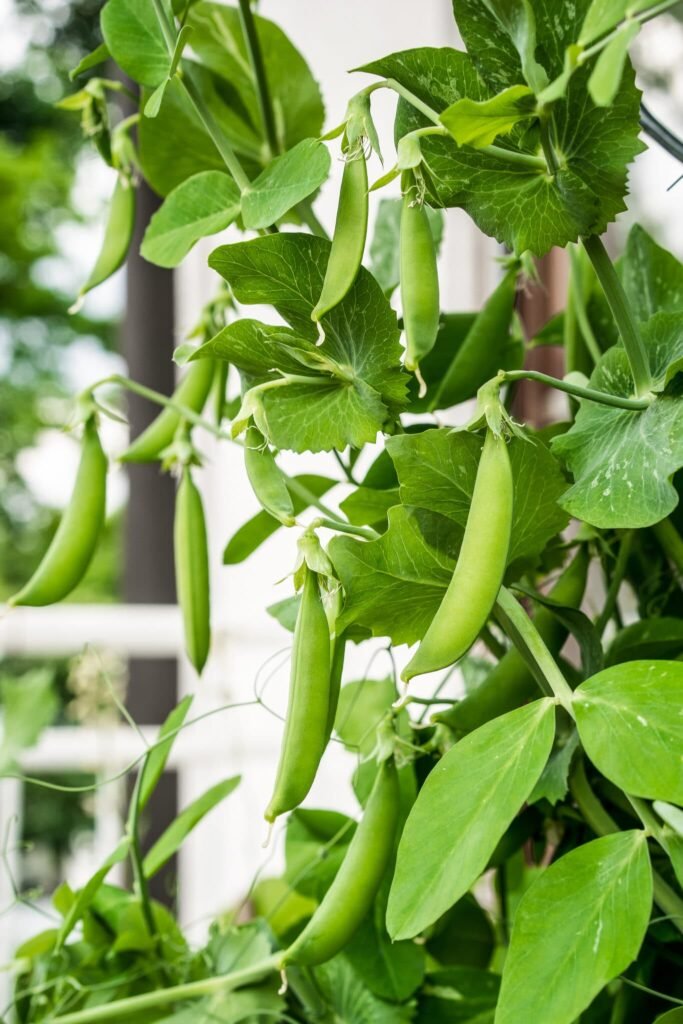
Balcony pea cultivation offers several advantages:
- Space Efficiency: Peas’ vertical growth habit makes them perfect for small urban spaces.
- Nutritional Value: Peas are rich in protein, fiber, vitamins A, C, and K, and antioxidants.
- Cost-Effective: Growing your own peas reduces dependence on store-bought vegetables.
- Year-Round Production: With careful variety selection and care, peas can be grown in multiple seasons.
- Sustainable Gardening: Balcony gardening reduces food miles and packaging waste, contributing to eco-friendly living.
These benefits make peas an excellent choice for balcony gardening, combining nutrition, convenience, and sustainability.
Selecting Pea Varieties for Balcony Gardens
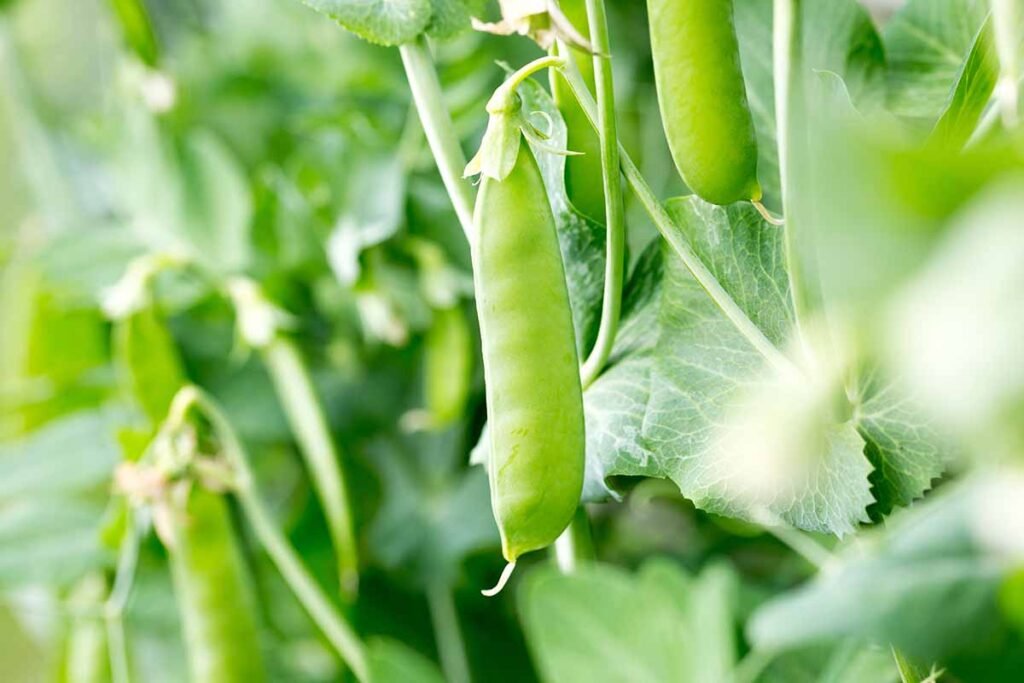
Choosing the right variety is critical for successful balcony cultivation:
- Bush Peas (Determinant): Compact growth, suitable for containers, maturing quickly. Examples: “Little Marvel,” “Tom Thumb.”
- Climbing Peas (Indeterminate): Require vertical support and can produce over a longer season. Examples: “Sugar Snap,” “Oregon Giant.”
- Snow Peas: Edible pods, sweet flavor, suitable for vertical trellis setups.
- Sugar Snap Peas: Crisp, sweet pods eaten whole; ideal for small-space vertical gardening.
- Dwarf Varieties: Compact plants suited for balcony containers with limited depth and width.
Selecting compact, disease-resistant varieties ensures manageable growth and continuous harvests.
Choosing Containers and Soil
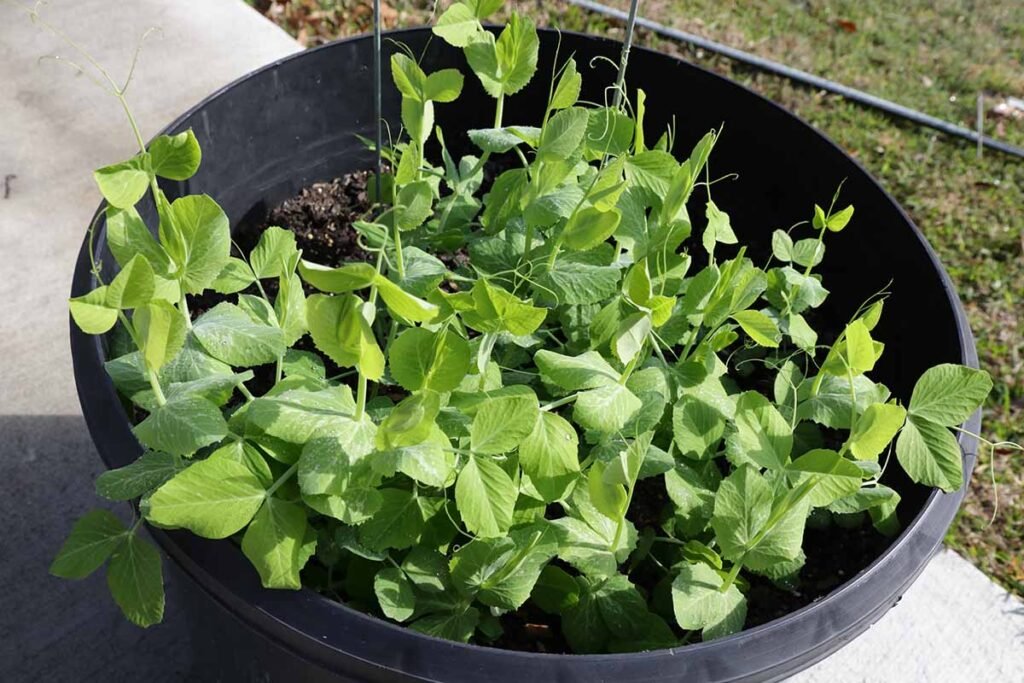
The right containers and soil are crucial for healthy pea growth:
- Container Size: Minimum depth of 12 inches for bush varieties; 12–18 inches for climbing types. Width of 12–15 inches per plant allows adequate root development.
- Material: Plastic, clay, or ceramic containers with drainage holes prevent waterlogging.
- Soil Composition: Well-draining potting soil enriched with compost or organic matter provides essential nutrients. Avoid compacted or heavy soils.
- pH Level: Slightly acidic to neutral soil (pH 6.0–7.0) promotes strong growth.
Proper containers and nutrient-rich soil support root development, healthy foliage, and abundant pod formation.
Planting Peas on a Balcony
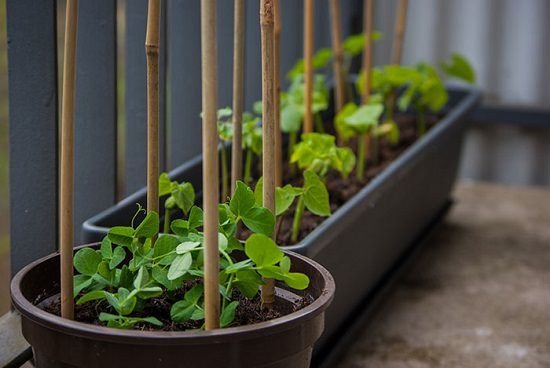
Correct planting techniques enhance growth and yield:
- Seeds: Sow seeds directly into containers 1–2 inches deep. Space seeds 2–3 inches apart for bush varieties and 3–4 inches for climbing types.
- Watering: Water lightly after sowing to settle the soil. Maintain consistent moisture during germination.
- Germination: Peas typically germinate in 7–14 days, depending on temperature and variety.
- Succession Planting: Sow seeds every 2–3 weeks to ensure continuous harvests.
Proper planting ensures strong seedlings, rapid growth, and abundant pod production.
Providing Support for Climbing Peas
Most pea varieties benefit from vertical support to maximize space:
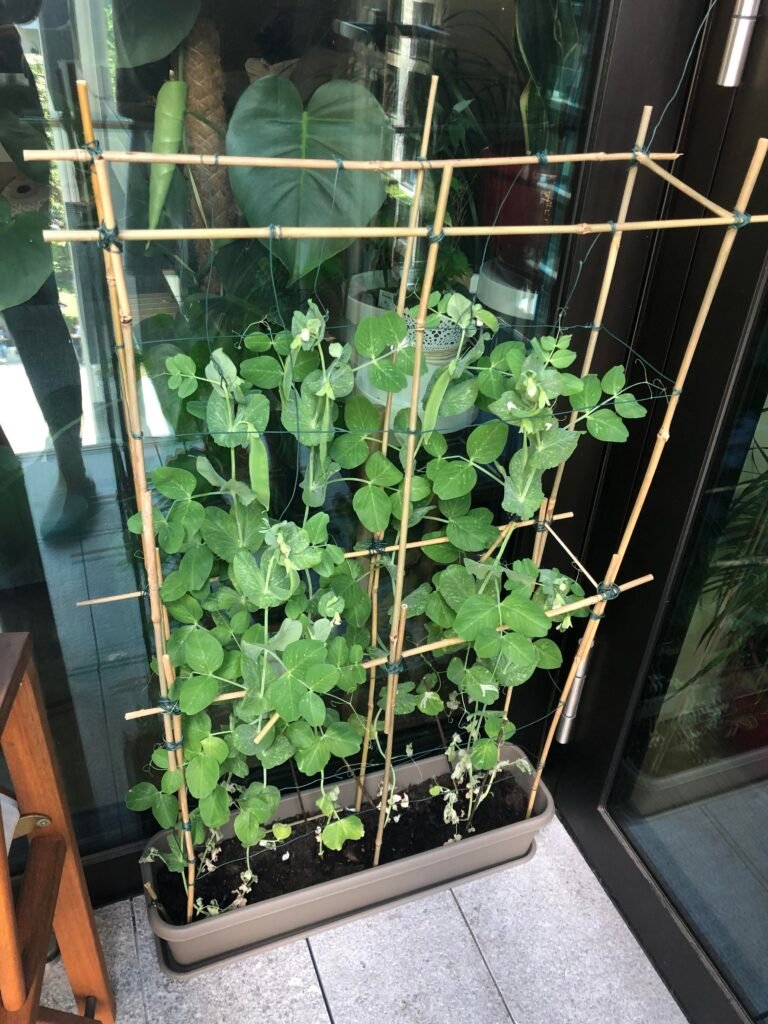
- Trellises: Bamboo sticks, wooden frames, or metal trellises provide sturdy support.
- Netting: Lightweight garden netting allows vines to climb efficiently.
- String Supports: Simple strings attached from the container to an overhead structure can guide vertical growth.
- Training Vines: Tie stems loosely to supports to prevent breakage as the plant grows.
Support structures improve airflow, sunlight exposure, and pod development, making them essential for balcony gardens.
Light and Temperature Requirements
Peas thrive in bright, moderate conditions:
- Sunlight: Provide 6–8 hours of direct sunlight daily. Place containers near south- or west-facing balcony walls for optimal growth.
- Artificial Lighting: For low-light conditions, use LED grow lights for 12–14 hours daily.
- Temperature: Optimal daytime temperatures are 55–70°F. Peas are cool-season crops and tolerate light frost but may struggle in high heat.
Adequate light and moderate temperatures support flowering, pod set, and vigorous growth.
Watering and Moisture Management
Proper watering ensures rapid growth and abundant yields:
- Frequency: Keep soil evenly moist but avoid waterlogging. Peas are sensitive to both drought and excess water.
- Method: Water at the base of plants to prevent fungal diseases on foliage.
- Mulching: Use straw or coconut coir to retain soil moisture and regulate temperature.
Consistent moisture encourages healthy roots, robust vines, and plump pods.
Fertilization and Nutrient Management
Peas are nitrogen-fixing plants but benefit from balanced nutrition:
- Pre-Planting Enrichment: Mix compost or organic matter into the soil to provide initial nutrients.
- Ongoing Fertilization: Apply low-nitrogen fertilizers to avoid excessive foliage growth at the expense of pod development. Phosphorus and potassium support flowering and fruiting.
- Soil Health: Avoid over-fertilization, as excessive nitrogen can hinder pod formation.
Balanced nutrition promotes strong, healthy vines and abundant, flavorful pods.
Pest and Disease Management
Even balcony gardens require vigilance against pests and diseases:
- Common Pests: Aphids, spider mites, and pea weevils.
- Organic Controls: Use neem oil, insecticidal soaps, companion planting, or manual removal to manage pests.
- Disease Prevention: Ensure proper drainage, adequate spacing, and airflow. Avoid overhead watering to reduce fungal infections like powdery mildew.
Regular monitoring and proactive care maintain healthy plants and maximize yields.
Harvesting Peas
Timely harvesting ensures sweetness and productivity:
- Indicators: Pods are ready when they are plump but still tender. Harvest regularly to encourage continued production.
- Technique: Gently pinch or cut pods from vines to avoid damaging the plant.
- Continuous Harvest: Frequent picking promotes new pod formation and extends the harvest season.
Proper harvesting ensures flavorful, tender peas and continuous yields throughout the growing season.
Space Optimization for Balcony Gardens
Maximizing limited balcony space improves productivity:
- Vertical Gardening: Utilize trellises, wall-mounted racks, or hanging containers to grow multiple plants efficiently.
- Companion Planting: Plant herbs like basil or mint alongside peas to enhance aesthetics and deter pests.
- Succession Planting: Sow new seeds every 2–3 weeks for ongoing harvests without overcrowding.
Efficient use of vertical and horizontal space allows abundant pea production in confined areas.
Sustainability and Health Benefits
Balcony-grown peas support sustainable gardening and a healthy lifestyle:
- Chemical-Free Produce: Homegrown peas avoid synthetic fertilizers and pesticides.
- Nutritional Value: Peas are rich in protein, fiber, vitamins, and antioxidants.
- Urban Gardening: Balcony cultivation makes fresh vegetables accessible in apartments or urban areas.
- Environmental Impact: Reduces reliance on store-bought produce, packaging, and transportation.
Growing peas on a balcony combines environmental responsibility, nutrition, and practical urban gardening.
Conclusion
Pea plants are ideal for balcony gardening, offering sweet, nutritious pods in a compact, space-efficient format. By selecting suitable varieties, providing well-draining soil, ensuring adequate light and moderate temperatures, and implementing proper support, watering, and fertilization practices, gardeners can achieve continuous, high-quality yields. Regular harvesting, pest management, and succession planting further enhance productivity, even in limited spaces. Balcony pea cultivation allows urban gardeners to enjoy fresh, chemical-free vegetables year-round while promoting sustainability, health, and self-sufficiency. With careful planning and attentive care, even small balconies can become productive gardens yielding tender, flavorful peas for daily meals and salads, bringing the satisfaction of gardening into urban living spaces.