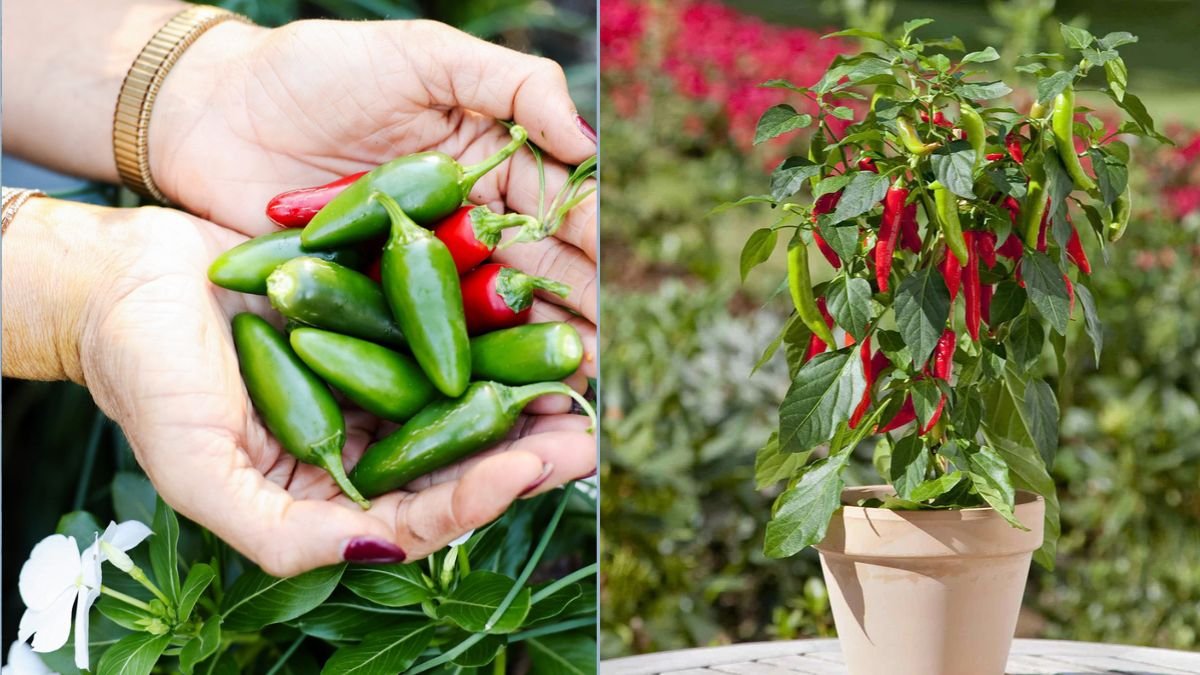
Growing fresh vegetables at home has become increasingly popular, especially in urban environments where outdoor gardening space is limited. Among the most versatile and colorful vegetables, peppers are ideal for kitchen counter gardens due to their compact size, vibrant colors, and culinary versatility. Compact pepper varieties thrive in small containers, making them perfect for indoor cultivation. This article provides a detailed, step-by-step guide on growing compact peppers on kitchen counters, covering everything from variety selection and container preparation to care routines, pest management, and harvesting strategies.
Benefits of Growing Compact Peppers Indoors
Growing compact peppers indoors offers multiple advantages:
- Fresh, Nutrient-Rich Produce: Homegrown peppers are packed with vitamins A, C, and antioxidants, enhancing the nutritional value of meals.
- Space Efficiency: Compact varieties grow well in small containers, making them ideal for kitchen counters or windowsills.
- Aesthetic Appeal: Vibrant red, yellow, and orange peppers brighten kitchen spaces and add visual interest.
- Culinary Versatility: Peppers can be used fresh, roasted, or in salads, soups, and stir-fries.
- Educational and Therapeutic: Growing peppers indoors teaches plant care and promotes mindfulness, stress relief, and connection with nature.
Compact peppers combine practicality, nutrition, and beauty, making them an excellent choice for indoor gardeners.
Choosing the Right Compact Pepper Varieties
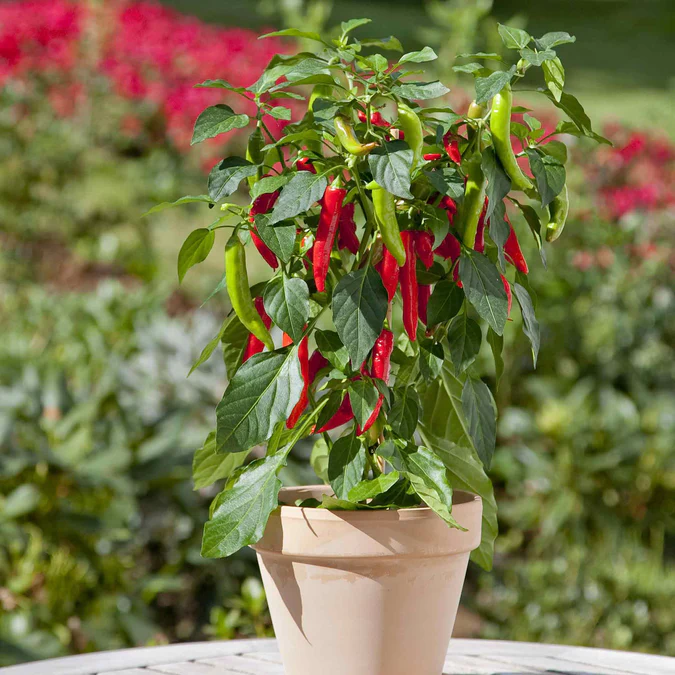
Selecting suitable varieties is crucial for successful kitchen counter gardening:
- Dwarf Bell Peppers: Varieties such as ‘Mini Bell,’ ‘Sweet Chocolate,’ and ‘Red Roble’ are compact, with short growth habits and high yield.
- Hot Peppers: ‘Numex Twilight,’ ‘Cayenne,’ and ‘Thai Hot’ thrive in small spaces and produce flavorful, spicy fruits.
- Compact Sweet Peppers: ‘Gypsy,’ ‘Mohawk,’ and ‘Snack Pepper’ are ideal for continuous indoor harvest.
For indoor kitchen gardens, dwarf and compact varieties are preferred as they remain manageable, productive, and visually appealing.
Selecting Containers
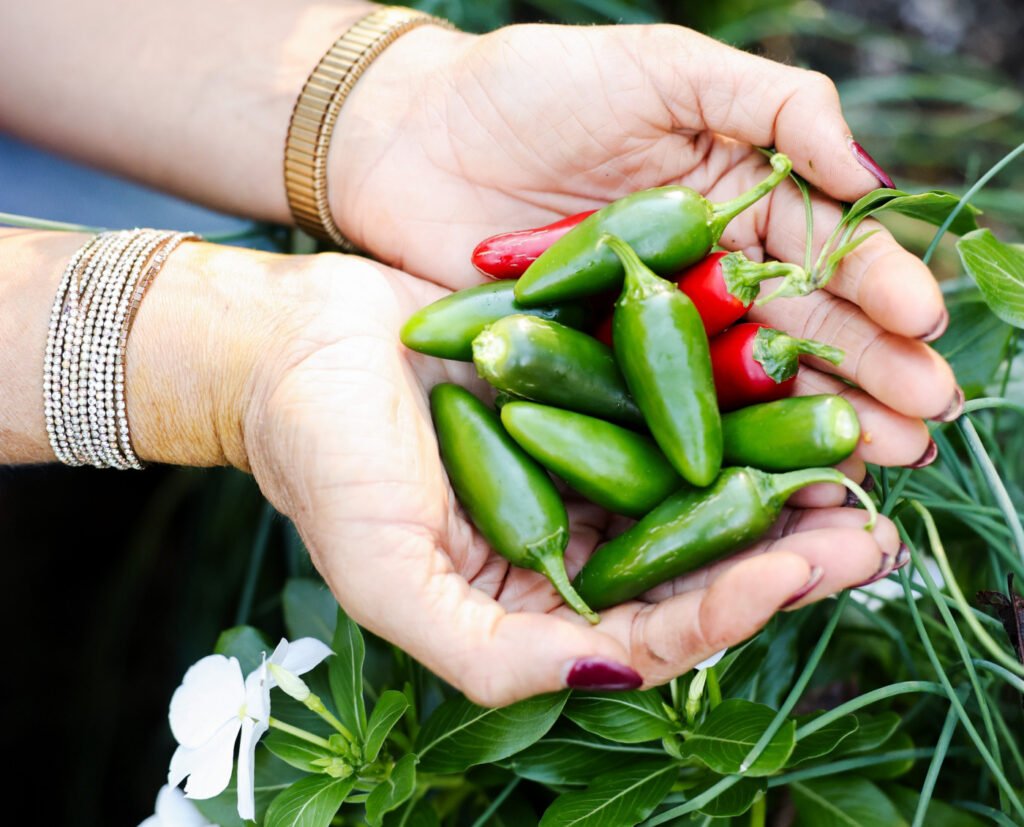
Choosing the right container ensures proper root development and plant health:
- Size: Compact peppers need containers at least 8–12 inches deep and 10–14 inches wide. Larger containers support better root growth and higher yields.
- Material: Plastic, ceramic, or terra-cotta containers work well. Plastic retains moisture, while terra-cotta provides better airflow.
- Drainage: Ensure containers have sufficient drainage holes to prevent waterlogging and root rot. Adding a layer of pebbles at the bottom improves drainage further.
Proper container selection is the foundation for healthy, thriving pepper plants on a kitchen counter.
Preparing the Soil
Healthy soil is essential for optimal growth:
- Soil Mix: Use high-quality potting soil enriched with organic compost and perlite for aeration and drainage. Avoid heavy garden soil, which can compact in containers.
- Fertility: Incorporate balanced, plant-based fertilizers to supply nitrogen, phosphorus, and potassium.
- pH Level: Peppers thrive in slightly acidic to neutral soil (pH 6.0–7.0). Adjust pH naturally using lime or peat moss if necessary.
Well-prepared soil promotes strong root systems, lush foliage, and abundant fruiting.
Sowing Seeds and Transplanting
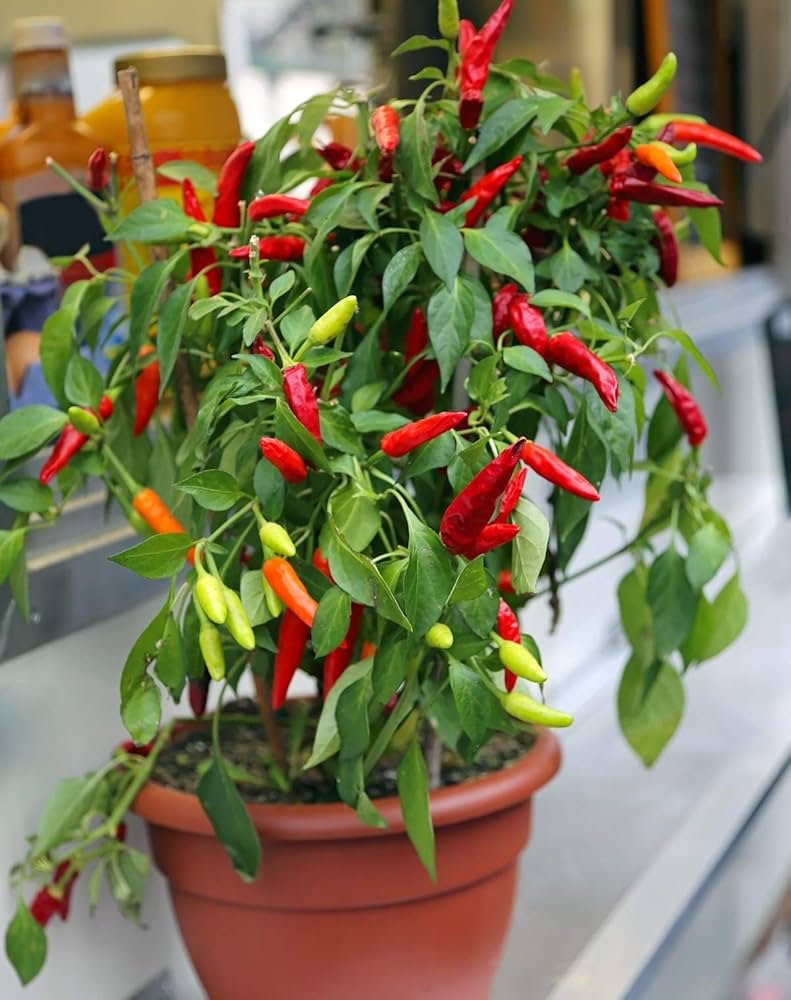
Proper seed starting and transplantation ensure healthy plants:
- Seed Germination: Start seeds in small trays or seedling pots, sowing ¼ inch deep. Keep seeds warm and moist for germination, typically 7–14 days.
- Transplanting: Once seedlings have 2–3 true leaves, transplant them into prepared containers. Leave an inch or two from the rim to allow room for watering.
- Spacing: Typically, one pepper plant per container is ideal for kitchen counter gardens. This prevents overcrowding and ensures proper airflow.
Starting seeds indoors gives peppers a strong foundation for growth in confined spaces.
Light Requirements
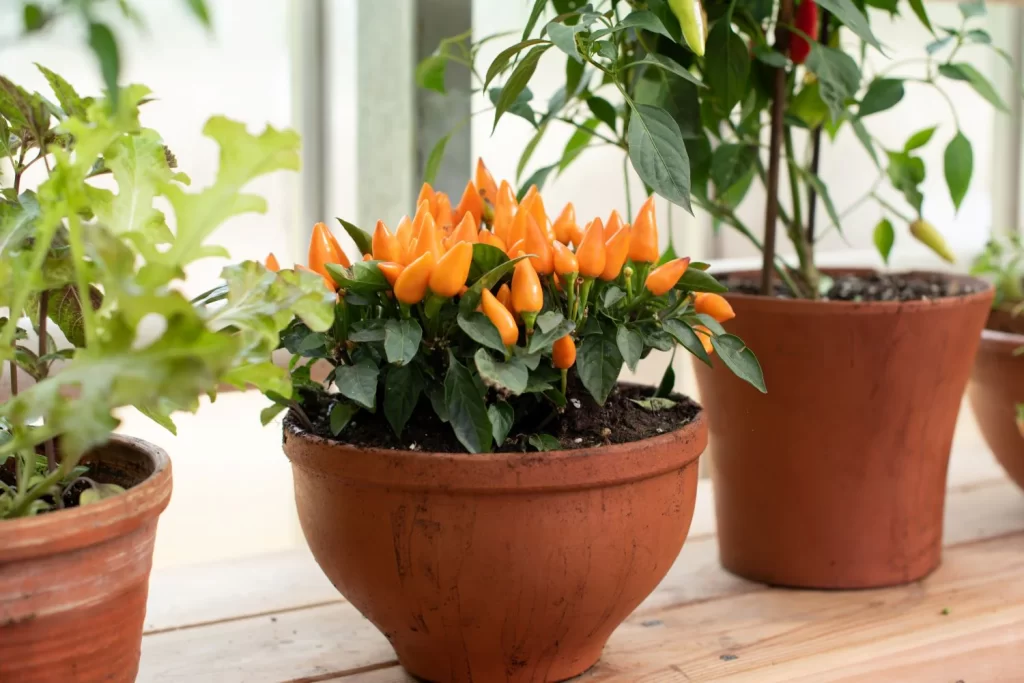
Adequate light is critical for compact pepper growth:
- Natural Sunlight: Place containers near south- or west-facing windows receiving at least 6–8 hours of direct sunlight per day.
- Artificial Light: Use LED or fluorescent grow lights if natural sunlight is insufficient. Position lights 6–12 inches above the plants and provide 12–16 hours of light daily.
- Rotation: Rotate containers periodically to ensure even light exposure and prevent plants from leaning toward the light.
Proper lighting promotes strong stems, vibrant leaves, and abundant fruit set.
Watering and Moisture Management
Consistent watering is essential for healthy peppers:
- Frequency: Keep soil consistently moist but not waterlogged. Check soil regularly, as indoor environments can dry out containers quickly.
- Method: Water at the base of plants to avoid wetting foliage, which can cause fungal diseases.
- Mulching: Apply a thin layer of organic mulch, such as straw or shredded leaves, to conserve moisture and regulate soil temperature.
Maintaining steady moisture prevents stress and encourages strong fruit development.
Fertilization During Growth
Regular feeding ensures optimal yield and flavor:
- Organic Fertilizers: Apply plant-based liquid fertilizers or compost tea every 2–3 weeks.
- Nutrient Focus: Nitrogen supports leafy growth, while phosphorus and potassium promote flowering and fruit development.
- Micronutrients: Calcium prevents blossom-end rot, while magnesium supports lush foliage and vibrant fruit color.
Balanced fertilization ensures peppers remain productive and flavorful throughout the growing season.
Supporting Growth and Pruning
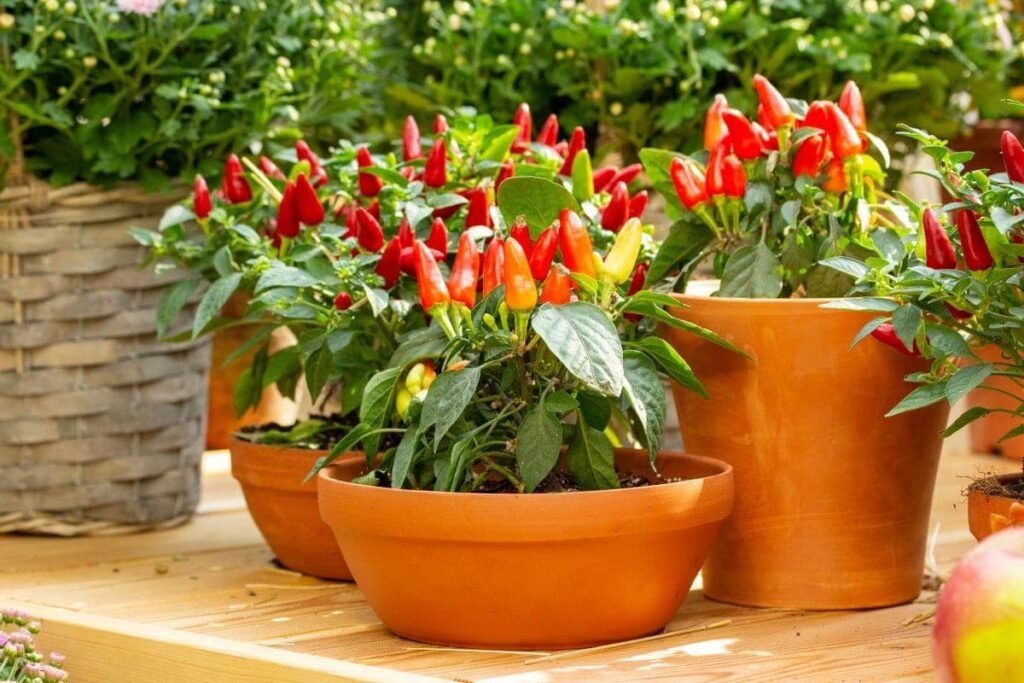
Even compact peppers benefit from structural support and careful pruning:
- Staking: Insert small stakes or bamboo sticks to prevent stems from bending under fruit weight.
- Pruning: Remove yellowing or damaged leaves to improve airflow and reduce disease risk. Pinch back tips if plants become too tall or leggy.
- Training: Guide stems gently as needed, ensuring fruits are not crowded and sunlight reaches lower leaves.
Proper support and pruning maintain plant health and maximize fruit production in limited spaces.
Pest and Disease Management
Indoor pepper gardens are relatively low-maintenance, but occasional pests or diseases may appear:
- Common Pests: Aphids, spider mites, and whiteflies may affect indoor peppers. Use neem oil, insecticidal soap, or introduce beneficial insects like ladybugs.
- Disease Prevention: Avoid overwatering, ensure proper spacing, and remove diseased leaves promptly.
- Hygiene: Clean containers and tools regularly to prevent fungal or bacterial infections.
By following preventive measures, indoor pepper plants remain healthy and productive.
Harvesting Compact Peppers
Harvesting at the right time ensures the best flavor and encourages continued production:
- Timing: Most compact varieties are ready to harvest 60–80 days after sowing.
- Indicators: Pick peppers when fully colored and firm to the touch. Some sweet peppers can be harvested green for early use or left to ripen for maximum sweetness.
- Technique: Use gentle hands or scissors to cut peppers from the plant to avoid damaging stems.
- Frequency: Regular harvesting stimulates continuous flowering and fruiting.
Freshly harvested peppers are vibrant, flavorful, and ideal for salads, cooking, or snacking.
Space Optimization and Creative Arrangements
Maximizing limited kitchen counter space enhances productivity and visual appeal:
- Multiple Containers: Grow a variety of pepper colors and types in separate pots to maximize yield and diversity.
- Tiered Shelves: Use vertical shelving to fit multiple plants without crowding counter space.
- Companion Planting: Pair peppers with herbs like basil, oregano, or parsley to enhance flavor and deter pests.
Creative arrangements improve both efficiency and aesthetics in small indoor spaces.
Conclusion
Compact peppers are an ideal choice for kitchen counter gardens, combining beauty, nutrition, and culinary versatility. With proper variety selection, container preparation, soil management, lighting, watering, and fertilization, even small indoor spaces can yield abundant, colorful peppers. Supporting plants with stakes, pruning carefully, and maintaining preventive care ensures continuous harvests and vibrant fruit production.
By following these steps, busy families and urban dwellers can transform their kitchen counters into productive indoor gardens, enjoying fresh, homegrown peppers year-round. Compact peppers demonstrate that with thoughtful planning, consistent care, and creativity, indoor gardening can be accessible, rewarding, and sustainable, even in limited spaces.