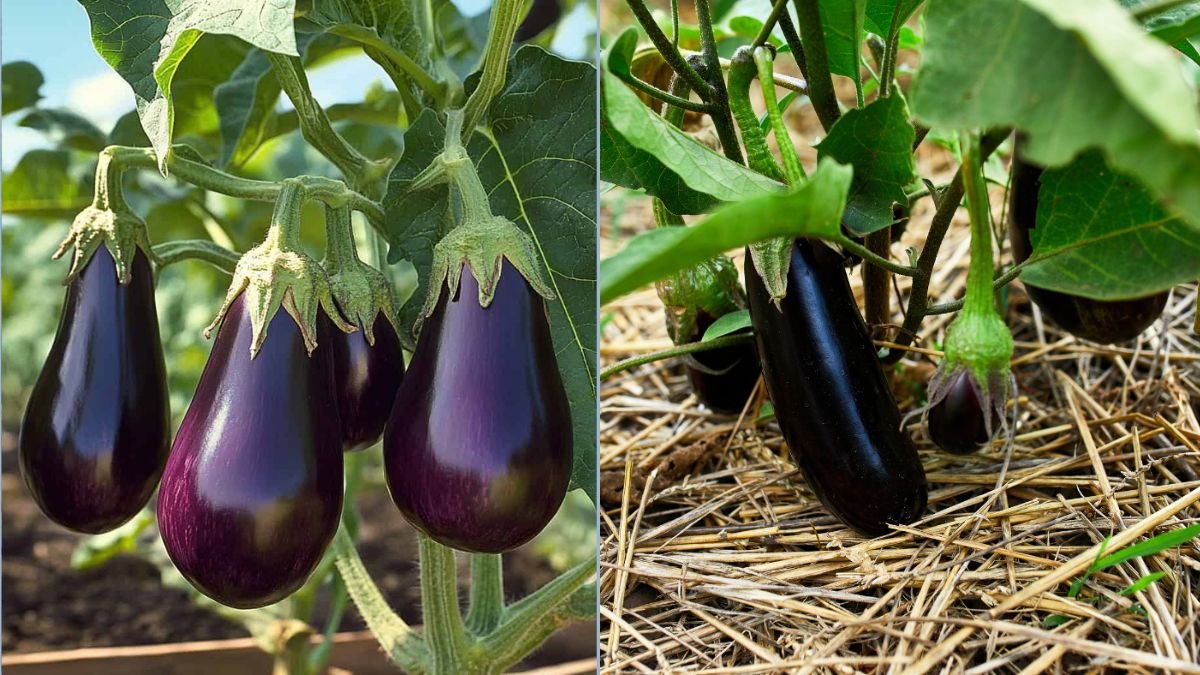
Eggplants, also known as aubergines, are nutritious, versatile, and visually appealing vegetables that can thrive in small-space gardens. For urban dwellers or apartment residents without access to a garden, growing eggplants in small pots offers a practical solution. With the right variety, container, soil, and care practices, even a limited space such as a balcony, terrace, or windowsill can produce a bountiful harvest. This article provides a comprehensive step-by-step guide on cultivating eggplants in small pots, covering selection, planting, care routines, pest management, and harvesting strategies.
Benefits of Growing Eggplants in Small Pots
Growing eggplants in small containers provides several advantages:
- Fresh and Nutritious Produce: Homegrown eggplants are rich in vitamins, minerals, fiber, and antioxidants, enhancing the nutritional quality of meals.
- Space Efficiency: Compact varieties can thrive in small pots, making them suitable for apartments or limited spaces.
- Aesthetic Value: Eggplants offer colorful fruits ranging from deep purple to white and green, adding vibrancy to indoor and balcony gardens.
- Culinary Versatility: Eggplants can be used in a variety of dishes such as curries, stir-fries, roasted vegetables, and dips.
- Sustainability: Growing eggplants at home reduces reliance on store-bought produce and packaging, promoting sustainable living.
With minimal space and effort, small-pot eggplant cultivation enables consistent access to fresh, flavorful vegetables.
Choosing the Right Eggplant Variety
Selecting suitable varieties is crucial for small-pot cultivation:
- Compact or Dwarf Varieties: ‘Patio Baby,’ ‘Hansel,’ and ‘Fairy Tale’ are ideal for limited spaces, producing smaller plants that fit comfortably in pots.
- Bush Varieties: Bush eggplants grow upright and are manageable in small containers while still yielding abundant fruits.
- Round or Mini Varieties: ‘Little Fingers’ and ‘Tommy’s Round’ produce small fruits suitable for indoor harvesting.
Choosing compact and bush varieties ensures manageable growth while maximizing yield in small pots.
Selecting Containers
The right container supports healthy root development and plant growth:
- Size: Use pots at least 10–12 inches deep and 12–14 inches wide for a single eggplant. Larger pots are preferable for multiple plants or larger varieties.
- Material: Plastic, resin, or ceramic pots retain moisture and provide durability. Terra-cotta allows better airflow but may require more frequent watering.
- Drainage: Ensure sufficient drainage holes to prevent waterlogging and root rot. A layer of pebbles or perlite at the bottom improves drainage.
- Portability: Lightweight pots allow movement to optimize sunlight or protect plants from extreme weather conditions.
Proper containers form the foundation for healthy growth in small spaces.
Soil Preparation
Eggplants require nutrient-rich, well-draining soil:
- Potting Mix: Use high-quality potting soil mixed with compost and perlite or vermiculite to improve drainage and fertility.
- Fertility: Eggplants are heavy feeders; incorporate plant-based fertilizers to provide nitrogen for foliage and phosphorus/potassium for flowering and fruiting.
- pH Level: Eggplants prefer slightly acidic to neutral soil, with a pH range of 5.5–7.0. Adjust using lime or peat moss if necessary.
- Moisture Retention: Coconut coir or peat moss can help maintain consistent moisture without waterlogging.
Healthy soil ensures strong root systems, lush foliage, and abundant fruit production.
Sowing Seeds and Transplanting
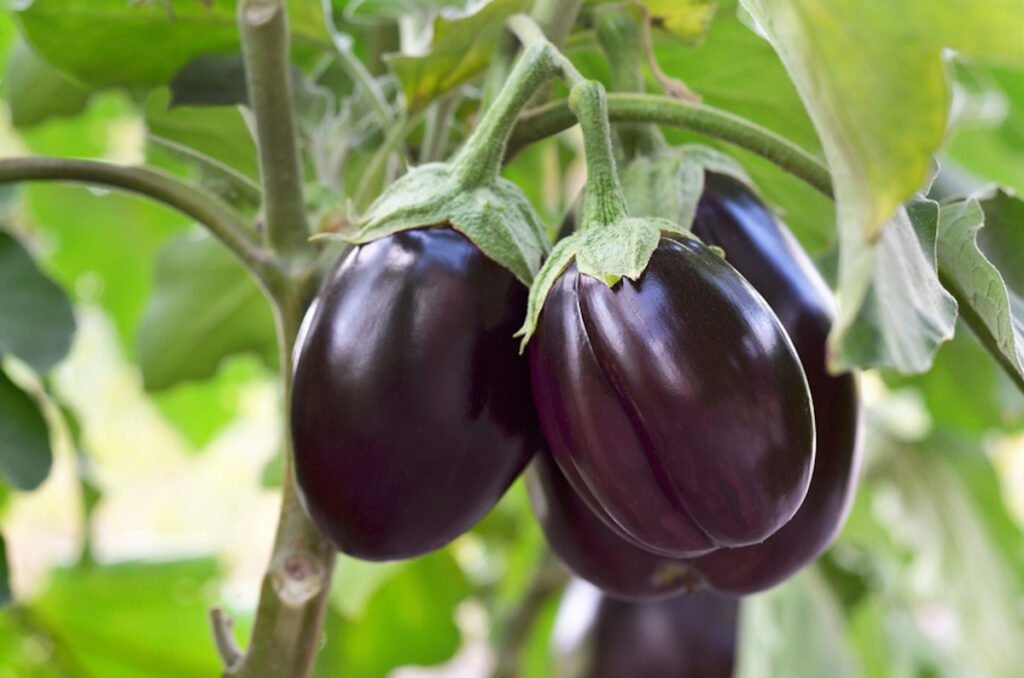
Proper sowing and transplantation techniques ensure strong plants:
- Seed Germination: Start seeds in small trays or seedling pots, sowing ¼ inch deep. Maintain warm, moist conditions for 7–14 days until germination occurs.
- Transplanting: Once seedlings have 2–3 true leaves, transplant them into prepared pots. Leave 1–2 inches from the rim for watering.
- Spacing: One plant per pot is recommended for compact eggplants to prevent overcrowding and ensure sufficient nutrients.
Starting seeds indoors allows better control over germination and early growth, ensuring healthy seedlings.
Light Requirements
Adequate light is crucial for eggplants:
- Natural Sunlight: Eggplants thrive in full sunlight, ideally 6–8 hours daily. Place pots near south- or west-facing windows, balconies, or terraces.
- Artificial Light: If natural sunlight is limited, use LED or fluorescent grow lights positioned 6–12 inches above the plants for 12–14 hours daily.
- Rotation: Rotate pots periodically to ensure even light exposure and prevent plants from leaning toward the light source.
Sufficient light promotes strong stems, healthy leaves, and vibrant fruit production.
Watering and Moisture Management
Consistent watering is essential for healthy eggplants:
- Frequency: Keep soil consistently moist but not waterlogged. Shallow pots dry quickly, requiring more frequent monitoring.
- Method: Water at the base of plants to avoid wetting foliage, reducing the risk of fungal diseases.
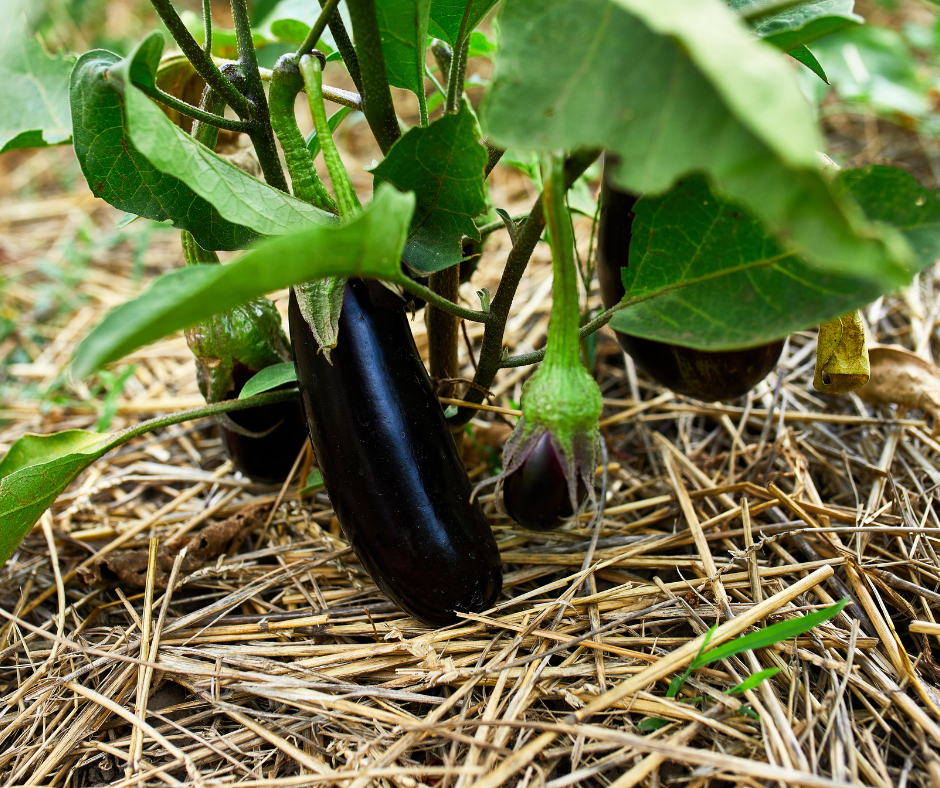
- Mulching: Organic mulch, such as straw or shredded leaves, helps retain moisture, regulate temperature, and reduce soil erosion.
Proper watering encourages healthy roots, reduces plant stress, and promotes fruit development.
Fertilization and Nutrient Management
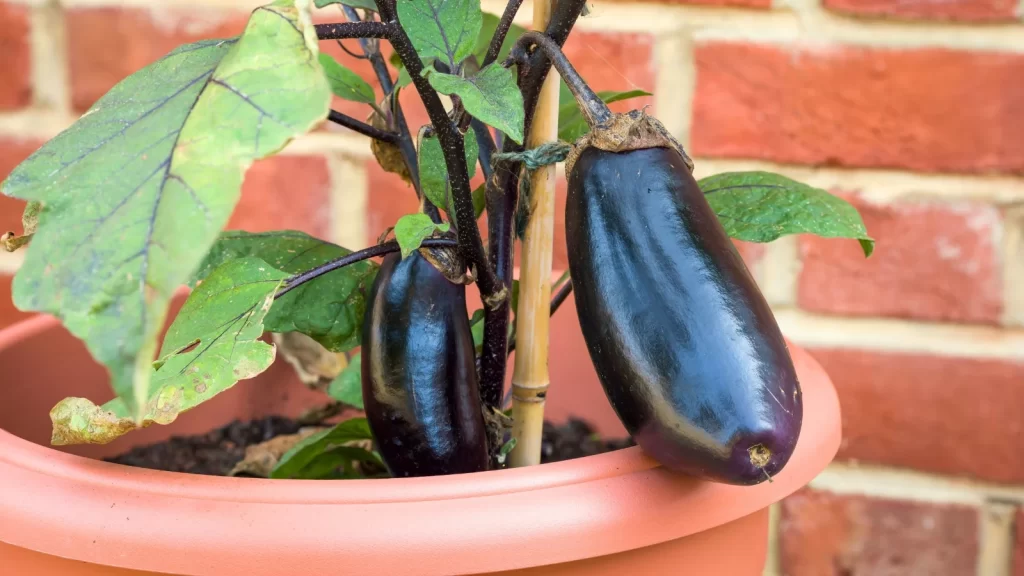
Regular fertilization ensures abundant flowering and fruiting:
- Organic Fertilizers: Use plant-based liquid fertilizers or compost tea every 2–3 weeks.
- Nutrient Focus: Nitrogen supports leaf growth, while phosphorus and potassium enhance flowers and fruit production.
- Micronutrients: Calcium prevents blossom-end rot, and magnesium ensures healthy foliage and vibrant fruits.
Balanced fertilization ensures compact eggplants remain productive and flavorful.
Supporting Growth and Pruning
Even small pots benefit from structural support:
- Staking: Insert small stakes or bamboo sticks to support stems and prevent bending under fruit weight.
- Pruning: Remove yellowing or damaged leaves to improve airflow and reduce disease risk. Pinch back tips if plants become leggy.
- Training: Gently guide stems as needed, ensuring fruits are not crowded and sunlight reaches lower leaves.
Support and pruning improve plant health and fruit yield in small spaces.
Pest and Disease Management
Small-pot eggplants are relatively low-maintenance, but vigilance is important:
- Common Pests: Aphids, spider mites, and whiteflies may appear. Treat with neem oil, insecticidal soap, or introduce beneficial insects like ladybugs.
- Disease Prevention: Ensure proper spacing, avoid overwatering, and remove diseased leaves promptly.
- Hygiene: Clean pots, stakes, and tools regularly to prevent fungal or bacterial infections.
Proactive care ensures healthy, productive eggplants in indoor or balcony gardens.
Harvesting Eggplants
Proper harvesting ensures maximum flavor and encourages continued fruiting:
- Timing: Harvest fruits 60–90 days after transplanting, depending on variety. Compact eggplants typically mature faster.
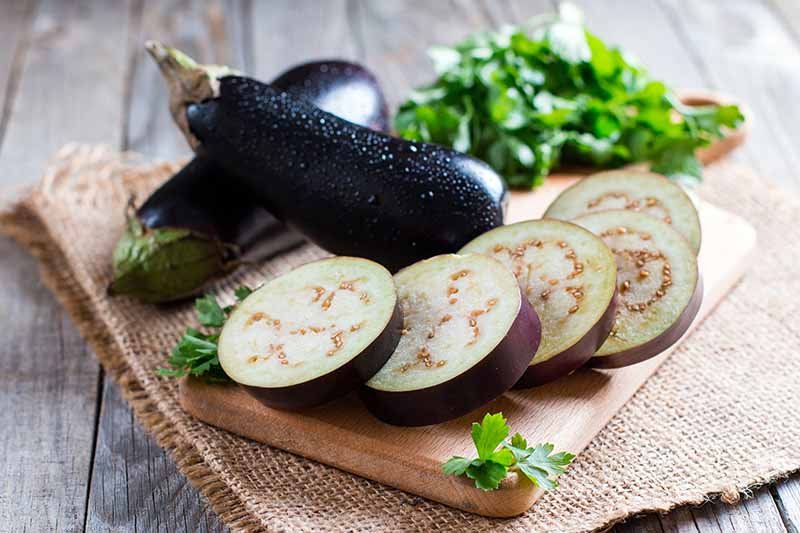
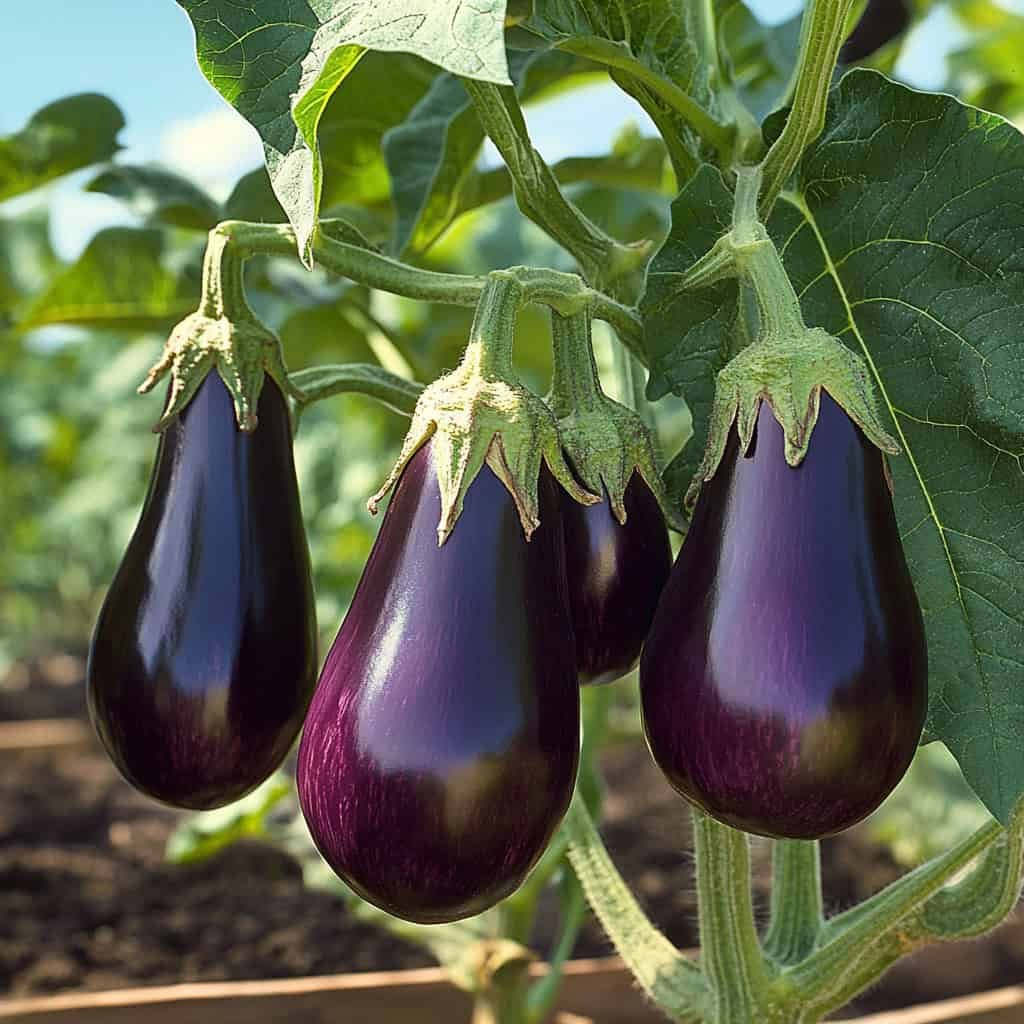
- Indicators: Pick fruits when they are glossy, firm, and fully colored. Overripe fruits become dull and bitter.
- Technique: Use gentle hands or scissors to cut fruits from the plant, avoiding damage to stems.
- Frequency: Regular harvesting stimulates further flowering and fruiting.
Freshly harvested eggplants are tender, flavorful, and ideal for a variety of dishes.
Creative Indoor and Small-Space Strategies
Maximize productivity and aesthetics in small gardens:
- Multiple Pots: Grow different compact varieties in separate pots for variety and visual appeal.
- Tiered Shelves: Vertical arrangements allow multiple plants in limited floor space.
- Companion Planting: Pair eggplants with herbs like basil or parsley to enhance flavor and deter pests.
- Portability: Lightweight pots allow moving plants for better sunlight, temperature control, or indoor decoration.
Creative setups optimize space and make small-pot gardening visually appealing and efficient.
Conclusion
Growing eggplants in small pots is a practical and rewarding approach for urban dwellers, apartment residents, and small-space gardeners. By selecting compact or dwarf varieties, preparing nutrient-rich soil, using appropriate containers, providing sufficient light, and maintaining proper watering and fertilization, gardeners can enjoy fresh, homegrown eggplants year-round. Supporting plants with stakes, pruning regularly, and implementing preventive pest management ensures healthy, productive plants even in limited spaces.
Small-pot eggplant gardening demonstrates that with careful planning, consistent care, and creativity, fresh, flavorful, and nutritious vegetables are accessible to anyone, regardless of outdoor space. Balcony gardens, terraces, and indoor setups can become productive, sustainable, and visually appealing areas, providing a continuous harvest of versatile eggplants for healthy, vegetarian meals.