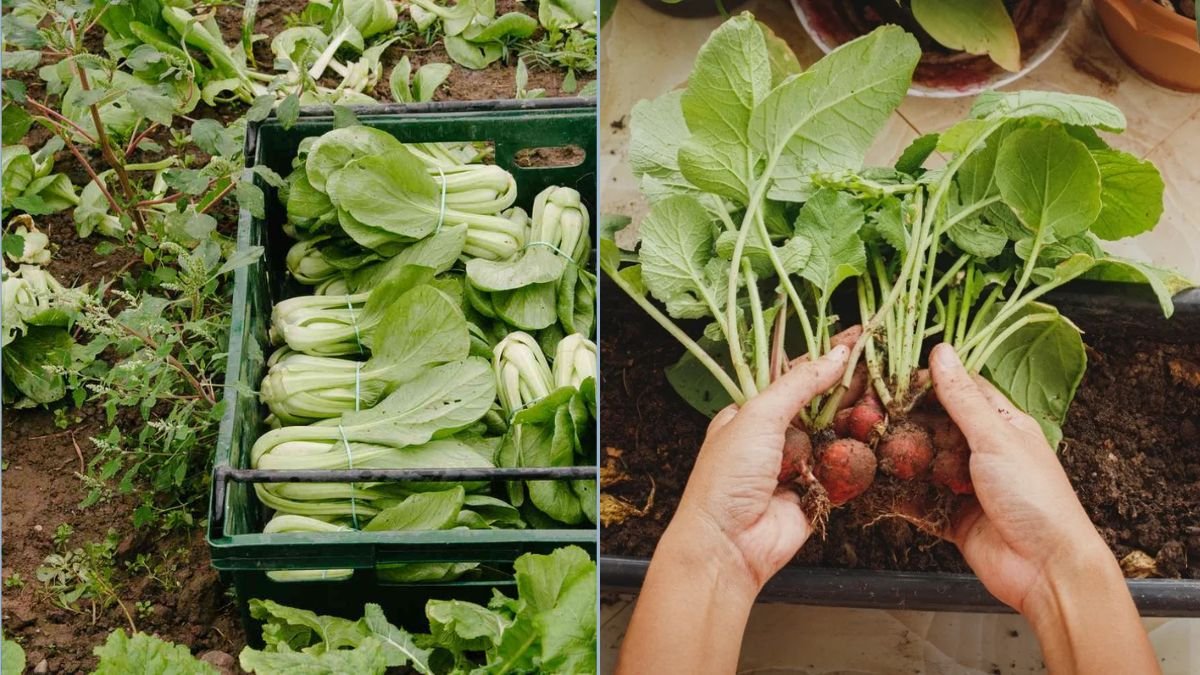
In today’s fast-paced world, many individuals struggle to maintain a balanced diet while juggling work, family, and other commitments. Growing vegetables at home is a powerful way to ensure access to fresh, nutritious produce, but time constraints often deter people from starting a garden. Quick-harvest vegetables provide a practical solution, allowing busy individuals to enjoy homegrown food with minimal wait times. These fast-growing crops thrive in small spaces, containers, or even windowsills, offering continuous, nutrient-rich yields. This article provides a comprehensive guide to selecting, planting, caring for, and harvesting quick-harvest vegetables, ensuring productivity for time-conscious gardeners.
Benefits of Growing Quick-Harvest Vegetables
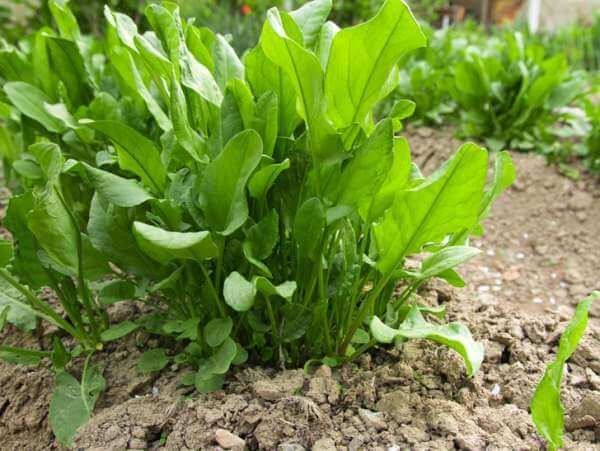
Growing fast-growing vegetables has several advantages for busy people:
- Time Efficiency: Quick harvest vegetables mature in weeks, allowing for rapid gratification and repeated planting cycles.
- Nutritional Value: Freshly harvested vegetables retain more vitamins, minerals, and antioxidants compared to store-bought produce.
- Space Optimization: Many quick-growing vegetables are compact and thrive in containers, balcony gardens, or small indoor spaces.
- Stress Reduction: Gardening, even in small amounts, promotes mindfulness and mental well-being.
- Cost Savings: Growing vegetables at home reduces grocery bills while offering pesticide-free produce.
- Culinary Flexibility: Quick-harvest vegetables are versatile, ideal for salads, soups, stir-fries, and snacks.
By focusing on these fast-growing crops, even individuals with limited time can enjoy the benefits of home gardening.
Selecting Quick-Harvest Vegetables
Choosing appropriate vegetables is essential to maximize time efficiency. Focus on crops that mature in 20–60 days:
- Leafy Greens:
- Lettuce (Lactuca sativa): Loose-leaf varieties like ‘Buttercrunch’ or ‘Red Sails’ are fast-growing and ideal for successive planting.
- Spinach (Spinacia oleracea): Matures in as little as 25–30 days; perfect for salads and smoothies.
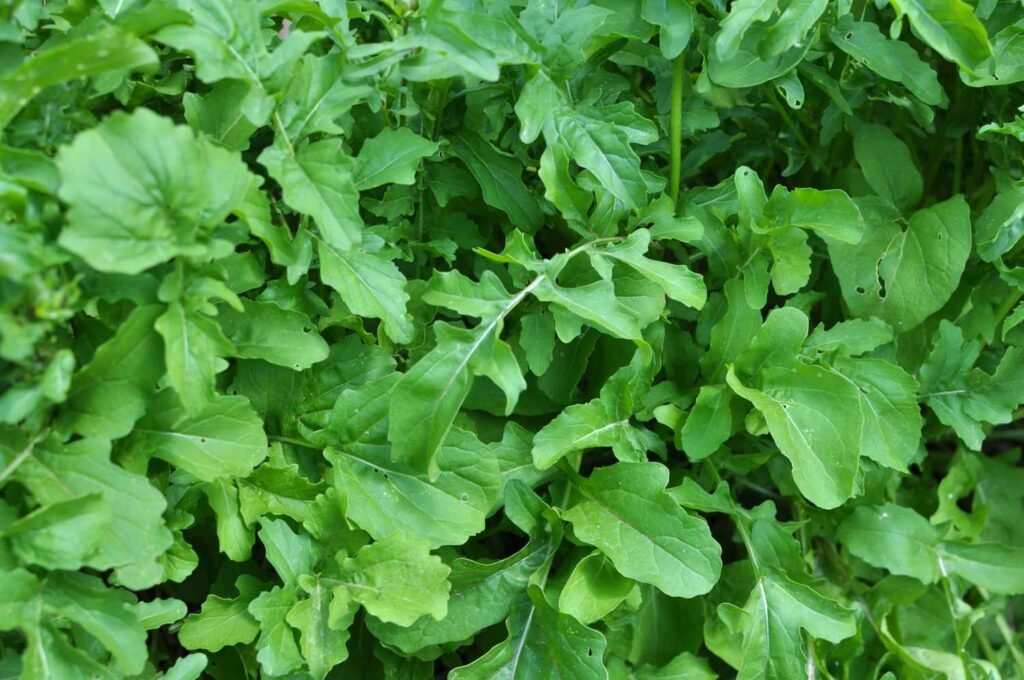
- Arugula (Eruca sativa): Offers a peppery flavor and grows rapidly in as little as 20 days.
- Kale (Brassica oleracea var. sabellica): Quick-growing varieties provide continuous harvest with minimal effort.
- Root Vegetables:
- Radishes (Raphanus sativus): Extremely fast-growing, maturing in 20–30 days.
- Baby Carrots (Daucus carota): Compact varieties grow well in containers and mature in 50–60 days.
- Small Fruit Vegetables:
- Cherry Tomatoes (Solanum lycopersicum var. cerasiforme): Compact varieties like ‘Tiny Tim’ produce edible fruits in 50–60 days.
- Mini Cucumbers (Cucumis sativus): Bush varieties like ‘Tasty Green’ or ‘Bush Champion’ mature quickly and are suitable for containers.
- Herbs:
- Basil (Ocimum basilicum): Thrives in containers and grows rapidly for fresh garnishes.
- Cilantro (Coriandrum sativum): Fast-growing and ideal for salads, salsas, and curries.
- Chives (Allium schoenoprasum): Provides flavor in a compact form and grows well indoors.
By selecting crops that mature quickly, gardeners can enjoy repeated harvests and minimal waiting times.
Container Gardening for Quick Harvest Crops
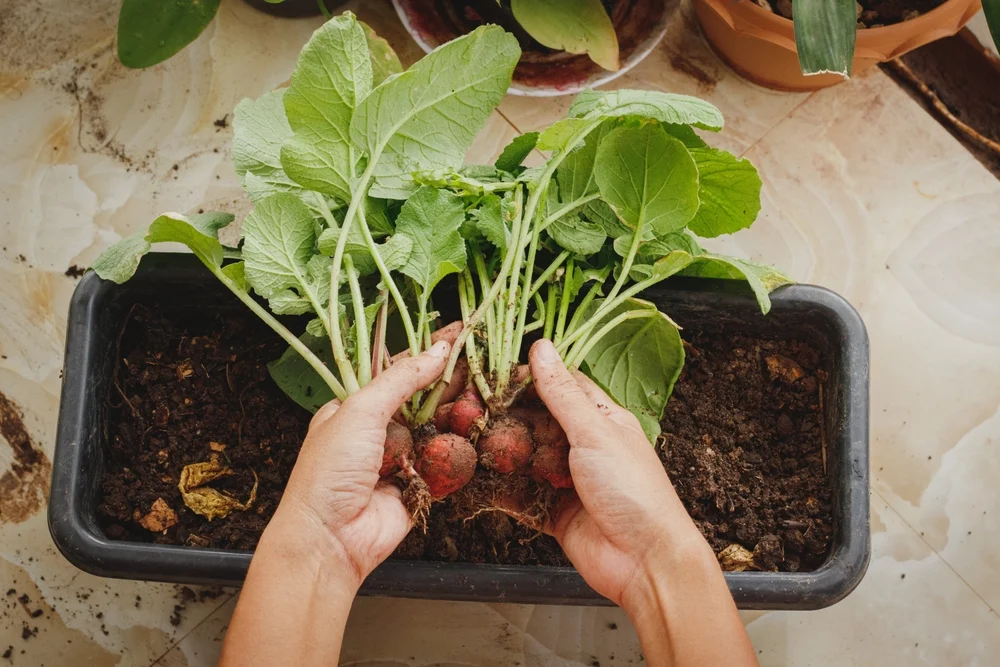
Containers are ideal for busy people who may lack outdoor space:
- Container Size: Leafy greens and herbs require 6–8 inch pots, while root vegetables and small fruits need deeper containers (8–12 inches).
- Material: Plastic, resin, or ceramic containers are lightweight and retain moisture. Terra-cotta provides better airflow but dries faster.
- Drainage: Ensure adequate drainage holes and add a layer of pebbles or perlite to prevent waterlogging.
- Mobility: Lightweight containers can be moved to maximize sunlight or protect plants from extreme weather.
Container gardening allows flexibility, making it easy to tend plants even with a busy schedule.
Soil Preparation
Healthy soil ensures fast growth and high yields:
- Potting Mix: Use high-quality potting soil enriched with compost and perlite for aeration. Avoid heavy garden soil that can compact in containers.
- Nutrient Content: Quick-harvest vegetables require nitrogen-rich soil for rapid leaf growth, along with phosphorus and potassium for root and fruit development.
- pH Level: Maintain slightly acidic to neutral soil (pH 6.0–7.0) for optimal nutrient absorption.
- Moisture Retention: Incorporate coconut coir or peat moss to maintain consistent moisture for fast-growing roots.
Well-prepared soil accelerates germination, growth, and overall productivity.
Sowing and Planting Techniques
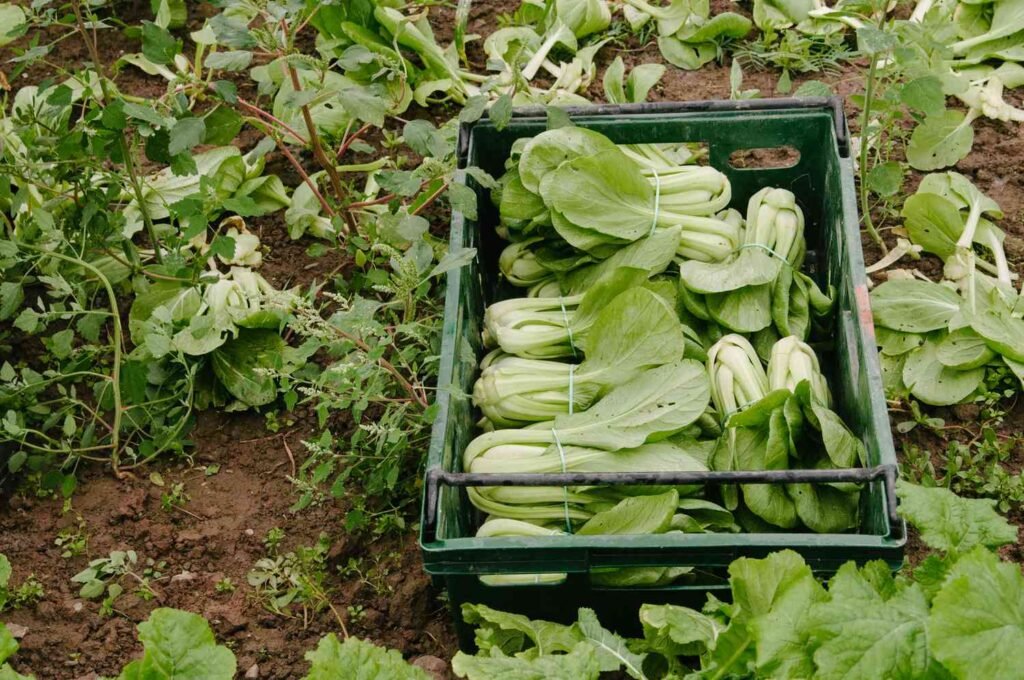
Efficient sowing and planting ensure rapid growth:
- Seed Depth: Follow packet instructions—generally ¼–½ inch for leafy greens and ½–1 inch for root vegetables.
- Succession Planting: Plant seeds every 1–2 weeks to ensure a continuous harvest.
- Transplanting: Start seeds in seed trays and transplant seedlings once they develop 2–3 true leaves.
- Spacing: Maintain adequate spacing to prevent overcrowding, which slows growth and encourages disease.
Strategic planting enables busy gardeners to maximize yield with minimal effort.
Light Requirements
Adequate light promotes rapid growth:
- Natural Light: Position containers near south- or west-facing windows for 4–6 hours of sunlight daily.
- Artificial Light: Use LED or fluorescent grow lights if natural light is insufficient. Position lights 6–12 inches above plants for 12–14 hours per day.
- Rotation: Rotate containers periodically to ensure even growth and prevent plants from leaning toward the light source.
Proper lighting supports photosynthesis, enhancing leaf size, color, and overall growth rate.
Watering and Moisture Management
Consistent moisture is critical for quick harvest crops:
- Frequency: Keep soil evenly moist, checking regularly as small containers dry quickly.
- Method: Water at the soil base to prevent leaf diseases and ensure roots receive adequate hydration.
- Mulching: Apply organic mulch to conserve moisture, suppress weeds, and maintain soil temperature.
Balanced watering promotes rapid growth and ensures tender, nutritious leaves and fruits.
Fertilization and Nutrient Management
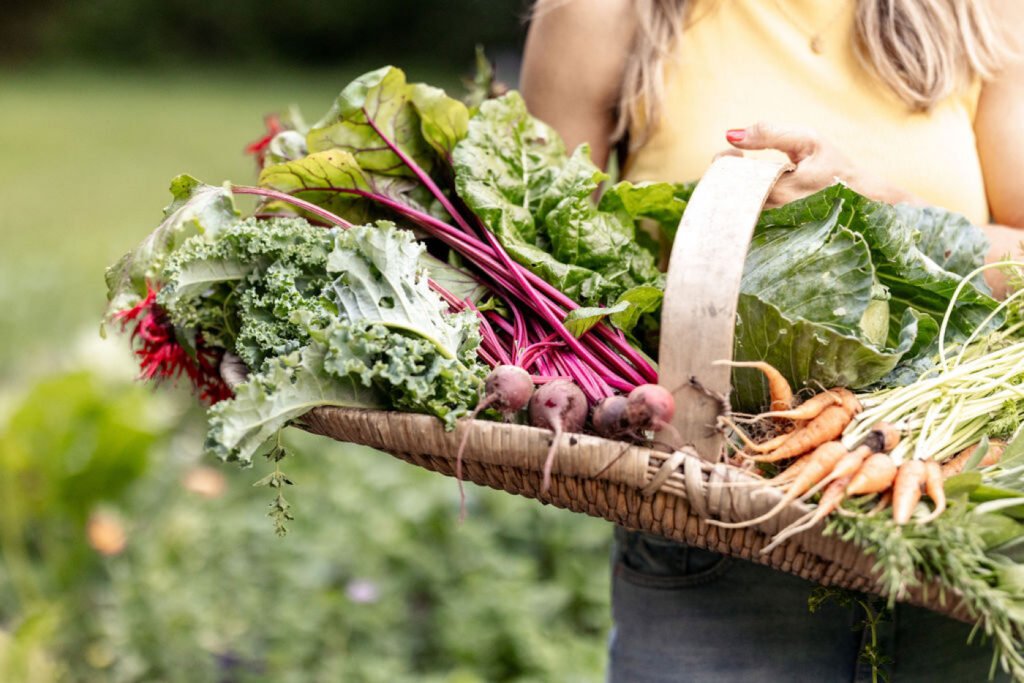
Quick-growing vegetables require regular feeding:
- Organic Fertilizers: Use plant-based liquid fertilizers or compost tea every 2–3 weeks.
- Nitrogen: Supports lush leafy growth for greens and herbs.
- Phosphorus and Potassium: Enhances root development and fruiting for radishes, carrots, tomatoes, and cucumbers.
- Micronutrients: Calcium and magnesium prevent deficiencies that can stunt growth or reduce flavor.
Balanced fertilization ensures maximum productivity and fast maturation.
Pest and Disease Management
Even indoor gardens require vigilance:
- Common Pests: Aphids, spider mites, and whiteflies may appear. Treat with neem oil, insecticidal soap, or introduce beneficial insects like ladybugs.
- Disease Prevention: Maintain proper spacing and airflow. Remove diseased leaves promptly.
- Hygiene: Clean containers, tools, and trays regularly to prevent contamination.
Proactive pest and disease management ensures fast-growing plants remain healthy.
Harvesting Quick-Harvest Vegetables
Timely harvesting is essential for maximum yield:
- Leafy Greens: Use the “cut-and-come-again” method, harvesting outer leaves while allowing inner leaves to continue growing.
- Root Vegetables: Harvest radishes and baby carrots at their recommended size for tenderness and flavor.
- Fruit Vegetables: Pick cherry tomatoes, mini cucumbers, or other small fruits when fully colored and firm.
- Herbs: Snip leaves regularly to encourage bushy growth and prevent bolting.
Frequent harvesting encourages successive growth and ensures a continuous supply of fresh produce.
Creative Strategies for Busy People
Enhance efficiency and productivity in limited time:
- Vertical Gardening: Use tiered shelves or wall-mounted planters to maximize space and increase light exposure.
- Companion Planting: Grow complementary plants together, such as basil with lettuce or radishes with spinach, to optimize space.
- Portable Containers: Move plants for optimal sunlight or indoor convenience.
- Succession Planting: Maintain a weekly sowing schedule to guarantee continuous harvests without delays.
These strategies reduce maintenance while increasing yield and accessibility for time-strapped individuals.
Conclusion
Quick-harvest vegetables provide a practical solution for busy people who want to enjoy fresh, homegrown produce without waiting months for crops to mature. By selecting fast-growing leafy greens, root vegetables, fruiting vegetables, and herbs, using appropriate containers, preparing nutrient-rich soil, and maintaining proper light, water, and fertilization, gardeners can achieve rapid and repeated harvests. Proactive pest management, efficient harvesting, and creative strategies like vertical gardening and succession planting further enhance productivity.
Even in limited indoor spaces, small balconies, or windowsills, busy individuals can cultivate nutritious, pesticide-free vegetables that contribute to healthier diets, culinary variety, and sustainable living. Quick-harvest vegetable gardening demonstrates that with planning, consistency, and minimal effort, anyone can enjoy the benefits of homegrown food—fresh, vibrant, and ready to harvest in weeks rather than months.