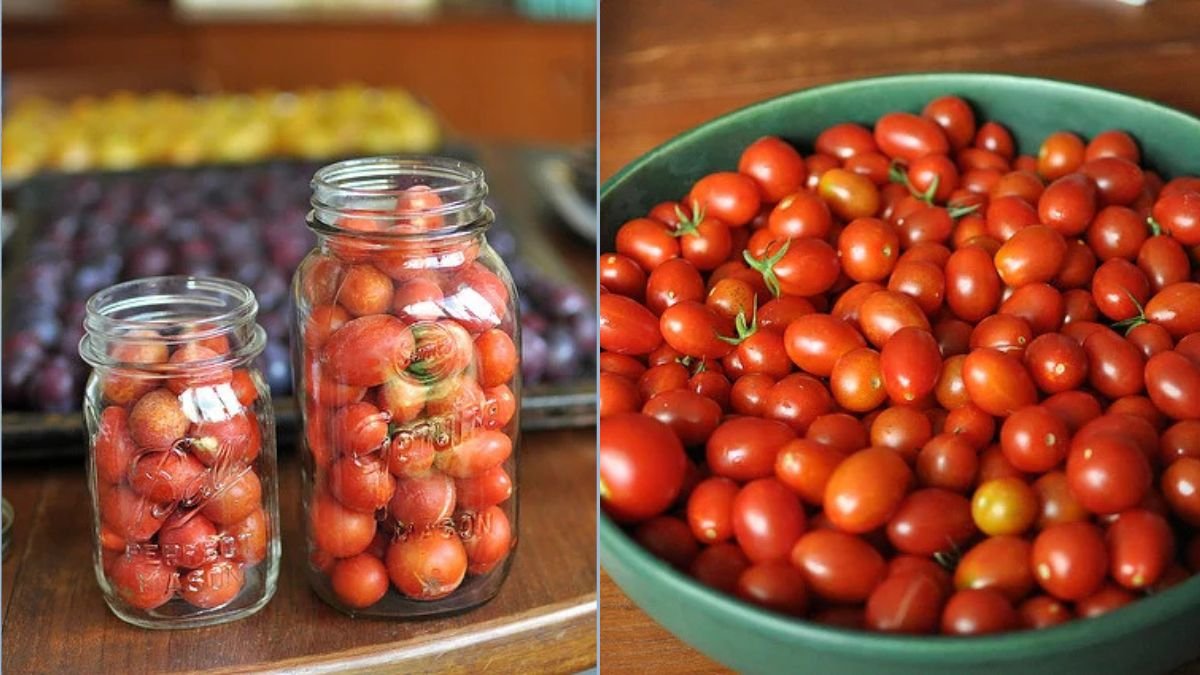
Growing tomatoes has traditionally been associated with outdoor gardens or large containers, but modern urban living and limited space need not prevent anyone from enjoying fresh, homegrown tomatoes. “Tomatoes in Jars” is an innovative indoor gardening hack that allows even apartment dwellers to cultivate this versatile fruit in small spaces. With the right techniques, varieties, and care routines, anyone can harvest vibrant, flavorful tomatoes right on a windowsill, balcony, or countertop. This article provides a comprehensive guide to growing tomatoes in jars, covering everything from plant selection and container preparation to care, pollination, and harvesting.
Why Grow Tomatoes in Jars?
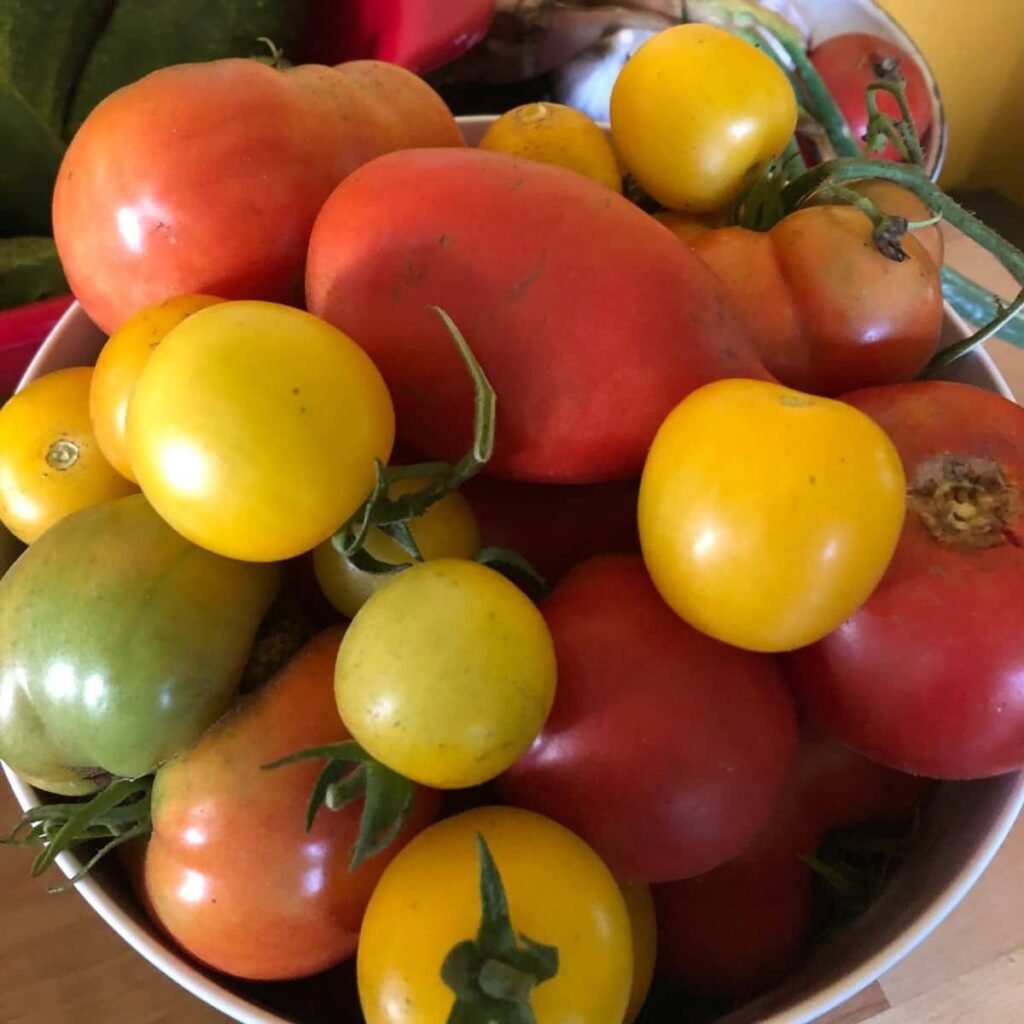
Tomatoes in jars offer multiple benefits for urban and indoor gardeners:
- Space-Saving: Ideal for apartments or homes without garden space, jars can fit on shelves, windowsills, or countertops.
- Fresh Produce: Homegrown tomatoes are richer in flavor and free from pesticides, offering a healthier alternative to store-bought produce.
- Educational: Growing tomatoes in jars provides an excellent opportunity for children and adults to learn about plant growth and nutrition.
- Therapeutic: Indoor gardening has been shown to reduce stress and promote mindfulness.
- Year-Round Gardening: With controlled lighting and care, jar-grown tomatoes can thrive indoors throughout the year.
This method democratizes tomato cultivation, allowing everyone to enjoy the satisfaction of homegrown vegetables regardless of space limitations.
Selecting the Right Tomato Variety
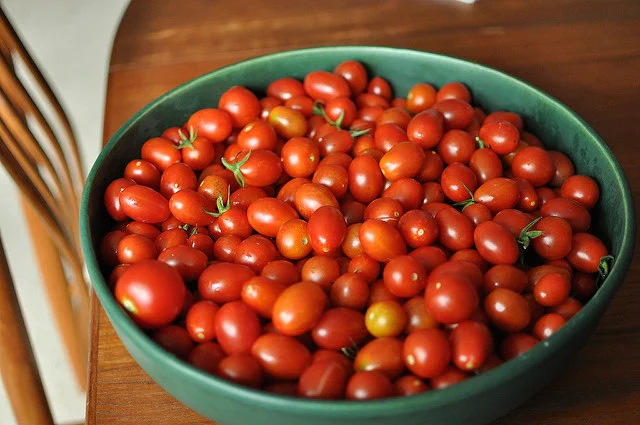
Choosing the correct tomato variety is crucial for success in jar gardening:
- Cherry Tomatoes: Varieties like ‘Tiny Tim,’ ‘Tumbling Tom,’ or ‘Sweet Million’ are ideal due to their compact growth and high fruit yield.
- Dwarf Determinate Varieties: ‘Patio Princess’ and ‘Red Robin’ are bred for small containers, making them perfect for jar cultivation.
- Indeterminate Varieties: Small-fruited indeterminate types can also be grown if vertical support is provided, though they may require pruning to stay manageable indoors.
Selecting compact or dwarf varieties ensures that the plant remains suitable for the confined space of a jar while still producing abundant fruit.
Choosing the Right Jar
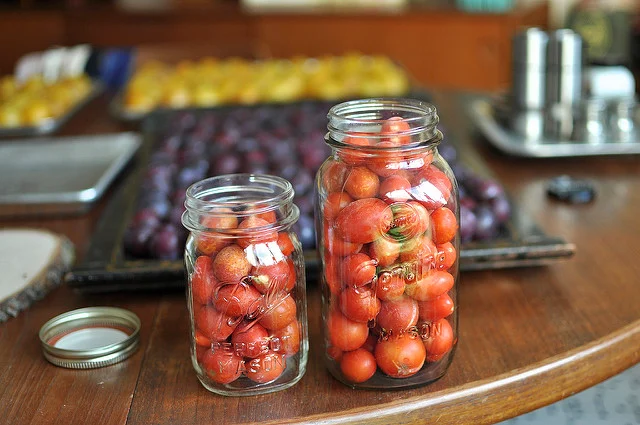
The container is one of the most important factors for successful tomato growth:
- Size: Use jars that are at least 6–8 inches deep and 6 inches wide for a single plant. Larger jars support more root development and improve yield.
- Material: Glass jars are visually appealing but can heat up quickly; plastic jars are lighter and safer for handling.
- Drainage: Drill or punch holes in the bottom for water drainage, as standing water can cause root rot. If modifying a jar is not possible, use a layer of pebbles at the bottom to prevent waterlogging.
Choosing the right jar ensures proper root growth, drainage, and overall plant health.
Preparing the Soil
Tomatoes are heavy feeders that thrive in nutrient-rich, well-draining soil:
- Soil Mix: Combine high-quality potting soil with compost and perlite or vermiculite to ensure aeration and drainage. Avoid using garden soil alone, as it may compact in jars.
- Fertility: Tomatoes require a balanced nutrient supply. Incorporate plant-based fertilizers or compost to provide nitrogen, phosphorus, and potassium.
- pH Level: Tomatoes prefer slightly acidic soil with a pH range of 6.0–6.8. Adjust naturally with lime or peat moss if needed.
Well-prepared soil supports strong roots, lush foliage, and abundant fruiting.
Sowing Seeds and Transplanting
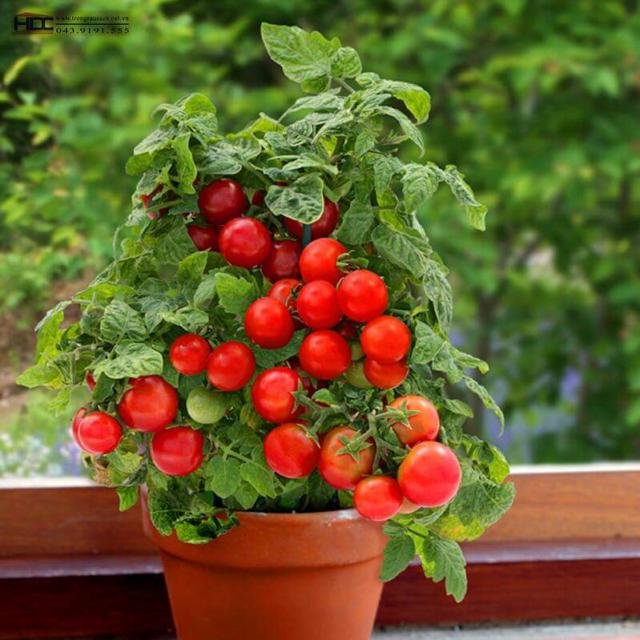
Growing tomatoes in jars begins with careful sowing and transplantation:
- Seed Germination: Start seeds in small seed trays or shallow containers. Sow seeds ¼ inch deep and keep them in a warm, bright location. Germination usually occurs within 7–14 days.
- Transplanting: Once seedlings have 2–3 true leaves, gently transplant them into prepared jars. Fill the jar with soil up to an inch below the rim to allow watering space.
- Spacing: For jars, typically one plant per container is ideal to avoid overcrowding and ensure healthy growth.
Starting seeds properly ensures strong seedlings that can thrive in confined jar environments.
Light Requirements
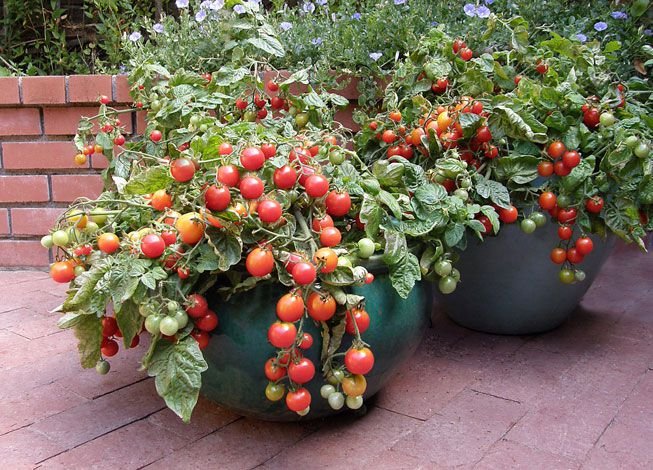
Adequate light is critical for tomato growth, particularly indoors:
- Natural Light: Place jars near south- or west-facing windows that receive at least 6–8 hours of sunlight per day.
- Artificial Light: If natural sunlight is insufficient, supplement with LED or fluorescent grow lights. Position lights 6–12 inches above the plant and maintain 12–16 hours of light daily.
- Rotation: Rotate jars every few days to ensure even light exposure and prevent leaning.
Proper lighting promotes strong stems, abundant flowering, and flavorful fruits.
Watering Techniques
Tomatoes in jars require consistent moisture without waterlogging:
- Frequency: Water when the top inch of soil feels dry. In small jars, soil dries faster, so frequent monitoring is essential.
- Method: Water gently at the base to avoid wetting leaves and flowers, reducing the risk of fungal diseases.
- Self-Watering Option: Using wicks or small inner reservoirs can maintain consistent moisture with minimal effort.
Maintaining steady moisture ensures tender roots and prevents stress that can lead to fruit drop.
Fertilization During Growth
Tomatoes need regular feeding to produce high yields:
- Organic Fertilizers: Use plant-based liquid fertilizers or compost tea every 2–3 weeks.
- Nutrient Focus: Nitrogen supports leafy growth, while phosphorus and potassium are essential for flowering and fruit development.
- Micronutrients: Calcium prevents blossom-end rot, while magnesium supports healthy foliage.
Balanced fertilization ensures robust plants and flavorful tomatoes.
Supporting Growth: Pruning and Staking
Even in jars, support is necessary for indeterminate or vining varieties:
- Staking: Insert small stakes or bamboo sticks to provide vertical support. Tie stems loosely with soft ties.
- Pruning: Remove yellowing leaves or small suckers to focus energy on fruit production.
- Training Vines: Guide vines along supports to prevent sprawling and maintain airflow.
Support and pruning improve plant health and maximize fruit production in confined spaces.
Pollination
Indoor tomatoes require hand pollination to set fruit:
- Manual Pollination: Gently shake flowers or use an electric toothbrush near blossoms to mimic bee vibration.
- Frequency: Pollinate flowers every few days during the flowering stage for optimal fruit set.
- Timing: Morning pollination is most effective when flowers are receptive.
Successful pollination ensures abundant, evenly shaped tomatoes.
Pest and Disease Management
Even indoor jar tomatoes are susceptible to minor pests and diseases:
- Common Pests: Aphids, whiteflies, and spider mites may occasionally appear. Use neem oil, insecticidal soap, or introduce beneficial insects.
- Disease Prevention: Ensure good airflow, avoid overwatering, and remove diseased leaves promptly.
- Hygiene: Clean jars, stakes, and tools regularly to reduce fungal or bacterial contamination.
Proactive care ensures healthy plants with minimal intervention.
Harvesting Tomatoes
Proper harvesting enhances flavor and encourages further production:
- Timing: Cherry or small tomatoes are typically ready 60–70 days after sowing, depending on variety.
- Indicators: Harvest when fruits are fully colored and slightly soft to the touch.
- Method: Use gentle hands or scissors to cut fruit from the vine to prevent damage.
- Frequency: Regular harvesting stimulates continued flowering and fruiting.
Freshly harvested tomatoes offer superior taste and nutrition compared to store-bought alternatives.
Creative Space-Saving Tips
Maximize indoor gardening potential using these strategies:
- Multiple Jars: Use a row of jars along windowsills to grow several plants simultaneously.
- Stacked Shelves: Vertical shelving allows multiple jars to thrive in limited space.
- Companion Planting: Pair tomatoes with small herbs like basil or parsley to optimize space and encourage natural growth synergy.
These techniques make jar gardening practical, productive, and visually appealing.
Conclusion
Growing tomatoes in jars is an innovative and effective indoor gardening hack, allowing urban dwellers and apartment gardeners to enjoy fresh, homegrown tomatoes year-round. With proper variety selection, jar preparation, soil management, watering, lighting, and care, even small spaces can yield vibrant, flavorful fruits. Vertical supports, pruning, and hand pollination further enhance productivity, while creative placement and companion planting maximize space and aesthetic appeal.
By following this step-by-step guide, anyone can transform a small windowsill or countertop into a productive indoor tomato garden. Jar-grown tomatoes are a testament to how thoughtful planning, consistent care, and innovative techniques can make home gardening accessible, rewarding, and sustainable—even without a traditional garden.