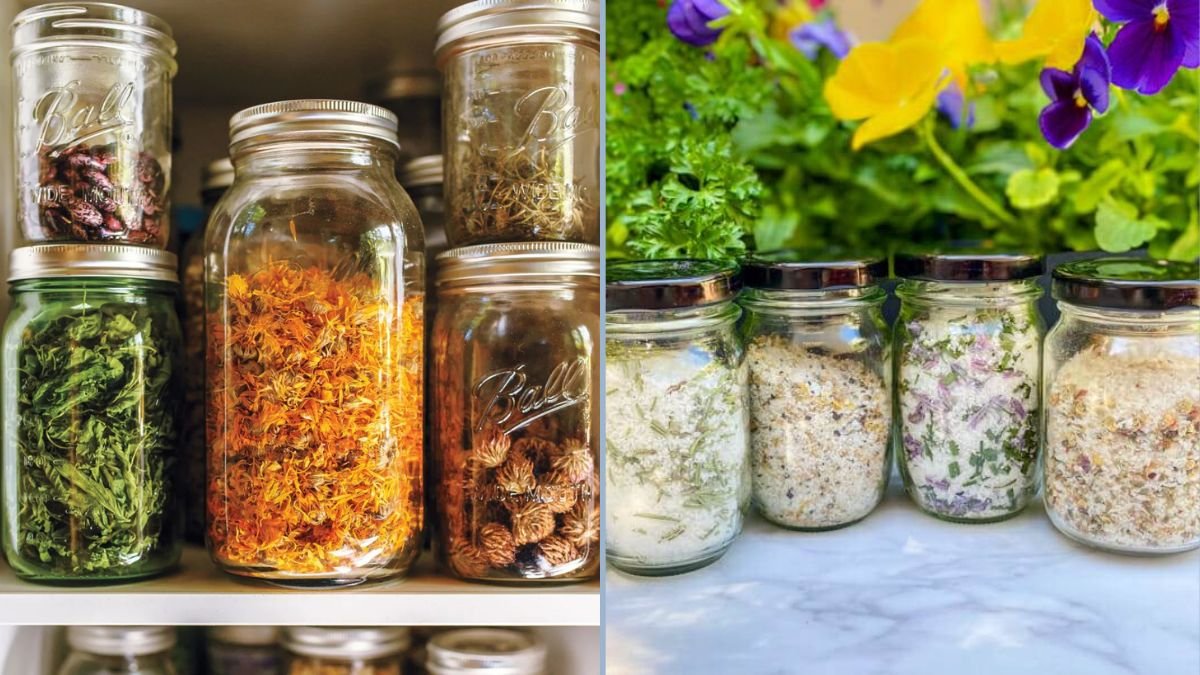
Fresh herbs such as basil, parsley, cilantro, mint, thyme, and rosemary are essential components of vegetarian cooking. They add vibrant flavor, color, and aroma to salads, soups, sauces, and garnishes while providing a range of vitamins, antioxidants, and phytonutrients. However, fresh herbs are highly perishable, losing their texture, flavor, and nutritional content if stored improperly.
Using jars as a storage method is an efficient and space-saving way to extend herb freshness. Proper jar storage, combined with careful selection, handling, and environmental control, allows herbs to remain vibrant and usable for days or even weeks. This article explores best practices for storing fresh herbs in jars, including preparation, preservation techniques, and tips to maintain maximum flavor and nutrient retention.
1. Selecting Fresh Herbs for Jar Storage
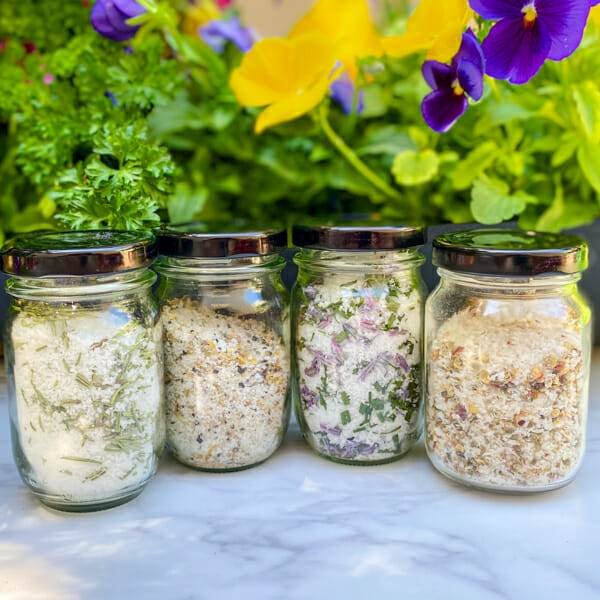
The foundation of long-lasting herb storage begins with careful selection.
Tips for Selection
- Freshness: Choose herbs with bright, firm leaves and strong aroma. Avoid yellowing, wilting, or bruised leaves.
- Stems: Select herbs with sturdy stems; fragile stems may rot faster.
- Variety: Hardy herbs (like rosemary, thyme, and sage) store longer, while delicate herbs (like basil, cilantro, and parsley) require more attention.
- Moisture: Avoid herbs that appear wet or slimy, as excess moisture promotes mold.
High-quality, freshly harvested herbs ensure better longevity in jar storage.
2. Handling Herbs Before Storage
Proper handling prevents damage and preserves flavor.
Handling Tips
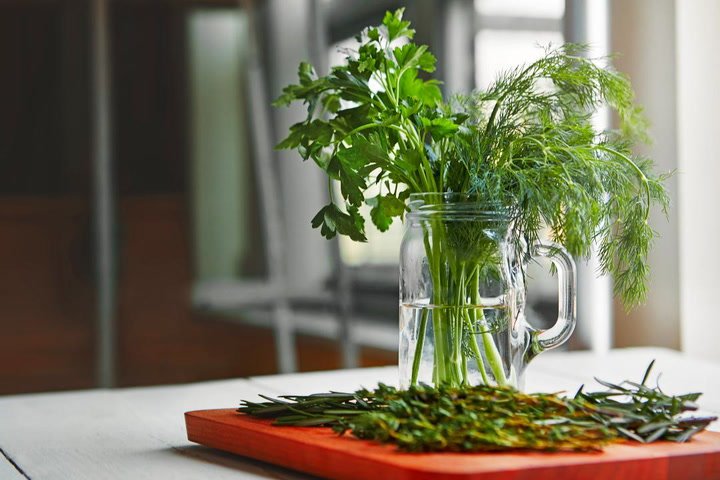
- Gentle Washing: Rinse herbs under cold water to remove dirt or insects. Do this sparingly to avoid excess moisture.
- Dry Thoroughly: Pat herbs dry with a clean paper towel or use a salad spinner. Excess water can lead to mold growth.
- Remove Damaged Leaves: Trim wilted or yellow leaves to prevent spoilage from spreading.
- Avoid Crushing: Handle leaves and stems carefully to prevent bruising, which accelerates decay.
3. Preparing Jars for Herb Storage
Choosing and preparing the right jar is essential for maintaining herb freshness.
Jar Selection
- Glass Jars: Transparent jars allow easy inspection of herbs without opening.
- Size: Choose a jar that fits the herb stems without bending or overcrowding leaves.
- Lids: Use jars with airtight lids for some herbs, or leave loosely capped for herbs that require airflow.
Jar Preparation
- Wash and dry jars thoroughly to remove bacteria.
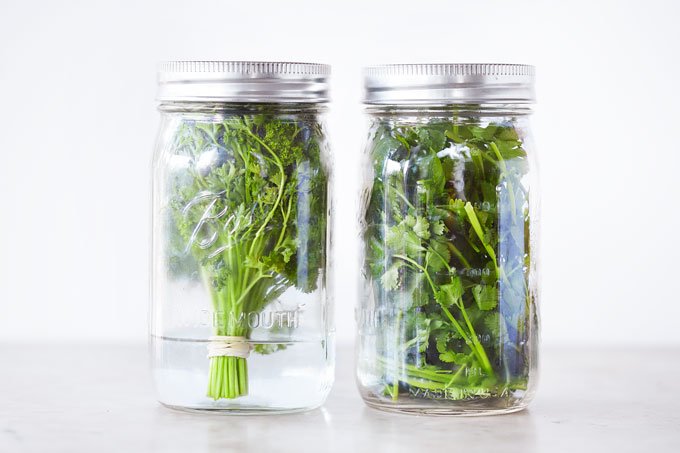
- For added freshness, place a clean layer of water at the bottom of the jar for herbs like parsley, cilantro, or basil, while leaving space for stems to stand upright.
4. Storing Herbs in Jars
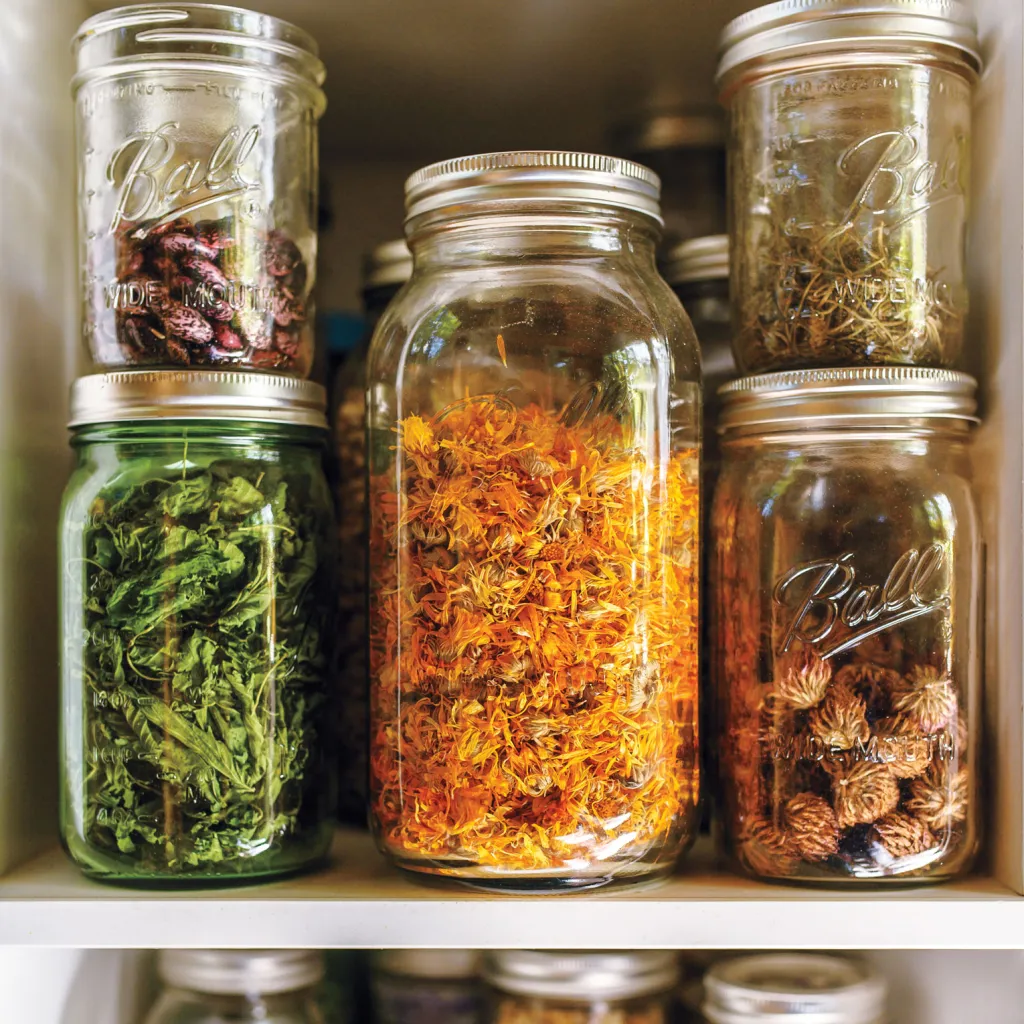
Different herbs have different storage needs. Adjust techniques based on herb type.
A. Herbs Stored with Water
- Trim herb stems and place them in jars with 2–3 cm of water.
- Cover loosely with a plastic bag to maintain humidity while preventing excess moisture buildup.
- Place jars in the refrigerator, except basil, which prefers room temperature to avoid browning.
- Change water every 2–3 days to prevent bacterial growth.
B. Dry Storage in Jars
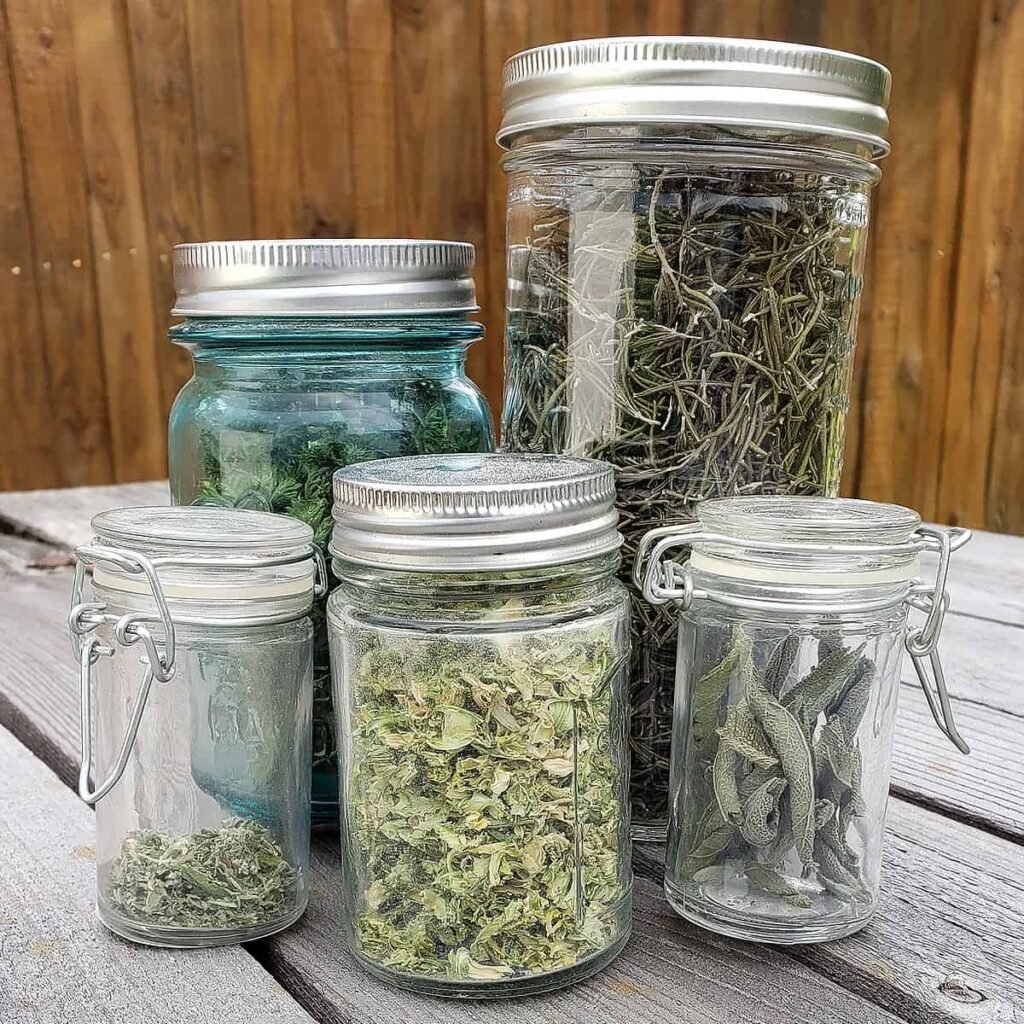
- For hardy herbs like rosemary, thyme, and oregano, drying the stems and storing in jars without water is optimal.
- Keep jars in a cool, dark place away from direct sunlight.
- Ensure jars are loosely capped to allow minimal airflow and reduce moisture condensation.
C. Refrigeration vs. Room Temperature
- Delicate herbs (cilantro, parsley, mint) benefit from refrigeration with water in jars.
- Basil is sensitive to cold; store at room temperature in a jar with water.
- Hardy herbs tolerate refrigeration or room temperature in dry jars.
5. Natural Preservation Techniques
Natural methods can prolong herb shelf life in jars.
A. Ice Water Refreshing
- For herbs beginning to wilt, submerge stems briefly in ice water, then return to jars.
- Revitalizes leaves without affecting flavor or texture.
B. Paper Towel Layering
- Line jar lids or surrounding jars with dry paper towels to absorb excess moisture.
- Prevents mold while maintaining high humidity for freshness.
C. Olive Oil Infusion
- Place herbs in jars and submerge in olive oil.
- Refrigerate to extend shelf life while creating flavorful infused oil for vegetarian dishes.
- Note: Only refrigerate oil-infused herbs to prevent bacterial growth.
6. Avoiding Common Herb Storage Mistakes
Even small mistakes can reduce freshness and flavor.
| Mistake | Effect | Solution |
|---|---|---|
| Storing wet herbs | Mold and decay | Dry thoroughly before storage |
| Crowding herbs in jars | Crushing and bruising | Trim stems, leave space for upright storage |
| Leaving jars open | Dehydration and loss of aroma | Cover loosely or use airtight lid depending on herb |
| Using warm storage for delicate herbs | Rapid wilting | Keep in fridge or cool environment |
| Mixing delicate and hardy herbs | Uneven storage needs | Store similar herbs together |
7. Monitoring Herbs in Jars
Routine inspection maintains quality and prevents spoilage.
Tips
- Check jars daily for yellowing leaves or mold.
- Replace water every 2–3 days for herbs stored in water.
- Remove damaged leaves promptly to protect the rest of the jar.
- Rotate herbs in the refrigerator for even airflow and cooling.
8. Nutrient Preservation in Fresh Herbs
Herbs are packed with vitamins A, C, K, antioxidants, and phytonutrients, which can degrade if stored improperly.
Tips for Retaining Nutrients
- Minimize washing and exposure to light.
- Store in jars upright with minimal handling.
- Use herbs within 1–2 weeks for maximum nutritional value.
- Hardier herbs retain nutrients longer in dry jars; delicate herbs benefit from water-based storage.
9. Culinary Uses of Jar-Stored Herbs
Properly stored herbs retain flavor and texture, enhancing vegetarian dishes.
Ideas
- Fresh Garnishes: Add parsley, cilantro, or basil directly from jars to salads or soups.
- Cooking Ingredients: Use herbs in sauces, stir-fries, casseroles, and grain dishes.
- Infused Oils: Create herb oils for pasta, bread dips, or dressings.
- Herb Blends: Combine dried or partially dried herbs from jars for seasoning mixes.
Maintaining freshness ensures herbs remain versatile and aromatic.
10. Sustainable and Eco-Friendly Herb Storage
Using jars for herb storage promotes sustainability.
Suggestions
- Use reusable glass jars instead of disposable plastics.
- Compost spoiled or trimmed leaves.
- Plan purchases to prevent overbuying and waste.
- Organize jars efficiently in refrigerators or on counters to reduce energy consumption.
Sustainable practices maximize herb longevity while supporting eco-conscious kitchen habits.
Conclusion
Storing fresh herbs in jars is an effective, space-saving, and versatile method for extending shelf life. Selecting fresh herbs, handling gently, and using proper jar techniques—whether with water for delicate herbs or dry for hardy herbs—ensures vibrant color, aroma, and nutritional value. Incorporating natural preservation techniques such as ice water refreshing, paper towel layering, and olive oil infusion further enhances freshness.
By avoiding common mistakes and routinely monitoring stored herbs, jars become an efficient way to maintain high-quality, flavorful, and nutrient-rich herbs for vegetarian meals. Proper jar storage not only improves cooking experiences but also reduces waste and supports sustainable kitchen practices.