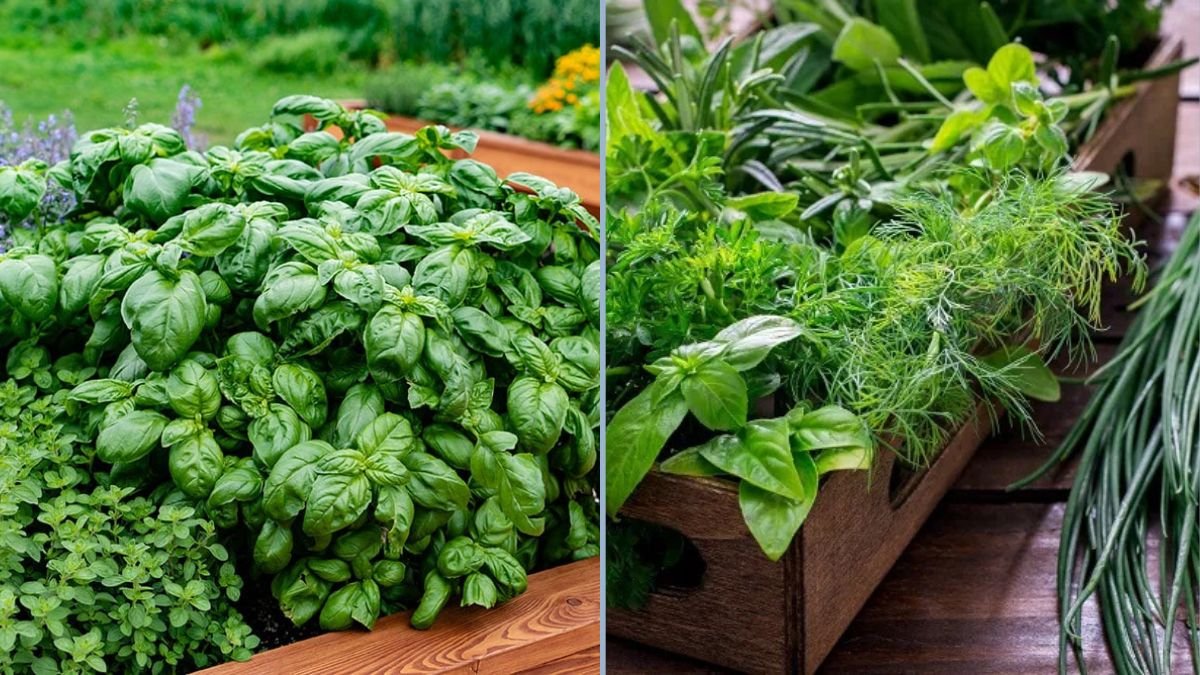
Fresh herbs are a cornerstone of vegetarian cooking, adding vibrant flavors, colors, and aromas to dishes while offering numerous health benefits. Basil, parsley, cilantro, mint, rosemary, thyme, and oregano enhance salads, soups, sauces, and beverages. However, fresh herbs are highly perishable, and their aromatic qualities diminish quickly if not stored properly. Preserving aroma, texture, and flavor requires understanding proper handling, storage, and preservation techniques.
This article explores practical, vegetarian-friendly methods to keep fresh herbs aromatic, covering selection, handling, storage, natural preservation techniques, and culinary applications.
1. Selecting Aromatic Herbs
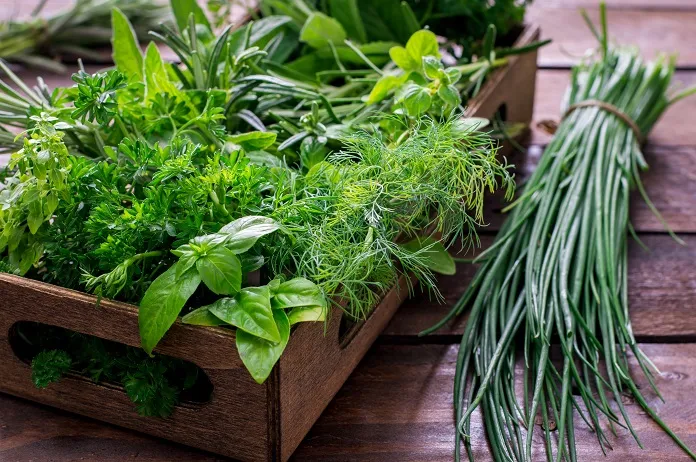
Aromatic preservation begins with selecting fresh, high-quality herbs.
Tips for Selection
- Vibrant Color: Choose bright, lively leaves free from yellowing or browning.
- Firmness: Select herbs with crisp, turgid leaves rather than limp or wilted stems.
- Aroma: Smell the leaves; fresh herbs should have a strong, distinctive fragrance.
- Variety: Hardy herbs (rosemary, thyme, oregano) retain aroma longer than delicate herbs (basil, cilantro, parsley).
Choosing the best produce ensures long-lasting aroma and flavor.
2. Proper Handling of Fresh Herbs
Gentle handling is crucial to maintain aromatic oils and prevent spoilage.
Handling Tips
- Minimal Washing: Rinse herbs under cold water to remove dirt or insects. Avoid soaking, which can dilute aromatic compounds.
- Drying: Pat dry with paper towels or use a salad spinner. Excess water promotes rot and reduces fragrance.
- Trimming: Remove damaged leaves and trim stems to maintain freshness.
- Avoid Crushing: Bruised leaves lose aromatic oils, so handle herbs carefully during preparation and storage.
3. Storage Techniques to Preserve Aroma
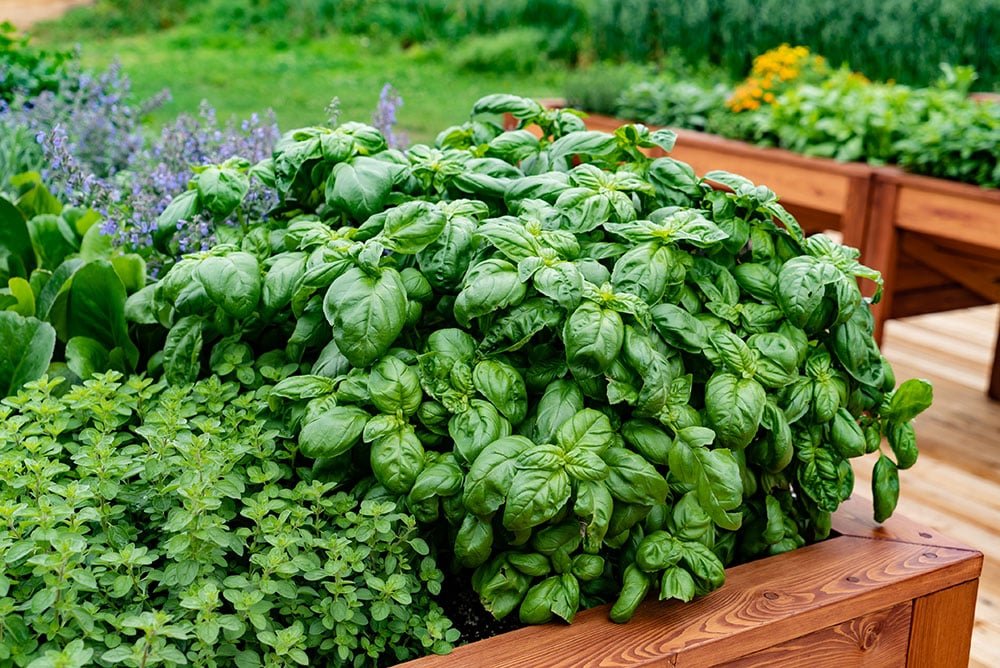
Storing herbs properly is key to keeping them aromatic and flavorful.
A. Refrigeration with Water
- Trim stems and place herbs upright in a jar with 2–3 cm of water, similar to flowers in a vase.
- Cover loosely with a plastic bag to maintain humidity while allowing airflow.
- Most delicate herbs like parsley, cilantro, and mint retain fragrance longer using this method.
- Replace water every 2–3 days to prevent bacterial growth.
B. Dry Storage for Hardy Herbs
- Herbs like rosemary, thyme, and oregano thrive in dry, cool storage.
- Bundle and hang in a dark, well-ventilated area until dry.
- Store dried herbs in airtight containers away from heat and light to maintain aromatic oils.
C. Paper Towel Method
- Wrap washed, dried leaves gently in dry paper towels and place in perforated plastic bags.
- Store in the refrigerator to absorb excess moisture while maintaining aromatic intensity.
4. Natural Preservation Techniques
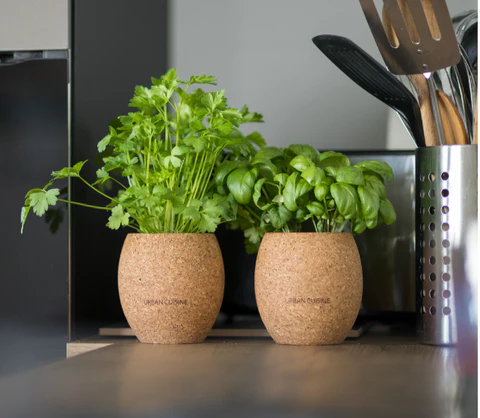
Several methods enhance and extend herb aroma without chemicals.
A. Freezing
- Chop herbs or leave leaves whole and flash-freeze in ice cube trays with water or olive oil.
- Transfer frozen cubes to airtight containers for long-term storage.
- Preserves both aroma and flavor for months and can be used directly in cooking.
B. Herb Oils
- Submerge herbs in olive oil in a glass jar.
- Refrigerate to maintain aroma and extend shelf life.
- Herb-infused oils are ideal for pasta, dressings, and marinades.
C. Dehydration
- Use a food dehydrator or oven at low temperatures (50–60°C / 120–140°F) for delicate herbs.
- Dried herbs concentrate aromatic compounds and can be stored in airtight jars for months.
D. Herb Vinegar
- Place herbs in sterilized jars and cover with vinegar.
- Store in a cool, dark place for a few weeks.
- Aromatic herb vinegar enhances salad dressings, marinades, and sauces naturally.
5. Avoiding Common Mistakes That Reduce Aroma
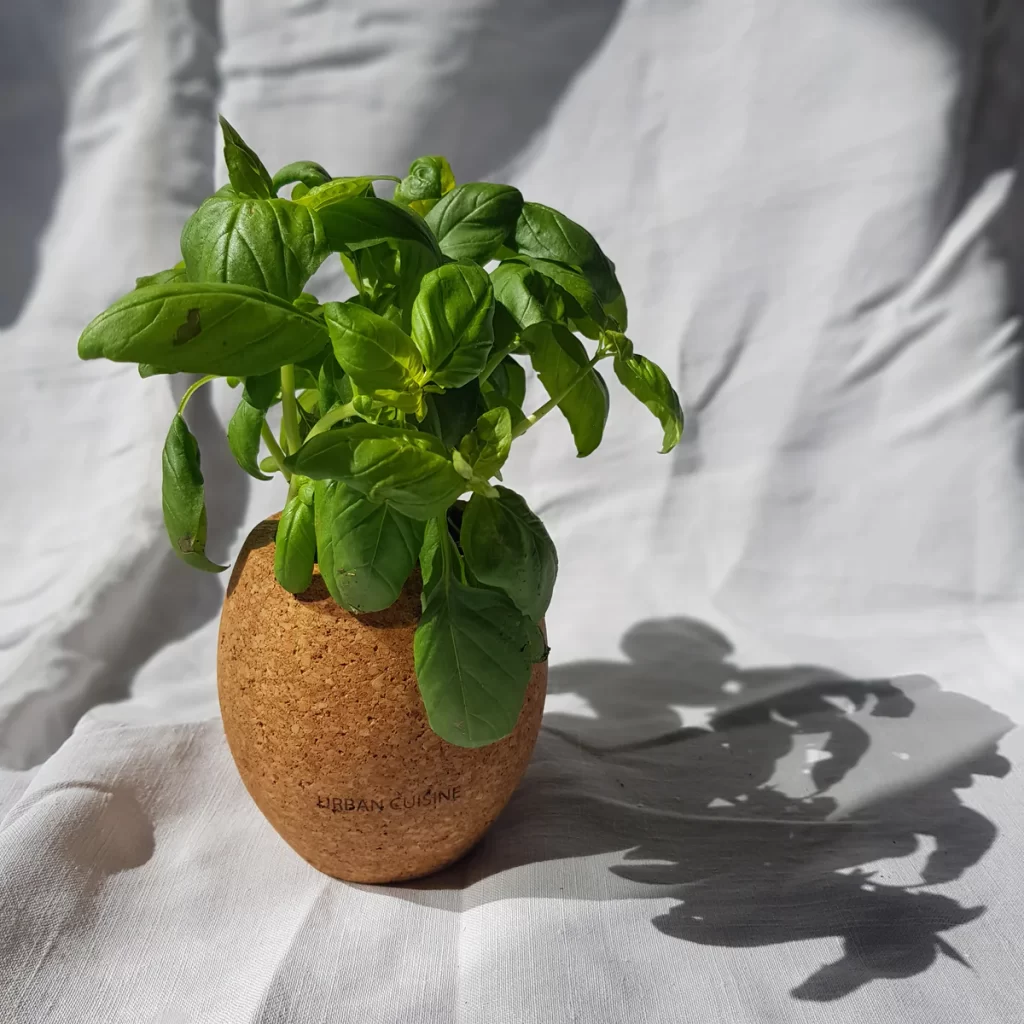
Even small errors can diminish herb fragrance.
| Mistake | Effect | Solution |
|---|---|---|
| Storing wet herbs | Rapid spoilage, loss of aroma | Dry thoroughly before storage |
| Crushing leaves | Loss of essential oils | Handle gently and avoid bruising |
| Exposure to heat and light | Degrades aromatic compounds | Store in cool, dark areas |
| Overcrowding containers | Moisture accumulation, reduced airflow | Store in layers with paper towels or jars |
| Mixing old and fresh herbs | Spoilage spreads | Inspect and separate damaged leaves |
6. Monitoring Fresh Herbs
Regular inspection helps maintain aroma and freshness.
Tips
- Check herbs daily for wilting, discoloration, or slimy spots.
- Remove damaged leaves promptly.
- Replace water in jars every 2–3 days.
- For partially dried herbs, ensure they remain dry and airtight.
7. Nutrient and Aroma Preservation
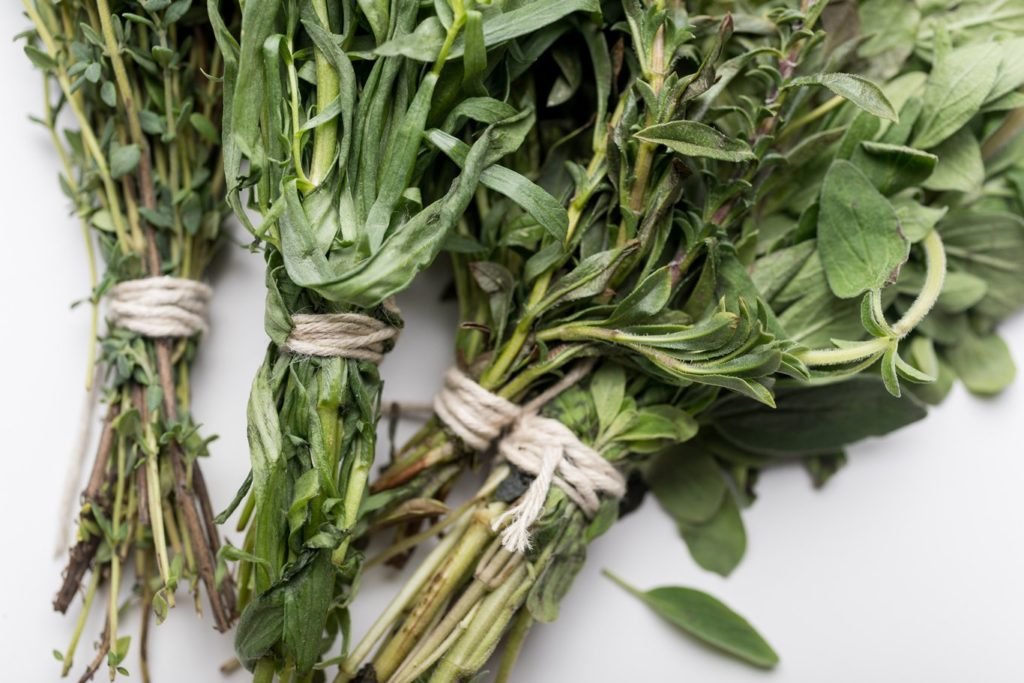
Fresh herbs contain vitamins A, C, K, antioxidants, and essential oils responsible for aroma.
Tips
- Handle gently to prevent damage to aromatic oils.
- Minimize exposure to sunlight, heat, and air.
- Use preservation methods like freezing, dehydration, and herb oils to retain both nutrients and fragrance.
- Consume delicate herbs within 5–7 days for maximum aroma; hardy herbs can last several weeks if stored properly.
8. Culinary Applications of Aromatic Herbs
Maintaining aroma enhances the quality of vegetarian dishes.
Ideas
- Fresh Use: Garnish salads, soups, and sandwiches with fresh, aromatic leaves.
- Cooking: Add frozen or fresh herbs to pasta, stir-fries, and sauces for enhanced flavor.
- Infused Oils and Vinegars: Use for dressings, dips, and marinades.
- Dried Herbs: Sprinkle on roasted vegetables or grains for concentrated aroma.
Aromatic herbs elevate the sensory experience of meals and enrich vegetarian cuisine.
9. Sustainable and Eco-Friendly Practices
Preserving herbs naturally supports environmentally responsible habits.
Suggestions
- Use reusable jars, ice cube trays, and cloth storage bags instead of disposable plastics.
- Compost spoiled leaves to reduce waste.
- Harvest only what can be consumed or preserved to avoid overproduction.
- Organize storage efficiently to reduce energy usage in refrigeration.
Sustainable methods keep herbs aromatic while minimizing environmental impact.
10. Summary and Best Practices
Keeping fresh herbs aromatic requires a combination of selection, handling, storage, and preservation methods. Key practices include:
- Select fresh, firm, and fragrant herbs.
- Handle gently to prevent bruising and preserve essential oils.
- Store appropriately: water jars for delicate herbs, dry storage for hardy herbs, or refrigeration with paper towels for added freshness.
- Use natural preservation methods: freezing, dehydration, herb oils, and herb vinegars.
- Monitor regularly and remove damaged leaves.
- Avoid heat, light, and overcrowding to maintain aroma.
By following these vegetarian-friendly techniques, herbs retain flavor, fragrance, and nutritional value, enhancing meals while minimizing waste.
Conclusion
Preserving the aromatic qualities of fresh herbs is essential for maintaining their culinary and nutritional benefits. Proper selection, gentle handling, and natural storage methods—including water storage, dehydration, freezing, and herb-infused oils—ensure that herbs remain flavorful, fragrant, and nutrient-rich for extended periods. Avoiding common mistakes such as crushing, overcrowding, and exposure to heat or moisture is critical for aroma retention.
By implementing these practical, chemical-free methods, gardeners and cooks can enjoy fresh, aromatic herbs year-round, elevate vegetarian dishes, and contribute to sustainable kitchen practices.