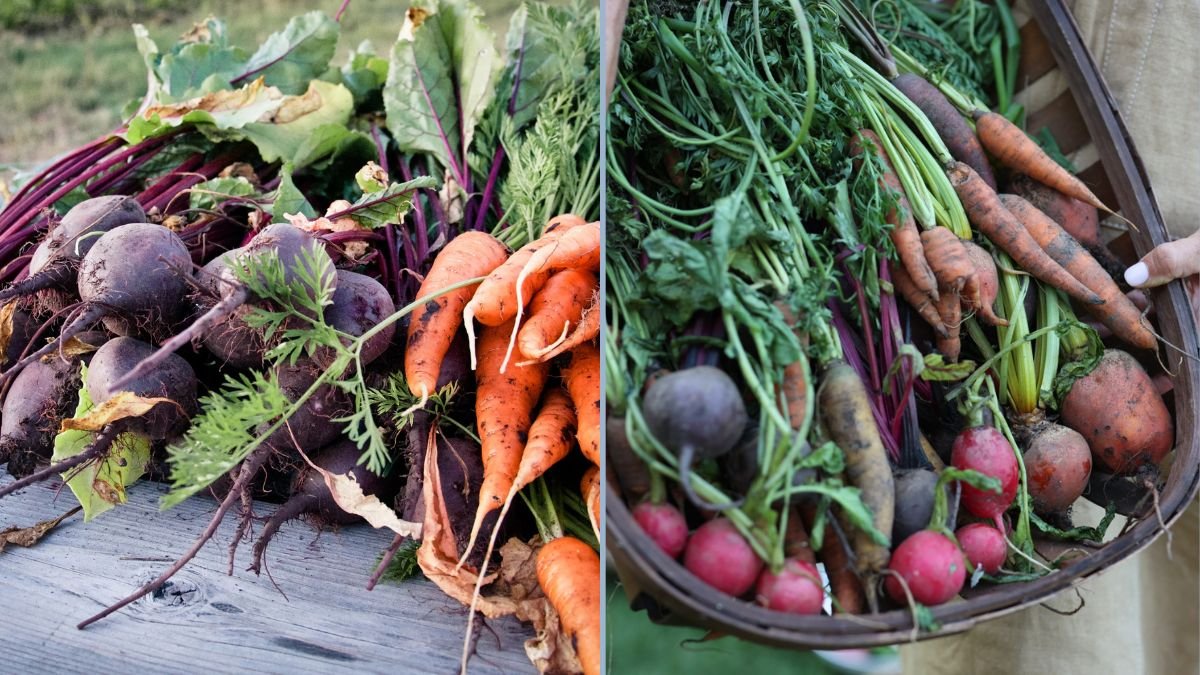
Root vegetables—including carrots, beets, potatoes, turnips, radishes, and parsnips—are essential staples in vegetarian diets. They are nutrient-dense, rich in fiber, vitamins, and minerals, and provide energy-sustaining carbohydrates. Unlike leafy greens, root vegetables are naturally long-lasting, but improper storage can lead to sprouting, softening, or spoilage. For households with limited outdoor storage or without access to root cellars, indoor storage is the most practical solution.
This article explores effective, vegetarian-friendly techniques to store root vegetables indoors, focusing on preparation, optimal storage conditions, container choices, preservation methods, and tips to extend shelf life.
1. Selecting Root Vegetables for Indoor Storage
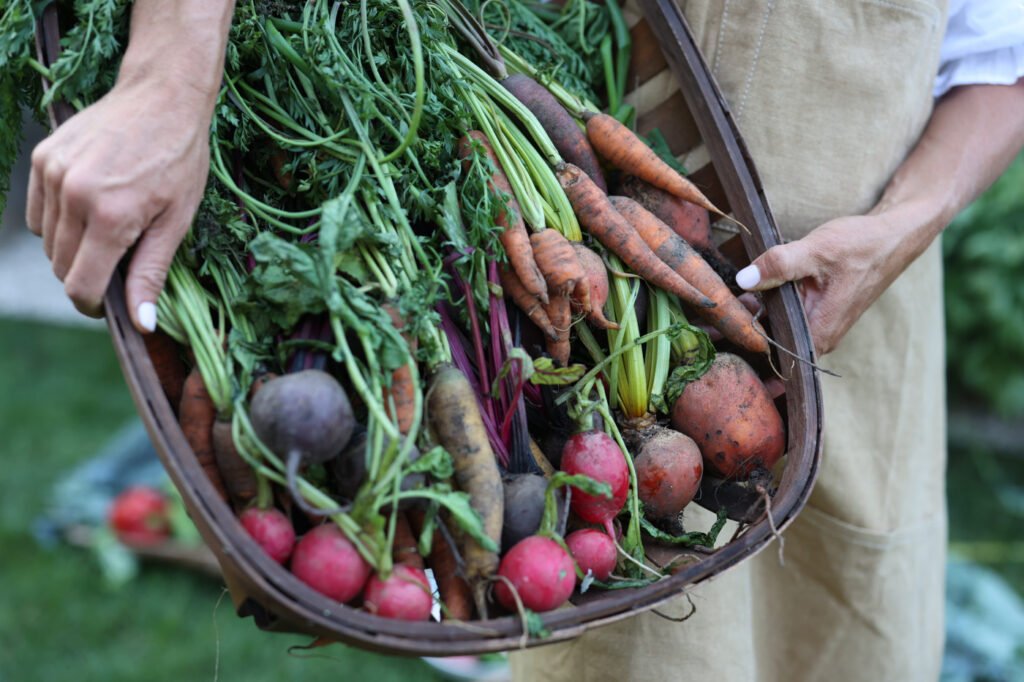
The foundation for long-lasting storage begins with quality selection.
Tips for Selection
- Firmness: Choose firm roots without soft spots, cracks, or bruising.
- Size: Medium-sized vegetables are easier to store and less prone to spoilage than oversized roots.
- Skin Integrity: Avoid damaged skins, which can invite mold or rot.
- Freshly Harvested: Roots stored soon after harvest last longer indoors than those purchased weeks earlier.
High-quality produce ensures longevity and nutrient retention.
2. Preparing Root Vegetables for Storage
Proper preparation prevents decay and extends shelf life.
Cleaning
- Brush off excess soil. Avoid washing carrots, potatoes, or beets before storage unless necessary; moisture promotes mold.
- Radishes or other high-moisture roots can be washed and dried if needed.
Trimming
- Remove green tops and stems to reduce moisture loss and slow spoilage.
- Keep the roots intact; cuts or bruises can lead to rot.
Sorting
- Sort vegetables by type and size. Store damaged or imperfect roots separately to avoid contamination.
3. Optimal Indoor Storage Conditions
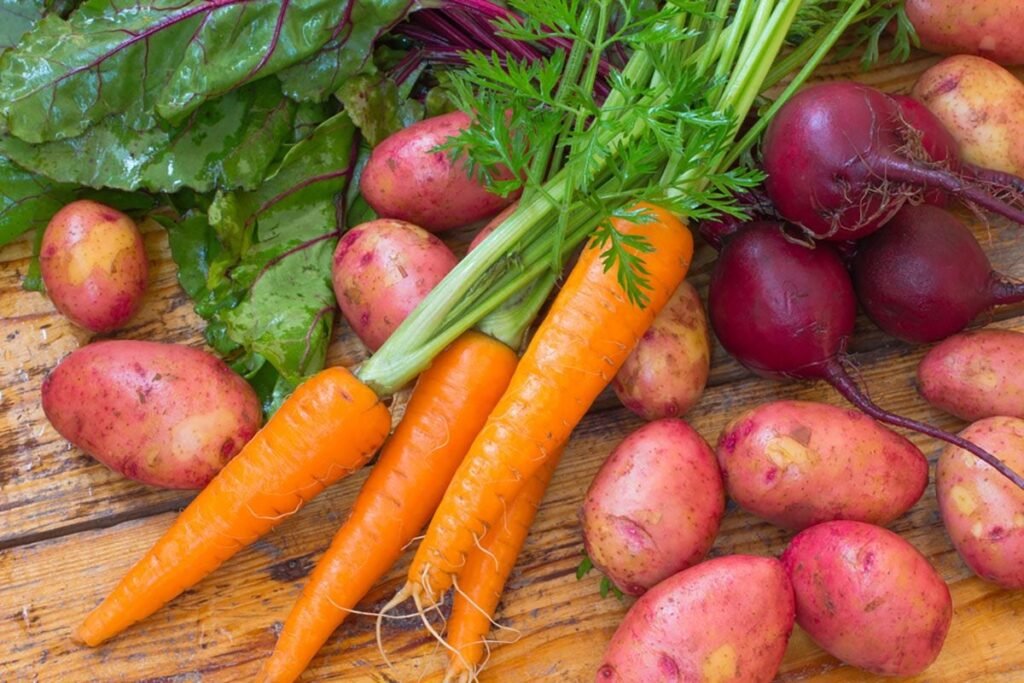
Temperature, humidity, and darkness are key factors.
Temperature
- Most root vegetables last longest at 0–10°C (32–50°F).
- Avoid freezing, which damages texture and flavor.
Humidity
- High humidity (~85–95%) is ideal for roots like carrots, beets, and parsnips.
- Potatoes prefer slightly lower humidity (~85%) to prevent sprouting.
Light Exposure
- Store in dark or dimly lit areas. Light promotes greening in potatoes and accelerates nutrient loss.
- Avoid direct sunlight or fluorescent light.
4. Container and Storage Methods
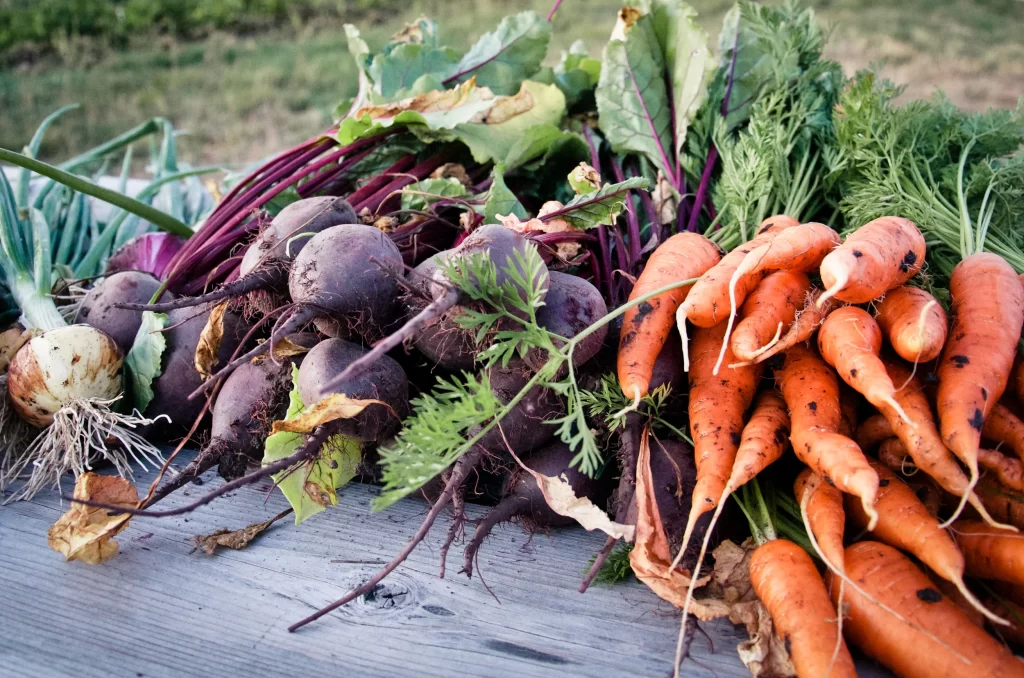
Several indoor storage methods can prolong freshness.
A. Perforated Plastic or Mesh Bags
- Allows airflow while retaining moisture.
- Line bags with a damp paper towel for added humidity.
- Suitable for carrots, beets, and radishes.
B. Ventilated Boxes or Bins
- Use wooden crates, cardboard boxes, or plastic bins with holes.
- Layer root vegetables with dry sand, sawdust, or peat moss for humidity control and protection.
- Effective for carrots, parsnips, and beets.
C. Glass Jars or Containers
- Small roots like radishes or baby carrots can be stored in jars with a little water.
- Change water every few days to prevent spoilage.
D. Root Cellar-Style Storage
- Even indoors, you can mimic a root cellar: a cool, dark cupboard, basement, or pantry.
- Line containers with sand or newspaper to stabilize temperature and moisture.
5. Specific Tips for Common Root Vegetables
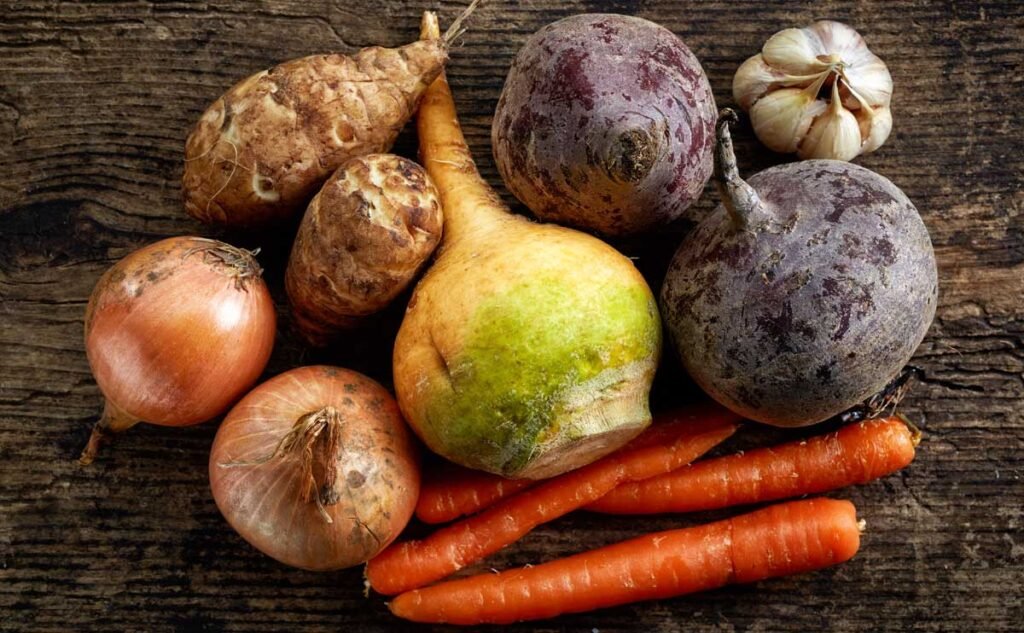
Carrots
- Remove greens to prevent moisture loss.
- Store in perforated bags or sand.
- Keep in high humidity; can last 4–8 weeks.
Beets
- Cut tops, leaving 1–2 cm of stem.
- Store in sand, sawdust, or perforated bags.
- Keep in a dark, cool place; lasts 4–6 weeks.
Potatoes
- Store in paper bags or bins in the dark.
- Keep away from onions to prevent spoilage.
- Avoid refrigeration, which converts starches to sugar.
- Can last 2–3 months.
Turnips and Parsnips
- Remove greens, store in sand or perforated bags.
- Maintain high humidity.
- Can last 4–6 weeks.
Radishes
- Remove tops, wash lightly if needed.
- Store in jars with water for short-term use or in high-humidity containers.
- Consume within 1–2 weeks for best texture.
6. Avoiding Common Storage Mistakes
| Mistake | Effect | Solution |
|---|---|---|
| Storing wet vegetables | Mold and rot | Brush off soil, wash only before use |
| Exposure to light | Potatoes green, nutrient loss | Store in dark containers or cupboards |
| Overcrowding | Trapped moisture, uneven airflow | Store in single layers or with ventilation |
| Mixing damaged and healthy roots | Spread of decay | Separate imperfect vegetables |
| Storing near ethylene-producing fruits | Accelerated spoilage | Keep away from apples, bananas, and tomatoes |
7. Monitoring Stored Root Vegetables
Regular inspection helps maintain quality.
Tips
- Check weekly for soft spots, sprouting, or mold.
- Remove affected roots immediately.
- Rotate vegetables so older roots are used first.
- Maintain stable temperature and humidity to avoid fluctuations that accelerate spoilage.
8. Nutrient Preservation in Root Vegetables
Root vegetables are rich in fiber, potassium, vitamins A and C, folate, and antioxidants.
Tips for Preserving Nutrients
- Avoid washing and trimming until ready for use.
- Store in cool, dark, and high-humidity environments.
- Consume within recommended periods for maximum nutrient retention.
9. Culinary Uses of Stored Root Vegetables
Properly stored roots remain versatile and flavorful.
Ideas
- Roasted or Grilled: Carrots, beets, parsnips, and turnips develop sweetness when roasted.
- Soups and Stews: Long-lasting roots are perfect for hearty vegetarian soups and stews.
- Salads: Shredded or sliced raw roots like carrots and radishes maintain crunch.
- Mashed or Pureed: Potatoes, parsnips, and turnips provide creamy bases for vegetarian dishes.
- Pickling: Radishes or beets can be preserved further through pickling.
Extending shelf life ensures roots are available for diverse vegetarian meals year-round.
10. Sustainable and Eco-Friendly Practices
Indoor storage can support sustainable kitchen habits.
Suggestions
- Use reusable containers, boxes, jars, or cloth bags instead of disposable plastic.
- Compost spoiled or unusable roots.
- Harvest or purchase only what can realistically be consumed within storage limits.
- Organize storage efficiently to reduce energy use and prevent spoilage.
Sustainable practices reduce food waste and environmental impact while preserving quality.
Conclusion
Storing root vegetables indoors is an effective way to extend shelf life, maintain crispness, and preserve nutrients. Selecting firm, undamaged vegetables, handling gently, and using proper indoor storage methods—including sand, perforated bags, ventilated bins, or jars with water—ensures that root vegetables remain usable for weeks to months. Monitoring regularly and avoiding common mistakes helps prevent spoilage and waste.
Proper indoor storage allows vegetarian households to enjoy nutrient-rich, versatile, and flavorful root vegetables year-round, while supporting sustainable and efficient kitchen practices.