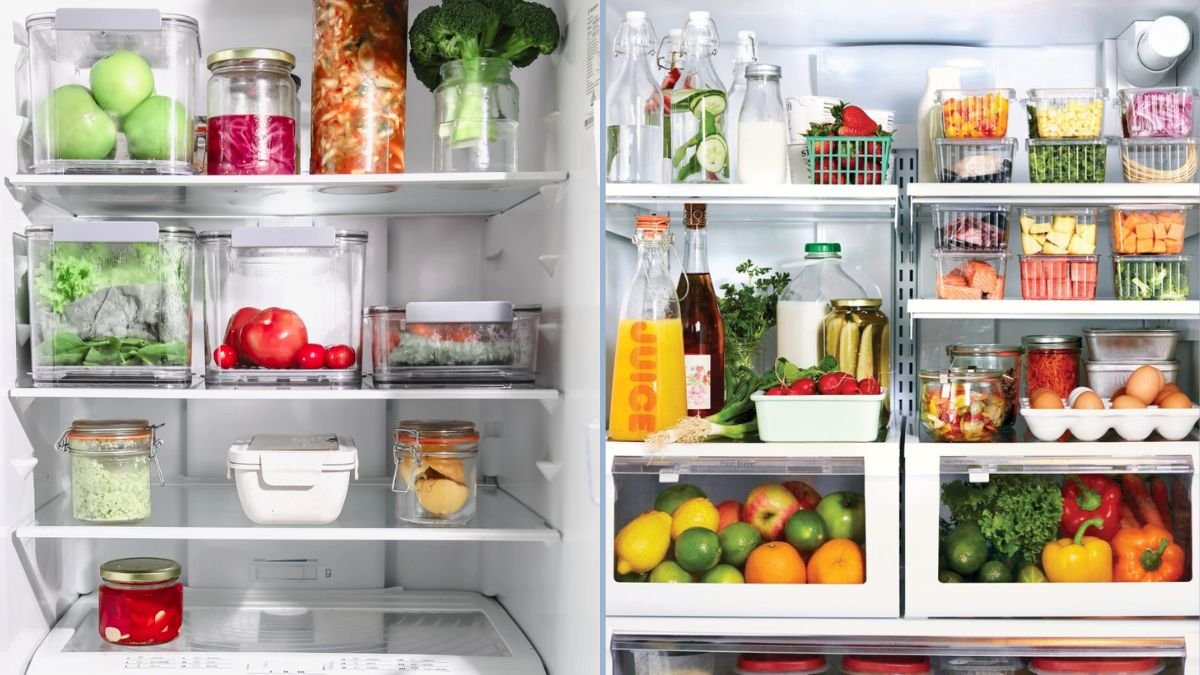
Fruits are a vital component of a healthy, vegetarian diet. They provide essential vitamins, minerals, antioxidants, and dietary fiber, while adding natural sweetness and vibrant colors to meals. However, fruits are highly perishable, and improper storage can lead to spoilage, nutrient loss, and unnecessary waste. With thoughtful handling, storage techniques, and preservation methods, it is possible to extend shelf life and reduce fruit waste at home.
This article explores practical, vegetarian-friendly strategies for storing fruits at home without waste, covering selection, handling, storage, preservation, and sustainable practices.
1. Selecting Fruits for Maximum Shelf Life
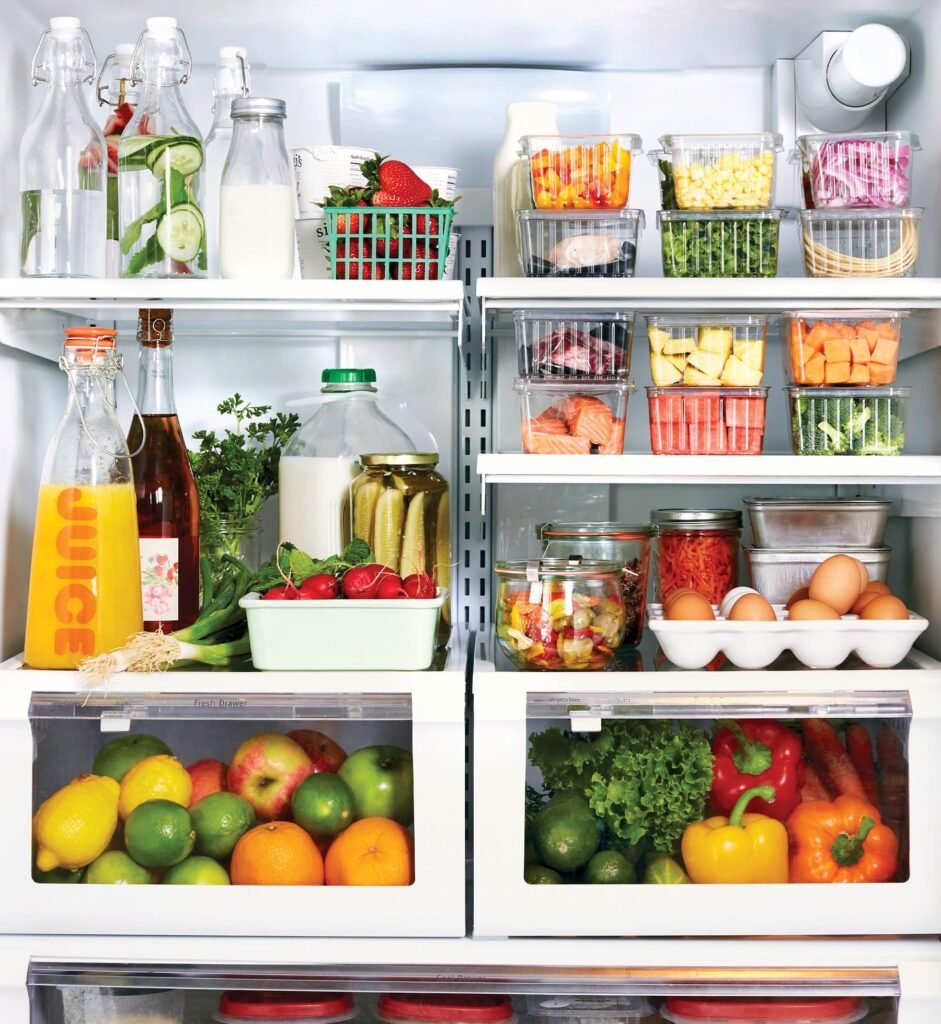
The first step in minimizing waste is choosing high-quality fruits.
Tips for Selection
- Freshness: Choose fruits that are firm, free from bruises, mold, or soft spots.
- Ripeness: Select fruits appropriate for intended consumption. For longer storage, choose slightly underripe fruits.
- Uniform Size: Fruits of similar size ripen more evenly when stored together.
- Seasonal Produce: Locally grown, in-season fruits are fresher and last longer.
Selecting fresh and high-quality produce is essential for extending storage life and reducing waste.
2. Proper Handling of Fruits
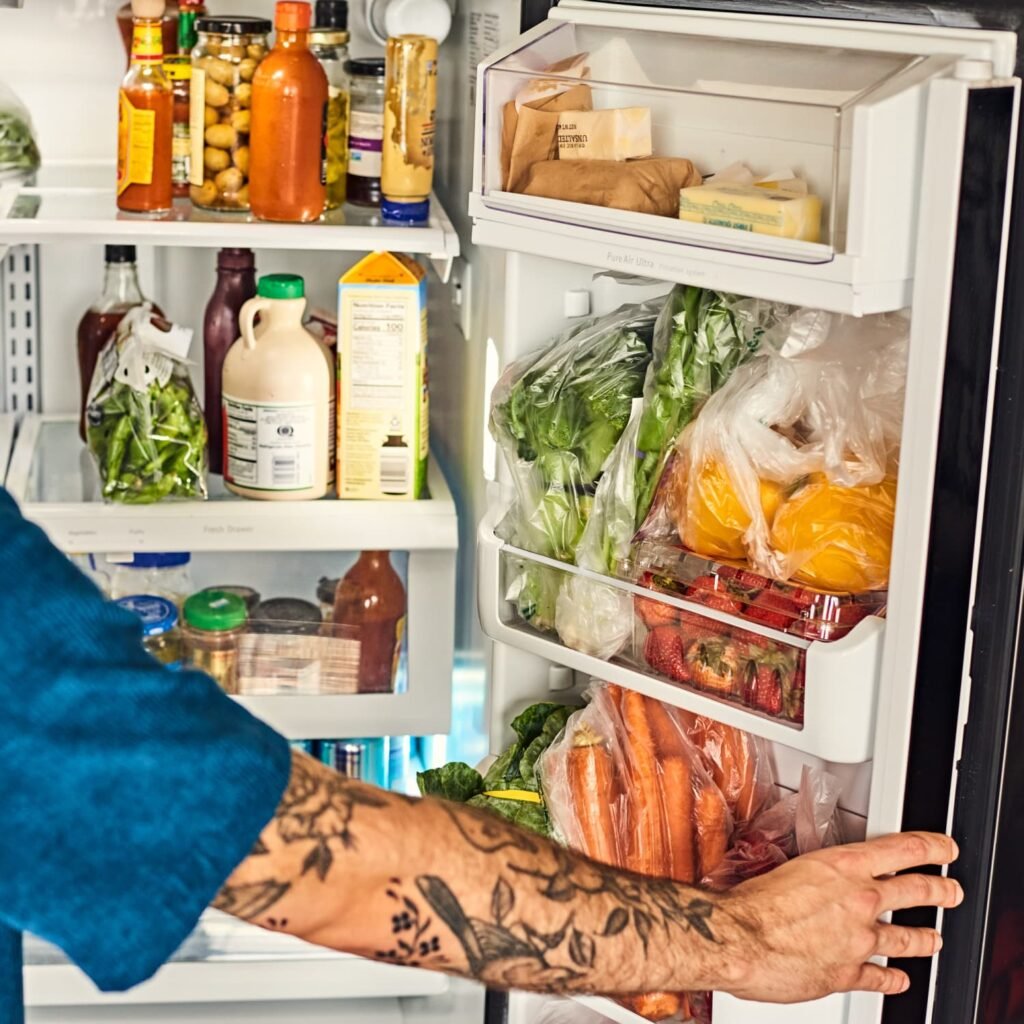
Handling fruits carefully prevents damage that accelerates spoilage.
Handling Tips
- Gentle Washing: Rinse fruits under cold water to remove dirt and debris. Wash just before consumption rather than before storage, unless needed.
- Pat Dry: Excess moisture promotes mold growth and reduces shelf life.
- Separate Damaged Fruits: Remove bruised or overripe fruits immediately to prevent spoilage from spreading.
- Avoid Crushing: Store fruits in single layers or gently stacked to prevent bruising.
3. Understanding Storage Conditions
Different fruits have specific storage requirements based on temperature, humidity, and ethylene production.
A. Temperature
- Refrigerate delicate fruits such as berries, grapes, peaches, and cherries.
- Store hardier fruits like apples, pears, and citrus in a cool, dark area, ideally 0–10°C (32–50°F).
- Avoid freezing sensitive fruits unless properly prepared for long-term preservation.
B. Humidity
- High humidity (85–95%) helps retain water in fruits like apples, grapes, and pears.
- Berries and tropical fruits prefer moderate humidity to prevent mold.
C. Ethylene Management
- Fruits like apples, bananas, and avocados produce ethylene gas, which accelerates ripening.
- Store ethylene-producing fruits separately from sensitive fruits to prevent premature spoilage.
- Ventilated containers or perforated bags allow gas to escape.
4. Storage Techniques to Minimize Waste
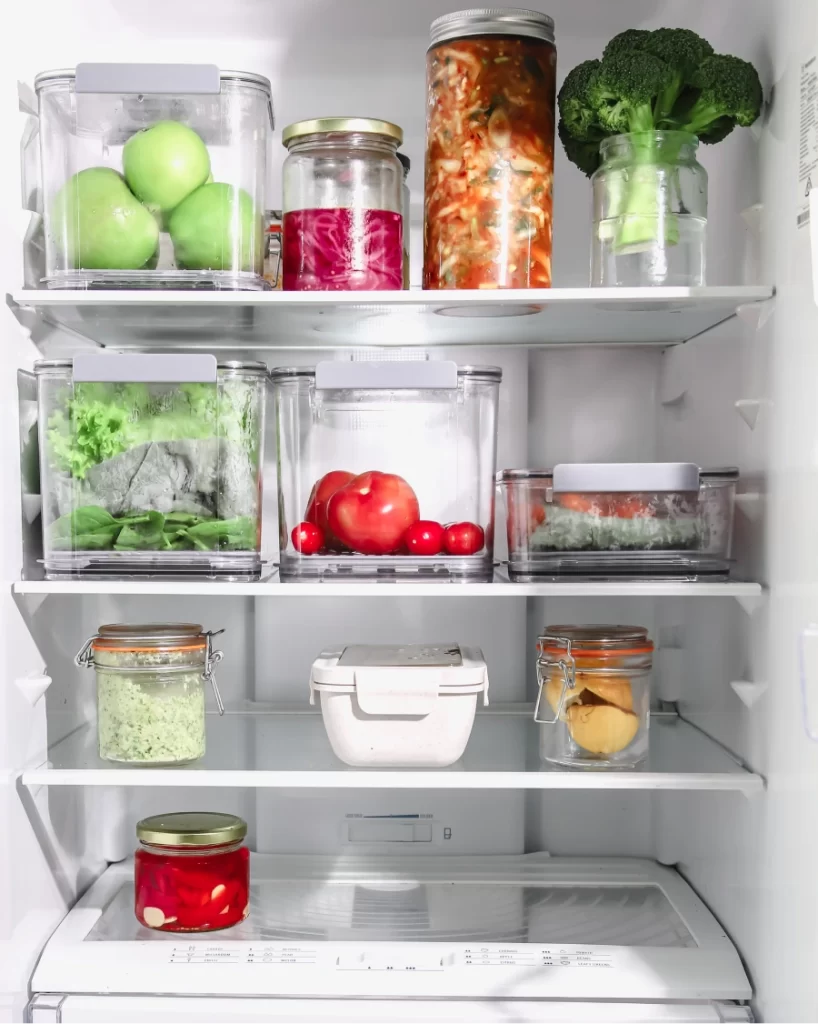
Proper storage methods preserve freshness, flavor, and nutrients.
A. Refrigeration
- Use perforated plastic bags, glass containers, or reusable produce bags.
- Line containers with paper towels to absorb excess moisture.
- Keep fruits like berries, grapes, and cut fruits cold and dry for maximum shelf life.
B. Countertop Storage
- Bananas, tomatoes, and stone fruits can ripen at room temperature before refrigeration.
- Avoid direct sunlight, which accelerates ripening and spoiling.
C. Layered Storage
- Layer fruits gently in baskets or crates with separation materials (paper or cloth) to reduce pressure and bruising.
- Rotate fruits regularly, consuming ripest fruits first to prevent waste.
5. Freezing Fruits for Long-Term Preservation
Freezing is an excellent chemical-free method to extend fruit shelf life.
Preparation
- Wash and dry fruits thoroughly.
- Peel, pit, or slice as necessary.
- Blanch fruits like peaches or plums briefly in hot water to preserve color and texture.
Freezing Tips
- Spread fruits on a tray to flash-freeze individually before transferring to airtight freezer bags or containers.
- Label with the date and fruit type.
- Frozen fruits can last 6–12 months while retaining flavor and nutrients.
- Use directly in smoothies, sauces, desserts, or baking.
6. Drying Fruits Naturally
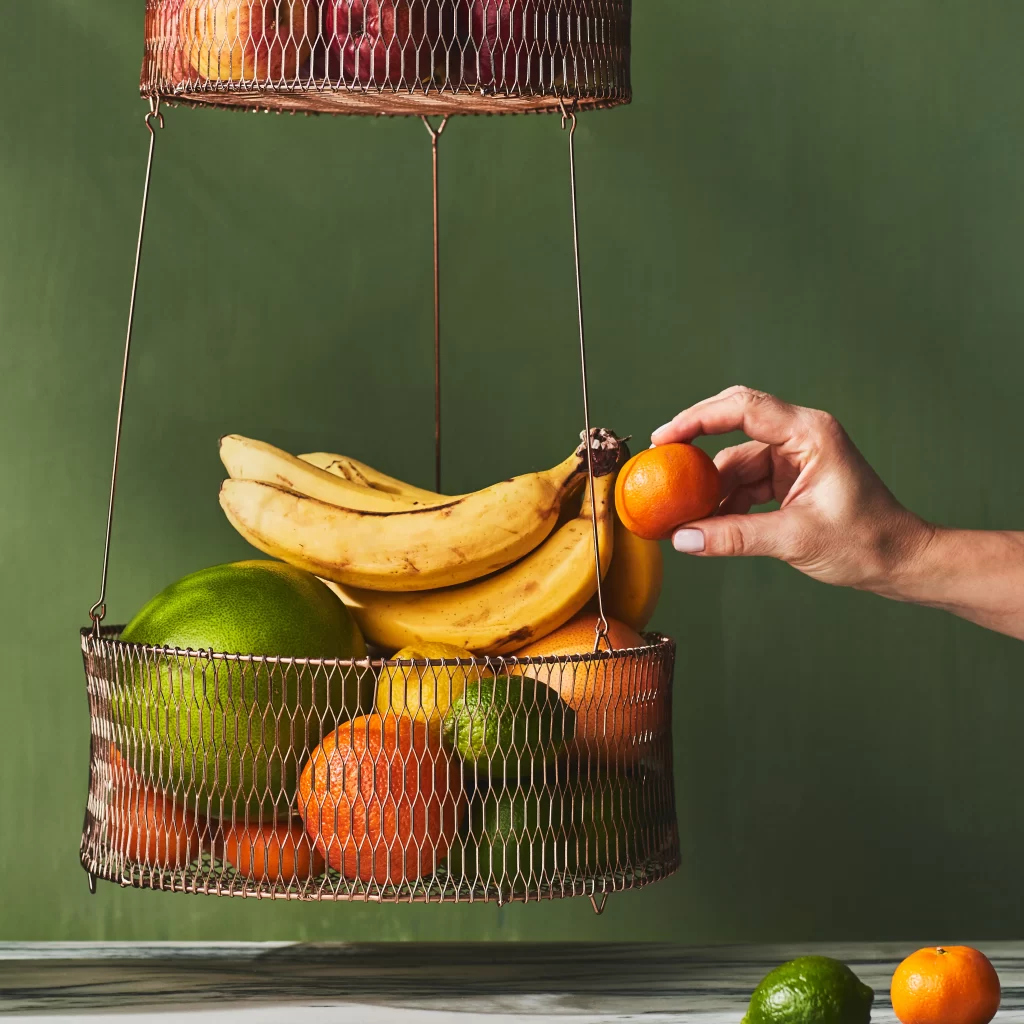
Drying is another effective preservation method that prevents waste.
Drying Techniques
- Sun Drying: Suitable in hot, dry climates; place fruits on trays and cover with mesh to protect from insects.
- Oven Drying: Use low heat (50–60°C / 120–140°F) to dehydrate fruits evenly.
- Dehydrator Drying: Provides consistent results for berries, apples, pears, and apricots.
Storage of Dried Fruits
- Store in airtight containers or glass jars in a cool, dark place.
- Properly dried fruits can last 6–12 months and are versatile for snacks, cereals, and baking.
7. Fermentation and Natural Preserving Techniques
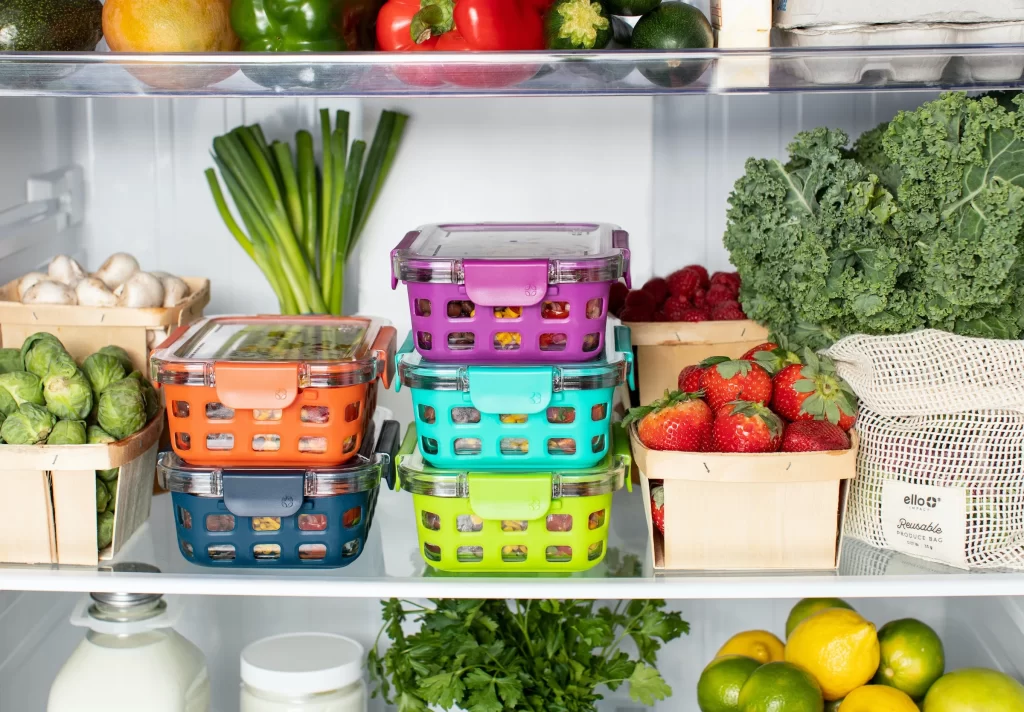
Fermentation is a natural, chemical-free method that preserves fruit while enhancing flavor and nutrition.
Steps
- Prepare fruit by washing, peeling, or chopping.
- Submerge in a lightly salted brine or sugar solution.
- Store in sterilized jars at room temperature for several days.
- Transfer to the refrigerator once desired flavor and texture are achieved.
Benefits: Fermented fruits retain nutrients, develop complex flavors, and provide beneficial probiotics.
8. Avoiding Common Storage Mistakes
| Mistake | Effect | Solution |
|---|---|---|
| Storing wet fruits | Mold and rot | Dry thoroughly before storage |
| Overcrowding | Crushing and uneven ripening | Store in single layers or ventilated containers |
| Mixing ethylene producers with sensitive fruits | Accelerated spoilage | Store separately |
| Exposure to heat or sunlight | Rapid ripening, nutrient loss | Keep fruits in cool, dark areas |
| Ignoring damaged fruits | Spoilage spreads | Inspect and remove imperfect fruits regularly |
9. Nutrient Preservation in Stored Fruits
Fruits are rich in vitamins C and A, antioxidants, fiber, and phytonutrients.
Tips
- Minimize washing until just before consumption to preserve nutrients.
- Use chemical-free preservation methods such as refrigeration, freezing, drying, and fermentation.
- Avoid prolonged exposure to heat, light, or air, which accelerates nutrient degradation.
- Consume preserved fruits within recommended periods for maximum health benefits.
10. Sustainable and Eco-Friendly Practices
Reducing fruit waste contributes to sustainability and environmental responsibility.
Suggestions
- Use reusable containers, jars, and cloth bags instead of single-use plastics.
- Compost spoiled fruits to return nutrients to the soil.
- Harvest or purchase fruits according to household needs to avoid overbuying.
- Organize storage areas efficiently to reduce energy consumption in refrigeration or freezing.
Sustainable storage practices preserve food quality while reducing environmental impact.
11. Culinary Uses of Preserved Fruits
Properly stored fruits remain versatile and nutritious.
Ideas
- Fresh Fruits: Eat raw in salads, bowls, or as snacks.
- Frozen Fruits: Use in smoothies, compotes, or desserts.
- Dried Fruits: Add to cereals, granola, baked goods, or trail mixes.
- Fermented Fruits: Serve as probiotic-rich accompaniments or side dishes.
- Juices and Sauces: Use preserved fruits for natural flavoring in sauces, jams, and beverages.
Effective preservation ensures fruits contribute flavor, nutrition, and variety year-round.
Conclusion
Storing fruits at home without waste is achievable through careful selection, gentle handling, proper storage, and natural preservation techniques. Refrigeration, freezing, drying, fermentation, and proper layering extend shelf life, maintain flavor, aroma, and nutrients, and reduce spoilage. Avoiding common mistakes, such as storing wet fruits, mixing ethylene-producing fruits with sensitive ones, and exposing fruits to heat or sunlight, ensures long-lasting quality.
By following these methods, households can enjoy fresh, versatile, and nutrient-rich fruits while minimizing waste, saving money, and supporting sustainable kitchen practices. Chemical-free, thoughtful storage preserves both the health benefits and the delicious taste of fruits throughout the year.