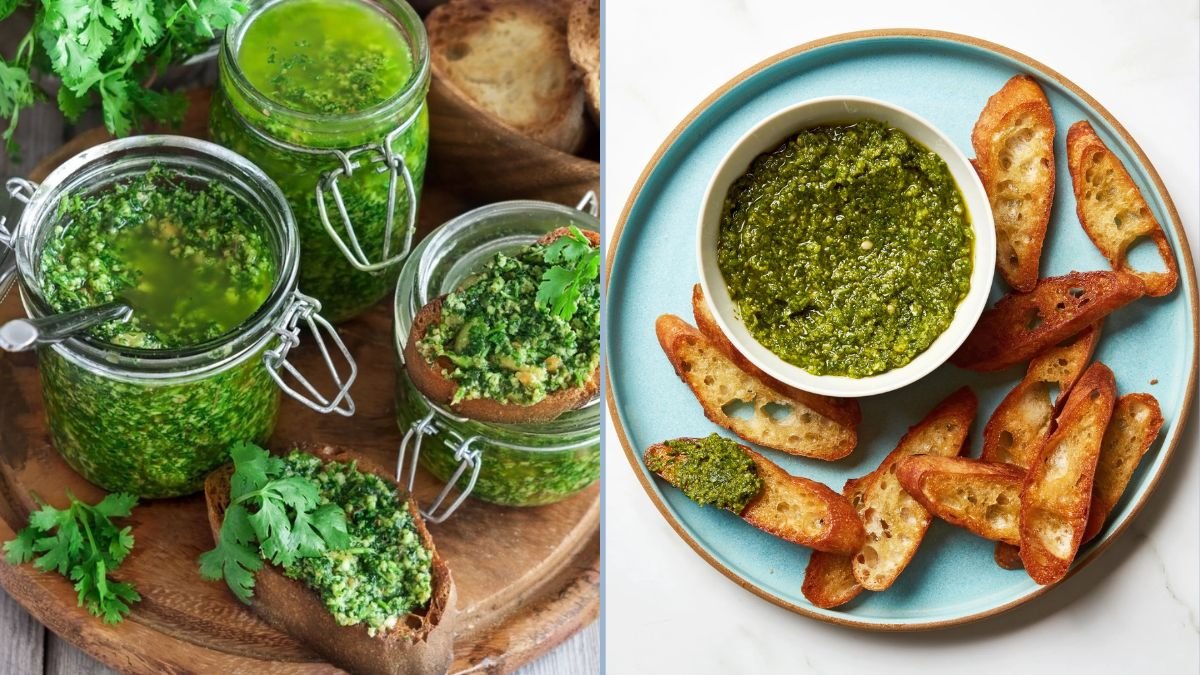
Herbs are often associated with garnishes or pesto, yet they hold immense potential for enhancing flavor, aroma, and nutrition in a variety of dishes. This paper explores innovative ways to use fresh herbs beyond traditional pesto, highlighting culinary techniques, flavor pairings, and health benefits. Emphasis is placed on home-cooked, vegetarian-friendly approaches that preserve the freshness and nutritional value of herbs. Techniques include infusions, herb pastes, roasted herb dishes, herb-based sauces, and baked creations. The study demonstrates that fresh herbs can elevate everyday cooking into nutritious, aromatic, and visually appealing meals.
Introduction
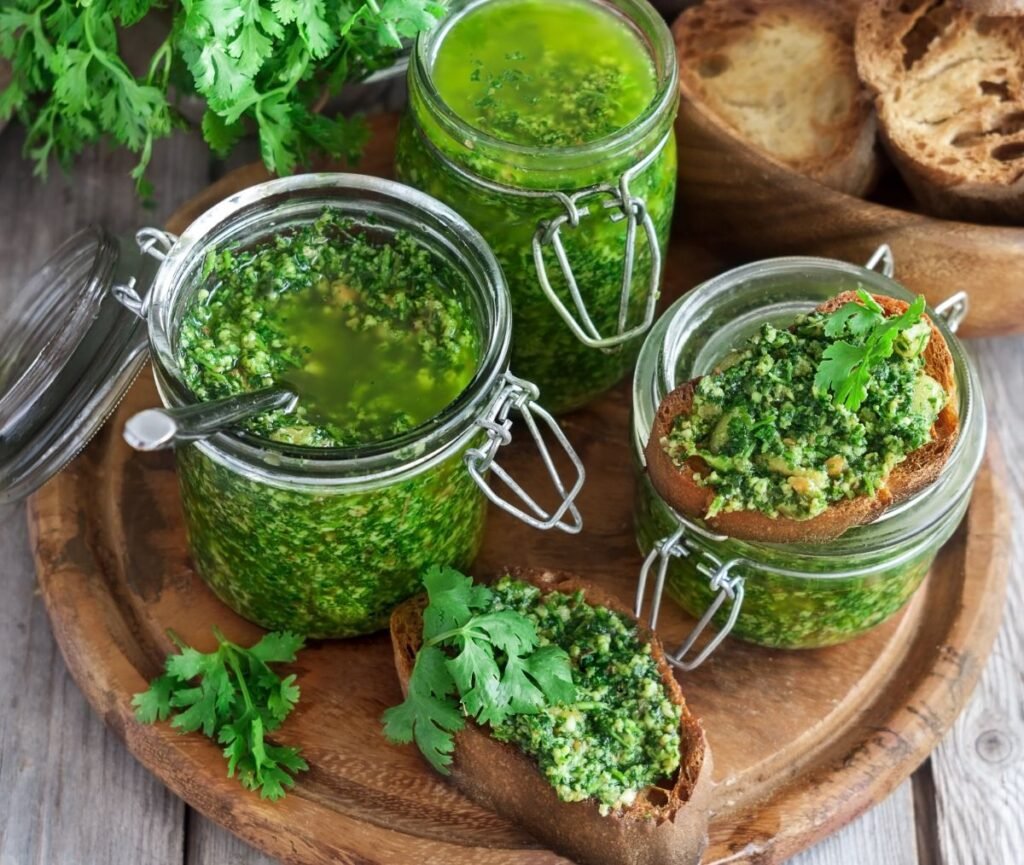
Fresh herbs—such as basil, cilantro, parsley, thyme, rosemary, and mint—play a key role in vegetarian cuisine. They enhance flavor without adding calories, sodium, or artificial ingredients, making them an ideal component of healthy, home-cooked meals. While pesto is a popular way to use herbs, the possibilities extend far beyond this traditional sauce.
Incorporating herbs creatively into soups, roasted vegetables, grain bowls, baked goods, herbal oils, and infusions allows for diverse flavor profiles, textures, and nutritional benefits. This paper examines practical techniques for cooking with herbs beyond pesto, providing insights into preparation, flavor balance, and health advantages while maintaining simplicity for home cooks.
Nutritional Benefits of Fresh Herbs
Fresh herbs offer multiple health advantages:
- Vitamins and Minerals: Basil, parsley, and cilantro are rich in vitamin K, vitamin A, vitamin C, and folate.
- Antioxidants: Herbs contain polyphenols and flavonoids that combat oxidative stress.
- Digestive Support: Mint, thyme, and rosemary can aid digestion and promote gut health.
- Anti-Inflammatory Properties: Many herbs contain bioactive compounds that reduce inflammation.
- Low-Calorie Flavor Enhancement: Herbs add robust flavor without additional calories or fat.
Incorporating fresh herbs into meals enhances both flavor and nutrition, encouraging healthier cooking practices.
Selecting Fresh Herbs

Quality herbs are crucial for flavor and visual appeal:
- Leafy Herbs: Basil, parsley, cilantro, mint—best used fresh for garnishing, salads, or raw sauces.
- Woody Herbs: Thyme, rosemary, sage—ideal for roasting, infusions, and slow-cooked dishes.
- Aromatic Herbs: Dill, tarragon, chives—enhance flavor in soups, dressings, and baked goods.
- Tips for Selection: Look for bright green leaves, firm stems, and absence of wilting or yellowing.
Using fresh herbs ensures maximum aroma, flavor, and nutritional value.
Preparation Techniques
- Chopping and Mincing: Essential for evenly distributing flavor in dishes.
- Blending into Pastes: Herbs can be blended with garlic, nuts, or olive oil for versatile spreads or sauces.
- Infusing: Steeping herbs in oils, vinegars, or broths to transfer flavor without cooking.
- Roasting or Baking: Whole or chopped herbs can be added to roasted vegetables, grain dishes, or baked breads to deepen flavor.
- Finishing Touch: Add fresh herbs at the end of cooking for brightness and aroma.
These techniques maximize both the culinary and nutritional potential of herbs.
Creative Ways to Use Herbs Beyond Pesto
1. Herb-Infused Oils and Vinegars
Method: Combine fresh herbs such as rosemary, thyme, or basil with olive oil or vinegar; steep gently to infuse flavor.
Uses: Drizzle over salads, roasted vegetables, or grain bowls.
Benefits: Preserves fresh flavor, enhances dishes without additional calories.
2. Roasted Herb Vegetables
Method: Toss root or seasonal vegetables with olive oil, salt, pepper, and fresh or dried herbs like thyme, rosemary, or sage; roast until caramelized.
Uses: Side dishes or meal bowls.
Benefits: Intensifies flavors, adds antioxidants, and supports plant-based eating.
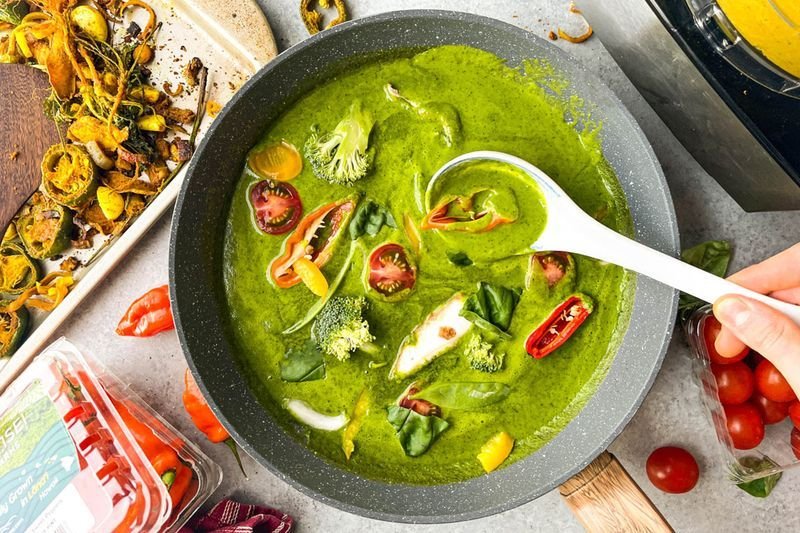
3. Herb-Enhanced Soups and Stews
Method: Add minced or chopped herbs during cooking or as a garnish.
Examples: Parsley in lentil soup, cilantro in tomato soup, thyme in vegetable stew.
Benefits: Elevates aroma and taste while preserving nutrients.
4. Herb-Infused Grain and Legume Dishes
Method: Add fresh herbs to cooked quinoa, rice, or lentils; gently fold in at the end of cooking.
Examples: Basil in quinoa salad, parsley in chickpea bowls, dill in barley pilaf.
Benefits: Enhances flavor naturally, reduces reliance on salt or fat.
5. Herb Breads and Savory Bakes

Method: Incorporate chopped herbs into bread, muffins, or savory pastries.
Examples: Rosemary focaccia, chive biscuits, thyme scones.
Benefits: Adds aroma, subtle flavor, and visual appeal.
6. Herb-Infused Dairy Alternatives
Method: Mix herbs into plant-based yogurt, cheese spreads, or butters.
Uses: Dips, sandwich spreads, or accompaniments for roasted vegetables.
Benefits: Adds flavor, nutrition, and freshness without excessive calories.
7. Fresh Herb Dressings and Sauces
Method: Combine herbs with citrus, vinegar, or olive oil to create light, refreshing dressings.
Examples: Lemon-basil vinaigrette, cilantro-lime dressing, parsley-garlic dressing.
Benefits: Enhances salads, roasted vegetables, and bowls while preserving nutrient density.
8. Frozen Herb Cubes
Method: Chop herbs and freeze in ice cube trays with olive oil or water.
Uses: Convenient for soups, sauces, and sautés.
Benefits: Extends shelf life of fresh herbs and provides easy access for cooking.
Tips for Maximizing Herb Flavor

- Use Fresh Herbs Whenever Possible: Preserve natural aroma and nutrients.
- Layer Flavors: Add some herbs during cooking and some at the end.
- Pair Thoughtfully: Match herbs with vegetables, grains, legumes, or fruits for complementary flavors.
- Minimal Processing: Light chopping or blending maintains integrity of volatile oils.
- Avoid Overcooking: Woody herbs can handle longer cooking; tender herbs are best added near the end.
Health and Culinary Benefits
- Nutrient-Rich: Provides antioxidants, vitamins, minerals, and bioactive compounds.
- Low-Calorie Flavor Enhancement: Adds taste without excessive calories, fat, or sodium.
- Versatile: Applicable to soups, salads, grains, vegetables, baked goods, and spreads.
- Supports Seasonal Cooking: Encourages the use of fresh, garden-grown herbs.
- Encourages Culinary Creativity: Allows experimentation with flavor combinations, textures, and presentation.
Discussion
Cooking with herbs beyond pesto demonstrates the versatility and impact of fresh herbs in vegetarian cuisine. Herbs contribute more than flavor—they provide nutritional benefits, aromatic complexity, and visual appeal. Innovative uses, such as infusions, herb pastes, roasted vegetable applications, and baked goods, expand the culinary possibilities of herbs.
Incorporating fresh herbs encourages mindful cooking practices, reduces reliance on processed seasonings, and enhances the overall sensory experience of meals. Herbs can transform simple vegetables, grains, and legumes into flavorful, nutrient-rich dishes suitable for daily consumption or special occasions.
Conclusion
Fresh herbs offer boundless opportunities to elevate vegetarian cooking beyond pesto. Techniques such as infusions, roasting, herb-based sauces, baked incorporations, and creative dressings allow herbs to shine in diverse culinary contexts. By selecting high-quality herbs, employing thoughtful preparation techniques, and experimenting with flavor pairings, home cooks can transform ordinary meals into vibrant, aromatic, and nutrient-rich dishes.
Creative use of herbs enhances flavor, supports nutrition, and encourages seasonal, plant-based eating. From soups and roasted vegetables to grain dishes, baked goods, and infused oils, herbs are versatile tools that can enrich vegetarian cuisine, providing freshness, aroma, and a touch of culinary sophistication to everyday cooking.