
Vegetable curry made from fresh ingredients is a staple of vegetarian cuisine, providing a nutrient-rich, flavorful, and satisfying meal. Utilizing fresh vegetables, herbs, and spices maximizes taste, aroma, and health benefits while minimizing reliance on processed ingredients. This paper explores the preparation of easy vegetable curry, highlighting ingredient selection, cooking techniques, flavor balancing, and nutritional value. Emphasis is placed on simplicity, versatility, and the use of homegrown or locally sourced vegetables. The study demonstrates that fresh, seasonal ingredients can transform a simple curry into a wholesome, aromatic, and visually appealing dish suitable for everyday meals.
Introduction
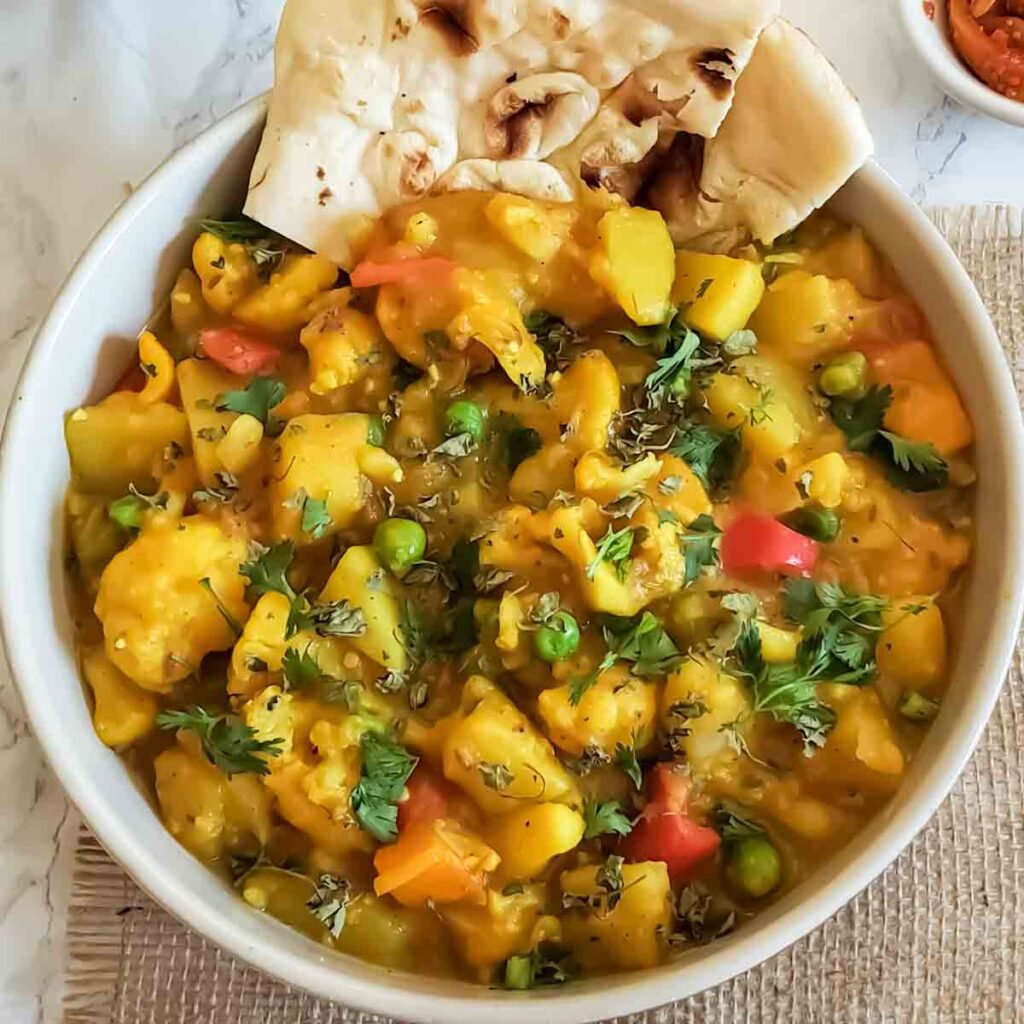
Curry is a versatile dish found in various cultures, celebrated for its aromatic spices, rich flavors, and adaptability. A vegetable-based curry emphasizes the use of fresh, seasonal produce, providing a wholesome, plant-based meal. Using fresh vegetables not only enhances flavor but also ensures higher nutrient content compared to frozen or canned alternatives.
An easy vegetable curry relies on simple preparation methods, readily available ingredients, and the natural flavors of the vegetables and spices. This approach allows home cooks to create satisfying meals that are quick to prepare, nutritious, and customizable according to seasonal availability. By focusing on fresh ingredients, vegetarian curries can be both healthful and indulgent, offering a rich balance of taste, texture, and aroma.
Nutritional Benefits of Vegetable Curry

Vegetable curries made from fresh ingredients offer multiple health advantages:
- Vitamins and Minerals: Carrots, bell peppers, spinach, and tomatoes provide vitamins A, C, and K, as well as potassium and folate.
- Dietary Fiber: Vegetables and legumes support digestive health and prolong satiety.
- Protein from Plant Sources: Legumes such as lentils, chickpeas, or beans add essential plant-based protein.
- Antioxidants: Spices like turmeric, cumin, coriander, and chili offer antioxidant and anti-inflammatory properties.
- Low in Processed Ingredients: Home-prepared curries reduce reliance on pre-packaged sauces, additives, or preservatives.
These benefits make vegetable curry a balanced, nutritious option suitable for regular meals.
Selecting Fresh Ingredients
Choosing the right vegetables, herbs, and spices is essential:
- Vegetables: Carrots, bell peppers, zucchini, spinach, cauliflower, broccoli, green beans, peas, and tomatoes.
- Legumes (Optional): Lentils, chickpeas, or beans provide protein and fiber.
- Aromatics: Garlic, ginger, onions, and green chilies enhance flavor.
- Herbs: Fresh coriander, curry leaves, and mint add aroma and depth.
- Spices: Turmeric, cumin, coriander powder, garam masala, mustard seeds, and chili powder provide warmth and complexity.
- Healthy Fats: Olive oil, coconut oil, or ghee (vegetarian) supports cooking and flavor extraction.
Using seasonal and locally sourced vegetables ensures freshness and optimal nutrient content.
Preparation Techniques

- Washing and Chopping: Wash vegetables thoroughly and chop into uniform sizes for even cooking.
- Tempering Spices: Heat oil and lightly toast whole spices like cumin, mustard seeds, or curry leaves to release essential oils.
- Sautéing Aromatics: Cook onions, garlic, and ginger until golden to create a flavorful base.
- Layering Flavors: Add spices, tomatoes, and other flavoring ingredients gradually for depth.
- Simmering Vegetables: Add vegetables in stages based on cooking times, ensuring tender yet crisp texture.
- Finishing with Herbs: Fresh coriander or curry leaves added at the end preserve aroma and freshness.
Basic Easy Vegetable Curry Recipe

Ingredients:
- 2 carrots, diced
- 1 bell pepper, chopped
- 1 zucchini, sliced
- 1 cup spinach
- 1 onion, finely chopped
- 2 garlic cloves, minced
- 1-inch ginger, grated
- 2 tomatoes, chopped
- 1 tsp turmeric
- 1 tsp cumin powder
- 1 tsp coriander powder
- ½ tsp chili powder (optional)
- 1 tsp garam masala
- Salt to taste
- 2 tbsp olive or coconut oil
- Fresh coriander for garnish
Preparation:
- Heat oil in a pan, add cumin seeds, and sauté for 1 minute.
- Add onions, garlic, and ginger; sauté until golden.
- Stir in turmeric, cumin powder, coriander powder, and chili powder.
- Add tomatoes and cook until soft and pulpy.
- Add carrots and bell peppers; cook for 5 minutes.
- Add zucchini and simmer for 5–7 minutes until all vegetables are tender.
- Stir in spinach and cook for 2 minutes.
- Sprinkle garam masala and fresh coriander, adjust salt, and serve hot.
Serving Suggestions: Pair with steamed rice, quinoa, or whole-grain roti for a complete meal.
Variations of Vegetable Curry
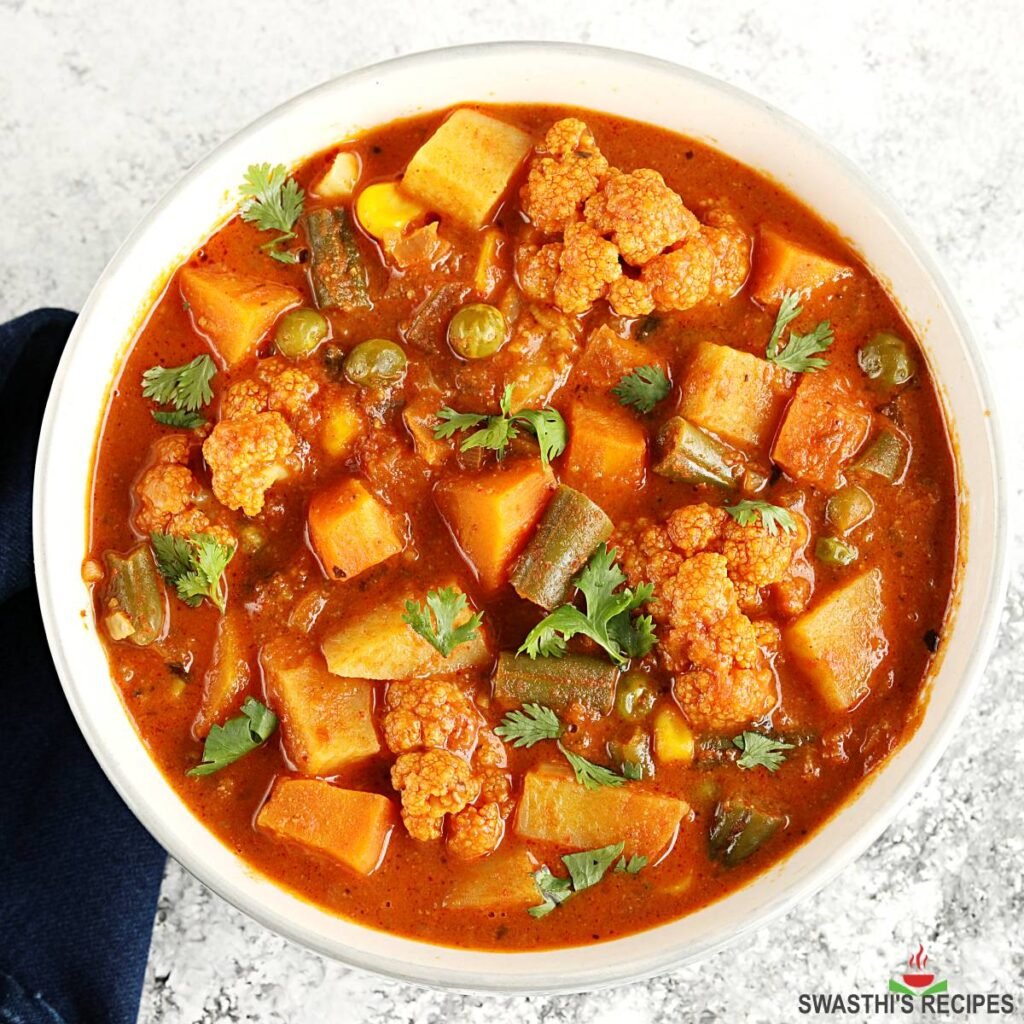
- Coconut Vegetable Curry: Use coconut milk for a creamy texture, ideal with bell peppers, cauliflower, and carrots.
- Lentil Vegetable Curry: Add cooked lentils for protein-rich, hearty curry.
- Spicy Tomato-Based Curry: Increase chili and use fresh tomatoes for a tangy, robust flavor.
- Mixed Vegetable Curry: Combine seasonal vegetables like peas, green beans, pumpkin, and zucchini for variety in color and texture.
- Herb-Enhanced Curry: Add fresh curry leaves, mint, or basil for aromatic and layered flavors.
Tips for Flavor and Texture
- Cut Vegetables Uniformly: Ensures even cooking and appealing texture.
- Add Firm Vegetables First: Carrots and cauliflower take longer; leafy greens like spinach go in last.
- Balance Spices: Adjust chili, turmeric, and garam masala according to taste.
- Use Fresh Herbs: Adding herbs at the end preserves aroma and brightens flavor.
- Avoid Overcooking: Vegetables should be tender but retain a slight crunch for best texture.
- Minimal Oil: Use healthy oils to sauté spices and vegetables, avoiding excess fat.
Health and Culinary Benefits
- Nutrient-Dense: Provides fiber, vitamins, minerals, antioxidants, and plant-based protein.
- Low in Processed Ingredients: Homemade curry reduces reliance on pre-packaged sauces.
- Versatile and Adaptable: Can be tailored to available vegetables, spices, and dietary preferences.
- Supports Plant-Based Eating: Encourages inclusion of vegetables in daily meals.
- Promotes Mindful Cooking: Using fresh ingredients enhances connection with seasonal produce and cooking practices.
Discussion
Easy vegetable curry exemplifies the combination of nutrition, flavor, and simplicity in vegetarian cooking. By using fresh vegetables, aromatics, and spices, home cooks can prepare curries that are both satisfying and healthful. The versatility of the dish allows adaptation to seasonal produce, dietary needs, and personal flavor preferences.
Using fresh ingredients maximizes nutrient retention while reducing the need for processed additives. Incorporating a variety of vegetables ensures a balance of textures, colors, and nutrients. Additionally, the aromatic spices not only enhance flavor but contribute health-promoting antioxidants and anti-inflammatory compounds. Vegetable curry can be a centerpiece of a meal, providing both comfort and nourishment.
Conclusion
Easy vegetable curry made from fresh ingredients is a nutritious, flavorful, and versatile addition to vegetarian cuisine. Utilizing fresh, seasonal vegetables, aromatic spices, and herbs ensures optimal flavor, texture, and nutritional content. From simple tomato-based curries to creamy coconut or lentil variations, the possibilities are extensive.
By focusing on fresh ingredients, proper cooking techniques, and balanced flavors, home cooks can create vegetable curries that are visually appealing, aromatic, and health-promoting. Easy vegetable curry demonstrates how fresh, natural ingredients can transform a simple meal into a wholesome, satisfying, and nutrient-dense dish suitable for everyday consumption.