Abstract
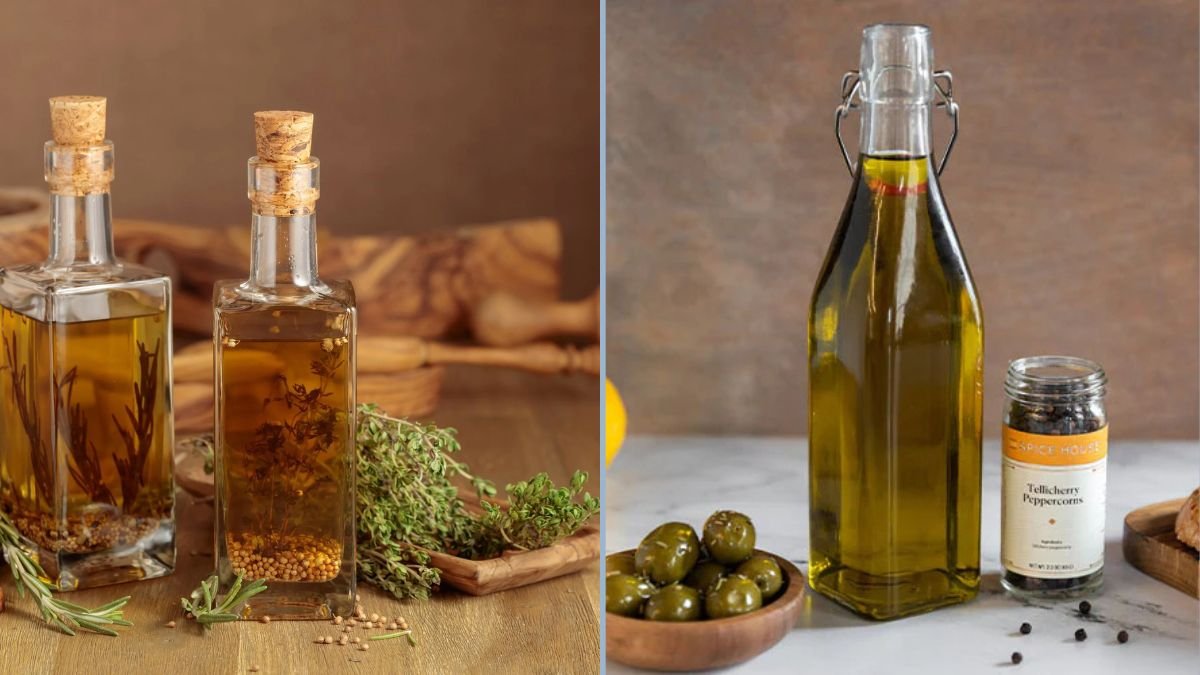
Herb-infused olive oils combine the rich, fruity flavor of olive oil with the aromatic qualities of fresh herbs, providing a versatile and healthful addition to vegetarian cooking. These infused oils enhance the taste, aroma, and nutritional value of dishes while allowing creative culinary expression. This paper explores the preparation, flavor profiles, health benefits, and practical applications of herb-infused olive oils in cooking. Emphasis is placed on using fresh, homegrown herbs, minimizing additives, and preserving the natural properties of both oil and herbs. The study demonstrates that herb-infused olive oils offer both culinary versatility and nutritional benefits, making them a valuable tool for everyday cooking.
Introduction
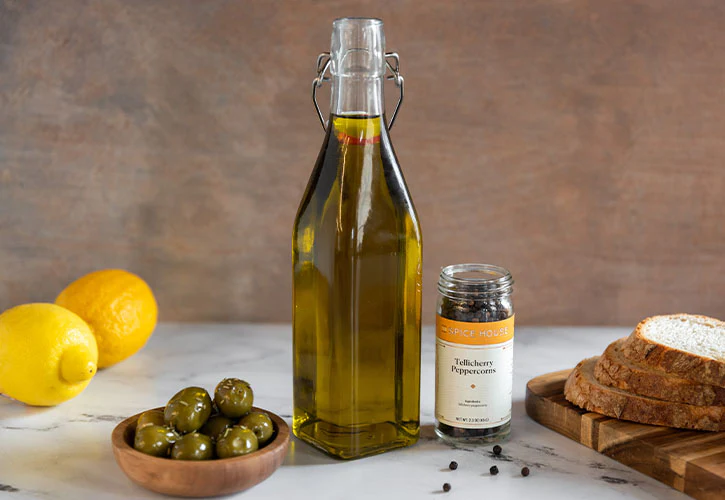
Olive oil is a cornerstone of healthy vegetarian cooking, prized for its heart-healthy monounsaturated fats, antioxidants, and distinctive flavor. When combined with fresh herbs, it transforms into a flavorful, aromatic ingredient that can enhance salads, roasted vegetables, pasta dishes, and marinades.
Herb-infused olive oils are not only versatile but also practical for adding depth of flavor without relying on processed sauces, excessive salt, or artificial seasonings. Fresh herbs like rosemary, basil, thyme, oregano, and parsley impart unique tastes and aromas while contributing vitamins, antioxidants, and phytonutrients.
This paper examines the art and science of preparing herb-infused olive oils, detailing ingredient selection, infusion methods, flavor combinations, storage, and applications in vegetarian cooking.
Nutritional Benefits of Herb-Infused Olive Oils
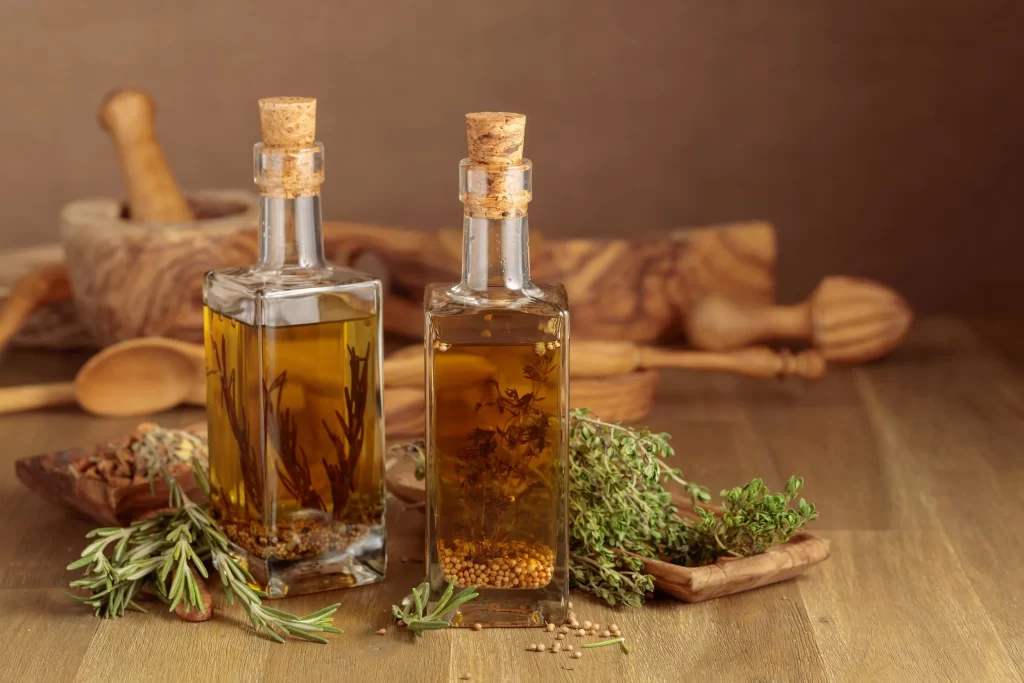
Herb-infused olive oils combine the health benefits of olive oil and fresh herbs, creating a nutrient-rich cooking medium:
- Heart-Healthy Fats: Olive oil provides monounsaturated fats, supporting cardiovascular health and reducing inflammation.
- Antioxidants: Both olive oil and fresh herbs contain antioxidants, which help combat oxidative stress.
- Vitamins and Phytonutrients: Herbs add vitamins A, C, and K, as well as beneficial polyphenols.
- Anti-Inflammatory Properties: Olive oil and certain herbs, like rosemary and thyme, offer natural anti-inflammatory effects.
- Enhanced Nutrient Absorption: Healthy fats in olive oil improve the absorption of fat-soluble vitamins from vegetables and herbs.
Herb-infused olive oils offer a flavorful, healthful way to elevate vegetarian meals while providing additional nutritional benefits.
Selecting Ingredients
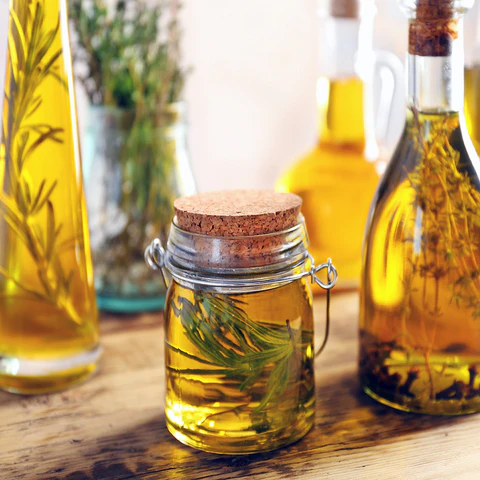
The quality of ingredients directly influences flavor, aroma, and nutritional value:
- Olive Oil: Use extra virgin olive oil for maximum flavor, antioxidants, and nutritional benefits.
- Fresh Herbs: Rosemary, basil, thyme, oregano, parsley, cilantro, and mint are ideal for infusions.
- Aromatics (Optional): Garlic, lemon zest, or chili flakes add subtle complexity.
- Storage Containers: Sterilized glass bottles or jars maintain freshness and prevent oxidation.
Choosing high-quality, fresh ingredients is essential to producing herb-infused olive oils that are flavorful and nutritious.
Methods of Infusion
- Cold Infusion (Room Temperature):
- Wash and thoroughly dry fresh herbs.
- Place herbs in a sterilized bottle, pour olive oil over them, and seal tightly.
- Allow to infuse at room temperature for 1–2 weeks, shaking occasionally to release flavor.
- This method preserves heat-sensitive nutrients and fresh flavors.
- Warm Infusion (Gentle Heating):
- Heat olive oil gently (40–50°C) in a saucepan.
- Add herbs and aromatics, allowing the oil to absorb flavors for 30–60 minutes.
- Cool and strain the oil into a sterilized bottle.
- This method intensifies flavors but should be carefully monitored to prevent degradation of nutrients.
- Quick Infusion:
- Blend herbs with olive oil in a food processor for 1–2 minutes.
- Use immediately for drizzling over salads or roasted vegetables.
- This method provides immediate flavor but may have a shorter shelf life.
Popular Herb Combinations
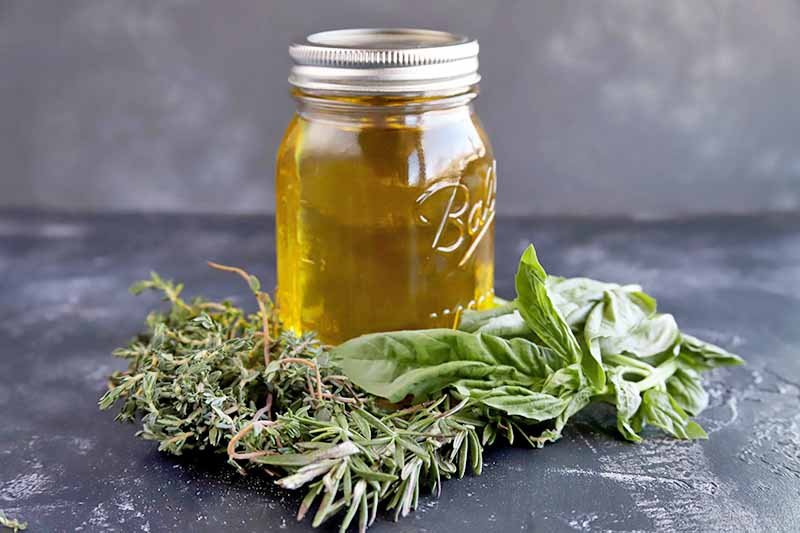
- Rosemary and Thyme: Excellent for roasted vegetables, potatoes, and breads.
- Basil and Oregano: Perfect for pasta dishes, tomato sauces, and Mediterranean cooking.
- Parsley and Garlic: Ideal for drizzling over grains, salads, or steamed vegetables.
- Cilantro and Lime Zest: Great for Asian or Latin-inspired dishes, adding freshness and tang.
- Mint and Lemon: Refreshing for cold salads, quinoa bowls, or grilled vegetables.
These combinations highlight the versatility of herb-infused olive oils in complementing a variety of vegetarian dishes.
Applications in Vegetarian Cooking
- Salad Dressings: Use herb-infused oils as a base for vinaigrettes, drizzling over leafy greens or roasted vegetables.
- Roasted Vegetables: Toss vegetables in infused oil before roasting to enhance aroma and flavor.
- Pasta and Grain Dishes: Drizzle over cooked pasta, rice, or quinoa for a burst of herbaceous flavor.
- Bread Dipping: Serve as a dipping oil with crusty bread for appetizers.
- Marinades: Coat tofu, tempeh, or vegetables in infused oil before grilling or baking.
- Finishing Oil: Add a splash of herb-infused oil to soups or stews just before serving to enhance aroma and presentation.
Tips for Preserving Flavor and Quality
- Use Sterilized Containers: Prevent contamination and extend shelf life.
- Keep Herbs Dry: Moisture promotes spoilage; pat herbs completely dry before infusion.
- Store in Cool, Dark Places: Avoid direct sunlight and heat to preserve nutrients and flavor.
- Short-Term Use: Consume within 2–3 weeks for best flavor and freshness.
- Avoid Overheating: Excessive heat can degrade antioxidants and change the flavor profile.
- Experiment in Small Batches: Test new herb combinations to find preferred flavor profiles before scaling up.
Health and Culinary Benefits
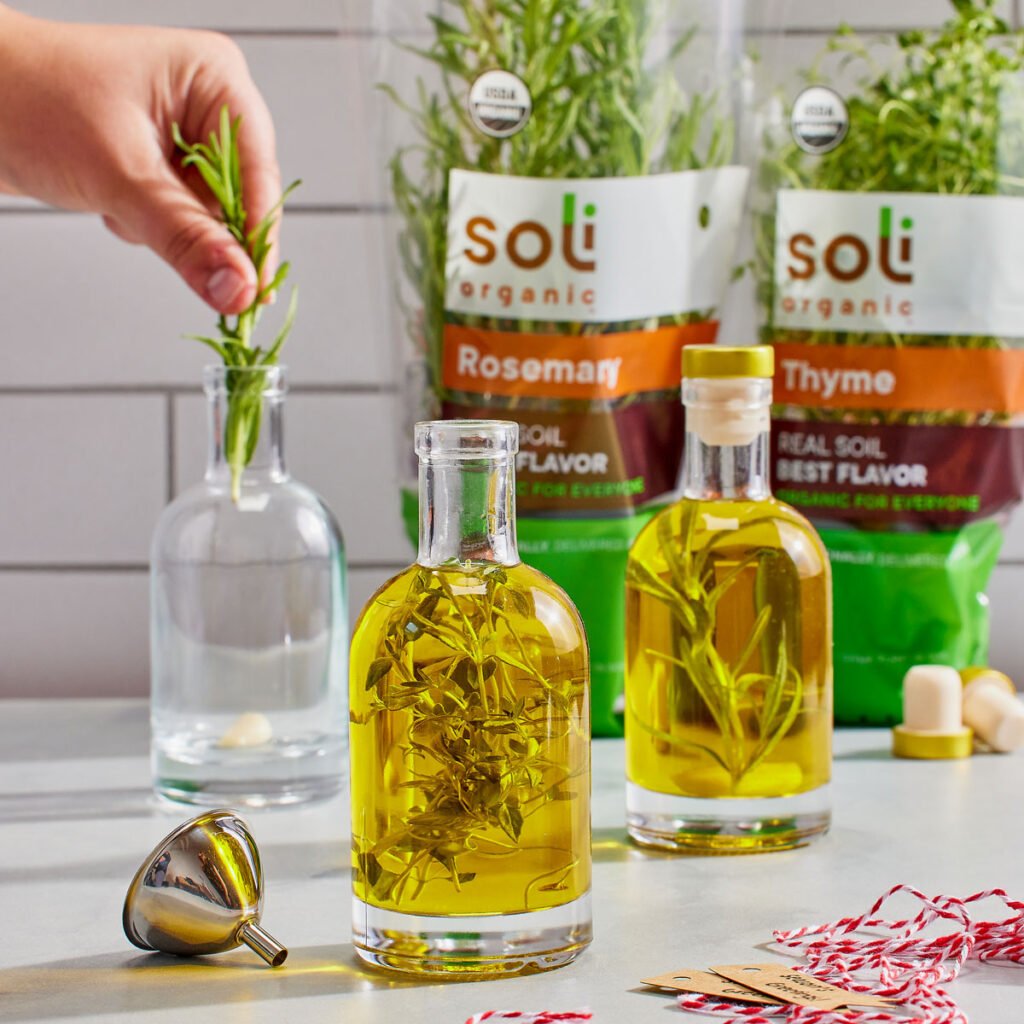
Herb-infused olive oils provide a range of advantages:
- Nutrient Enhancement: Combines healthy fats with vitamins, antioxidants, and phytonutrients from herbs.
- Flavor Enhancement: Adds depth, complexity, and aroma to simple vegetarian dishes without processed additives.
- Versatility: Can be used in dressings, cooking, drizzling, and marinating.
- Aesthetic Appeal: Fresh herbs and vibrant oil create visually appealing presentations.
- Sustainability: Encourages the use of homegrown herbs and reduces dependence on commercially processed oils and flavorings.
Discussion
Herb-infused olive oils represent the intersection of culinary art, health, and convenience in vegetarian cooking. By combining high-quality olive oil with fresh herbs, cooks can create flavorful oils that elevate simple dishes and enhance nutrient density. These oils allow for the customization of flavor profiles, enabling experimentation with different herbs, aromatics, and intensity of infusion.
Their versatility makes them suitable for a wide range of applications, from raw salads to cooked dishes. Additionally, using herb-infused oils encourages sustainable and home-centered cooking practices, utilizing fresh herbs, reducing reliance on packaged sauces, and fostering creativity in meal preparation.
Conclusion
Herb-infused olive oils are a simple, nutritious, and versatile way to enhance vegetarian cooking. By selecting high-quality olive oil and fresh herbs, and using appropriate infusion methods, cooks can create oils that are flavorful, aromatic, and healthful.
From rosemary and thyme for roasted vegetables to basil and oregano for pasta or parsley and garlic for grains, the possibilities are extensive. Herb-infused oils enrich the taste, aroma, and nutritional profile of meals while promoting sustainable, plant-based cooking practices.
Ultimately, herb-infused olive oils demonstrate how natural ingredients can transform everyday dishes into elegant, flavorful, and nutrient-rich meals, highlighting the synergy of health, simplicity, and culinary creativity in vegetarian cuisine.