Fresh salsa made from garden produce is a vibrant, nutrient-rich condiment that enhances the flavor of vegetarian meals while being easy to prepare at home. This paper explores methods for creating fresh salsa using tomatoes, peppers, onions, herbs, and other garden-grown ingredients. Emphasis is placed on selecting fresh produce, preparing ingredients properly, balancing flavors, and presenting salsa attractively. The study highlights nutritional benefits, culinary versatility, and simple preparation techniques, demonstrating that fresh, homemade salsa is a healthful, flavorful, and visually appealing addition to everyday meals.
Introduction
Salsa is a staple in vegetarian cuisine, appreciated for its fresh, tangy, and spicy flavor. Homemade salsa made from garden ingredients surpasses store-bought options in taste, freshness, and nutritional value. Using fresh tomatoes, peppers, onions, and herbs creates a vibrant, aromatic dish that can accompany snacks, main courses, or salads.
The simplicity of preparing salsa at home makes it accessible for novice and experienced cooks alike. By using seasonal produce, cooks can achieve a natural balance of sweetness, acidity, and spice. This paper explores the principles of making fresh garden salsa, covering ingredient selection, preparation methods, flavor enhancement, and nutritional benefits.
Nutritional Benefits of Fresh Salsa
Fresh salsa offers numerous health advantages:
- Vitamins and Minerals: Tomatoes provide vitamin C, potassium, and lycopene, while peppers offer vitamin A and C.
- Low-Calorie and Hydrating: High water content keeps calorie density low while supporting hydration.
- Dietary Fiber: Vegetables and herbs support digestion and satiety.
- Antioxidants: Tomatoes, peppers, and herbs contain antioxidants that help reduce oxidative stress.
- Low in Sodium: Homemade preparation allows control over salt content, avoiding processed additives.
Regular consumption of fresh salsa enhances nutrient intake while adding vibrant flavor to meals.
Selecting Fresh Garden Ingredients
Using high-quality, fresh ingredients is essential for flavorful salsa:
- Tomatoes: Ripe, firm tomatoes provide natural sweetness and tang.
- Peppers: Bell peppers for sweetness and color; jalapeños or other mild peppers for spice.
- Onions: Red or white onions add crunch and subtle sweetness.
- Garlic: Adds depth and aromatic complexity.
- Herbs: Fresh cilantro, parsley, or basil brighten flavor and aroma.
- Citrus: Lime or lemon juice adds acidity and freshness.
- Optional Additions: Corn, cucumbers, or radishes can add texture and variety.
Selecting produce from your garden ensures peak freshness, flavor, and nutritional content.
Preparation Techniques
- Washing and Trimming: Rinse all vegetables thoroughly; remove stems, seeds, or blemishes as needed.
- Chopping or Dicing: Uniform chopping ensures consistent texture and flavor distribution.
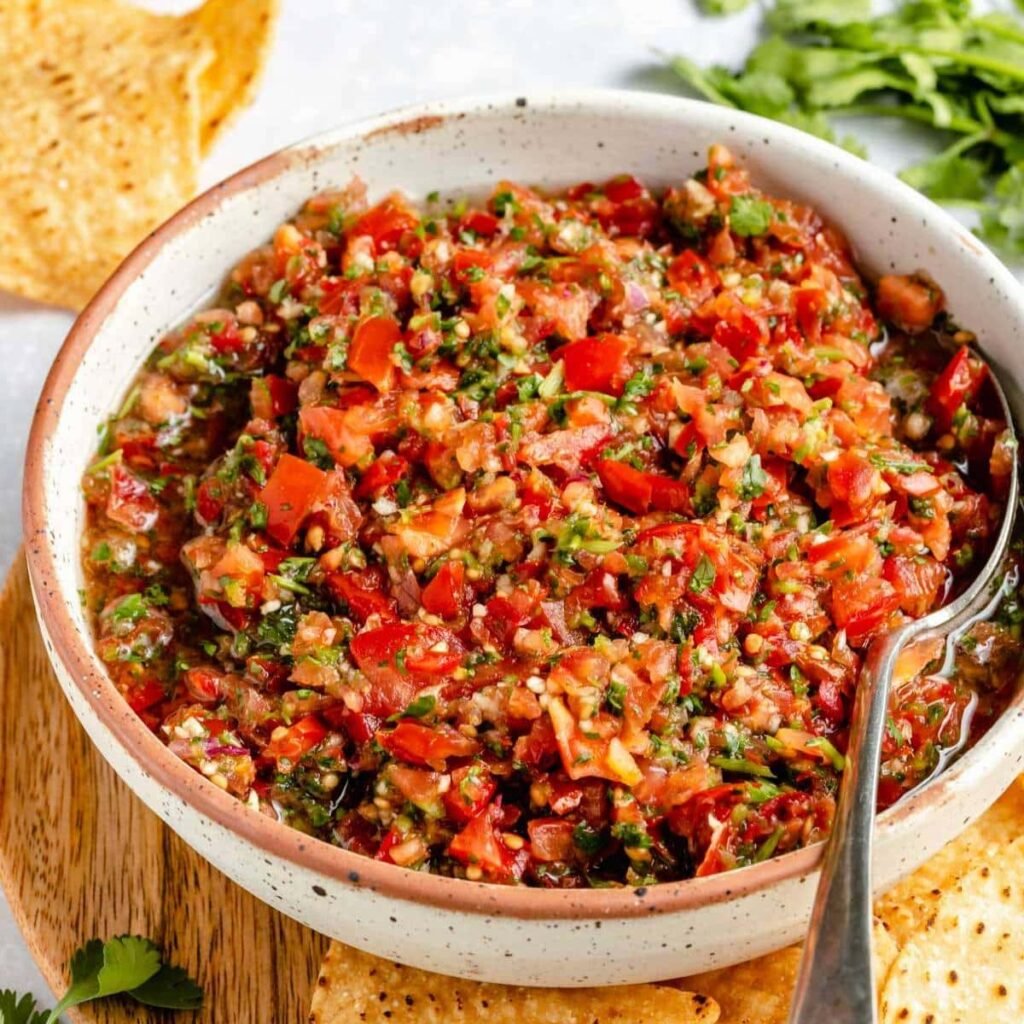
- Blending or Mixing: Salsa can be made chunky, smooth, or semi-blended depending on preference.
- Balancing Flavors: Adjust acidity, salt, spice, and sweetness for a harmonious taste.
- Serving: Fresh salsa can be served immediately or chilled to allow flavors to meld.
Proper preparation preserves nutrients and enhances natural flavors.
Basic Fresh Garden Salsa Recipe
Ingredients:
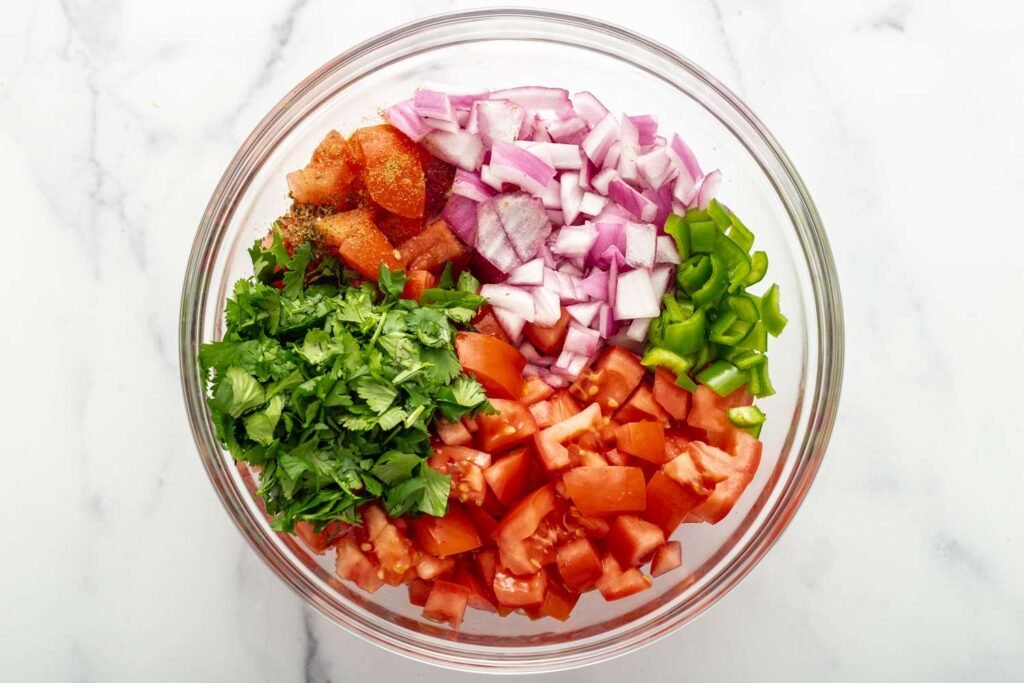
- 4 ripe tomatoes, chopped
- 1 small red onion, finely diced
- 1 bell pepper, diced
- 1 jalapeño or mild chili, seeded and chopped
- 2 garlic cloves, minced
- 1/4 cup fresh cilantro, chopped
- Juice of 1 lime
- Salt to taste
Preparation:
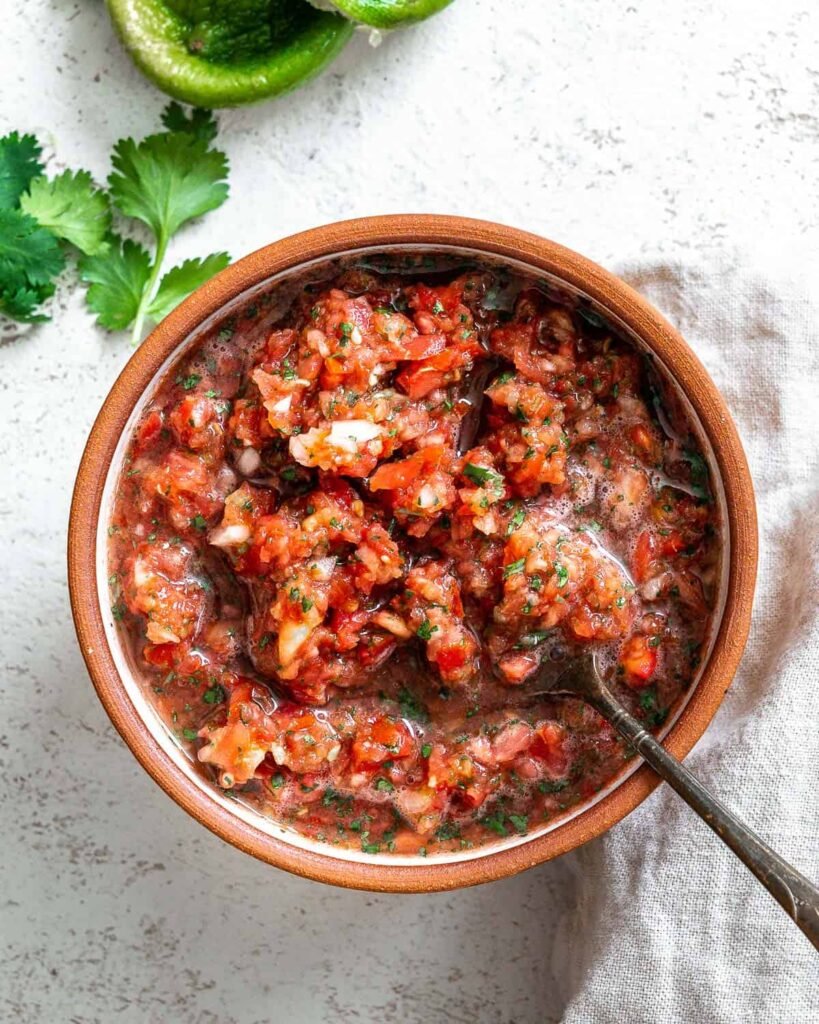
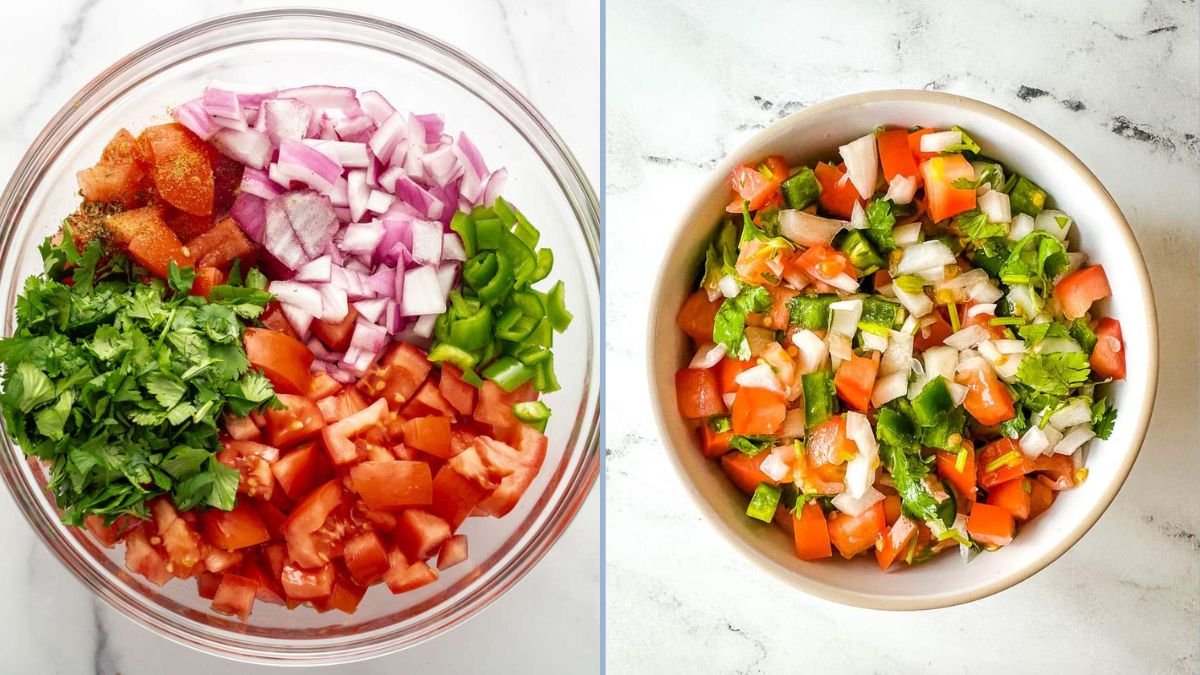
- Combine chopped tomatoes, onion, bell pepper, chili, and garlic in a bowl.
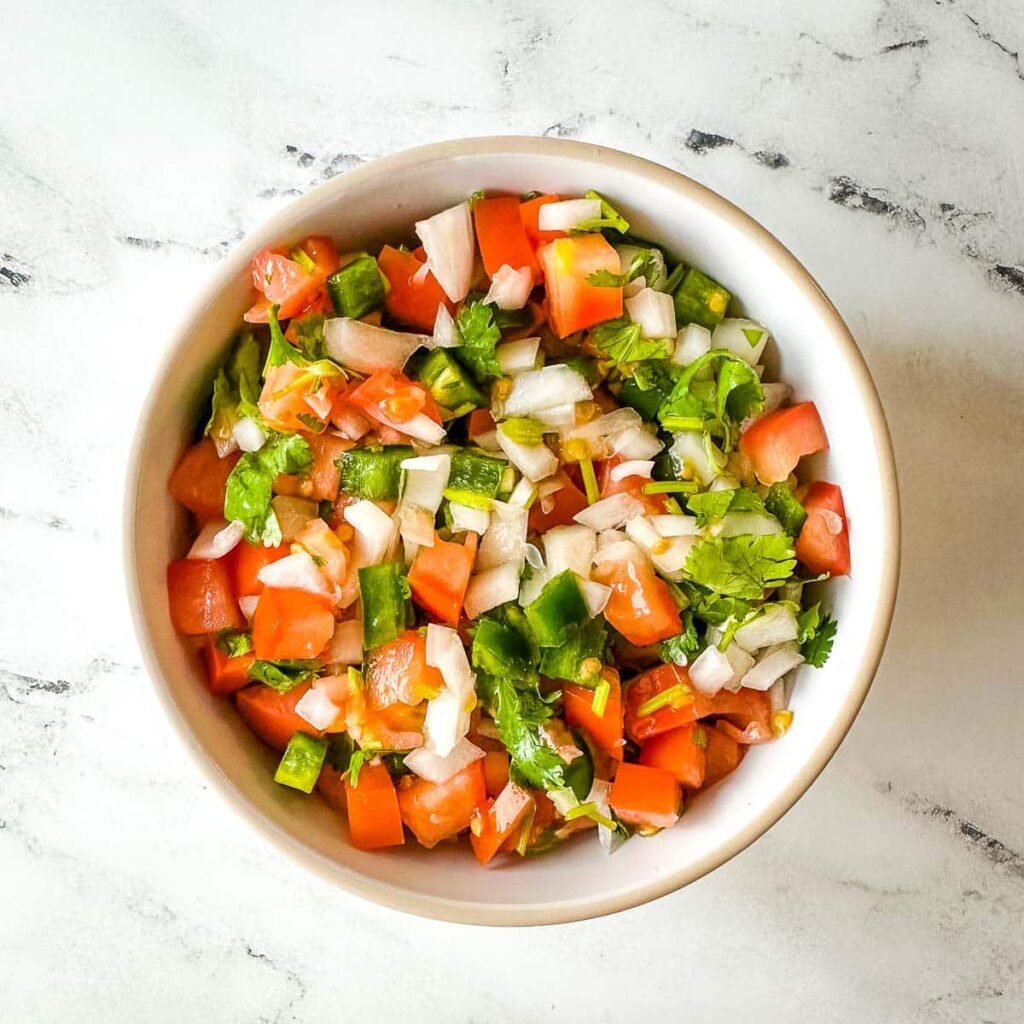
- Add lime juice, salt, and cilantro; mix gently.
- Adjust seasoning according to taste.
- Serve fresh as a dip, side, or topping for vegetarian dishes.
Serving Suggestions: Use as a topping for roasted vegetables, tacos, grain bowls, or as a dip with whole-grain chips.
Variations of Fresh Salsa
- Roasted Salsa: Roast tomatoes, peppers, and garlic before blending for deeper flavor.
- Corn and Tomato Salsa: Add cooked or grilled corn kernels for sweetness and texture.
- Cucumber and Tomato Salsa: Mix diced cucumber for refreshing, crunchy summer salsa.
- Fruit Salsa: Add diced mango, pineapple, or peaches for a sweet and tangy twist.
- Herb-Enhanced Salsa: Incorporate basil, mint, or oregano for nuanced flavors.
These variations allow creativity while keeping the recipe vegetarian and healthful.
Tips for Perfect Garden Salsa
- Use Ripe, Fresh Vegetables: Maximizes natural sweetness and flavor.
- Balance Acidity and Sweetness: Lime juice or a small pinch of sugar can balance overly acidic tomatoes.
- Control Spice: Adjust chili content according to preference.
- Keep Herbs Fresh: Add fresh herbs at the end to preserve aroma and color.
- Serve Chilled or Room Temperature: Chilling can enhance flavor melding, while room temperature preserves aromatic intensity.
Health and Culinary Benefits
- Rich in Nutrients: Vitamins, antioxidants, fiber, and hydration support overall health.
- Low-Calorie and Refreshing: Perfect for light meals or snacks.
- Versatile Use: Accompanies snacks, main dishes, salads, or grain bowls.
- Encourages Seasonal Eating: Promotes use of garden-fresh produce.
- Culinary Creativity: Offers flexibility in flavor, texture, and presentation.
Discussion
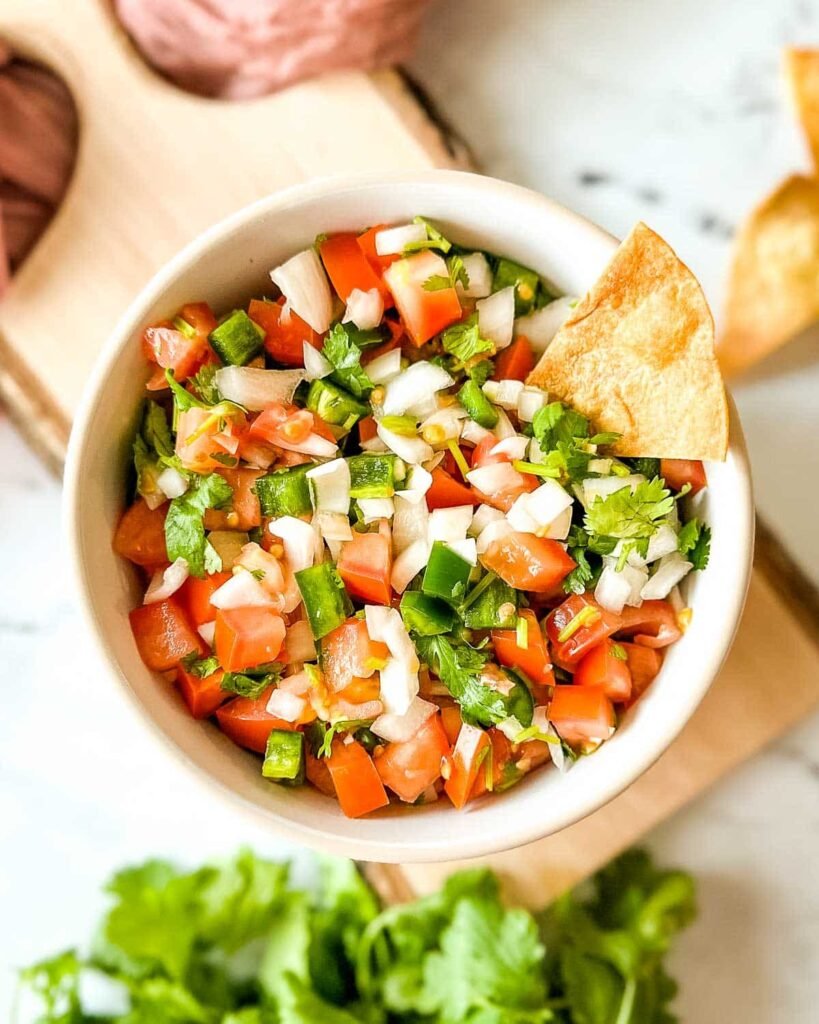
Fresh salsa exemplifies how simple, homegrown ingredients can create vibrant, flavorful vegetarian dishes. The combination of sweet tomatoes, crunchy peppers, aromatic herbs, and zesty lime produces a multi-dimensional flavor profile. Using garden-fresh produce enhances taste, preserves nutrients, and reduces the environmental impact of store-bought alternatives.
Salsa preparation encourages experimentation with textures, colors, and flavors, fostering culinary creativity. It also allows home cooks to control salt, acidity, and spice levels, resulting in a healthier, personalized condiment. Fresh salsa can be used immediately or stored briefly in the refrigerator, making it convenient for meal prep and everyday cooking.
Conclusion
Making fresh salsa from your garden is a simple, nutritious, and flavorful way to enhance vegetarian meals. From classic tomato-onion-cilantro blends to variations with roasted vegetables, corn, or fruits, fresh salsa offers endless possibilities for creative and healthy eating.
By focusing on fresh, seasonal ingredients, proper preparation, and balanced flavors, home cooks can produce salsa that is visually appealing, aromatic, and nutrient-rich. Fresh garden salsa demonstrates how a few simple ingredients can be transformed into a versatile, wholesome, and delicious addition to everyday meals, celebrating freshness, flavor, and creativity in vegetarian cuisine.