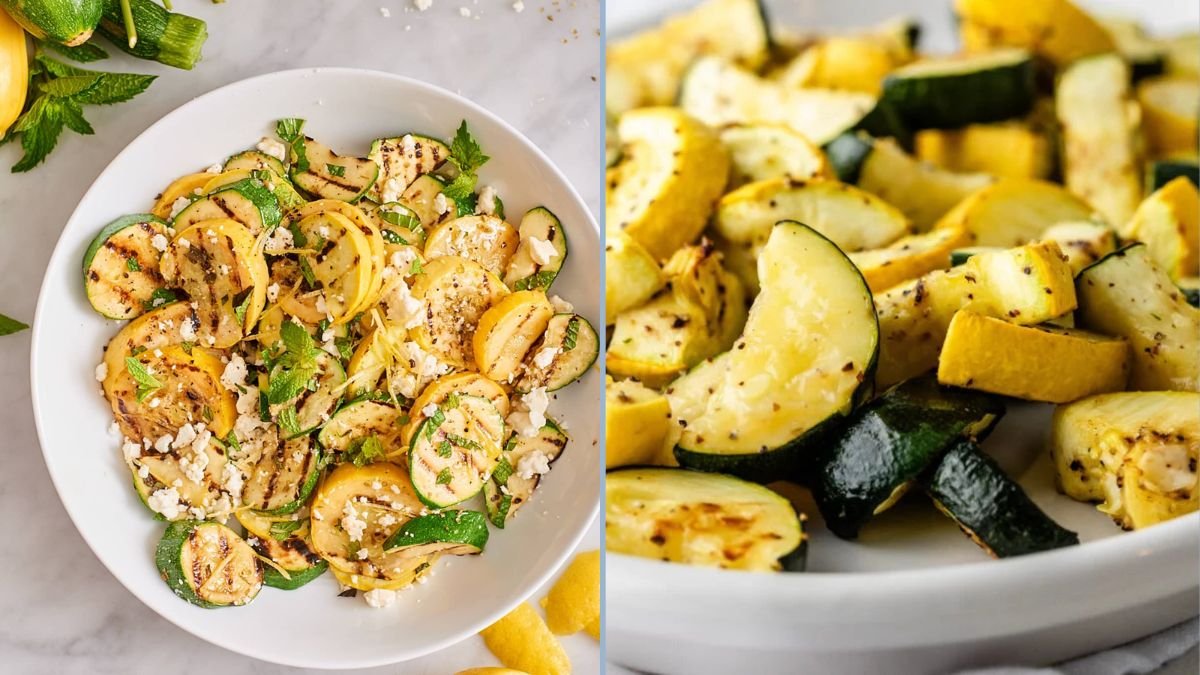
Summer squash, including zucchini, yellow squash, and pattypan varieties, is a versatile, nutrient-rich vegetable widely grown in home gardens. This paper explores methods for preparing summer squash using fresh, seasonal ingredients to create simple, flavorful, and healthful vegetarian dishes. Emphasis is placed on ingredient selection, preparation techniques, cooking methods, and nutritional benefits. Recipes presented highlight quick and easy approaches suitable for everyday meals, while maintaining freshness and natural flavor. The study demonstrates that summer squash from the kitchen garden can be transformed into a variety of appealing and wholesome dishes, encouraging plant-based eating and culinary creativity.
Introduction
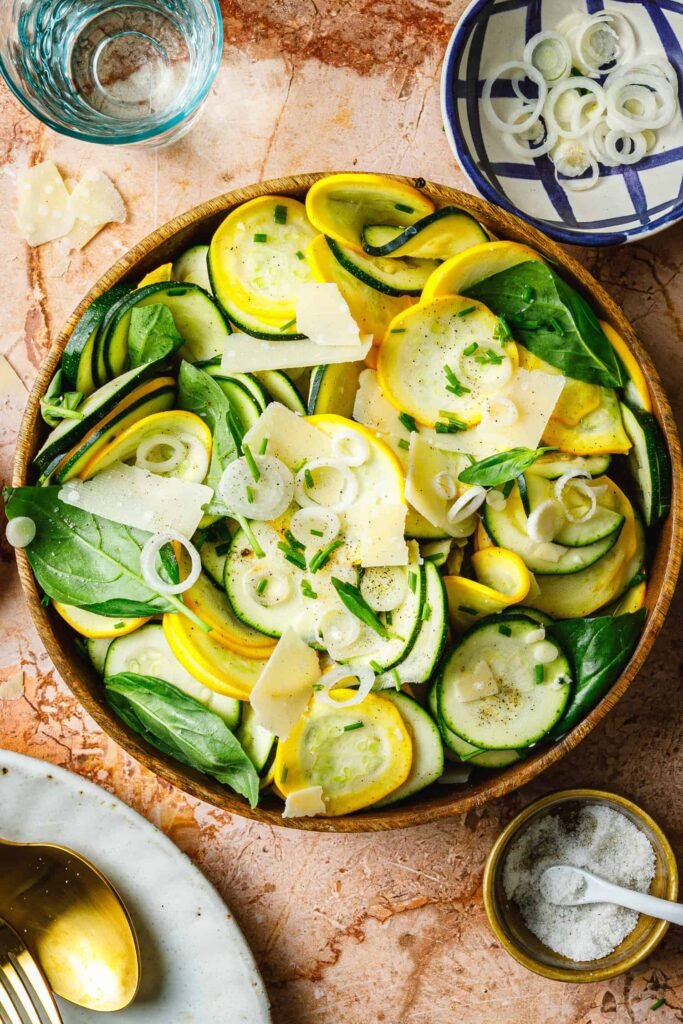
Summer squash is a tender, mild-flavored vegetable abundant during warm months, making it ideal for homegrown cooking. Its delicate taste, high water content, and versatility allow it to be incorporated into stir-fries, soups, sautés, salads, and baked dishes. Using fresh squash from a kitchen garden maximizes flavor, ensures peak nutritional content, and reduces reliance on store-bought produce.
Vegetarian cuisine benefits greatly from summer squash due to its low-calorie content, high fiber, and compatibility with herbs, spices, and other seasonal vegetables. This paper examines easy and creative methods for preparing summer squash dishes, focusing on preserving freshness, enhancing natural flavors, and maximizing nutritional value while maintaining simplicity for home cooks.
Nutritional Benefits of Summer Squash
Summer squash is an excellent addition to a balanced vegetarian diet, offering several health advantages:
- Vitamins and Minerals: Rich in vitamin C, vitamin A, potassium, and folate.
- Dietary Fiber: Supports digestion, regulates blood sugar, and promotes satiety.
- Low-Calorie and Hydrating: High water content keeps calorie density low while contributing to hydration.
- Antioxidants: Contains carotenoids, lutein, and zeaxanthin that support eye health and reduce oxidative stress.
- Versatility: Can be prepared raw, sautéed, grilled, or baked without compromising nutrient content.
Incorporating summer squash into meals enhances both flavor and nutritional quality with minimal cooking effort.
Selecting Fresh Summer Squash
Freshness and quality are essential for optimal taste and texture:
- Zucchini: Dark green, tender, and slightly sweet; perfect for sautés, soups, or baking.
- Yellow Squash: Mild flavor with a tender, firm texture suitable for roasting or stir-fries.
- Pattypan Squash: Small, rounded, or scalloped, ideal for stuffing or roasting.
- Aromatics and Herbs: Garlic, onions, basil, thyme, parsley, and mint enhance flavor.
- Optional Additions: Bell peppers, tomatoes, or carrots complement squash in mixed dishes.
Choosing small to medium-sized squash ensures tenderness and reduces bitterness.
Preparation Techniques
- Washing and Trimming: Rinse squash thoroughly and trim ends.
- Slicing or Dicing: Cut into uniform pieces for even cooking; thin slices for sautés, cubes for roasting.
- Minimal Seasoning: Olive oil, salt, pepper, and fresh herbs enhance natural flavor without overpowering.
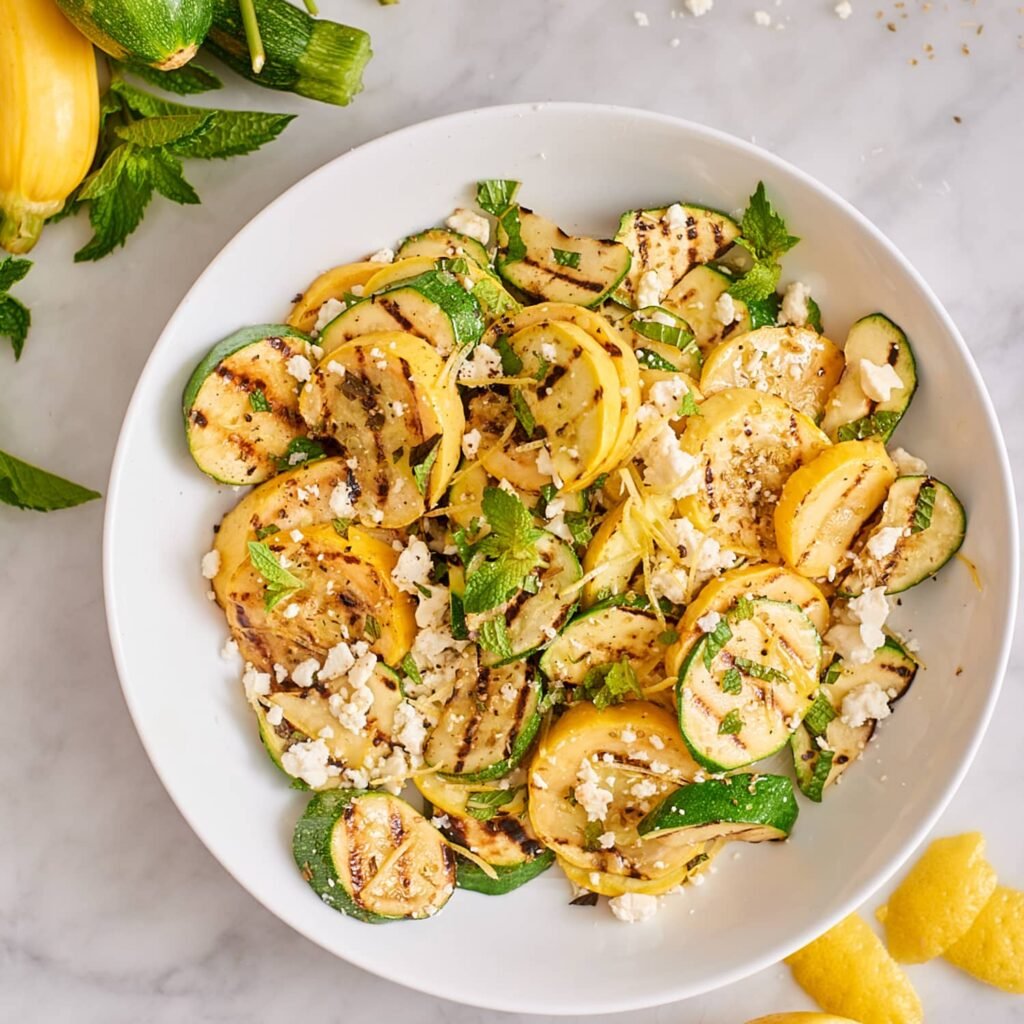
- Cooking Methods: Sauté, grill, roast, steam, or bake depending on desired texture and flavor.
- Finishing Touches: Garnish with fresh herbs, citrus zest, or a drizzle of olive oil for visual and aromatic appeal.
Proper preparation preserves nutrients, flavor, and texture while enabling simple cooking techniques.
1. Sautéed Zucchini with Garlic and Herbs
Ingredients: Zucchini, olive oil, garlic, fresh basil, salt, and black pepper.
Preparation: Slice zucchini thinly, sauté in olive oil with minced garlic for 3–5 minutes, season with salt, pepper, and fresh basil.
Flavor Profile: Mild, slightly sweet, and aromatic with subtle herbaceous notes.
Nutritional Value: Rich in vitamin C, fiber, and antioxidants.
Creative Twist: Add cherry tomatoes or bell peppers for color and flavor variation.
2. Roasted Summer Squash Medley
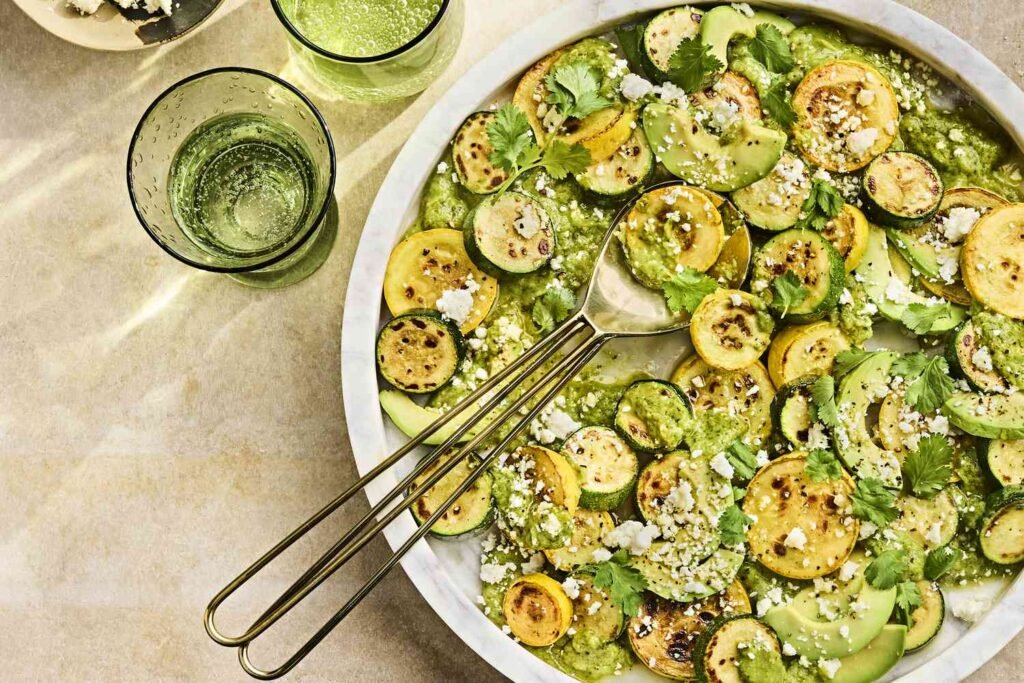
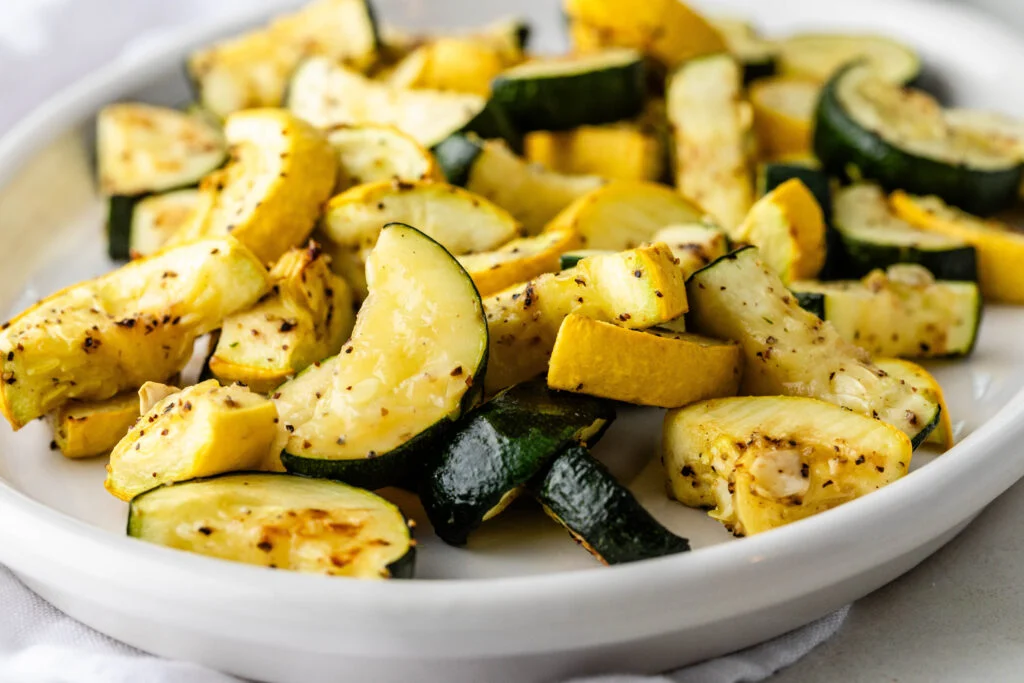
Ingredients: Zucchini, yellow squash, pattypan squash, olive oil, salt, pepper, thyme.
Preparation: Cut squash into cubes or wedges, toss with olive oil, salt, pepper, and thyme. Roast at 200°C for 25–30 minutes until golden and tender.
Flavor Profile: Sweet, caramelized, and herbaceous with a crisp exterior and tender interior.
Nutritional Value: Vitamins A and C, dietary fiber, and antioxidants.
Creative Twist: Sprinkle with toasted pine nuts or drizzle with balsamic glaze before serving.
3. Summer Squash Stir-Fry
Ingredients: Zucchini, yellow squash, onions, bell peppers, olive oil, garlic, ginger, soy sauce or tamari.
Preparation: Sauté onions, garlic, and ginger until fragrant, add chopped squash and bell peppers, stir-fry for 5–7 minutes, finish with a splash of soy sauce.
Flavor Profile: Savory, slightly sweet, and aromatic with a crisp-tender texture.
Nutritional Value: Fiber, antioxidants, and vitamins A and C.
Creative Twist: Add tofu cubes or roasted chickpeas for additional protein.
4. Stuffed Pattypan Squash
Ingredients: Pattypan squash, quinoa or couscous, bell peppers, onions, tomatoes, herbs.
Preparation: Hollow out pattypan squash, cook quinoa or couscous with diced vegetables, season with herbs, and stuff into squash cups. Bake at 180°C for 20 minutes.
Flavor Profile: Savory, aromatic, and visually appealing.
Nutritional Value: Fiber, protein from grains, vitamins, and antioxidants.
Creative Twist: Garnish with fresh parsley or a sprinkle of toasted seeds.
5. Summer Squash Soup
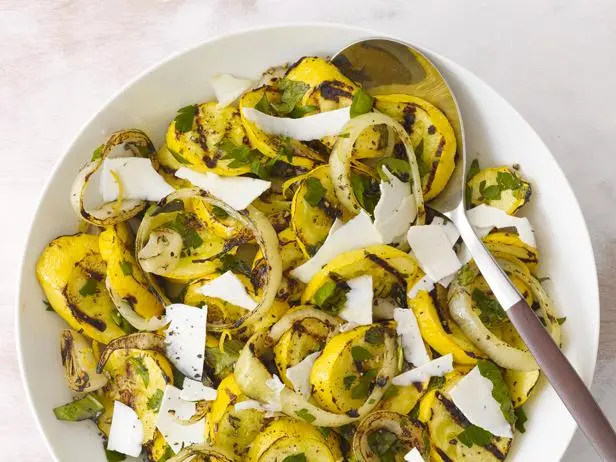
Ingredients: Zucchini, yellow squash, onion, garlic, vegetable broth, fresh thyme, salt, and pepper.
Preparation: Sauté onions and garlic, add chopped squash and broth, simmer for 15–20 minutes, blend until smooth, season, and garnish with fresh herbs.
Flavor Profile: Creamy, mild, and herbaceous.
Nutritional Value: Low-calorie, hydrating, rich in vitamin C, fiber, and antioxidants.
Creative Twist: Add a dash of lemon juice or coconut milk for extra richness.
Tips for Cooking Summer Squash
- Avoid Overcooking: Preserves texture, color, and nutrients.
- Uniform Slices: Ensures even cooking and consistent flavor.
- Minimal Oil: Lightly sautéing or roasting preserves natural taste while keeping calories low.
- Herbs and Spices: Basil, thyme, parsley, rosemary, garlic, and paprika enhance flavor naturally.
- Combine Varieties: Mixing zucchini, yellow squash, and pattypan adds visual appeal and flavor complexity.
Health and Culinary Benefits
- Nutrient-Dense: Vitamins, minerals, fiber, and antioxidants support overall health.
- Low-Calorie and Hydrating: Ideal for light meals or healthy sides.
- Versatile Cooking Options: Sauté, roast, bake, steam, or stir-fry.
- Encourages Seasonal Eating: Promotes use of fresh, homegrown squash.
- Culinary Creativity: Adaptable for soups, salads, stir-fries, roasted dishes, and stuffed preparations.
Discussion
Summer squash from the kitchen garden demonstrates how simple, fresh ingredients can create diverse, flavorful vegetarian meals. Its mild flavor and versatility allow it to be incorporated into a wide range of dishes, from quick stir-fries to elegant baked or stuffed preparations. Minimal effort is required when using fresh herbs and light seasoning, yet the results are visually appealing and nutrient-dense.
Homegrown squash encourages seasonal eating and culinary creativity while providing optimal freshness. Using a combination of cooking techniques such as roasting, sautéing, and blending ensures maximum flavor retention and nutrient preservation. Summer squash dishes are suitable for daily meals, entertaining, and meal prep, offering balanced nutrition, simplicity, and delicious taste.
Conclusion
Summer squash recipes from the kitchen garden provide simple, nutritious, and versatile options for vegetarian cuisine. From sautéed zucchini to roasted medleys, stir-fries, stuffed pattypan squash, and creamy soups, homegrown squash can be transformed into flavorful, healthful dishes with minimal effort.
Focusing on fresh, seasonal ingredients, simple preparation techniques, and natural flavor enhancements allows home cooks to create visually appealing, aromatic, and nutrient-rich meals. Summer squash exemplifies how plant-based ingredients can be elevated into easy, wholesome, and satisfying dishes that celebrate freshness, creativity, and nutrition.