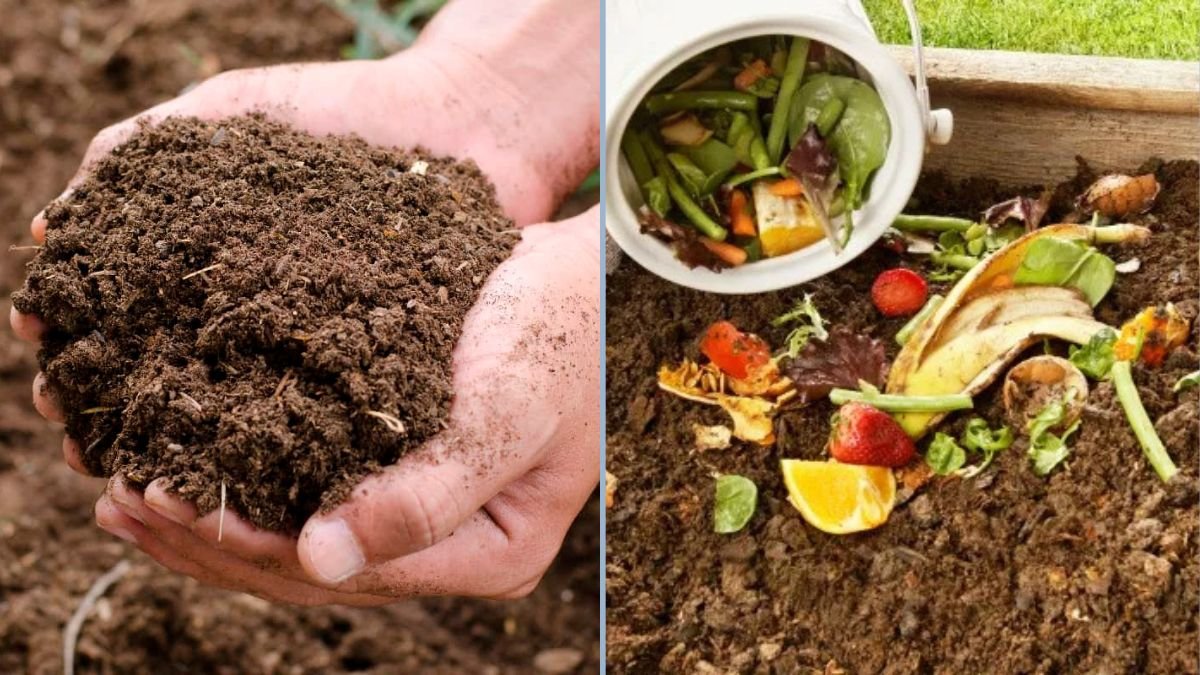
In today’s environmentally conscious world, the importance of sustainable waste management cannot be overstated. With increasing food waste and declining soil fertility, composting has emerged as one of the most effective and eco-friendly methods to recycle organic materials into nutrient-rich soil.
Composting kitchen scraps is a simple yet powerful way to reduce household waste, minimize landfill contributions, and enrich the soil naturally without relying on chemical fertilizers. It closes the loop between what we consume and what we return to nature, transforming everyday waste into valuable organic matter.
This article explores, in depth, how to compost kitchen scraps efficiently at home to create fertile soil, highlighting the science, methods, and benefits of this sustainable practice — all while maintaining a completely vegetarian and eco-friendly approach.
Understanding Composting
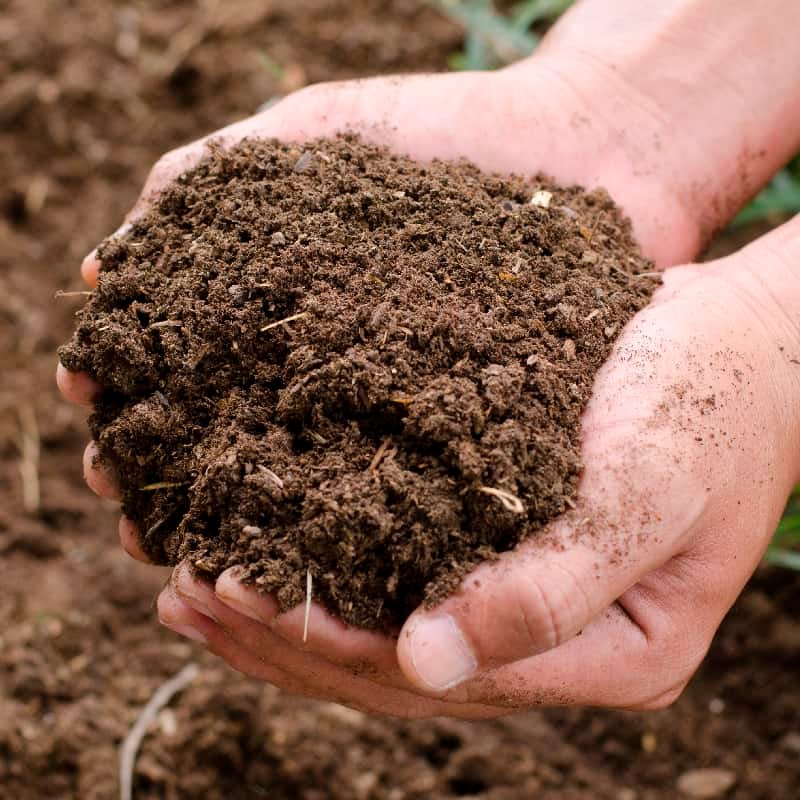
Composting is the natural process of decomposition, where organic materials such as fruit peels, vegetable trimmings, and garden waste break down into humus — a dark, crumbly, and nutrient-rich material that nourishes plants.
This transformation is driven by microorganisms like bacteria, fungi, and earthworms that thrive in moist, oxygen-rich conditions. These organisms digest organic matter, releasing essential nutrients such as nitrogen, phosphorus, and potassium back into the soil.
In simple terms, composting mimics nature’s recycling system — turning what we discard into a powerful resource for plant growth.
Why Compost Kitchen Scraps?
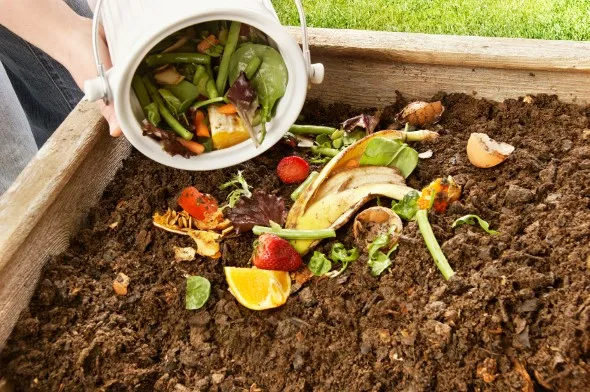
Every household produces kitchen waste daily, much of which ends up in landfills, where it generates methane — a potent greenhouse gas. Composting offers an eco-friendly alternative.
Benefits of Composting Kitchen Scraps:
- Reduces Waste:
Diverts up to 40% of household waste from landfills. - Improves Soil Fertility:
Adds organic matter, enhances structure, and increases water retention. - Chemical-Free Fertilizer:
Replaces synthetic fertilizers with natural nutrients. - Supports Microbial Life:
Promotes healthy soil ecosystems crucial for plant growth. - Saves Money:
Reduces spending on commercial fertilizers and soil conditioners. - Promotes Sustainability:
Encourages responsible waste management and environmental stewardship.
By composting kitchen scraps, households can transform waste into wealth — nurturing both the earth and future food production.
Step 1: Collecting Kitchen Scraps
The first step in composting is segregating organic waste from non-compostable materials.
What You Can Compost:
- Fruit peels (banana, apple, mango, orange, etc.)
- Vegetable scraps (onion skins, carrot tops, potato peels)
- Used tea leaves and coffee grounds
- Crushed eggshells (optional for vegetarian compost)
- Spoiled fruits and leftover cooked vegetarian food (small quantities)
- Dried flowers and plant trimmings
What You Should Avoid:
- Meat, fish, or dairy products (they attract pests and cause odor)
- Oily or greasy food waste
- Plastic, glass, or metal
- Citrus in excess (can make compost too acidic)
- Diseased plants or treated wood chips
Store your kitchen scraps in a small bin or container with a lid. Keep it near your kitchen for convenience, and empty it daily into your compost bin to prevent odor buildup.
Step 2: Choosing the Right Composting Method
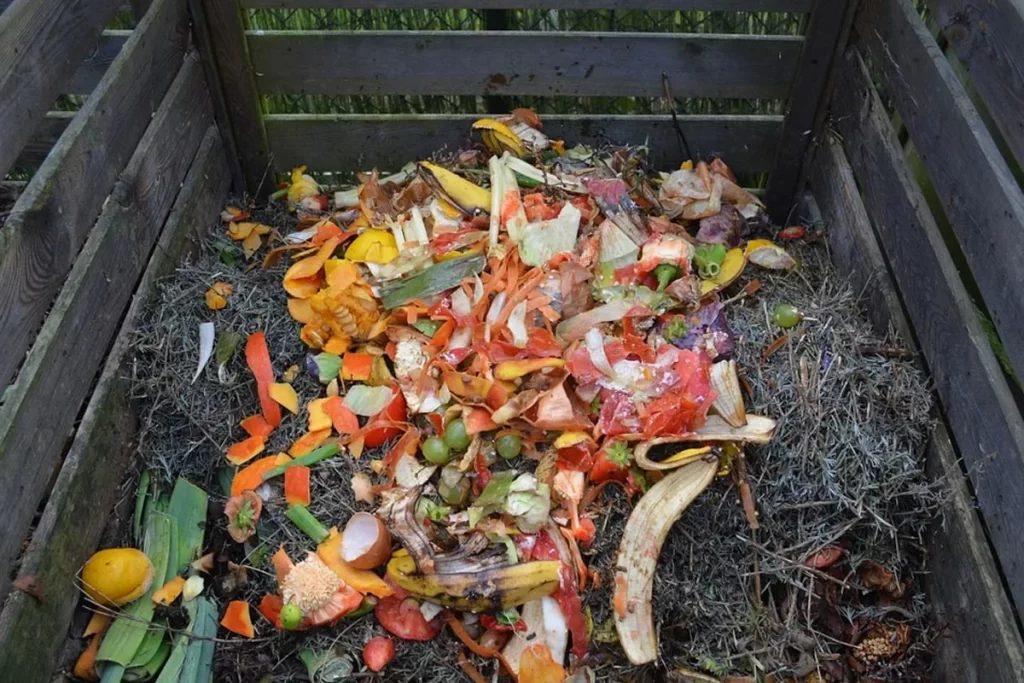
Depending on your space, climate, and lifestyle, you can choose among several composting techniques.
1. Traditional Outdoor Composting
Best suited for homes with backyards or gardens.
- Use a compost pit or bin approximately 3×3 feet in size.
- Layer green (wet) and brown (dry) materials alternately.
- Turn the pile every 2–3 weeks to aerate.
2. Compost Bin Method
Ideal for urban homes and balconies.
- Use a plastic or metal bin with small ventilation holes.
- Place it in a partially shaded area.
- Mix kitchen waste with dry materials like newspaper or sawdust.
3. Bokashi Composting (Fermentation Method)
- Uses Bokashi bran (microbe-infused mixture) to ferment kitchen scraps.
- Suitable for indoor composting with minimal odor.
- Produces a liquid fertilizer for plants and a base for soil compost.
4. Vermicomposting (Using Earthworms)
An excellent method for fast, rich compost creation.
- Use red wigglers or Indian blue worms.
- Maintain moderate moisture and temperature.
- Avoid spicy, citrus, or oily food waste.
Each method has its advantages, but all yield nutrient-dense compost when done correctly. For most urban households, a sealed compost bin or vermicompost setup works best.
Step 3: Understanding the Composting Ingredients
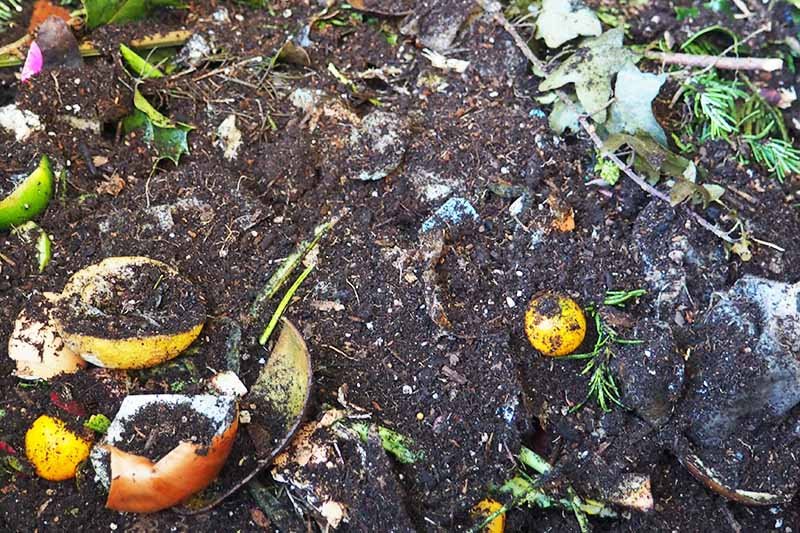
Successful composting requires a balance of green and brown materials:
- Green materials (Nitrogen-rich):
Kitchen scraps, fruit peels, vegetable waste, tea leaves, fresh grass clippings. - Brown materials (Carbon-rich):
Dry leaves, shredded paper, cardboard, cocopeat, sawdust.
The Ideal Ratio:
Maintain roughly 2 parts brown to 1 part green material. This ensures proper aeration, odor control, and balanced nutrient breakdown.
Too much green matter can make compost wet and smelly, while excess browns slow decomposition. Maintaining this balance is key to creating fertile compost efficiently.
Step 4: Building and Managing Your Compost Pile
Follow these steps for effective composting at home:
- Base Layer:
Start with dry materials like twigs or shredded newspaper for aeration. - Alternate Layers:
Add kitchen scraps (greens) and cover with dry browns. Repeat the process as waste accumulates. - Moisture Check:
The pile should be as damp as a squeezed sponge. Add water or dry leaves as needed. - Aeration:
Stir or turn the pile every 2–3 weeks to provide oxygen. - Temperature:
Healthy compost heats up due to microbial activity (50–65°C). A warm pile indicates active decomposition. - Time:
Composting usually takes 8–12 weeks, depending on conditions.
When ready, the compost will look dark brown, crumbly, and earthy-smelling — the perfect sign of nutrient-rich humus.
Step 5: Troubleshooting Common Composting Issues
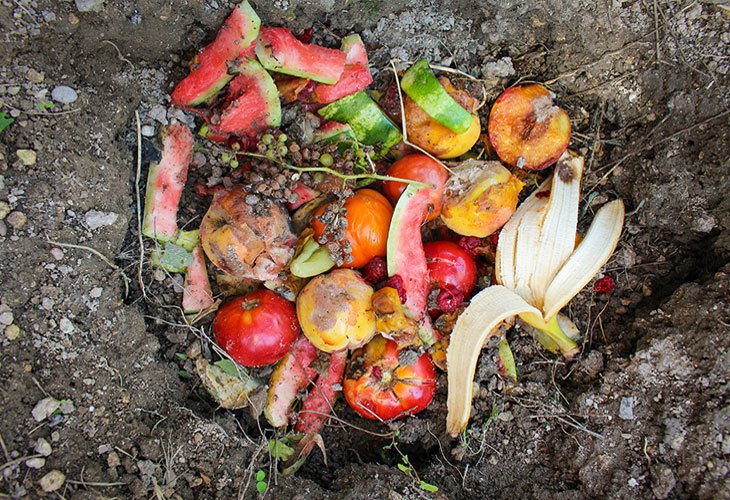
Even the best compost piles can face minor challenges. Here’s how to fix them naturally:
| Problem | Possible Cause | Solution |
|---|---|---|
| Foul odor | Too much wet material or poor aeration | Add dry leaves, paper, or sawdust; stir pile |
| Compost too dry | Lack of moisture | Sprinkle water lightly |
| Slow decomposition | Imbalance in green/brown ratio | Add more greens for nitrogen boost |
| Pests or flies | Exposed food waste | Cover new waste with browns |
| Mold growth | Natural process | Turn pile; ensure proper air flow |
Maintaining the right balance of air, moisture, and nutrients ensures smooth, odor-free composting.
Step 6: Harvesting and Using Compost
Once decomposition is complete, the finished compost can be used directly or mixed with soil to create a nutrient-rich growing medium.
How to Use Compost:
- As Potting Mix:
Blend 1 part compost with 2 parts soil for container gardening. - As Mulch:
Spread a thin layer around plants to retain moisture and suppress weeds. - For Lawns and Beds:
Mix into the topsoil to improve aeration and water absorption. - As Liquid Fertilizer (Compost Tea):
Soak compost in water for 2–3 days, strain, and use the liquid to nourish plants naturally.
The benefits are immediate — healthier plants, better yields, and improved soil structure.
Environmental and Health Benefits of Composting
- Reduces Greenhouse Gas Emissions:
Composting diverts organic waste from landfills, reducing methane emissions. - Restores Soil Health:
Adds beneficial microbes and organic matter to depleted soils. - Improves Water Retention:
Helps sandy soils hold moisture and clay soils drain better. - Encourages Organic Farming:
Replaces chemical fertilizers that harm beneficial insects and soil fauna. - Supports Circular Living:
Closes the loop between food consumption and soil nourishment.
Through composting, individuals contribute directly to environmental sustainability — reducing waste while cultivating fertile, chemical-free soil for future growth.
Creative Ideas for Small-Space Composting
Even in apartments, composting is entirely possible. Here are simple ways to integrate it into urban life:
- Use a two-bin system — one for collecting scraps, one for composting.
- Try DIY composters made from old buckets, terracotta pots, or plastic tubs.
- Install a balcony compost bin with a tight lid to prevent pests.
- Reuse compostable kitchen waste water (like vegetable rinse) for watering plants.
Small habits make a big difference. Even one family composting regularly can prevent hundreds of kilograms of waste from reaching landfills annually.
Conclusion
Composting kitchen scraps is more than just a gardening technique — it’s a lifestyle choice that promotes sustainability, self-reliance, and respect for nature. By turning everyday waste into fertile soil, we not only nourish our plants but also help restore balance to the environment.
This simple act transforms kitchen waste into black gold — rich compost that feeds gardens, strengthens soil, and reduces pollution. It connects us to the natural cycle of life, reminding us that nothing in nature truly goes to waste.
In a world facing environmental challenges, composting offers a hopeful solution rooted in mindfulness and responsibility. Whether done in a backyard pit, a balcony bin, or a small pot on a windowsill, every handful of compost represents a step toward a greener, cleaner, and more sustainable future — one kitchen scrap at a time.