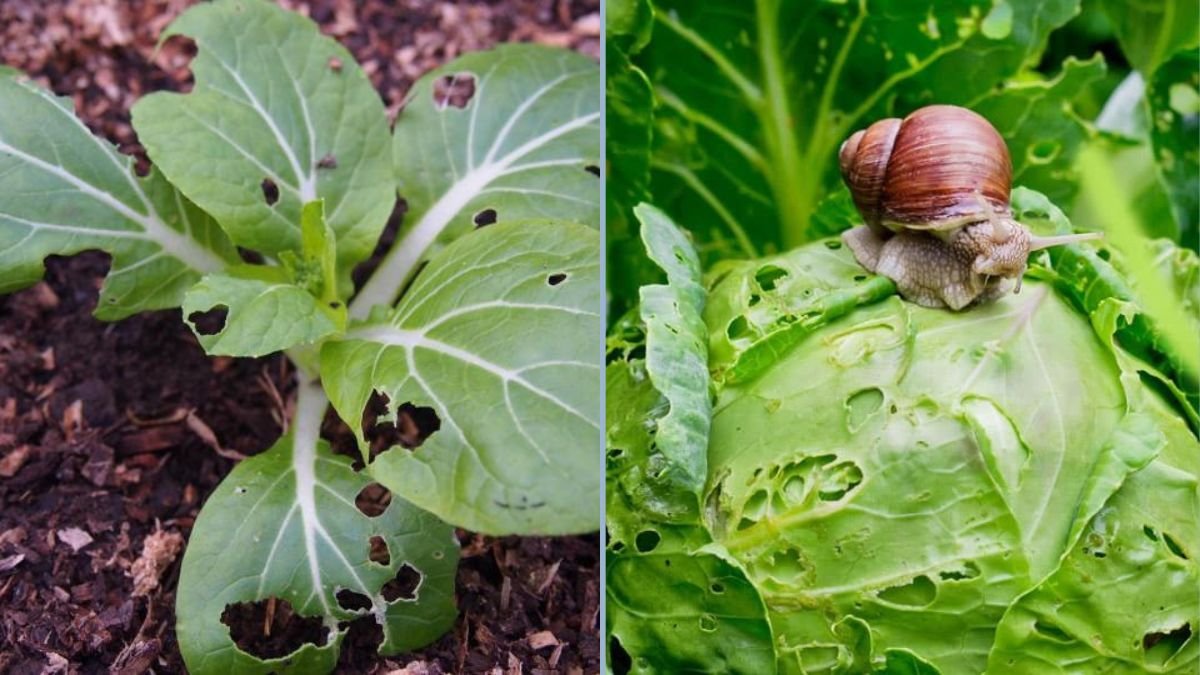
Leafy greens, such as lettuce, spinach, kale, and chard, are staples in home gardens and provide fresh, nutritious, and flavorful additions to daily meals. However, these tender, water-rich plants are particularly vulnerable to slugs—a common pest that can quickly devastate crops. While chemical molluscicides exist, many gardeners prefer sustainable, non-toxic approaches to protect their leafy greens. This article explores the biology of slugs, signs of infestation, and a comprehensive range of natural strategies to prevent and control slug damage, ensuring a healthy and productive garden.
Understanding Slugs
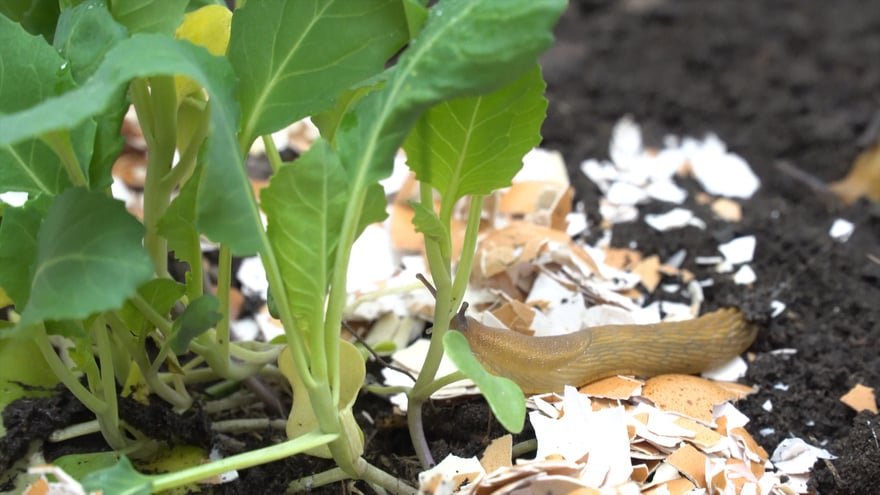
Slugs are soft-bodied, slow-moving mollusks that thrive in damp, shaded environments. They feed primarily at night or during cloudy, wet conditions, consuming leaves, stems, and sometimes young seedlings. Their feeding can result in:
- Irregular holes in leaves
- Skeletonized foliage
- Seedling destruction
- Reduced plant vigor and yield
Slugs reproduce rapidly in favorable conditions, making early detection and prevention essential for managing infestations naturally.
Why Leafy Greens Are Targeted
Leafy greens are especially attractive to slugs for several reasons:
- High Moisture Content: Slugs require moisture to survive, and leafy greens provide an ideal water source.
- Tender Texture: Soft leaves are easy for slugs to chew.
- Shaded Microclimates: Dense leafy growth provides shelter and humidity, creating an optimal environment for slugs.
Understanding these preferences helps gardeners implement effective prevention strategies.
Signs of Slug Infestation
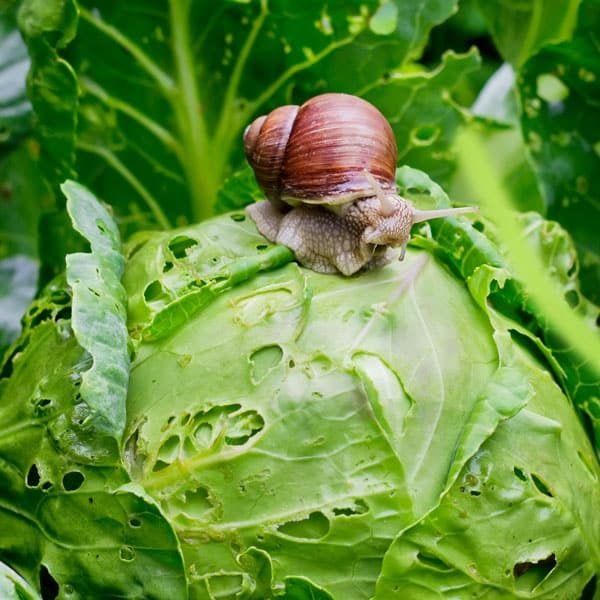
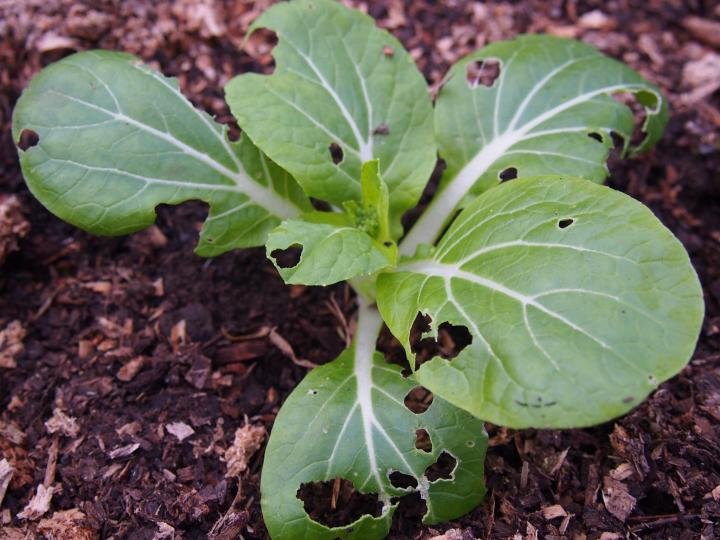
Identifying slug activity early can prevent severe damage:
- Irregular Holes and Ragged Edges
- Leaves display uneven, jagged holes, often along the margins.
- Silvery Mucus Trails
- Slugs leave glistening trails on leaves, soil, or garden pathways.
- Missing Seedlings or Leaves
- Young plants may be completely eaten overnight, leaving only stems.
- Damage in Damp, Shaded Areas
- Slug activity is concentrated in moist microclimates near mulch, dense foliage, or shaded beds.
Early detection enables gardeners to respond before crops suffer significant losses.
Preventive Strategies for Slugs
Natural prevention is the most effective long-term solution. Key strategies include:
1. Environmental Management
Slugs thrive in moist, sheltered areas. Modifying the environment reduces their habitat:
- Improve Air Circulation: Prune dense foliage to allow sunlight and airflow.
- Reduce Moisture Accumulation: Avoid overwatering and water early in the day.
- Remove Shelter: Clear fallen leaves, debris, and weeds that provide hiding spots.
Creating less hospitable conditions discourages slug populations naturally.
2. Physical Barriers
Barriers prevent slugs from reaching leafy greens without harming them:
- Copper Tape or Strips: Slugs avoid crossing copper due to a reaction with their slime. Place around raised beds or pots.
- Crushed Eggshells or Sand: Coarse materials deter slugs by creating uncomfortable surfaces.
- Raised Beds: Elevating crops reduces access points for slugs and improves drainage.
- Individual Leaf Covers: Lightweight cloches or biodegradable paper shields protect seedlings during peak slug activity.
3. Hand-Picking and Trapping
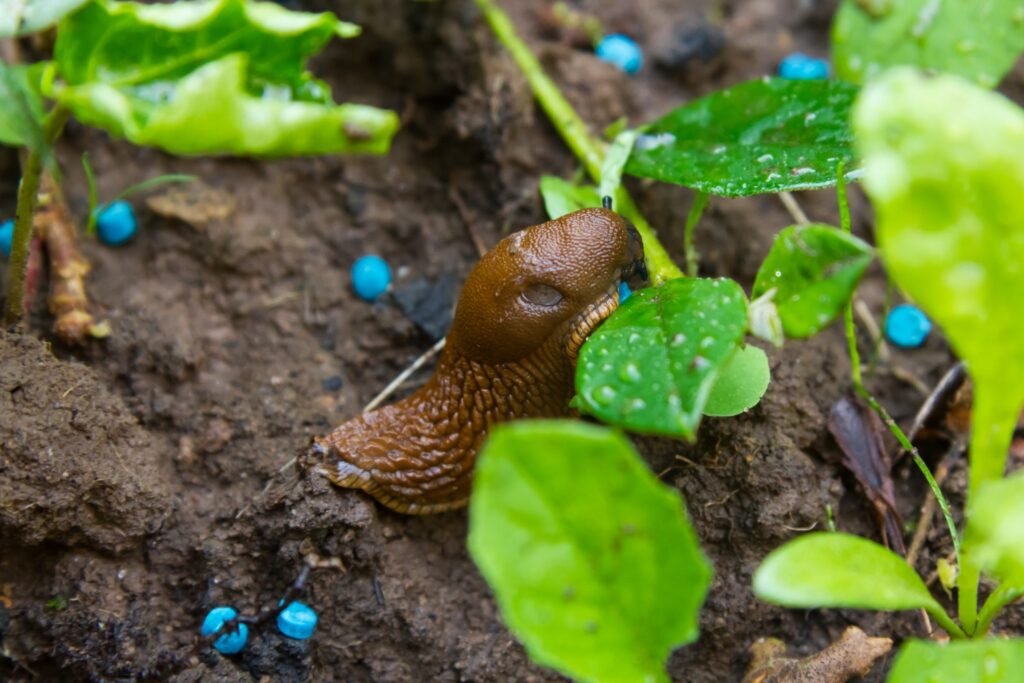
Manual removal is effective, especially in small gardens:
- Hand-Picking: Search for slugs at dusk or early morning and remove them. Relocate away from the garden.
- Beer Traps: Shallow containers filled with a sweet liquid like beer attract slugs, which fall in and are prevented from climbing out.
- Water Traps: Shallow trays with water and organic attractants can trap slugs overnight.
4. Companion Planting
Certain plants repel slugs naturally or divert their attention:
- Strong-Scented Herbs: Rosemary, thyme, and sage planted near leafy greens deter slugs.
- Sacrificial Crops: Fast-growing plants like nasturtium attract slugs away from main crops.
- Dense Ground Covers: Mulches with rough textures, like wood chips, discourage slug movement.
Companion planting enhances biodiversity and naturally reduces pest pressure.
5. Organic Deterrents and Sprays
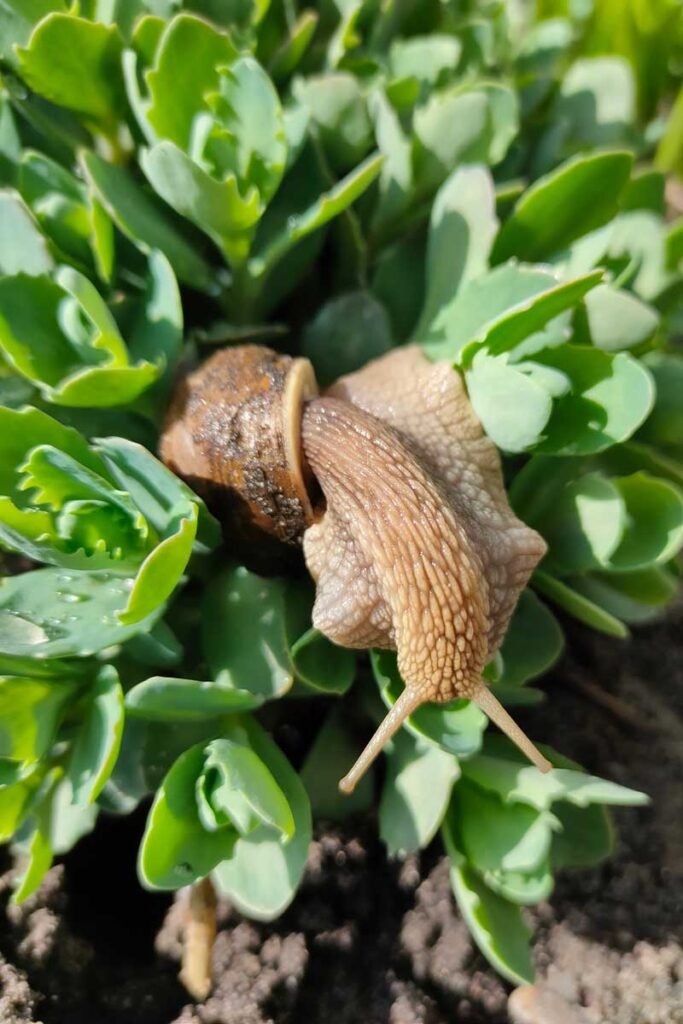
Plant-based sprays can discourage slugs without harming crops or soil:
- Garlic or Onion Sprays: Strong odors repel slugs when sprayed around plants or soil edges.
- Neem Oil: While primarily an insect deterrent, neem oil can reduce slug feeding when applied lightly.
- Coffee Grounds: Sprinkling spent coffee grounds around seedlings acts as a physical and chemical deterrent.
Using organic deterrents supports chemical-free gardening and minimizes environmental impact.
Maintaining Healthy Plants to Resist Slugs
Healthy, robust plants are naturally more resistant to pests:
- Proper Nutrition: Fertilize with compost or plant-based fertilizers to strengthen plant tissue.
- Mulching Carefully: Use coarse, dry mulch to retain moisture without creating slug-friendly habitats.
- Regular Monitoring: Check seedlings daily, especially after rain or in damp conditions.
Strong plants recover faster from minor damage and reduce overall pest susceptibility.
Timing and Seasonal Considerations
Slugs are most active during wet, cool periods:
- Peak Activity: Early spring, after rainfall, or during humid nights.
- Preventive Measures: Apply barriers and deterrents before seedlings emerge.
- Harvest Timing: Pick mature leaves promptly to reduce prolonged exposure to slugs.
Adjusting garden care to seasonal patterns improves pest control efficiency.
Benefits of Natural Slug Prevention
- Chemical-Free Produce: Ensures safe, organic leafy greens.
- Environmental Sustainability: Protects soil, water, and wildlife from chemical exposure.
- Cost-Effective: Uses household items, plant companions, and natural materials.
- Pollinator Safety: Supports beneficial insects and biodiversity.
- Long-Term Soil Health: Avoids disrupting soil microfauna essential for plant growth.
Integrating Multiple Strategies
For maximum effectiveness, combine methods:
- Use copper or eggshell barriers while applying garlic sprays around seedlings.
- Hand-pick slugs during peak activity and complement with sacrificial crops.
- Adjust watering schedules and prune dense foliage to reduce shelter opportunities.
A multi-layered approach creates a dynamic defense system, preventing slug populations from establishing and spreading.
Conclusion
Slugs pose a significant threat to leafy greens, but natural prevention and control methods make it possible to protect crops without chemicals. By understanding slug behavior, recognizing early signs of infestation, and applying environmental, physical, and organic deterrents, gardeners can maintain healthy, productive plants. Companion planting, hand-picking, organic sprays, and careful garden management create a holistic strategy that safeguards crops while supporting biodiversity and sustainability.
With proactive care, observation, and plant-based interventions, gardeners can enjoy abundant harvests of tender, nutritious leafy greens year-round, free from slug damage and chemical treatments. Natural slug prevention not only protects the produce but also promotes a balanced garden ecosystem and environmentally responsible gardening practices.