Winter frost can be a major challenge for gardeners, particularly those growing vegetables, fruits, and ornamental plants in regions with cold winters. Frost occurs when temperatures drop below the freezing point of water, causing ice crystals to form on plant tissues. These ice crystals can damage leaves, stems, flowers, and even roots, leading to reduced plant growth, lower yields, or total crop loss. Protecting a garden from frost requires understanding its causes, knowing which plants are most vulnerable, and implementing preventive strategies. This article provides a comprehensive guide to frost protection in gardens using organic and environmentally friendly methods.
Understanding Frost and Its Impact on Plants
Frost typically forms under clear, calm nights when the heat from the ground radiates into the atmosphere. There are two primary types of frost:
- Hoarfrost: Forms when moisture in the air condenses and freezes on cold surfaces.
- Black Frost: Occurs when temperatures fall below freezing, causing plant cells to freeze internally without visible ice crystals.
Frost affects plants in several ways:
- Cellular Damage: Ice formation punctures cell walls, causing tissue death.
- Leaf and Flower Damage: Leaves may become blackened or wilted, and flowers may fail to set fruit.
- Reduced Photosynthesis: Damaged foliage cannot perform photosynthesis efficiently, affecting overall plant growth.
- Delayed Growth: Frost-damaged plants may recover slowly, reducing harvest potential.
Some plants are frost-hardy, while others, especially tender vegetables and tropical plants, are highly vulnerable. Understanding plant sensitivity is key to effective protection.
Identifying Frost-Sensitive Plants
- Tender Vegetables: Tomatoes, peppers, eggplants, cucumbers, and zucchini are highly frost-sensitive.
- Young Seedlings: Immature plants have fragile tissues that are easily damaged by freezing temperatures.
- Fruit Trees: Citrus, mango, and papaya are susceptible to frost injury on flowers and young shoots.
- Ornamental Plants: Tropical and subtropical ornamentals such as hibiscus, bougainvillea, and geraniums are particularly vulnerable.
Frost protection strategies should prioritize these sensitive crops while supporting hardier plants.
Preventive Strategies for Frost Protection
Effective frost protection combines environmental awareness, physical barriers, soil management, and cultural practices.
1. Site Selection and Microclimates
- Choose Frost-Protected Areas: Plant sensitive crops in locations less exposed to cold air, such as near walls, fences, or buildings.
- Utilize Natural Windbreaks: Trees, shrubs, or hedges reduce cold wind exposure and help maintain slightly higher temperatures in microclimates.
- Slope Considerations: Avoid low-lying areas where cold air accumulates; gentle slopes allow cold air to drain away.
2. Mulching and Soil Management
- Organic Mulches: Apply straw, leaves, grass clippings, or compost around plant bases to insulate roots and retain soil warmth.
- Raised Beds: Elevate soil to improve drainage and reduce frost accumulation on roots.
- Soil Moisture: Moist soil holds more heat than dry soil, providing natural insulation. Water plants lightly before frost nights to maintain warmth in the root zone.
3. Row Covers and Protective Fabric
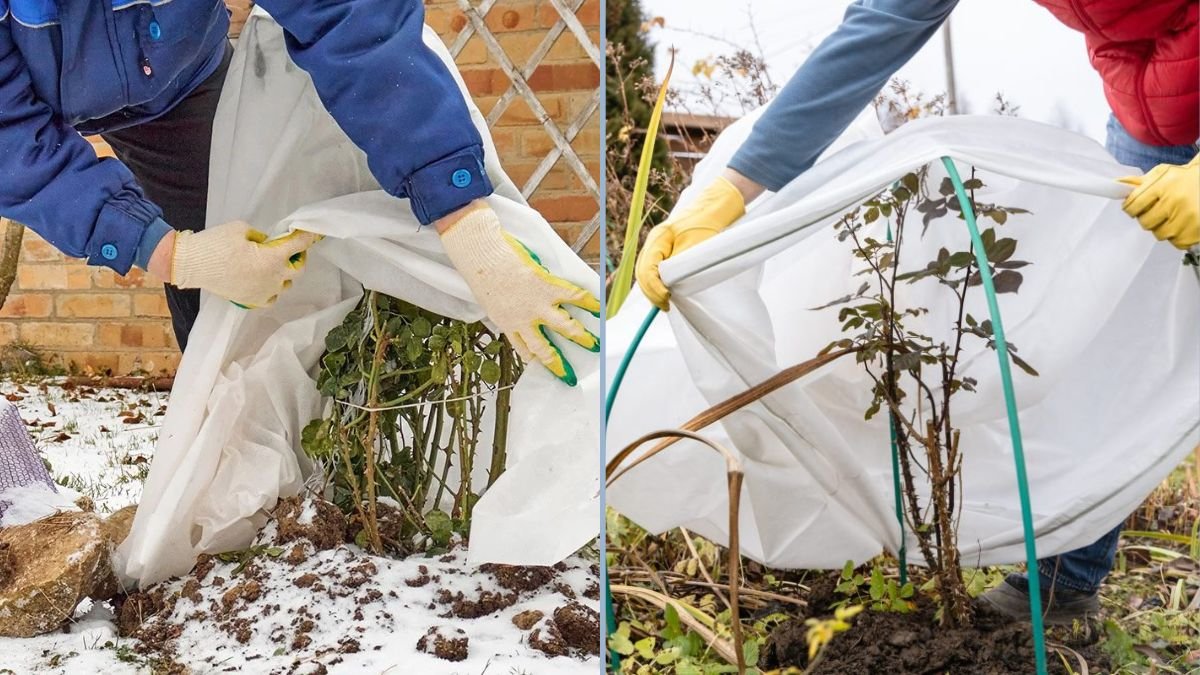
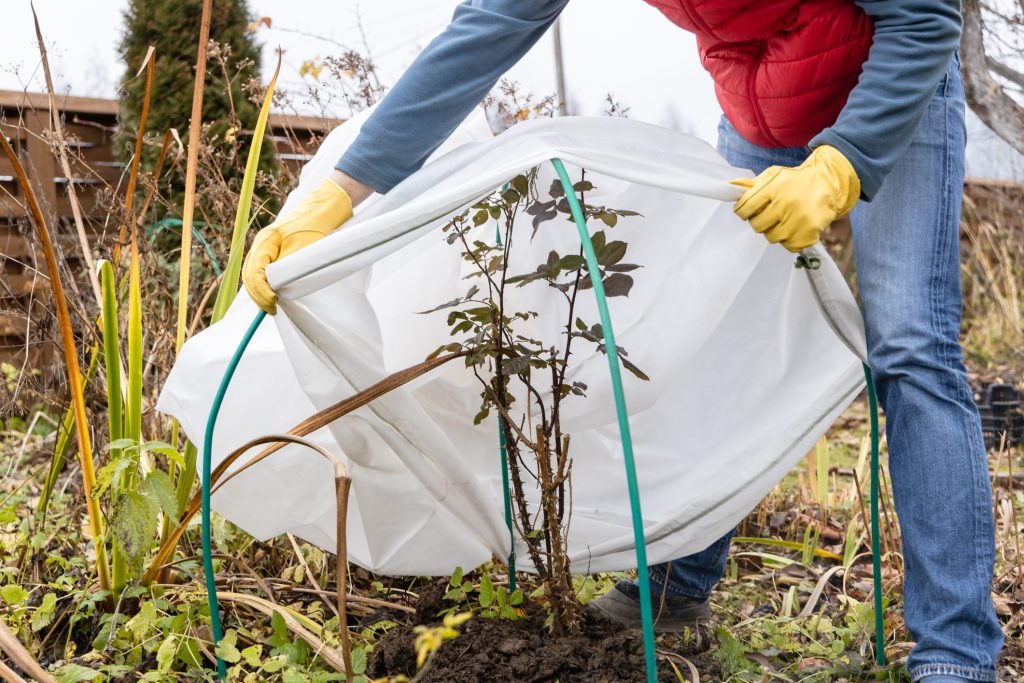
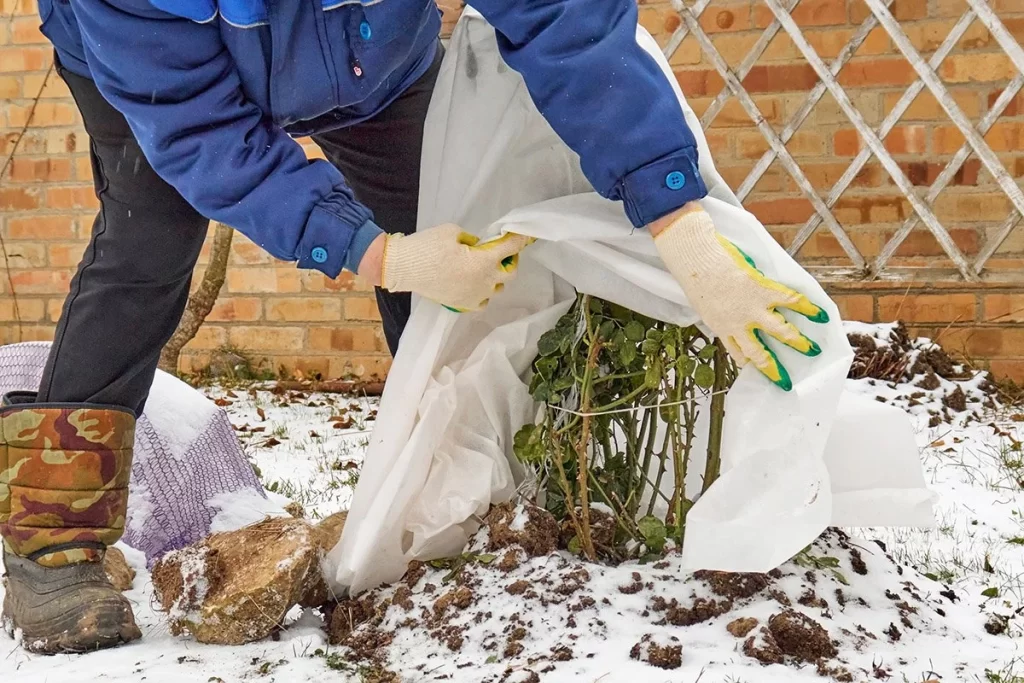
- Frost Cloths or Horticultural Fabric: Lightweight covers trap heat and protect plants from frost. Cover plants during nights with frost alerts, ensuring fabric extends to the ground.
- Plastic Tunnels and Cold Frames: Transparent plastic covers create mini-greenhouses, warming the air around plants. Ventilation during the day prevents overheating.
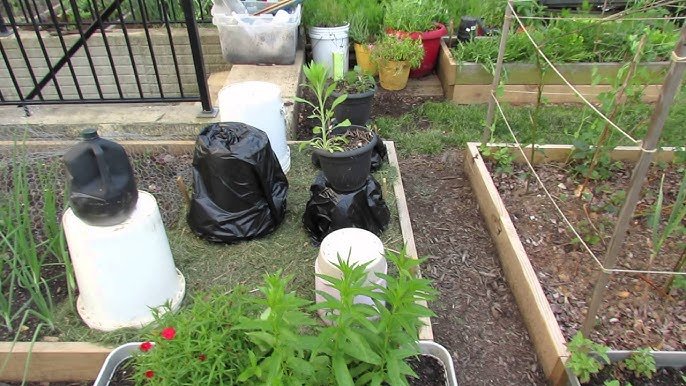
- Cloches and Plant Domes: Individual plant covers made of glass, plastic, or biodegradable materials protect seedlings and delicate plants.
4. Windbreaks and Shelter
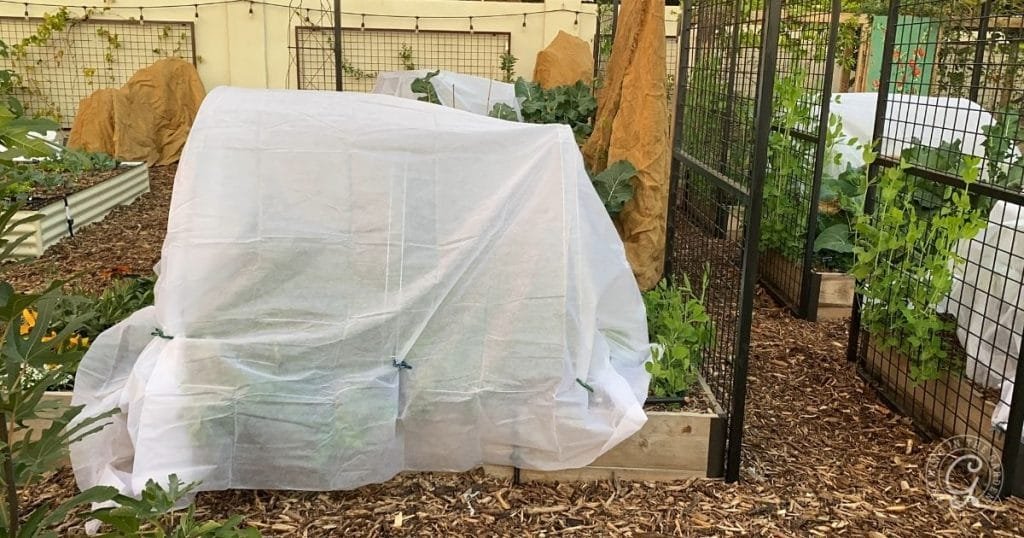
- Temporary Barriers: Erect fences or screens around vulnerable plants to block cold winds.
- Natural Shelter: Use evergreen shrubs or walls to create protective microclimates.
5. Water Management
- Irrigation Timing: Water plants in the late afternoon or early evening; moist soil releases heat overnight, reducing frost risk.
- Avoid Wet Leaves: Excessive water on foliage during frost nights can exacerbate freezing damage.
6. Plant Selection and Timing
- Cold-Hardy Varieties: Select vegetable cultivars and fruit trees bred for frost tolerance.
- Seasonal Planting: Schedule planting to avoid the most severe winter months. Start seedlings indoors and transplant after frost risk diminishes.
- Succession Planting: Stagger planting dates to ensure some crops mature outside peak frost periods.
7. Heat Sources and Passive Protection
- Solar Heaters: Use black-painted water containers or stones to absorb heat during the day and release it at night.
- Compost Heat: Heaps of actively decomposing compost generate warmth; placing plants near compost can reduce frost damage.
- Candle or Torch Protection: In small gardens, placing heat sources strategically can raise temperatures around sensitive plants.
8. Pruning and Plant Maintenance
- Avoid Late-Season Fertilization: Excess nitrogen encourages tender growth vulnerable to frost.
- Prune Wisely: Trim damaged leaves and branches after frost exposure to prevent disease.
- Support Vines and Climbing Plants: Provide trellises or structures to lift plants off the ground, reducing frost exposure.
9. Monitoring and Forecasting
- Weather Forecasts: Track local frost alerts to plan protective measures in advance.
- Temperature Monitoring: Use thermometers in different garden areas to identify vulnerable spots and microclimates.
- Nightly Inspection: Check plants during cold nights to ensure protective covers are intact and effective.
10. Companion Planting and Biodiversity
- Wind and Frost Buffers: Plant hardy shrubs around sensitive crops to provide natural shelter.
- Biodiversity Benefits: Mixed planting reduces frost damage by improving soil structure and creating microclimates with slight temperature variation.
Case Examples of Frost Protection
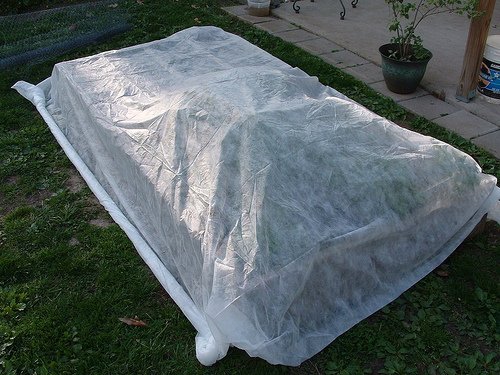
- Tomato Cultivation: In temperate regions, gardeners used row covers and raised beds to successfully harvest tomatoes despite frost nights.
- Citrus Trees: Mulching with straw and using windbreaks prevented flower and fruit damage during unexpected early winter frosts.
- Leafy Greens: Spinach and kale grown under frost cloths produced uninterrupted winter harvests with minimal tissue damage.
These examples demonstrate the effectiveness of integrated frost protection strategies in small and medium-scale gardens.
Benefits of Organic Frost Protection
- Environmentally Friendly: Avoids chemical frost-protection sprays that can harm soil and water systems.
- Cost-Effective: Utilizes locally available organic materials like mulch, compost, and fabric covers.
- Sustainable: Maintains soil fertility, encourages biodiversity, and reduces reliance on synthetic interventions.
- Enhanced Plant Health: Protects roots, leaves, flowers, and fruits from freeze damage, ensuring higher quality harvests.
Conclusion
Protecting a garden from winter frost is essential for maintaining plant health, sustaining yields, and ensuring year-round food production. By understanding frost formation, identifying sensitive plants, and implementing preventive strategies—including site selection, mulching, row covers, windbreaks, water management, heat sources, and careful plant maintenance—gardeners can minimize frost damage effectively.
Organic, environmentally friendly methods such as mulching, frost cloths, compost heat, and companion planting not only protect plants but also promote sustainability, soil health, and biodiversity. With careful planning, monitoring, and timely interventions, winter frost can be managed successfully, ensuring that both ornamental and edible plants thrive even in colder months.
By integrating multiple protective strategies, gardeners can create resilient gardens that withstand the challenges of winter frost, providing healthy, high-quality produce and a visually appealing landscape throughout the cold season.