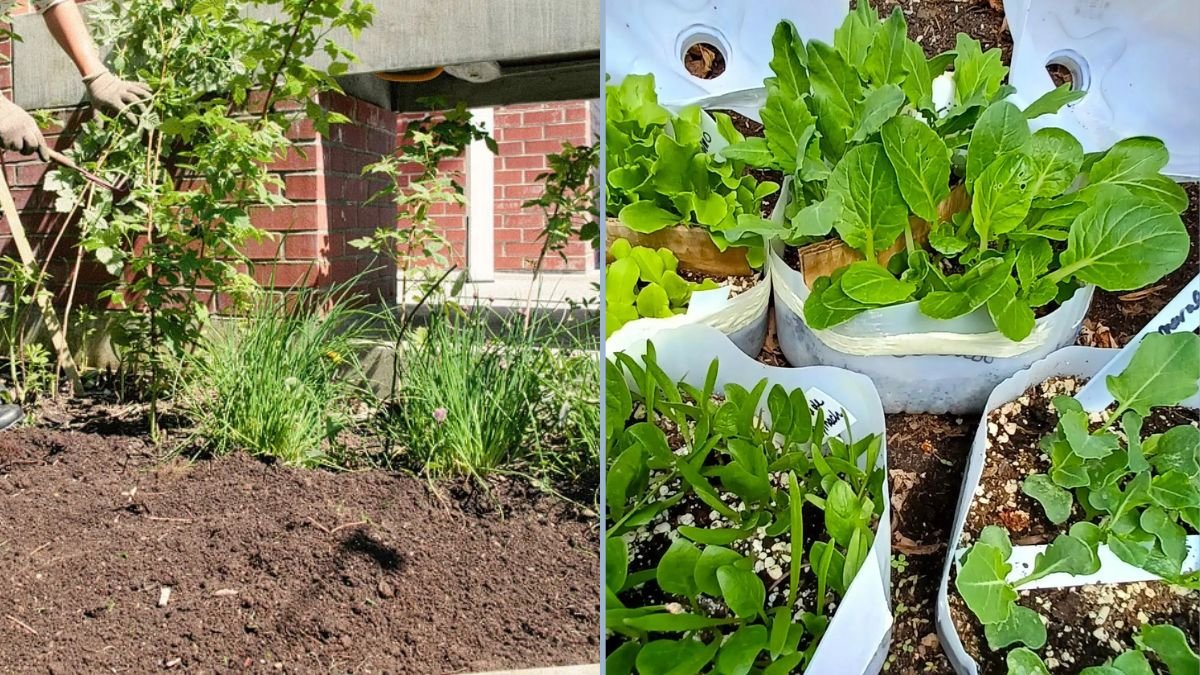
As the vibrant energy of summer fades, gardeners face a critical transition period: converting thriving summer gardens into productive winter harvests. This phase requires careful planning, crop selection, soil management, and protective strategies to ensure a continuous supply of fresh vegetables, herbs, and leafy greens during colder months. By understanding seasonal shifts and employing sustainable gardening practices, gardeners can extend productivity, enhance soil health, and enjoy high-quality harvests throughout the winter.
Understanding the Summer-to-Winter Transition
The transition from summer to winter presents several challenges for gardens:
- Temperature Fluctuations: Cooling days and cold nights can stress warm-season crops and seedlings.
- Reduced Daylight: Shorter days decrease photosynthesis, slowing growth.
- Pest and Disease Pressure: Some pests decline, while others may persist in cooler conditions.
- Soil Nutrient Depletion: Summer crops often exhaust soil fertility, necessitating replenishment for winter planting.
Effective winter gardening begins with recognizing these seasonal dynamics and preparing both plants and soil for cooler conditions.
Selecting Winter-Friendly Crops
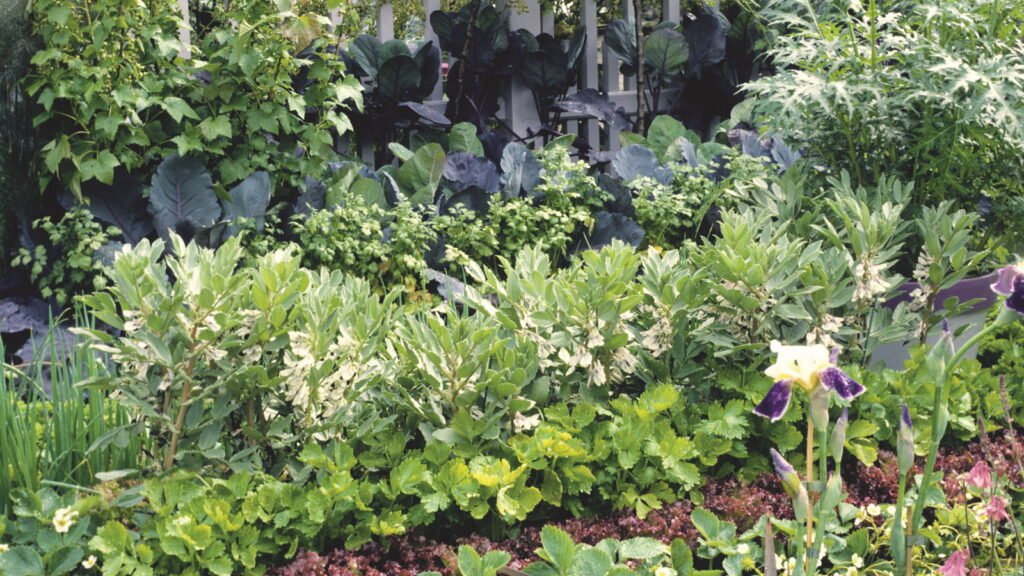
Winter crops are generally cold-tolerant and thrive in shorter days and lower temperatures. Ideal vegetables and herbs include:
1. Leafy Greens
- Spinach: Extremely cold-hardy, improves flavor after light frosts.
- Kale: Withstands freezing temperatures and continues producing leaves throughout winter.
- Lettuce: Prefers cooler weather; choose frost-tolerant varieties for extended harvests.
- Swiss Chard: Cold-tolerant and can be harvested continuously.
- Arugula and Mustard Greens: Rapid-growing and flavorful, ideal for winter salads.
2. Root Vegetables
- Carrots: Frost enhances sweetness; grow in deep, loose soil to prevent deformation.
- Beets: Cold-hardy with edible roots and nutritious greens.
- Radishes: Quick-maturing, ideal for succession planting.
- Turnips and Rutabagas: Hardy, store well, and can be harvested throughout winter.
3. Brassicas (Cabbage Family)
- Cabbage: Thrives in cool weather, suitable for long-term storage.
- Broccoli: Requires consistent moisture and can tolerate light frost.
- Cauliflower: Cold-tolerant varieties produce compact heads during winter.
- Brussels Sprouts: Prefers frost for improved flavor; harvest gradually from lower leaves upward.
- Kohlrabi: Rapid-growing, frost-hardy, and suitable for winter gardens.
4. Cold-Hardy Herbs
- Parsley and Cilantro: Prefer cooler temperatures; provide fresh herbs for winter dishes.
- Thyme, Sage, and Chives: Perennial herbs that withstand low temperatures and continue producing leaves.
Preparing Your Garden for Winter
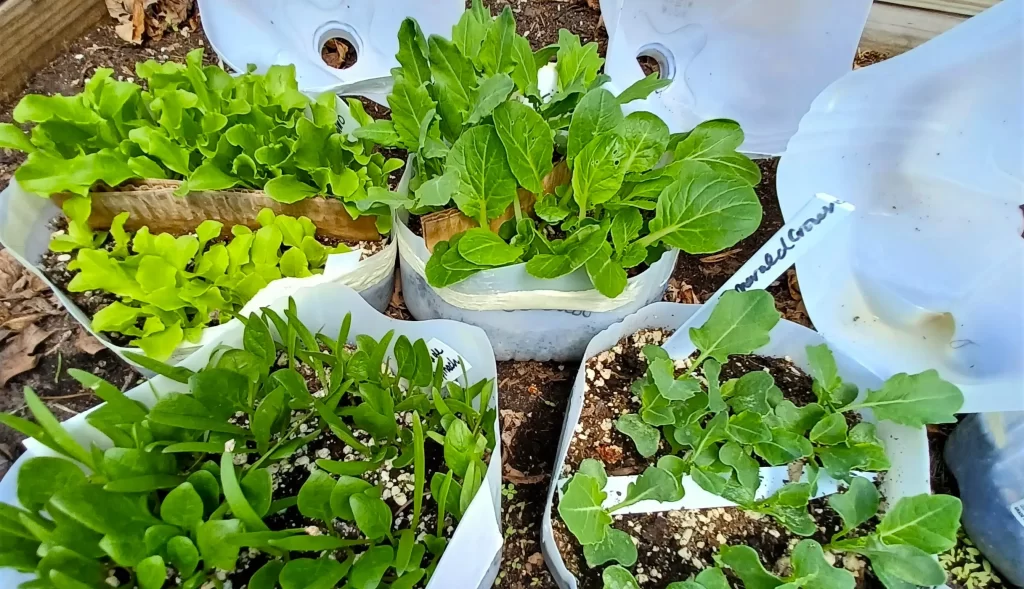
Successful winter gardening begins in the late summer or early fall. Key preparation steps include:
1. Soil Management
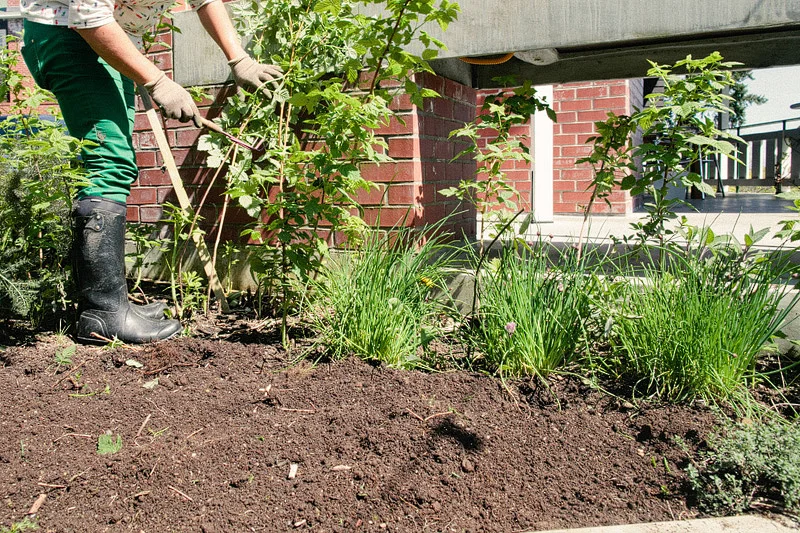
- Remove Summer Residues: Clear old crops to prevent disease carryover.
- Amend Soil: Incorporate compost, vermicompost, or well-rotted organic matter to replenish nutrients.
- pH Adjustment: Most winter vegetables prefer slightly acidic to neutral soil (pH 6.0–7.0).
- Tilling and Aeration: Loosen soil to enhance root growth and drainage.
2. Succession Planting and Timing
- Early Sowing: Start cold-hardy seedlings indoors or in protected beds before the first frost.
- Staggered Planting: Maintain continuous harvests by planting in intervals of 2–3 weeks.
- Transplanting Summer Crops: Some warm-season crops can be salvaged or pruned to encourage late growth under protective conditions.
3. Temperature and Frost Management
- Row Covers and Frost Cloths: Protect young seedlings from sudden cold snaps.
- Cold Frames and Mini-Greenhouses: Extend growing season and moderate temperature fluctuations.
- Mulching: Apply straw, leaves, or other organic mulch to retain soil warmth and moisture.
4. Water Management
- Consistent Moisture: Winter crops require even moisture but are sensitive to waterlogging.
- Drainage Channels: Ensure excess water is diverted to prevent root rot.
- Irrigation Timing: Water in the morning to allow leaves to dry during the day, reducing fungal risks.
Pest and Disease Control
Winter gardening has lower pest pressure, but vigilance remains essential:
- Slugs and Snails: Persist in damp conditions; use crushed eggshells, ash, or organic repellents.
- Fungal Diseases: Avoid overhead watering, improve airflow, and remove infected leaves promptly.
- Beneficial Insects: Encourage ladybugs and lacewings to control residual pests naturally.
- Crop Rotation: Prevent soil-borne diseases by alternating plant families.
Fertility and Nutrition
Winter crops need sufficient nutrients for growth and flavor:
- Organic Fertilizers: Use compost, vermicompost, and green manures to maintain fertility.
- Liquid Feeding: Diluted compost tea or seaweed extract provides essential micronutrients.
- Avoid Excess Nitrogen: Excessive nitrogen encourages soft, frost-sensitive growth.
Harvesting Winter Crops
- Leafy Greens: Harvest outer leaves first to encourage continued growth.
- Root Vegetables: Pull when mature; store in cool, moist conditions for extended shelf life.
- Brassicas: Pick heads when firm; stagger harvesting to extend productivity.
- Herbs: Snip as needed; dry or freeze surplus to preserve flavor.
Proper harvesting techniques ensure that winter gardens remain productive and crops maintain quality throughout the season.
Companion Planting for Winter Gardens
- Leafy Greens with Root Crops: Maximize space and reduce pest pressure.
- Brassicas with Herbs: Basil, parsley, and chives deter pests and enhance growth.
- Cover Crops: Plant legumes or clover to maintain soil fertility, prevent erosion, and reduce weed pressure.
Benefits of Transitioning to Winter Gardens
- Continuous Food Supply: Provides fresh vegetables and herbs during the cold months.
- Enhanced Flavor and Nutrition: Cooler temperatures improve taste and nutrient density in many crops.
- Sustainable Gardening: Organic practices maintain soil fertility and support biodiversity.
- Space Efficiency: Maximizes use of garden space year-round.
- Economic and Health Benefits: Reduces dependence on purchased produce and promotes a healthy diet.
Case Examples
- Spinach and Kale Beds: Gardeners in temperate climates reported improved flavor and consistent harvests after early frost protection.
- Carrots and Beets: Root vegetables grown with mulching and raised beds tolerated cold soil and were sweeter than summer-harvested crops.
- Brassicas: Broccoli and cabbage protected with row covers produced firm heads for winter consumption.
These examples illustrate the effectiveness of careful planning and adaptive strategies in transitioning summer gardens into productive winter harvests.
Conclusion
Transitioning a summer garden into a winter harvest requires strategic planning, appropriate crop selection, soil management, and protective measures. Cold-tolerant vegetables, leafy greens, root crops, brassicas, and herbs thrive when provided with optimal soil, moisture, and temperature conditions. Techniques such as raised beds, mulching, row covers, cold frames, and succession planting enhance growth, protect plants from frost, and ensure continuous productivity.
Maintaining soil fertility through organic amendments, preventing pest and disease outbreaks with natural interventions, and employing companion planting strategies further support sustainable winter gardening. By carefully managing the summer-to-winter transition, gardeners can enjoy nutritious, high-quality produce throughout colder months while promoting environmentally friendly and resilient gardening practices.
Winter gardens not only extend the growing season but also provide opportunities for experimentation, improved crop quality, and year-round self-sufficiency. With thoughtful planning, consistent maintenance, and organic practices, transitioning summer gardens into productive winter harvests is both achievable and rewarding.