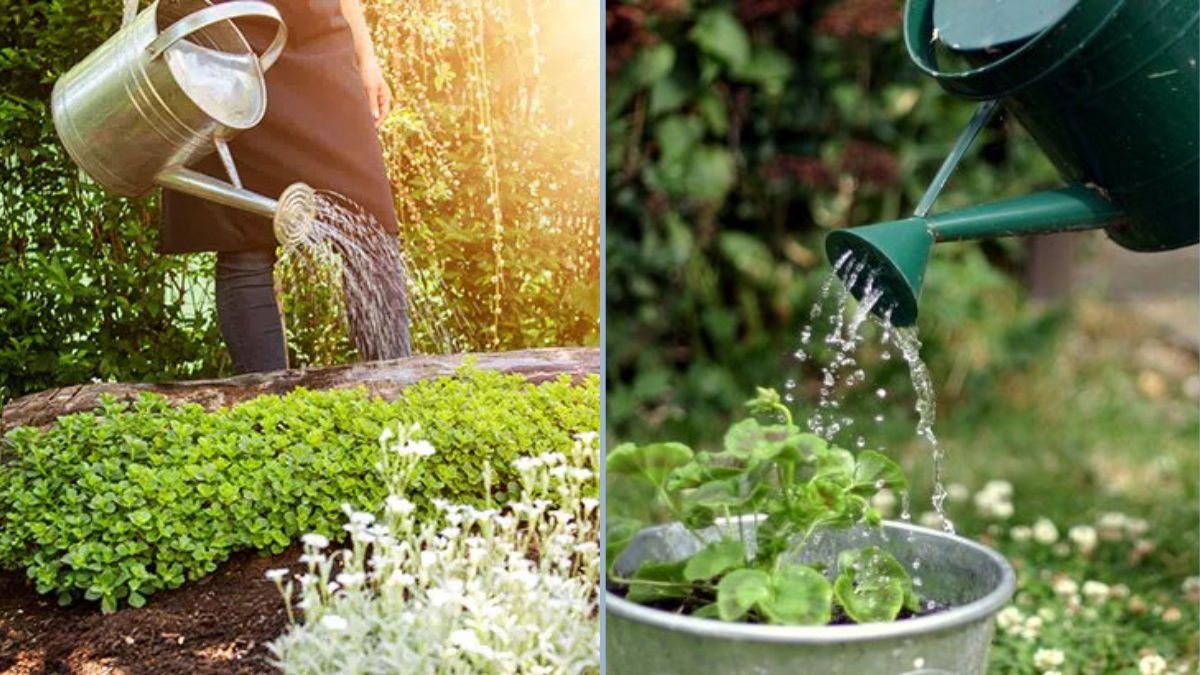
The summer months pose significant challenges for gardeners, especially in regions experiencing high temperatures, prolonged sunlight, and low rainfall. Heat stress can affect plant growth, reduce yields, and make plants more susceptible to pests and diseases. Effective watering practices are critical to maintaining healthy plants, conserving water, and ensuring a productive garden. By understanding plant needs, soil dynamics, and sustainable watering strategies, gardeners can optimize water use while keeping their gardens lush and thriving throughout the hot season.
Understanding Plant Water Needs
Plants require water for vital physiological processes, including photosynthesis, nutrient transport, and cellular growth. During hot summer months, water demand increases due to:
- High Evapotranspiration: Heat causes water to evaporate from soil and transpire from leaves, increasing moisture loss.
- Rapid Growth: Warm temperatures accelerate metabolic activity, requiring more water to support growth.
- Stress Resistance: Adequate water helps plants tolerate heat and resist pests and diseases.
Recognizing these factors helps gardeners provide water efficiently, prevent stress, and maintain plant health.
Factors Affecting Watering Frequency
Several factors influence how often and how much water plants require:
- Soil Type: Sandy soils drain quickly, requiring frequent watering, while clay soils retain moisture longer.
- Plant Type: Leafy greens and vegetables with shallow roots need more frequent watering than deep-rooted plants like carrots or tomatoes.
- Container vs. Ground Planting: Potted plants dry out faster and require more frequent attention.
- Weather Conditions: High temperatures, low humidity, and wind increase water loss.
Understanding these factors ensures plants receive sufficient water without overwatering, which can cause root rot and nutrient leaching.
Best Practices for Watering During Hot Summers
1. Timing is Key
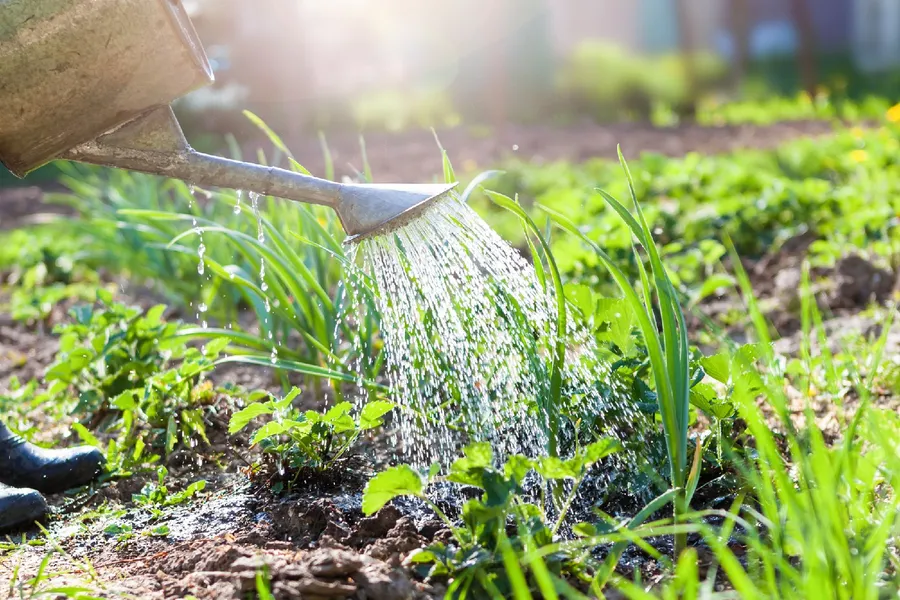
- Early Morning Watering: Watering in the early morning allows plants to absorb moisture before the heat of the day, reducing evaporation.
- Avoid Midday Watering: High temperatures can cause water to evaporate quickly, limiting absorption and potentially burning foliage.
- Evening Watering with Caution: Watering late in the day can increase humidity around foliage, potentially encouraging fungal diseases.
2. Watering Techniques
- Soaker Hoses and Drip Irrigation: Deliver water directly to the root zone, reducing evaporation and water waste.
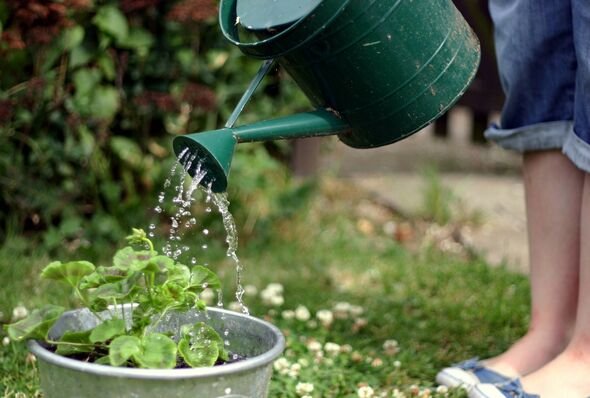
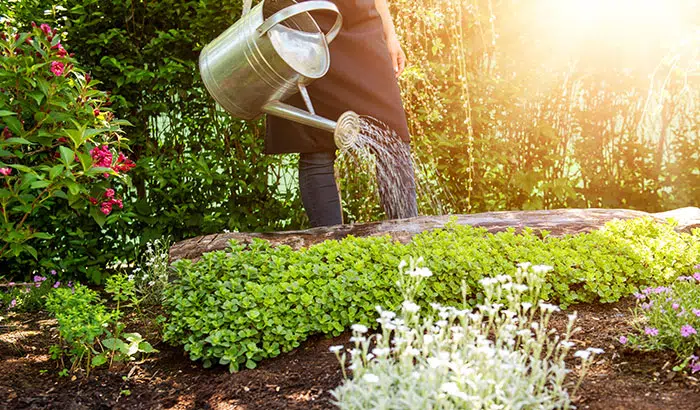
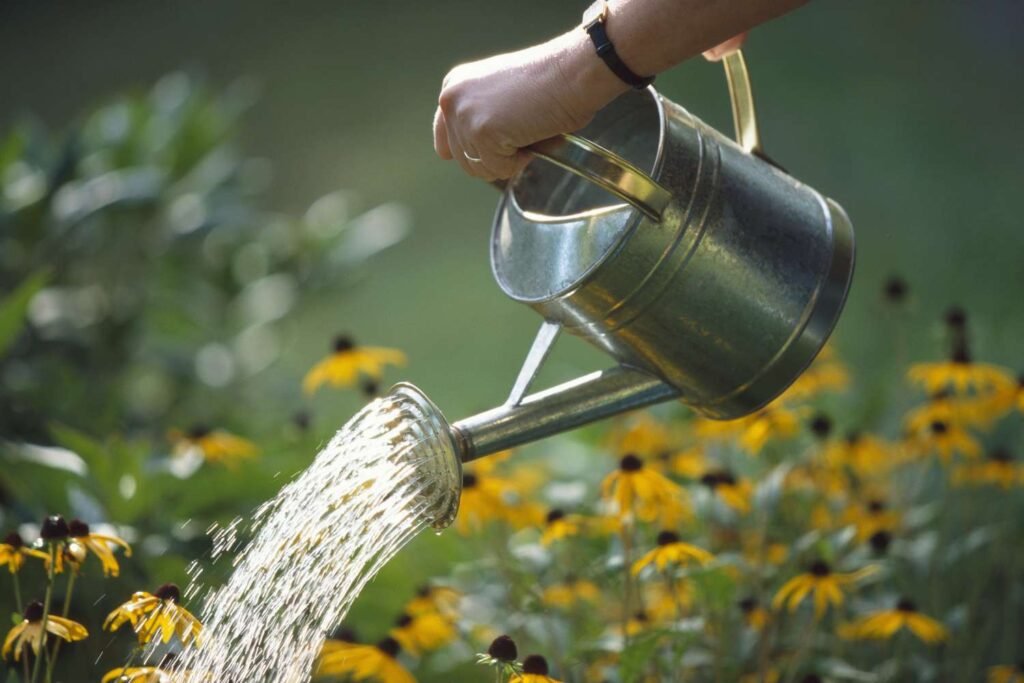
- Hand Watering: Use a watering can with a narrow spout for precise application around the base of plants.
- Avoid Overhead Sprinklers: Sprinklers wet leaves, which can increase fungal disease risk and result in water loss through evaporation.
3. Watering Depth
- Deep, Infrequent Watering: Encourage deep root growth by watering thoroughly but less frequently, rather than shallow, frequent watering.
- Root Zone Focus: Ensure water reaches the entire root zone, which helps plants withstand dry spells and heat stress.
- Check Soil Moisture: Use a finger test or soil probe to ensure soil is moist 6–8 inches below the surface.
4. Mulching
- Organic Mulches: Straw, leaves, grass clippings, or compost reduce surface evaporation, maintain soil temperature, and suppress weeds.
- Layer Thickness: Apply 2–4 inches of mulch around plants while keeping mulch away from stems to prevent rot.
- Mulch Benefits: Enhances soil structure and moisture retention while reducing the frequency of watering.
5. Container Plant Watering
- Check Daily: Containers dry out faster in hot weather; check soil moisture daily.
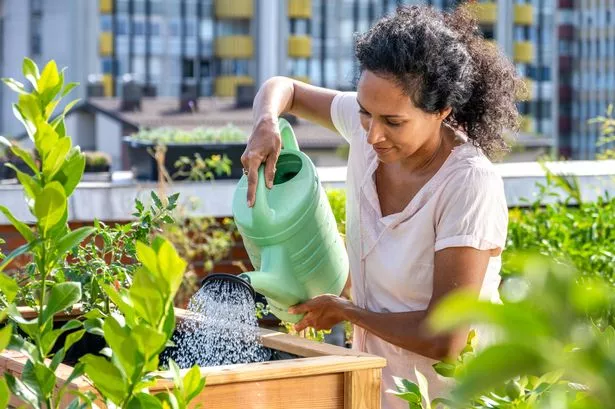
- Self-Watering Pots: Use pots with reservoirs to maintain consistent moisture levels.
- Shade Containers: Place pots in partial shade during peak heat to reduce water stress.
6. Water Conservation Strategies
- Rainwater Harvesting: Collect and store rainwater for garden use.
- Greywater Recycling: Use safe, plant-friendly household water for irrigation.
- Grouping Plants: Place plants with similar water needs together to optimize watering efficiency.
- Soil Improvement: Incorporate organic matter to improve water-holding capacity and reduce frequency of irrigation.
Signs of Water Stress
Recognizing early signs of water stress helps gardeners respond quickly and prevent irreversible damage:
- Wilting: Leaves droop during the day but may recover at night. Persistent wilting indicates severe stress.
- Leaf Yellowing: Chlorosis or browning at the edges often signals insufficient water.
- Reduced Flowering or Fruit Set: Plants may produce fewer flowers or drop developing fruits when stressed.
- Slow Growth: Prolonged water stress can stunt growth and reduce overall yield.
Prompt, adequate watering is essential to minimize these effects.
Crop-Specific Watering Tips
- Leafy Greens: Require frequent, shallow watering to maintain tender leaves. Mulching helps retain moisture.
- Tomatoes and Peppers: Benefit from deep, infrequent watering to encourage strong roots and prevent blossom-end rot.
- Root Vegetables (Carrots, Beets): Consistent moisture prevents splitting and enhances root quality.
- Herbs: Many herbs tolerate slight drought, but young plants need regular watering during hot periods.
- Fruit-Bearing Plants: Water during flowering and fruit development stages for optimal yield and quality.
Soil Moisture Monitoring
- Visual Inspection: Soil should feel moist but not soggy; dry soil indicates need for irrigation.
- Soil Probes or Moisture Meters: Provide accurate assessment of soil water levels at different depths.
- Mulched Beds: Retain moisture longer; check beneath mulch to ensure roots are hydrated.
Adapting to Extreme Heat
- Temporary Shade: Use shade cloths or row covers to protect sensitive plants during heatwaves.
- Reduce Evaporation: Apply mulch and water in the morning to retain soil moisture.
- Heat-Tolerant Varieties: Plant drought-resistant or heat-tolerant cultivars to reduce irrigation demands.
Benefits of Proper Summer Watering
- Enhanced Growth and Yield: Adequate moisture supports optimal photosynthesis and nutrient uptake.
- Disease Prevention: Proper watering reduces fungal infections and root diseases.
- Stress Resistance: Well-watered plants withstand heat, wind, and pest pressure more effectively.
- Sustainable Water Use: Efficient techniques reduce waste and conserve resources.
- Improved Quality: Vegetables, herbs, and fruits have better flavor, texture, and nutrient content.
Case Studies
- Tomato Gardens: Deep, morning watering combined with mulching reduced water stress, prevented blossom-end rot, and increased fruit yield during peak summer heat.
- Leafy Greens: Frequent, shallow watering and organic mulch maintained turgid leaves and prevented bolting in hot climates.
- Container Plants: Self-watering pots and daily monitoring ensured continuous growth without overwatering.
These examples highlight how appropriate watering strategies can optimize plant health and yield, even in challenging summer conditions.
Conclusion
Watering during hot summer months requires strategic planning, careful observation, and sustainable practices. Understanding plant water needs, soil properties, and environmental factors is key to maintaining healthy, productive gardens. Techniques such as early morning watering, deep irrigation, mulching, efficient watering methods, and crop-specific care ensure plants receive sufficient moisture while conserving water.
Monitoring soil moisture, recognizing signs of water stress, and adapting to extreme heat further enhance plant resilience. Proper watering not only improves growth and yield but also reduces disease, promotes strong root development, and supports sustainable gardening practices.
By combining these strategies with water conservation techniques, gardeners can maintain vibrant, productive gardens throughout the hot summer months, ensuring continuous supply of fresh, nutritious vegetables, herbs, and fruits while optimizing resource use.