Winter poses significant challenges for gardeners due to limited sunlight, low temperatures, and the dormancy of many outdoor plants. However, indoor gardening offers an effective solution, allowing continuous access to fresh vegetables, herbs, and leafy greens during the cold months. Beyond nutrition, indoor gardening enhances air quality, adds aesthetic value, and supports mental well-being.
Establishing a successful indoor garden requires careful selection of plant varieties suited for low-light and cool indoor conditions, efficient use of space, proper soil and container management, and sustainable, chemical-free practices. This article provides detailed guidance for creating and maintaining a thriving indoor garden that delivers freshness throughout winter.
1. Selecting Plants for Winter Indoor Gardening
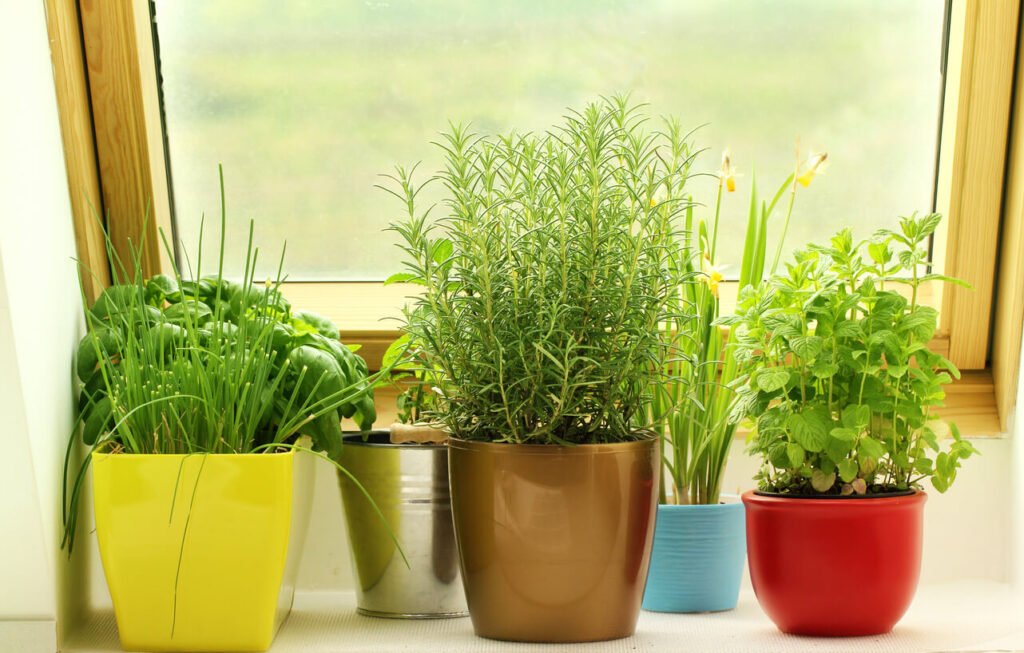
Not all plants thrive indoors during winter; careful selection ensures success:
a. Leafy Greens
- Spinach, lettuce, arugula, and kale adapt well to low temperatures and partial light.
- These fast-growing greens allow continuous harvest through cut-and-come-again methods.
b. Culinary Herbs
- Basil, parsley, chives, cilantro, and thyme grow well in containers near windows or under grow lights.
- Herbs contribute fresh flavor to meals and enhance indoor aesthetics.
c. Fruiting Vegetables
- Dwarf tomatoes, bell peppers, and cherry peppers can produce fruit indoors with sufficient light.
- Compact varieties are ideal for container gardening.
d. Microgreens and Sprouts
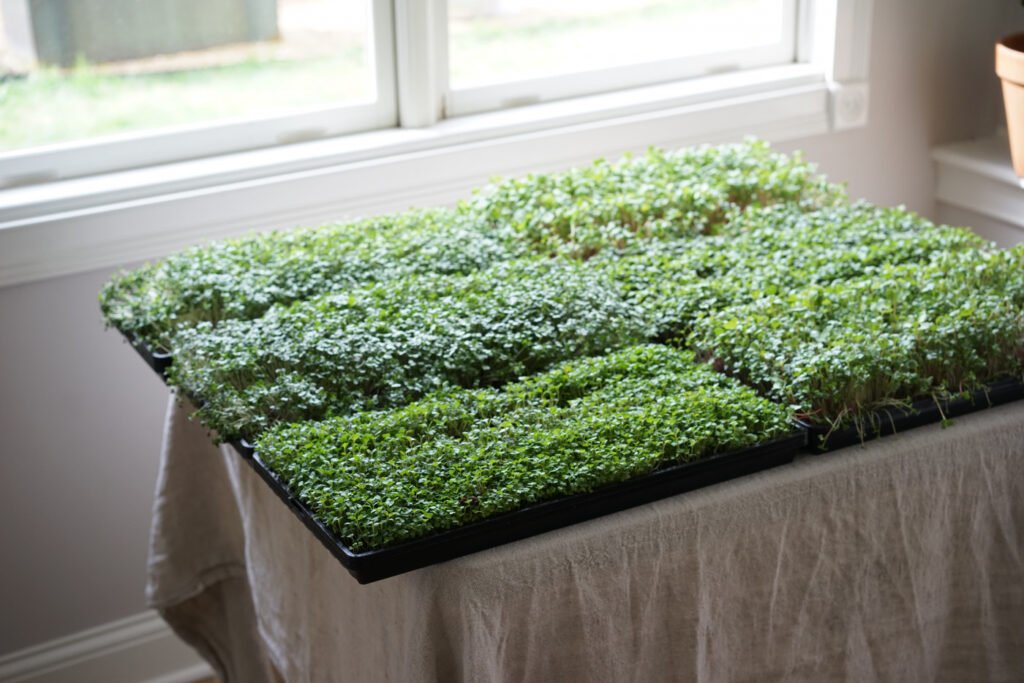
- Broccoli, radish, mustard, and sunflower microgreens germinate quickly, often in 1–3 weeks.
- Microgreens provide nutrient-dense harvests with minimal space requirements.
Selecting appropriate varieties ensures continuous productivity and freshness throughout winter.
2. Light Requirements
Limited winter sunlight necessitates careful light management:
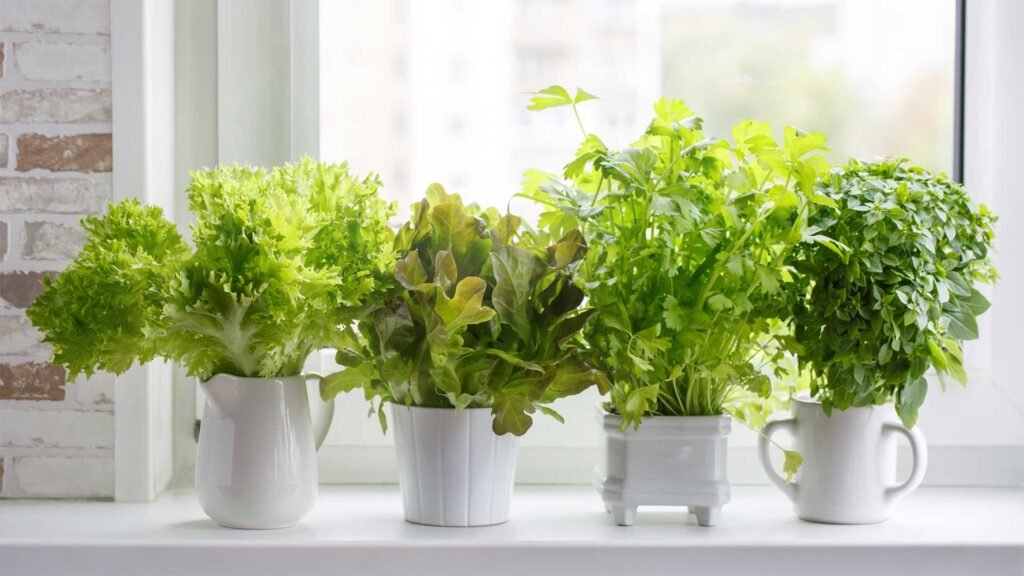
- Natural Light: Place plants near south-facing or east-facing windows for maximum exposure.
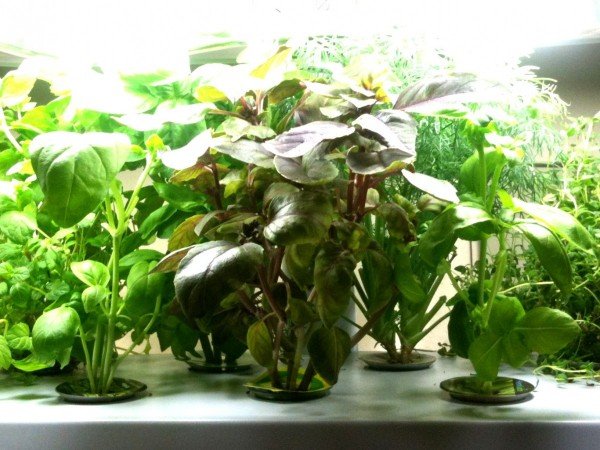
- Supplemental Lighting: LED or fluorescent grow lights provide 12–16 hours of light per day to maintain healthy growth.
- Light Positioning: Keep lights 6–12 inches above plants; adjust as plants grow to prevent legginess.
Proper lighting promotes photosynthesis, strong stems, and vibrant leaf coloration, critical for indoor winter gardening.
3. Container Selection and Soil Preparation
Indoor plants require well-draining containers and nutrient-rich soil:
- Containers: Use pots with drainage holes to prevent waterlogging. Self-watering containers help maintain consistent moisture levels.
- Soil Mix: Combine compost, coconut coir, and vermicompost for light, well-aerated, nutrient-rich soil.
- Pot Size: Shallow containers suit leafy greens and herbs; deeper pots accommodate root crops and dwarf fruiting vegetables.
Well-prepared containers and soil enhance root development and support robust growth during winter.
4. Temperature and Humidity Control
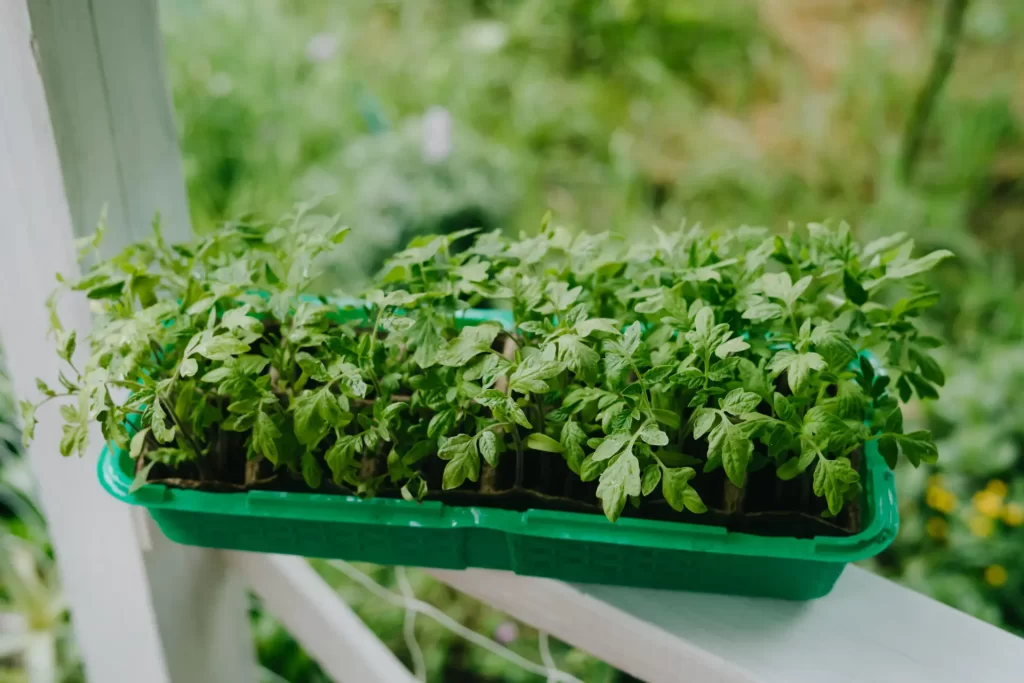
Winter indoor environments can be dry due to heating systems:
- Optimal Temperature: Most indoor plants grow best between 18°C–24°C (65°F–75°F).
- Humidity Management: Maintain 40–60% humidity using water trays, pebble arrangements, or small humidifiers.
- Avoid Drafts: Keep plants away from cold windows, doors, and heating vents.
Stable temperatures and moderate humidity levels ensure healthy, stress-free growth for indoor plants.
5. Watering Practices
Indoor plants require consistent moisture management:
- Regular Monitoring: Check soil moisture frequently; maintain even dampness without waterlogging.
- Early Morning Watering: Reduces evaporation and prevents fungal growth on leaves.
- Mulching: Organic mulch such as straw or coconut coir helps retain soil moisture.
Proper watering ensures nutrient uptake, prevents root rot, and supports vigorous growth.
6. Nutrient Management
Indoor plants need adequate nutrition to thrive in limited soil volumes:
- Compost and Vermicompost: Provide slow-release nutrients and improve soil structure.
- Plant-Based Liquid Fertilizers: Infusions from comfrey, nettle, or moringa promote leaf and root development.
- Frequency: Light feeding every 3–4 weeks prevents over-fertilization and supports continuous growth.
Balanced nutrition enhances plant health, flavor, and yield, ensuring winter freshness.
7. Pruning and Harvesting Techniques
Regular pruning maintains plant health and productivity:
- Leaf Harvesting: Use cut-and-come-again methods to harvest outer leaves while leaving inner shoots intact.
- Stem Pruning: Trim leggy or overcrowded growth to improve light penetration and airflow.
- Flower Removal: Prevent flowering in culinary herbs to extend leaf production and flavor.
Pruning and proper harvesting techniques encourage sustained productivity in indoor winter gardens.
8. Pest and Disease Management
Indoor plants can still face pest and disease challenges:
- Common Pests: Aphids, spider mites, and whiteflies may infest indoor greens and herbs.
- Organic Control: Neem oil, garlic sprays, or mild soap solutions effectively manage pests.
- Physical Barriers: Row covers or mesh protect delicate seedlings without chemicals.
- Air Circulation: Adequate spacing and gentle airflow prevent fungal disease development.
Proactive pest management ensures healthy plants and maintains consistent yields.
9. Space Optimization
Indoor gardening often faces space limitations:
- Vertical Gardening: Use shelves, hanging baskets, or wall-mounted planters to maximize space.
- Tiered Planters: Allow multiple plants to receive sufficient light and air circulation.
- Windowsills: Ideal for small pots of herbs and leafy greens.
Optimizing space ensures maximum productivity and access to fresh produce during winter.
10. Companion Planting Indoors
Companion planting enhances growth and resilience:
- Herbs with Leafy Greens: Basil, parsley, and chives can reduce pest incidence.
- Tall Plants as Natural Shade: Taller plants can protect delicate greens from drafts and excessive heat from indoor heaters.
- Soil Enrichment: Legumes grown in shared containers enhance nitrogen levels naturally.
Companion planting promotes healthier plants, higher yields, and reduced pest pressure.
11. Seasonal Indoor Garden Projects
Engaging in structured indoor gardening projects enhances success:
- Herb Windowsill Garden: Small pots provide fresh flavor for daily meals.
- Vertical Herb Tower: Efficiently grows multiple herbs in limited spaces.
- Microgreen Trays: Rapid-growing microgreens provide nutrient-dense harvests in 1–3 weeks.
- Mini Greenhouses: Maintain warmth and humidity for seedlings and delicate crops.
Creative projects maximize indoor space, productivity, and engagement with gardening during winter.
12. Benefits of Indoor Winter Gardening
- Fresh Produce Year-Round: Ensures access to vegetables, herbs, and leafy greens even in winter.
- Nutrient-Rich Diet: Microgreens and leafy greens provide essential vitamins and antioxidants.
- Air Quality Improvement: Indoor plants purify air and increase humidity.
- Mental Well-Being: Gardening reduces stress, enhances mood, and encourages mindfulness.
- Sustainable Gardening: Reduces reliance on store-bought produce and encourages chemical-free practices.
Indoor gardening enhances nutrition, aesthetics, and overall health during winter months.
13. Troubleshooting Common Issues
Winter indoor gardens may face unique challenges:
- Leggy Growth: Caused by insufficient light; supplement with LED grow lights or reposition plants.
- Yellowing Leaves: Often a sign of overwatering or nutrient deficiency; adjust watering and fertilization.
- Slow Growth: Ensure appropriate temperature, light, and balanced nutrients.
- Pest Infestation: Monitor closely and apply organic control methods as needed.
Early intervention helps maintain plant health and ensures consistent winter harvests.
14. Conclusion
Indoor gardening provides a practical and sustainable solution to maintaining fresh, nutritious produce during winter. By selecting suitable leafy greens, herbs, and dwarf fruiting vegetables, providing adequate light, controlling temperature and humidity, and employing chemical-free cultivation methods, gardeners can create productive indoor gardens.
Succession planting, companion planting, and creative container arrangements maximize space and yield, while organic fertilization and pest management maintain plant health. Indoor gardening also enhances nutrition, air quality, and mental well-being, offering both practical and lifestyle benefits.
With careful planning and attention to environmental conditions, indoor gardens transform winter into a season of freshness, growth, and sustainability, ensuring continuous access to healthy, flavorful, and chemical-free produce.