Winter gardening presents unique challenges due to low temperatures, reduced sunlight, and shorter days. Despite these conditions, a range of winter-friendly vegetable varieties allows gardeners to continue producing fresh, nutritious, and chemical-free crops during the colder months. By selecting cold-tolerant varieties, optimizing soil and container conditions, and employing sustainable cultivation practices, gardeners can achieve healthy yields even in winter climates.
This article provides a detailed guide to winter-friendly vegetables, including growth requirements, planting strategies, container options, soil management, pest and disease prevention, and harvesting techniques, all within an eco-friendly, non-animal approach.
1. Advantages of Growing Winter-Friendly Vegetables
- Extended Growing Season: Enables continuous harvests despite outdoor dormancy.
- Nutritional Benefits: Fresh winter vegetables supply essential vitamins, minerals, and fiber.
- Sustainability: Reduces dependency on store-bought produce and supports chemical-free gardening.
- Space Flexibility: Suitable for containers, raised beds, and small-scale urban gardens.
- Resilience: Cold-tolerant varieties withstand frost, wind, and fluctuating temperatures.
Growing winter-friendly vegetables ensures food security, nutrition, and garden productivity during the off-season.
2. Leafy Greens for Winter
a. Spinach (Spinacia oleracea)
- Cold-hardy, tolerates frost and short days.
- Thrives in fertile, well-draining soil and can be grown in containers or raised beds.
- Rapid growth allows successive harvests using the cut-and-come-again method.
b. Kale (Brassica oleracea var. sabellica)
- Extremely frost-tolerant; flavor improves after light frosts.
- Compact varieties suitable for containers and vertical gardening.
- Rich in vitamins A, C, and K, providing essential nutrition during winter.
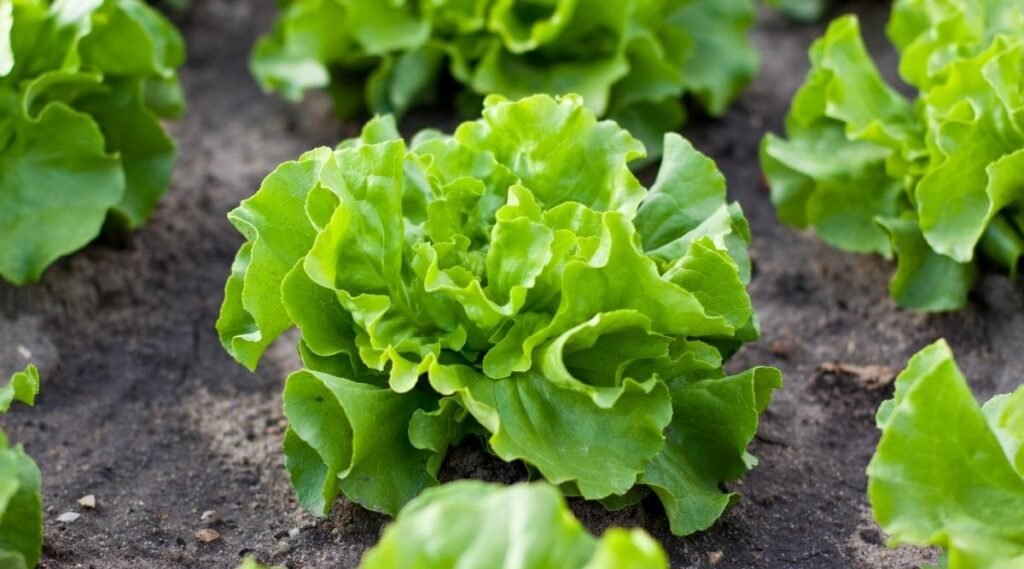
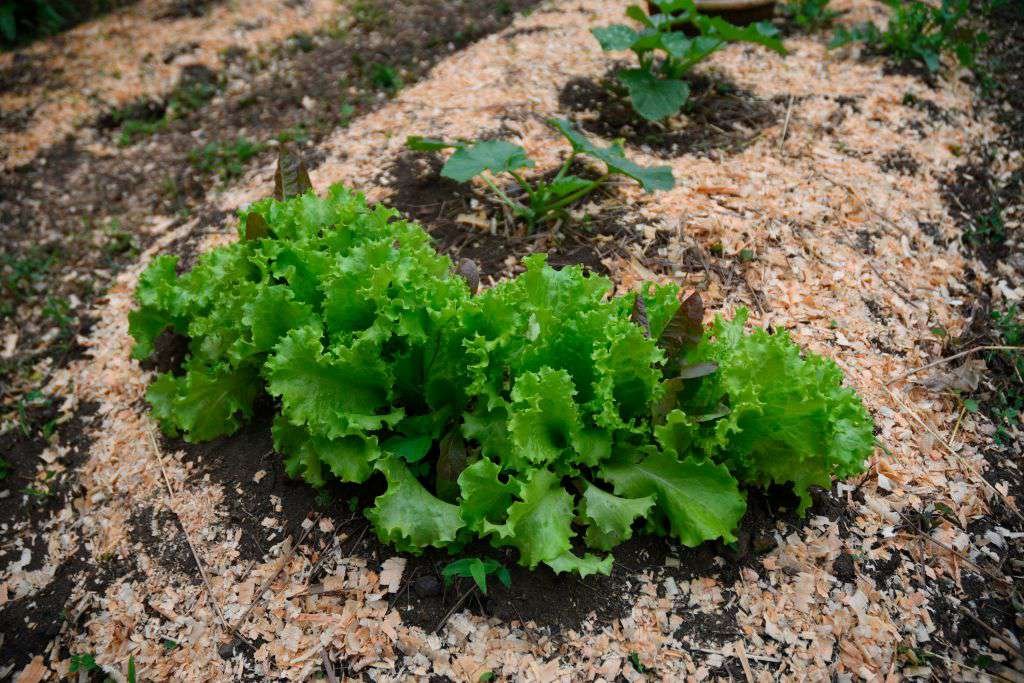
c. Lettuce (Lactuca sativa)
- Leaf varieties grow quickly and tolerate mild cold.
- Prefers partial sunlight and consistent moisture; suitable for succession planting.
- Ideal for winter salads and indoor container gardens.
d. Swiss Chard (Beta vulgaris subsp. cicla)
- Cold-hardy and versatile; both leaves and stalks are edible.
- Performs well in containers and raised beds.
- Continuous harvesting ensures sustained production throughout winter.
Leafy greens are ideal for winter gardening due to their frost tolerance and fast growth.
3. Root Vegetables for Winter
a. Carrots (Daucus carota)
- Frost-tolerant; flavor intensifies after light frosts.
- Grow well in deep containers or loose, sandy soil for straight roots.
- Continuous harvest possible with staggered sowing.
b. Radishes (Raphanus sativus)
- Rapid-growing, ideal for succession planting.
- Cold-tolerant; can be harvested within 3–5 weeks.
- Suitable for small containers or raised beds.
c. Beets (Beta vulgaris)
- Frost-tolerant roots and leaves provide dual harvest.
- Perform well in nutrient-rich containers or garden beds.
- Thrive in cool temperatures, producing high-quality roots during winter.
Root vegetables are hardy, nutritious, and ideal for containers during cold months.
4. Brassicas for Winter Cultivation
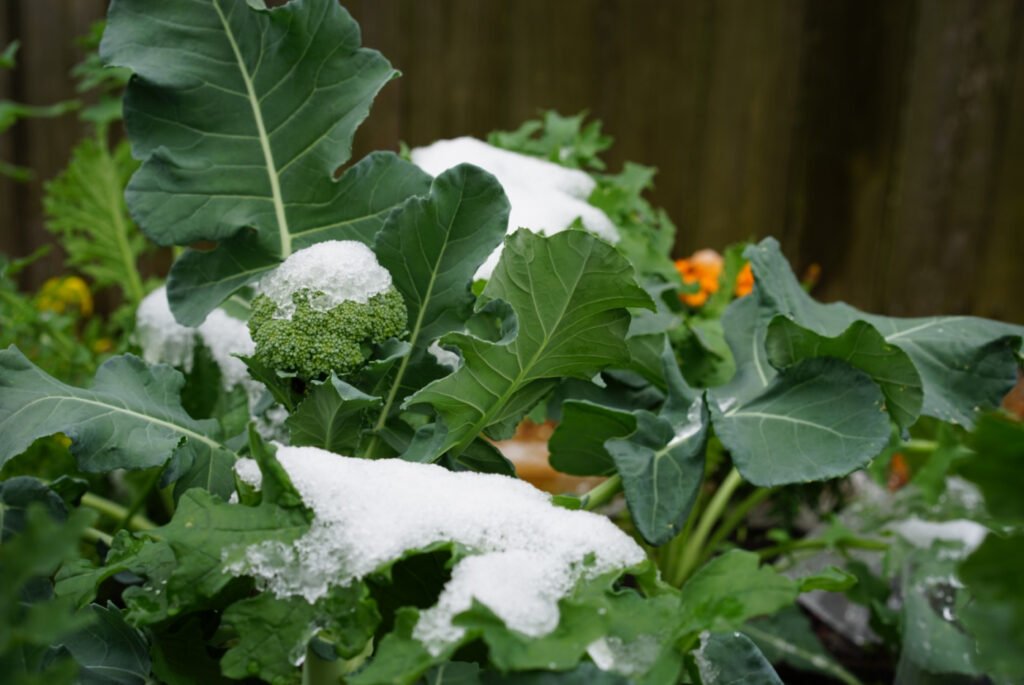
a. Broccoli (Brassica oleracea var. italica)
- Compact varieties tolerate cooler temperatures.
- Prefers fertile soil and consistent moisture; suitable for containers.
- Nutrient-dense and ideal for both fresh cooking and storage.
b. Cauliflower (Brassica oleracea var. botrytis)
- Cold-hardy varieties thrive in winter with adequate sunlight.
- Requires deep containers for root development.
- Harvest when heads are firm for best flavor and quality.
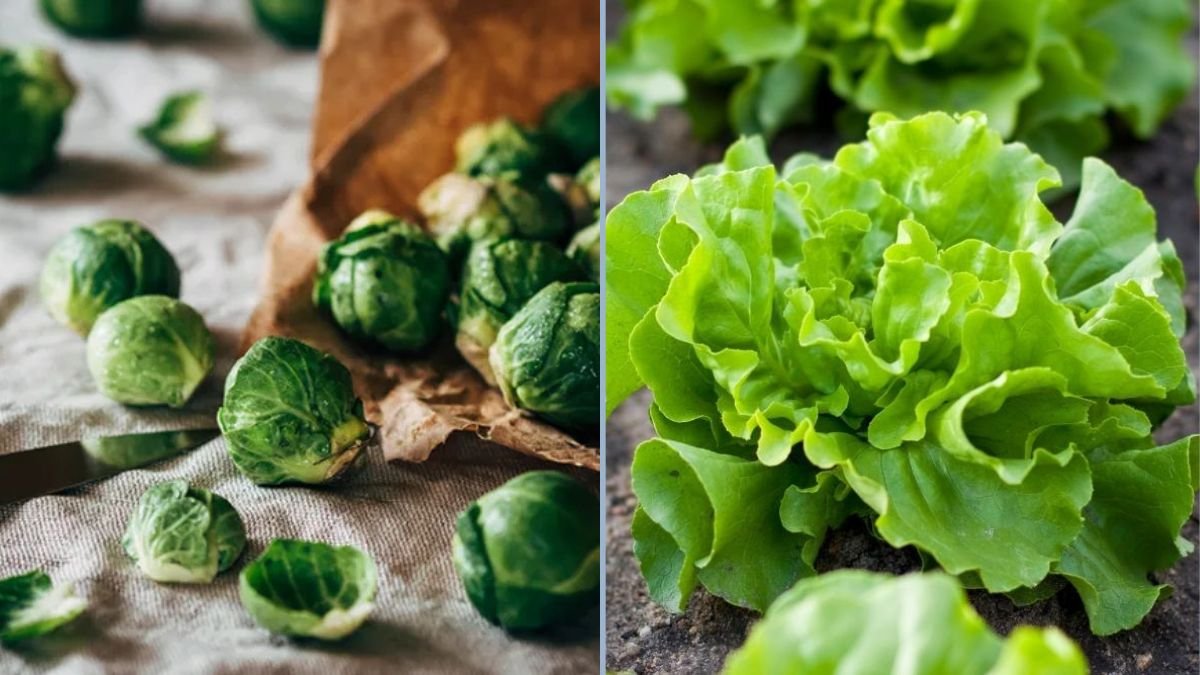
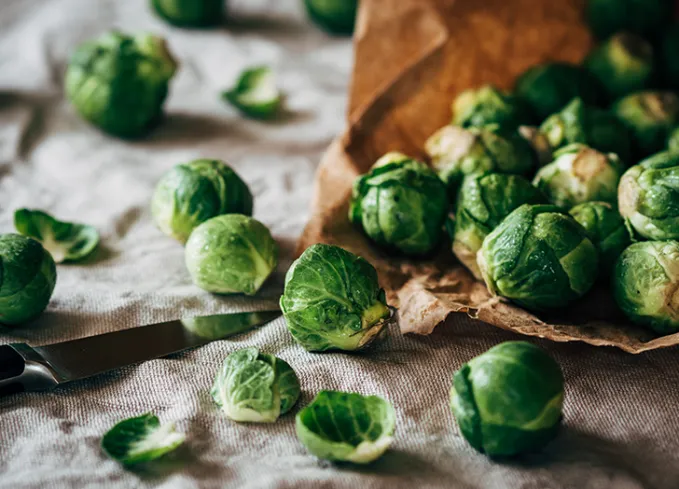
c. Brussels Sprouts (Brassica oleracea var. gemmifera)
- Extremely frost-tolerant; flavor improves after frost exposure.
- Best grown in larger containers or garden beds for space.
- Harvest from bottom to top to maximize yield.
Brassicas are ideal for winter gardening due to their frost tolerance and high nutrient content.
5. Herbs for Winter
a. Parsley (Petroselinum crispum)
- Cold-hardy perennial herb; continues leaf production indoors or in containers.
- Adds flavor to soups, salads, and winter dishes.
b. Chives (Allium schoenoprasum)
- Tolerates cooler temperatures; edible flowers enhance aesthetics.
- Ideal for container growth and indoor winter gardening.
c. Thyme (Thymus vulgaris)
- Hardy, aromatic, and drought-tolerant.
- Performs well in containers or raised beds during winter.
Herbs provide year-round flavor, aroma, and nutrition even in cold conditions.
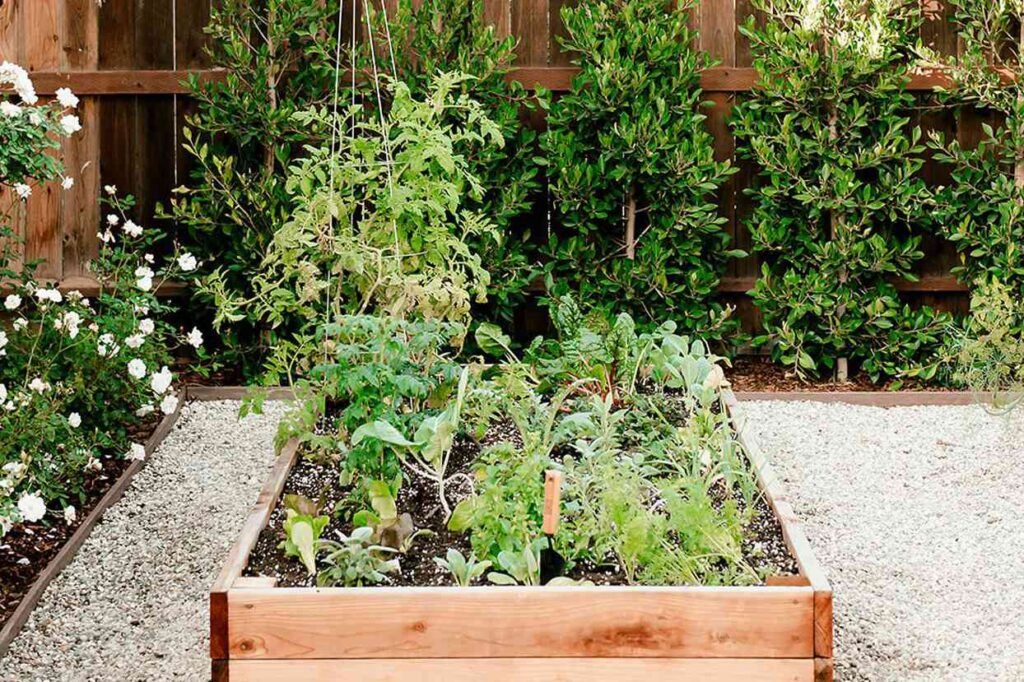
6. Container Gardening for Winter Vegetables
- Material: Plastic, ceramic, or terracotta containers; terracotta offers breathability, plastic retains moisture.
- Size: Minimum 6–12 inches depth for most leafy greens and herbs; deeper containers for root vegetables.
- Drainage: Ensure holes to prevent waterlogging and root rot.
- Mobility: Lightweight containers allow relocation for sunlight optimization and frost protection.
Container gardening extends harvest and allows gardeners to manage microclimates effectively during winter.
7. Soil Preparation and Fertility
- Soil Mix: Compost, coconut coir, and vermicompost provide aeration, fertility, and moisture retention.
- pH Range: Slightly acidic to neutral (6.0–7.0) supports most winter crops.
- Nutrient Supplements: Plant-based teas (comfrey, nettle) support leaf and root development.
Proper soil preparation enhances growth, leaf quality, and root development in winter conditions.
8. Light and Temperature Management
- Sunlight: Position containers in south-facing areas for maximum winter light.
- Supplemental Lighting: LED grow lights provide 12–16 hours of light per day if natural sunlight is insufficient.
- Temperature Protection: Move containers near walls or indoors during frost; use row covers or cloches for sensitive crops.
Maintaining adequate light and moderate temperatures ensures healthy growth and continuous harvest.
9. Watering Practices
- Consistent Moisture: Keep soil evenly damp; avoid waterlogging.
- Watering Frequency: Reduce frequency during cooler temperatures but prevent soil from drying completely.
- Mulching: Organic mulch insulates roots and retains moisture in containers or garden beds.
Proper watering supports nutrient uptake, prevents stress, and enhances winter productivity.
10. Pest and Disease Management
- Common Pests: Aphids, spider mites, and whiteflies can still affect winter crops.
- Organic Remedies: Neem oil, garlic sprays, or mild soap solutions manage pests without chemicals.
- Sanitation: Remove damaged leaves and maintain airflow to prevent fungal diseases.
Proactive, chemical-free pest management ensures healthy, winter-ready vegetables.
11. Harvesting Techniques
- Leafy Greens: Use cut-and-come-again method to extend production.
- Root Vegetables: Harvest selectively, leaving some roots to mature further.
- Herbs: Regular trimming promotes bushy growth and prolongs harvest.
- Brassicas: Harvest mature portions while allowing remaining parts to continue developing.
Proper harvesting techniques maximize yield and quality throughout winter.
12. Succession Planting for Continuous Supply
- Staggered Sowing: Plant new seeds every 2–3 weeks to maintain continuous harvest.
- Indoor Sowing: Start seedlings indoors for transplanting into containers or garden beds.
- Microgreens: Quick-growing microgreens supplement slower-growing crops for immediate harvest.
Succession planting ensures a consistent supply of fresh winter vegetables.
13. Benefits of Winter-Friendly Vegetable Varieties
- Nutrition: Access to fresh, vitamin-rich produce during colder months.
- Flavor: Frost-tolerant crops often develop enhanced flavor after exposure to light frost.
- Sustainability: Reduces dependence on imported winter produce and supports chemical-free gardening.
- Urban Adaptation: Container gardening allows winter cultivation in limited spaces.
- Well-Being: Engaging in winter gardening promotes mental health and connection with nature.
Winter-friendly vegetables provide both practical and lifestyle benefits for gardeners.
14. Troubleshooting Common Issues
- Leggy Growth: Caused by insufficient light; supplement with grow lights or reposition containers.
- Yellowing Leaves: Indicate nutrient deficiency or overwatering; adjust fertilization and moisture.
- Frost Damage: Use protective covers or relocate containers indoors.
- Pest Infestation: Apply organic sprays and monitor regularly to prevent spread.
Early intervention ensures healthy crops and uninterrupted winter harvest.
15. Conclusion
Winter-friendly vegetable varieties provide a sustainable, nutritious, and aesthetically pleasing solution for cold-season gardening. By selecting frost-tolerant leafy greens, root vegetables, brassicas, and herbs, gardeners can extend harvests and enjoy fresh produce throughout winter. Container gardening enhances flexibility, allowing microclimate management, frost protection, and efficient use of small spaces.
Optimizing soil, water, light, and organic nutrient management, alongside proactive pest control and succession planting, ensures continuous productivity. Through careful planning and eco-friendly cultivation practices, winter gardening becomes both rewarding and sustainable, offering fresh, healthy vegetables and herbs even during the coldest months.