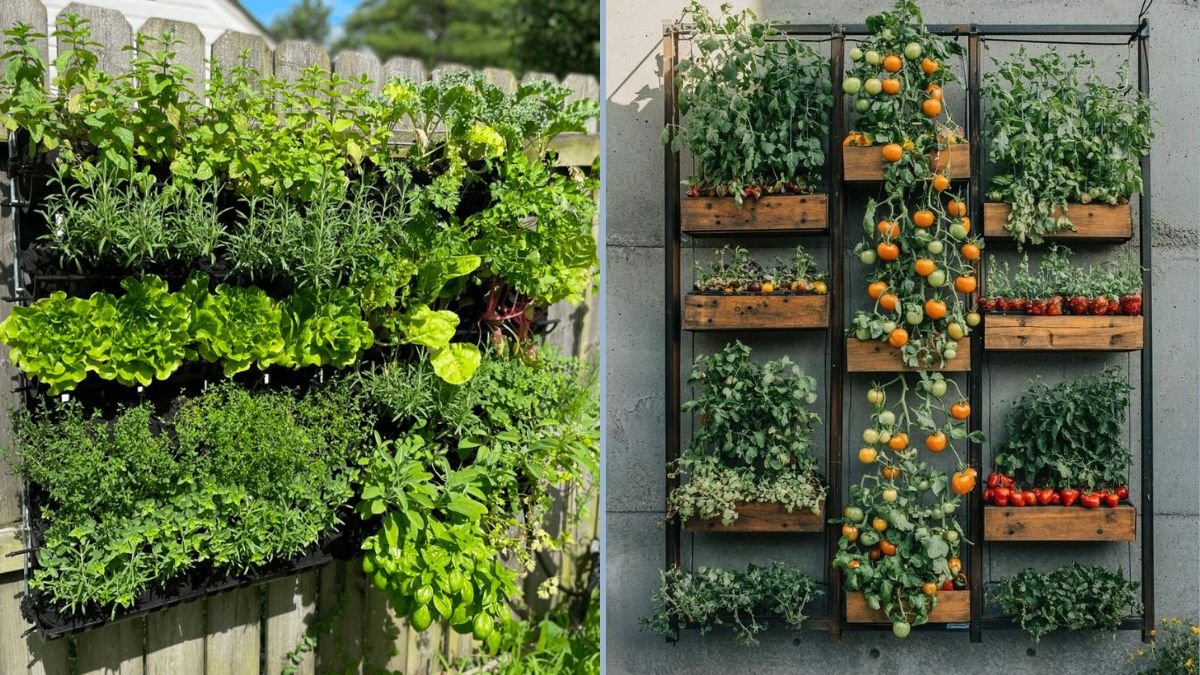
Urban living and limited kitchen space often present challenges for home gardeners seeking to grow fresh, plant-based ingredients. DIY vertical gardens provide an innovative solution, allowing small kitchens to flourish with fresh herbs, leafy greens, and compact vegetables. By utilizing walls, shelves, and hanging systems, vertical gardening maximizes space while delivering continuous access to fresh, aromatic, and nutrient-rich produce.
This article provides a comprehensive guide for creating DIY vertical gardens in small kitchens, covering design ideas, material selection, suitable plants, soil and light requirements, watering, maintenance, harvesting, and creative culinary applications. Following these guidelines ensures productive, aesthetically appealing, and sustainable indoor gardens.
1. Understanding Vertical Gardening
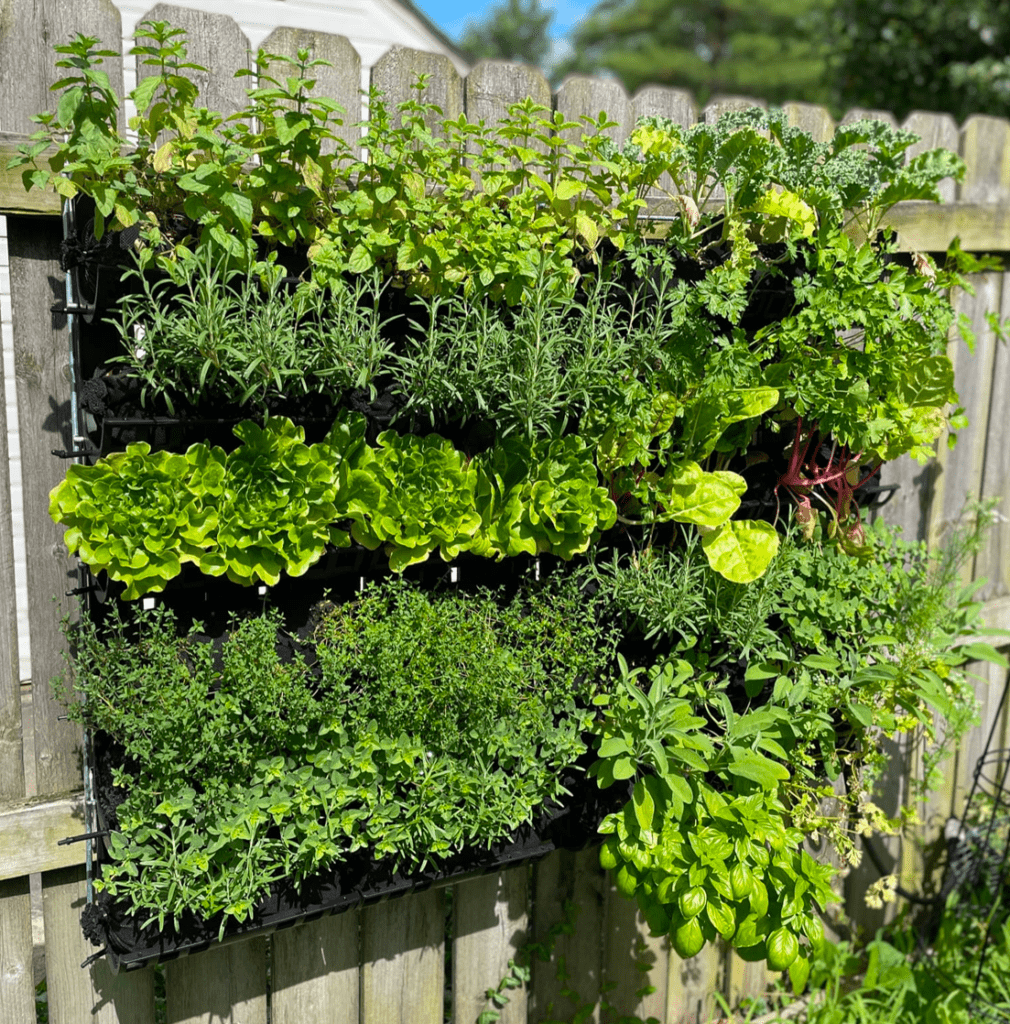
Vertical gardening is a method of growing plants in vertically stacked layers or hanging containers rather than traditional horizontal beds. This approach is ideal for small kitchens because it optimizes limited space while creating a visually striking green feature.
Benefits
- Space Efficiency: Uses walls, shelves, and other vertical surfaces to grow plants
- Accessibility: Keeps fresh herbs and vegetables within arm’s reach
- Aesthetic Appeal: Enhances kitchen décor with greenery
- Sustainability: Encourages home-grown produce, reducing reliance on packaged herbs and vegetables
- Continuous Harvest: Supports year-round growth and supply of fresh ingredients
Vertical gardens transform small kitchen spaces into productive and visually appealing micro-gardens.
2. Planning Your Vertical Garden
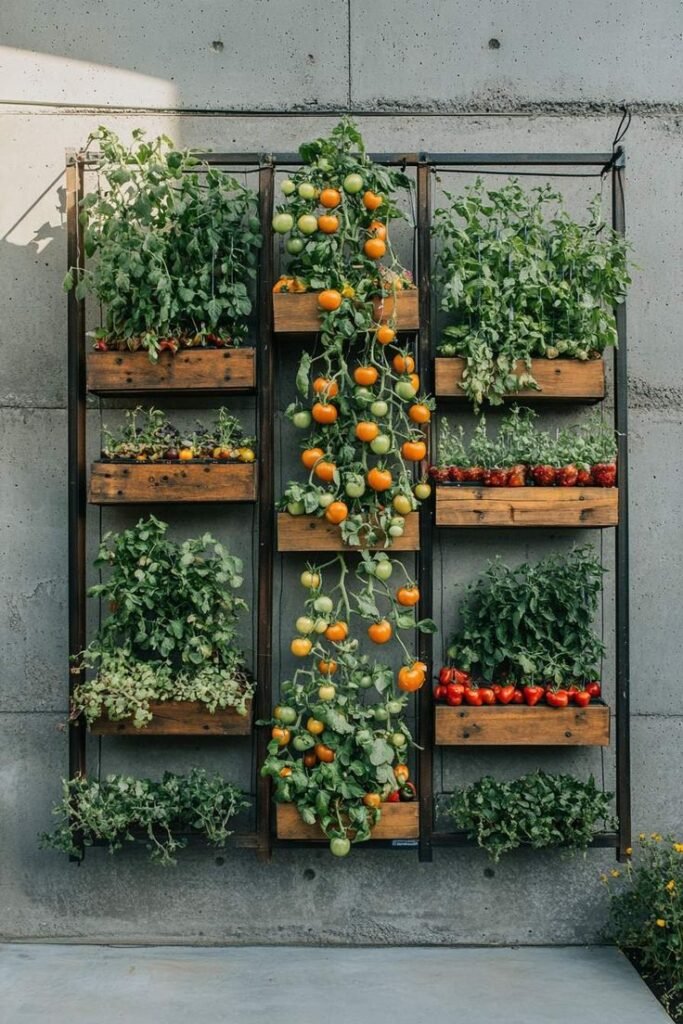
Careful planning ensures a successful and manageable indoor vertical garden.
Key Considerations
- Location: Place the garden near natural light sources such as windows or under artificial grow lights
- Size: Choose a space that accommodates the intended number of plants without overcrowding
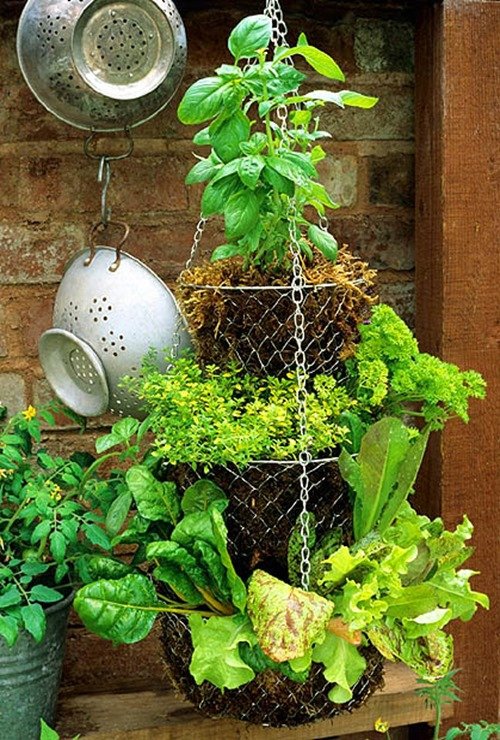
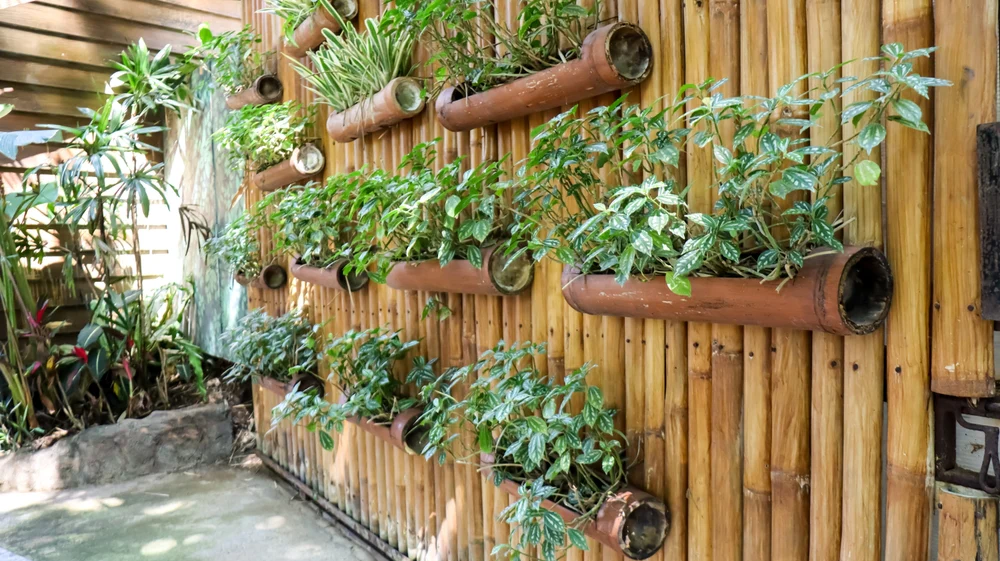
- Structure: Decide between hanging planters, wall-mounted pockets, shelving units, or stacked pots
- Plant Selection: Opt for compact, fast-growing plants suitable for container cultivation
A well-planned vertical garden maximizes growth potential and ease of care.
3. Choosing Plants for Small Kitchen Vertical Gardens
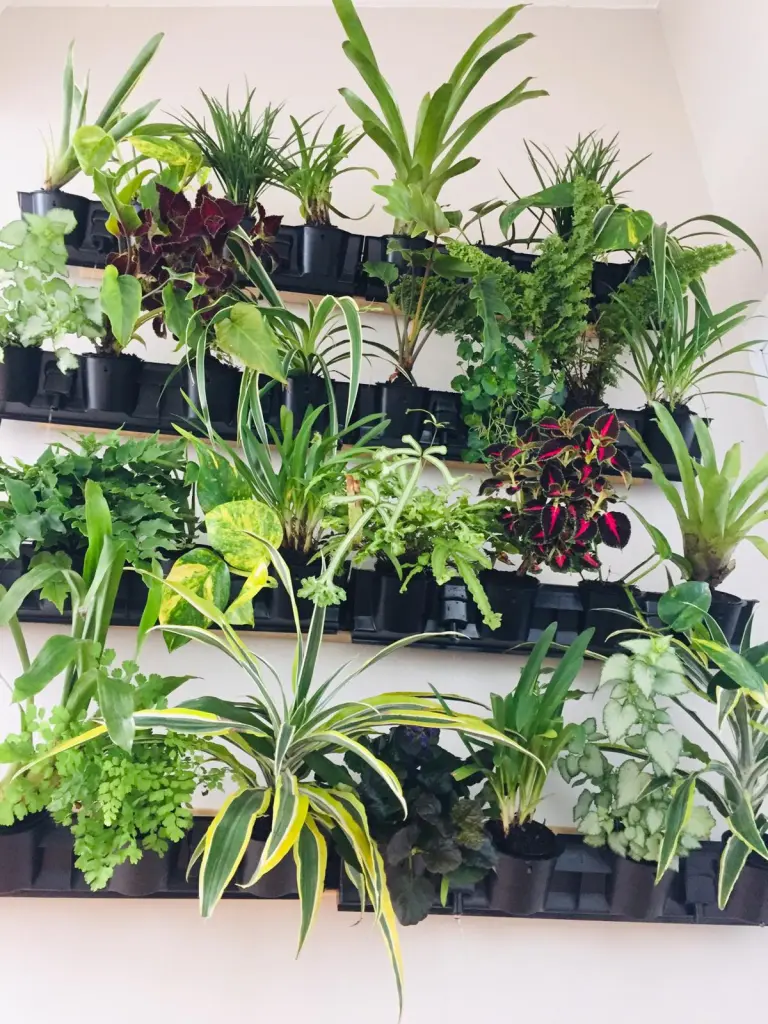
Not all plants thrive in vertical setups. Ideal candidates are compact, fast-growing, and suited to indoor conditions.
Best Choices
- Herbs: Basil, parsley, cilantro, mint, chives, thyme, oregano
- Leafy Greens: Lettuce, spinach, arugula, kale
- Microgreens: Broccoli, radish, mustard, sunflower
- Compact Vegetables: Baby carrots, cherry tomatoes (dwarf varieties), radishes, green onions
These plants grow well in confined spaces, provide continuous harvests, and are perfect for raw or lightly cooked plant-based meals.
4. Materials for DIY Vertical Gardens
Vertical gardens can be made from a variety of materials, ranging from repurposed household items to commercial planting systems:
- Pockets and Wall Planters: Fabric pockets, felt pouches, or recycled shoe organizers
- Hanging Planters: Macramé hangers, recycled jars, or pots suspended from rods or hooks
- Shelving Units: Stackable shelves with pots or containers for layered planting
- Recycled Containers: Mason jars, tin cans, or small pots mounted on boards
Choosing sustainable and lightweight materials ensures durability and easy maintenance.
5. Soil and Potting Considerations
Healthy plants need well-draining, nutrient-rich soil.
Soil Guidelines
- Use light, airy, plant-based potting mixes suitable for container gardening
- Incorporate perlite or coarse sand to improve drainage
- Fertilize with slow-release or liquid organic fertilizers to maintain nutrient supply
Proper soil prevents waterlogging, promotes root health, and ensures vibrant plant growth.
Container Tips
- Ensure containers have drainage holes or a layer of gravel at the bottom
- Avoid overcrowding pots to allow proper airflow and light exposure
- Group plants with similar water and light requirements together
6. Light Requirements
Light is a critical factor for vertical garden productivity.
- Natural Light: Place the garden near south- or east-facing windows for 4–6 hours of sunlight daily
- Artificial Light: Use full-spectrum LED grow lights for 12–14 hours in low-light kitchens
- Rotation: Rotate containers or shelves periodically to ensure even light distribution
Adequate light supports photosynthesis, compact growth, and vibrant flavor in herbs and vegetables.
7. Watering and Maintenance
Vertical gardens require careful watering due to compact containers and limited soil volume.
Watering Tips
- Water when the top 1–2 cm of soil feels dry
- Use drip trays or self-watering systems to prevent spillage
- Mist leafy greens and herbs to maintain humidity and reduce wilting
Maintenance
- Prune regularly to encourage bushy growth and prevent flowering
- Remove yellow or damaged leaves to maintain plant health
- Monitor for pests such as aphids or spider mites and use natural plant-based remedies
Consistent care ensures a healthy, productive vertical garden.
8. Propagation Techniques
Propagation extends the life and productivity of vertical gardens:
- Stem Cuttings: Root herbs like basil, mint, or parsley in water or soil for new plants
- Leaf Cuttings: Certain herbs, such as oregano and thyme, can regenerate from leaves
- Seed Sowing: Sow seeds for microgreens, lettuce, or radishes directly in containers
Propagation allows gardeners to maintain a continuous supply of fresh herbs and vegetables year-round.
9. Harvesting Techniques
Proper harvesting encourages regrowth and prolongs plant life:
- Herbs: Snip outer leaves regularly, leaving inner shoots intact
- Leafy Greens: Harvest outer leaves first; allow inner leaves to continue growing
- Microgreens: Harvest when 2–4 inches tall by cutting just above soil level
Frequent harvesting ensures a constant supply of fresh, tender leaves for smoothies, salads, and cooking.
10. Creative Culinary Applications
Vertical gardens bring fresh, flavorful ingredients to plant-based cooking:
- Salads: Use fresh herbs and leafy greens from the vertical garden for nutrient-rich salads
- Smoothies: Blend herbs such as parsley, basil, or mint with fruits and vegetables
- Stir-Fries: Fresh herbs enhance sautéed vegetables and grain bowls
- Garnishing: Add microgreens and herbs as vibrant, aromatic toppings for soups, sandwiches, or roasted vegetables
- Infusions: Create herb-infused oils, vinegars, or teas for additional flavor
The convenience of a kitchen vertical garden encourages experimentation and creativity in plant-based meals.
11. Advantages of DIY Vertical Gardens in Small Kitchens
- Space Optimization: Ideal for apartments or kitchens with limited counter space
- Sustainability: Encourages home-grown herbs and vegetables, reducing food packaging
- Aesthetic Value: Adds greenery and visual interest to indoor spaces
- Freshness: Continuous access to aromatic, nutrient-rich produce
- Educational Value: Demonstrates plant growth and encourages healthy eating habits
- Culinary Creativity: Supports diverse applications from raw dishes to cooked meals
Vertical gardening is both practical and aesthetically pleasing, making it an ideal choice for modern indoor spaces.
12. Common Mistakes to Avoid
- Overwatering compact containers leading to root rot
- Placing plants in low-light areas, causing weak, leggy growth
- Neglecting pruning, resulting in reduced leaf quality and plant vigor
- Overcrowding pots or pockets, which limits airflow and light penetration
- Ignoring nutrient needs in small containers, leading to nutrient deficiencies
Avoiding these mistakes ensures a productive, vibrant vertical garden.
13. Advanced Tips for Success
- Layering Plants: Place taller plants at the back and shorter ones at the front for maximum light access
- Companion Planting: Pair herbs with leafy greens to enhance growth and flavor
- DIY Irrigation: Install simple drip or capillary watering systems to reduce maintenance
- Decorative Design: Combine plants in color-coordinated arrangements for visual appeal
These techniques optimize growth, aesthetics, and ease of care in vertical gardens.
14. Seasonal Considerations
- Winter: Use supplemental LED lights and maintain indoor temperatures between 18–24°C (64–75°F)
- Spring/Summer: Utilize natural sunlight and ventilate the space to prevent overheating
- Year-Round: Focus on herbs and microgreens, which grow continuously indoors regardless of season
Seasonal adjustments help maintain continuous harvests and plant health throughout the year.
15. Conclusion
DIY vertical gardens provide a practical, sustainable, and creative solution for small kitchens. By planning appropriately, selecting suitable herbs and vegetables, using well-prepared containers, providing adequate light and nutrients, and practicing regular care, home gardeners can cultivate a thriving indoor garden.
Vertical gardens maximize space, provide fresh, nutrient-rich produce, and enhance the aesthetics of small indoor spaces. They encourage healthy eating, sustainable living, and culinary experimentation, allowing cooks to enjoy fresh herbs, leafy greens, and vegetables year-round. With a little creativity and consistent care, small kitchens can transform into productive, beautiful, and flavorful plant-based havens.