Sage (Salvia officinalis) is a highly aromatic, perennial herb valued for its distinct flavor, medicinal properties, and culinary versatility. Known for its earthy, slightly peppery taste, fresh sage enhances plant-based dishes such as soups, stews, sauces, roasted vegetables, and grain-based meals. Growing and using fresh sage at home allows gardeners and cooks to enjoy its vibrant flavor year-round, while also benefiting from its aromatic and visual appeal.
This article provides a comprehensive guide on incorporating fresh sage into everyday plant-based meals, covering indoor and container cultivation, care, harvesting, storage, and practical culinary applications. By following these guidelines, gardeners can maintain healthy, productive sage plants while elevating the flavor and nutrition of their meals.
1. Understanding Sage
Sage is a perennial herb belonging to the mint family (Lamiaceae), native to the Mediterranean region. It is renowned for its gray-green, slightly fuzzy leaves, fragrant aroma, and subtle medicinal properties. Sage thrives in sunny, well-drained conditions and is hardy, making it an excellent choice for both indoor and outdoor gardens.
Key Characteristics
- Woody stems with soft, aromatic leaves
- Compact, bushy growth ideal for pots and containers
- Hardy and drought-tolerant, suitable for small-space gardening
- Nutritionally rich, containing antioxidants, vitamins A, C, and K
Understanding these traits is essential for successful indoor cultivation and optimal culinary use.
2. Selecting the Right Sage Variety
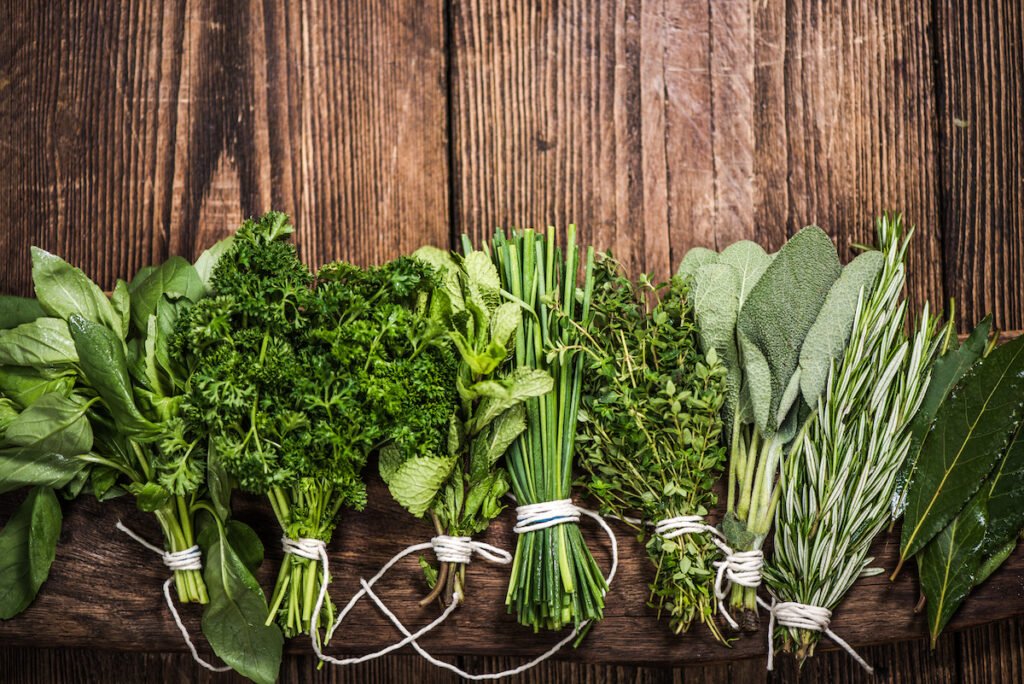
Different sage varieties offer unique flavors, growth habits, and culinary uses:
- Common Culinary Sage (Salvia officinalis): Traditional herb with earthy, robust flavor
- Purple Sage: Decorative variety with slightly milder taste, ideal for garnishing
- Tricolor Sage: Variegated leaves, visually appealing and flavorful
- Golden Sage: Mild flavor, suitable for salads and delicate sauces
- Pineapple Sage (Salvia elegans): Sweet, fruity aroma, excellent for teas and desserts
Choosing the appropriate variety ensures compatibility with your kitchen needs and container setup.
3. Growing Fresh Sage in Containers
Sage adapts well to container gardening, making it ideal for kitchens, windowsills, or balconies.
Container Requirements
- Size: At least 6–8 inches deep to accommodate root development
- Material: Terracotta or ceramic containers for better aeration; plastic pots can also be used
- Drainage: Essential—ensure containers have drainage holes or add a gravel layer
Placement
- Position containers in a sunny spot with at least 6 hours of direct light daily
- Rotate pots regularly to ensure uniform growth
Proper container selection supports healthy roots, prevents waterlogging, and maintains compact, bushy plants.
4. Soil Requirements
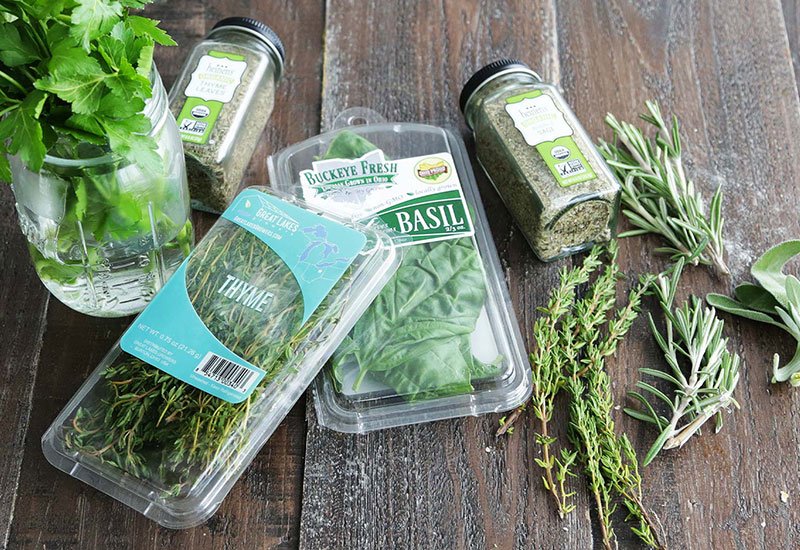
Sage prefers nutrient-rich, well-draining soil to prevent root rot and encourage aromatic leaf production.
Soil Guidelines
- Use a sandy, loamy, plant-based potting mix
- Incorporate perlite or coarse sand to improve drainage
- Avoid heavy, water-retentive soils
Soil Layering
- Drainage layer: Small pebbles or gravel at the bottom of the pot
- Potting mix: Well-draining, nutrient-rich medium
- Soil level: Leave 1–2 inches below the pot rim to prevent overflow when watering
Healthy soil ensures robust growth and flavorful leaves suitable for everyday meals.
5. Light Requirements for Sage
Adequate sunlight is essential for indoor sage to develop aromatic leaves and compact growth.
Light Guidelines
- Direct Sunlight: 6–8 hours per day from a south- or west-facing window
- Supplemental Lighting: LED grow lights for 12–14 hours in low-light conditions
- Rotation: Turn pots weekly for uniform exposure and leaf development
Sufficient light enhances essential oil production, flavor, and overall plant health.
6. Watering and Humidity
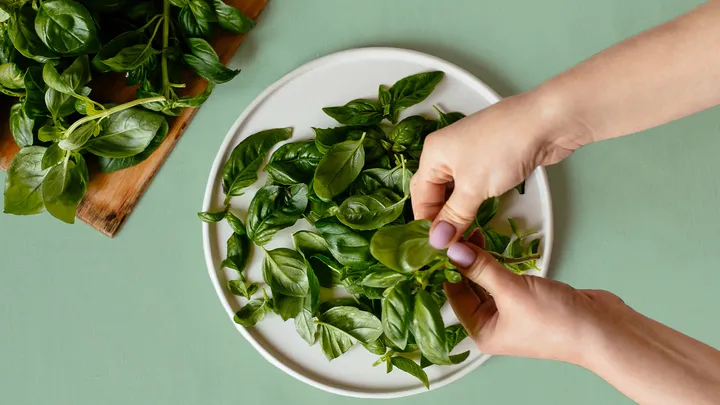
Sage is drought-tolerant and prefers slightly dry soil conditions.
Watering Guidelines
- Water when the top 1–2 cm of soil feels dry
- Avoid overwatering, which can cause root rot and fungal infections
- Ensure containers have drainage holes
Humidity
- Low to moderate humidity is ideal
- Provide good airflow to prevent mold and fungal issues
Proper watering and humidity control support aromatic leaves and healthy plant growth.
7. Fertilization and Care
Sage requires minimal fertilization, making it a low-maintenance herb.
Fertilization Guidelines
- Apply plant-based compost tea or diluted organic fertilizer every 4–6 weeks
- Avoid over-fertilization, which can reduce flavor intensity
- Light feeding encourages consistent leaf production without excessive stem elongation
Balanced nutrition promotes aromatic, flavorful leaves for everyday cooking.
8. Pruning and Maintenance
Regular pruning encourages bushy growth and prevents woody stems.
Pruning Tips
- Trim stems 2–3 inches above the soil level
- Remove yellow, damaged, or dead leaves
- Pinch flower buds if the goal is maximum leaf harvest, as flowering can reduce leaf flavor
Maintenance
- Inspect regularly for pests like aphids or spider mites
- Maintain airflow around containers to prevent fungal growth
- Rotate pots for even sunlight exposure
Routine care prolongs plant life and enhances culinary quality.
9. Propagation of Sage
Propagation allows gardeners to maintain a continuous supply of fresh sage.
Propagation Methods
- Stem Cuttings: Cut 3–4 inches of healthy stems, remove lower leaves, root in water or moist soil, then transplant
- Division: Separate mature plants and repot individually
- Seed Sowing: Sow seeds in well-draining soil, keep moist until germination (10–14 days)
Propagation ensures a sustainable source of aromatic leaves for cooking.
10. Harvesting Fresh Sage
Proper harvesting maximizes flavor and preserves plant health.
Harvesting Guidelines
- Harvest in the morning when essential oils are most concentrated
- Cut outer leaves first to encourage new growth
- Avoid removing more than one-third of the plant at a time
Frequent harvesting produces fresh, aromatic leaves suitable for everyday meals.
11. Storing Fresh Sage
Fresh sage can be used immediately or stored for later use.
Short-Term Storage
- Wrap leaves in a damp paper towel and refrigerate in airtight containers for up to 5 days
- Place stems in a jar with water in the refrigerator for extended freshness
Long-Term Storage
- Air dry or use a low-temperature dehydrator, store in airtight jars
- Freeze leaves in ice cube trays with water or plant-based oils for infusions
Proper storage retains flavor, aroma, and nutritional properties for plant-based meals.
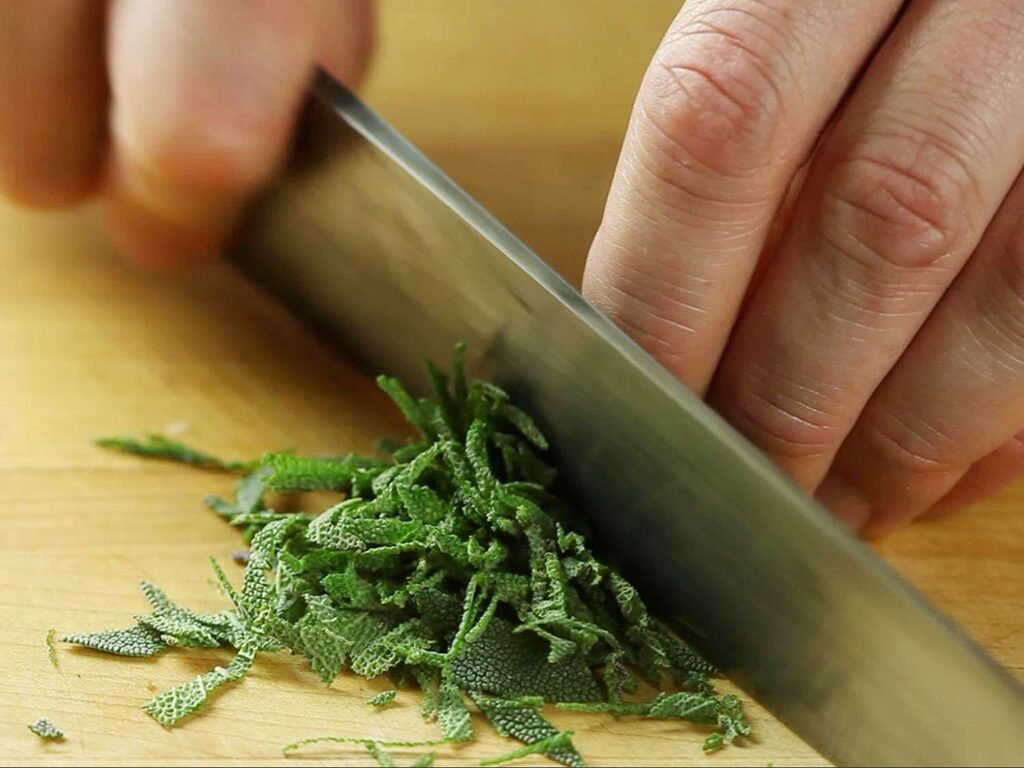
12. Culinary Uses of Fresh Sage
Sage adds earthy, aromatic flavor to a wide variety of plant-based dishes:
- Soups and Stews: Enhances lentil, bean, and vegetable soups
- Roasted Vegetables: Complements potatoes, carrots, squash, and root vegetables
- Grain Dishes: Stir into quinoa, rice, or couscous for aromatic flavor
- Sauces: Combine with plant-based butter, olive oil, or cashew cream for savory sauces
- Herbal Teas: Infuse fresh leaves with mint or chamomile for calming beverages
- Herb Blends: Mix with rosemary, thyme, and oregano for layered flavor profiles
Fresh sage elevates everyday meals by adding aroma, depth, and a distinctive taste.
13. Benefits of Growing Fresh Sage
- Flavor Enhancement: Strong, earthy aroma improves plant-based dishes
- Nutritional Value: Rich in antioxidants, vitamins, and bioactive compounds
- Aesthetic Appeal: Attractive foliage enhances indoor spaces
- Aromatic Properties: Soothing fragrance improves indoor ambiance
- Sustainability: Reduces reliance on store-bought dried herbs
- Culinary Flexibility: Suitable for teas, sauces, grains, and roasted vegetables
Indoor sage cultivation provides both functional and aesthetic benefits.
14. Common Mistakes to Avoid
- Overwatering or planting in poorly drained containers
- Insufficient light causing leggy, weak growth
- Neglecting pruning, resulting in woody stems and reduced leaf flavor
- Harvesting too heavily, limiting regrowth
- Ignoring pest monitoring and airflow, leading to fungal infections
Avoiding these mistakes ensures productive, flavorful sage plants year-round.
15. Conclusion
Growing and using fresh sage in everyday meals is practical, rewarding, and sustainable. By selecting appropriate varieties, providing proper containers and soil, maintaining optimal light and water, and practicing regular pruning, propagation, harvesting, and storage, gardeners can enjoy a continuous supply of aromatic leaves.
Fresh sage enhances the flavor, aroma, and nutritional value of plant-based dishes, from soups and roasted vegetables to grain bowls, sauces, and teas. Indoor or container cultivation ensures year-round availability, making this versatile herb a valuable addition to any kitchen herb collection. By incorporating sage into daily meals, home cooks can elevate plant-based cooking while enjoying the aesthetic, aromatic, and culinary benefits of this beloved herb.