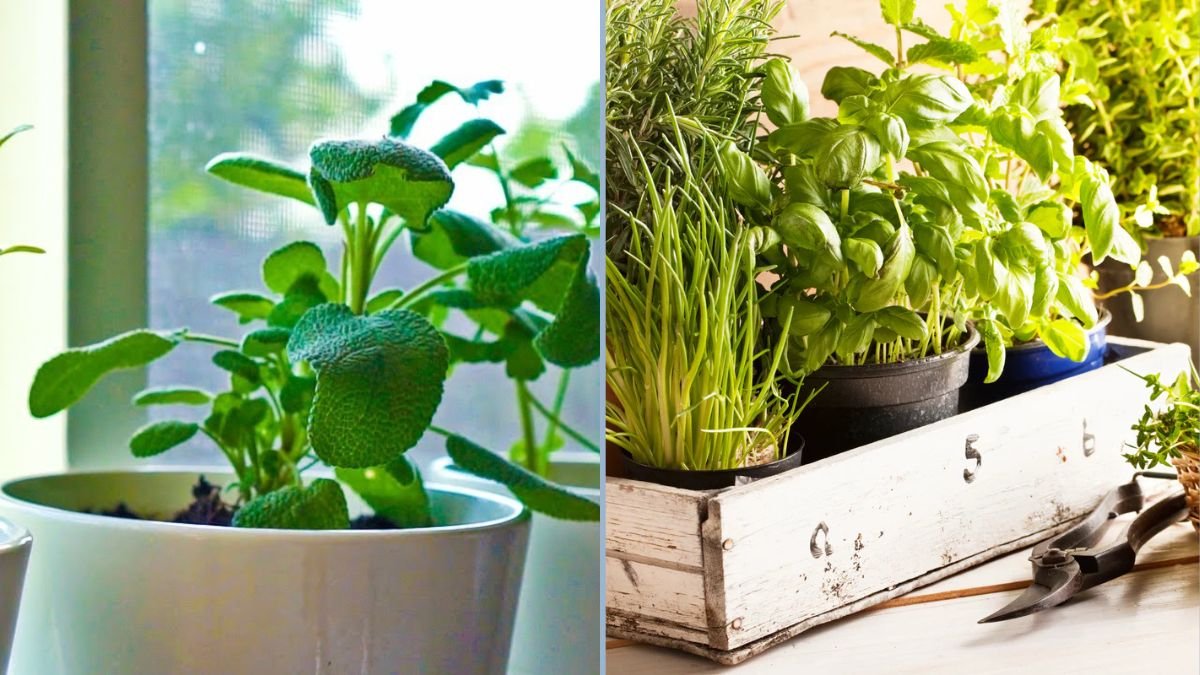
Fresh herbs add flavor, aroma, and nutrition to your meals, but buying them from stores can be expensive, and they often don’t last long. The good news is that many herbs can thrive indoors, even on a small kitchen counter. With minimal space, sunlight, and care, you can have a steady supply of fresh herbs at your fingertips year-round.
In this guide, we’ll explore 10 herbs you can easily grow indoors on your kitchen counter, along with tips on planting, care, and harvesting to ensure they stay healthy and productive.
Why Grow Herbs Indoors?
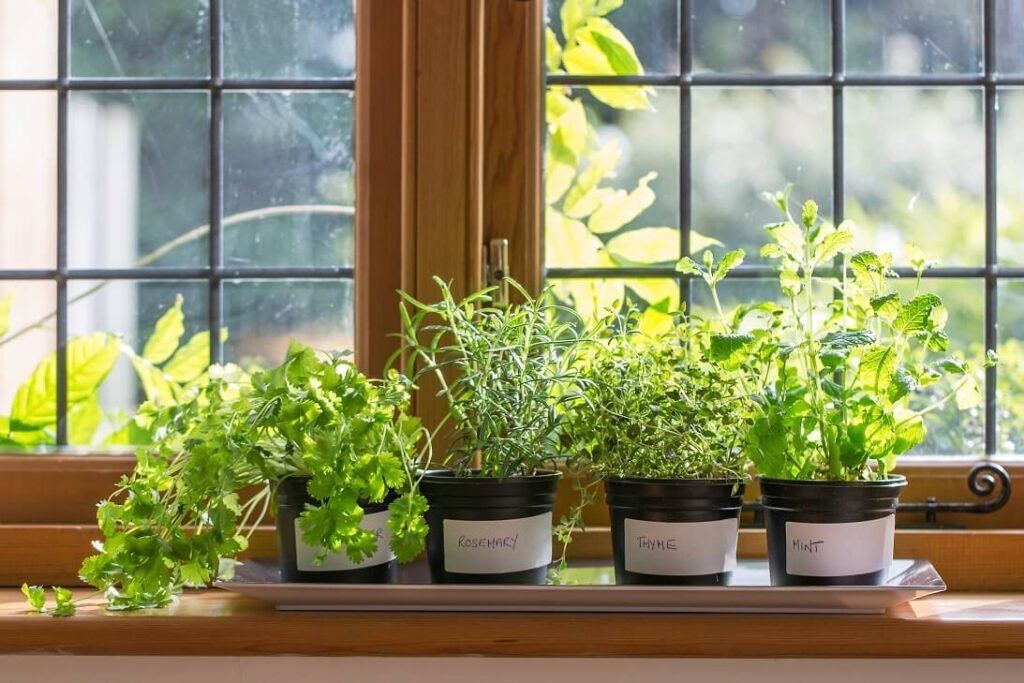
Growing herbs indoors has several benefits:
- Convenience: Fresh herbs are available whenever you need them.
- Cost-effective: Save money on store-bought herbs that spoil quickly.
- Health benefits: Fresh herbs are packed with vitamins, minerals, and antioxidants.
- Aesthetic appeal: Green plants brighten up your kitchen and improve air quality.
- Pest control: Indoor herbs are less prone to pests and diseases than outdoor plants.
Whether you’re a seasoned cook or a beginner gardener, indoor herb gardening is a simple way to elevate your meals while enjoying fresh greenery.
Materials You’ll Need
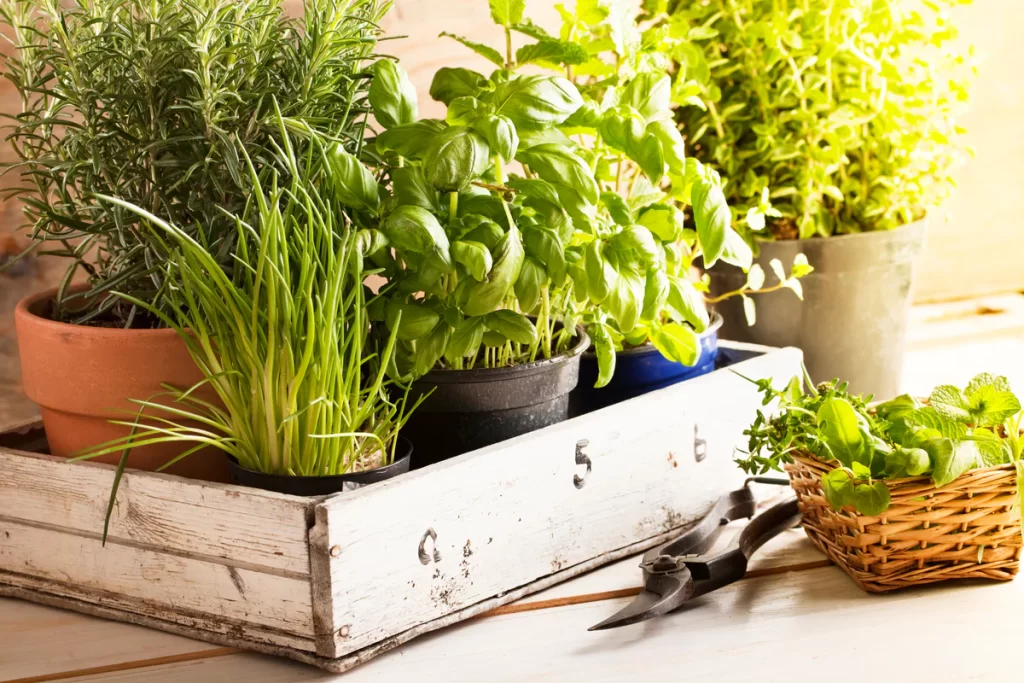
Before you start, gather a few basic materials:
- Small pots or containers with drainage holes
- Quality potting soil or seed-starting mix
- Herb seeds or seedlings
- Watering can or spray bottle
- A sunny windowsill or grow lights (optional)
With these items, you can turn any kitchen counter into a thriving herb garden.
1. Basil
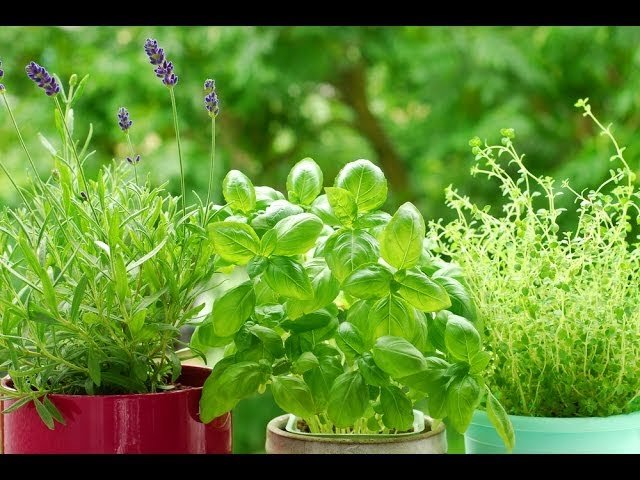
Basil is one of the most popular culinary herbs, perfect for pasta, salads, and sauces.
- Growing tips: Requires 6–8 hours of sunlight daily. Keep the soil consistently moist but not waterlogged.
- Harvesting: Pinch off leaves regularly to encourage bushy growth.
- Varieties: Sweet basil, Thai basil, and lemon basil are all suitable for indoor growth.
Basil thrives in warm conditions, so a sunny kitchen counter or near a bright window is ideal.
2. Mint
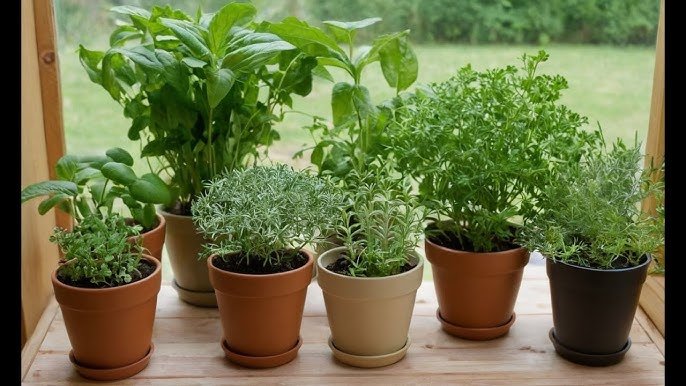
Mint is aromatic, refreshing, and perfect for teas, desserts, and cocktails.
- Growing tips: Mint prefers indirect sunlight and can tolerate slightly wetter soil. Plant in a separate container to prevent spreading.
- Harvesting: Trim leaves regularly, starting from the top, to encourage new growth.
- Varieties: Peppermint, spearmint, and chocolate mint are excellent choices.
Mint grows quickly and is very forgiving, making it perfect for beginner gardeners.
3. Parsley
Parsley is versatile, often used as a garnish or in salads, soups, and sauces.
- Growing tips: Requires 4–6 hours of sunlight per day. Keep soil moist and fertilize lightly every few weeks.
- Harvesting: Cut outer leaves first, allowing the inner leaves to grow.
- Varieties: Curly parsley and flat-leaf (Italian) parsley are both suitable for indoor growth.
Parsley grows steadily and adds a vibrant green touch to your kitchen.
4. Chives
Chives are mild, onion-flavored herbs perfect for soups, omelets, and baked dishes.
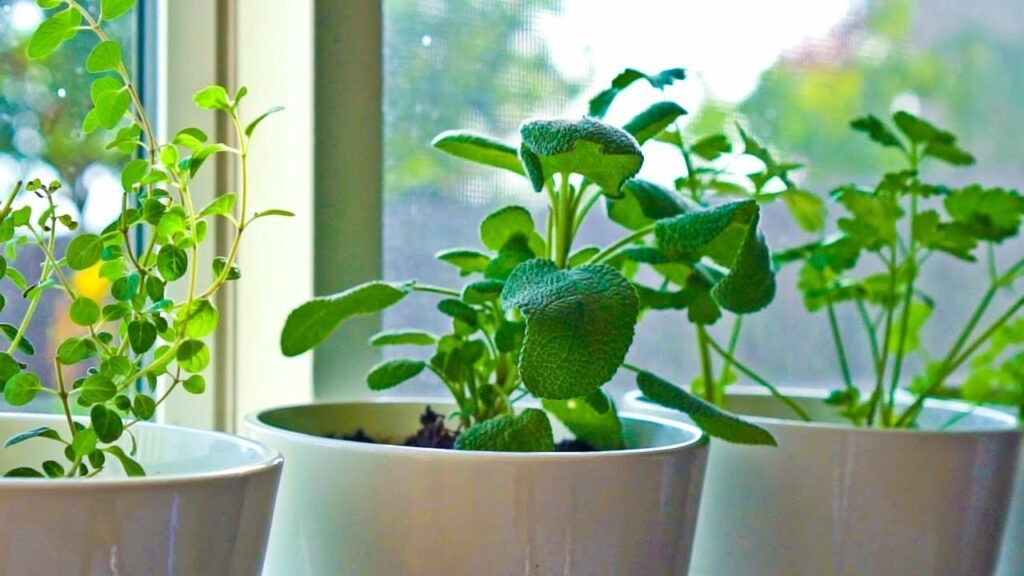
- Growing tips: Requires 6 hours of sunlight daily. Keep soil lightly moist and well-drained.
- Harvesting: Snip leaves near the base to encourage new growth.
- Varieties: Common chives and garlic chives are both ideal for indoor cultivation.
Chives are hardy and low-maintenance, making them ideal for kitchen counters.
5. Cilantro (Coriander)
Cilantro is widely used in salads, salsas, curries, and garnishes.
- Growing tips: Prefers indirect sunlight and cooler temperatures. Keep soil consistently moist but not soggy.
- Harvesting: Pick leaves regularly to prevent bolting (going to seed).
- Tip: Sow seeds every few weeks for a continuous supply.
Cilantro has a short growing cycle, so frequent planting ensures fresh leaves year-round.
6. Oregano
Oregano is a robust, flavorful herb commonly used in Italian and Mediterranean dishes.
- Growing tips: Requires 6–8 hours of sunlight daily. Allow soil to dry slightly between watering.
- Harvesting: Trim leaves as needed; regular harvesting promotes bushy growth.
- Varieties: Greek oregano and Italian oregano are ideal for indoor growth.
Oregano is hardy and can thrive in smaller containers with minimal maintenance.
7. Thyme
Thyme is aromatic, adds depth to roasted dishes, soups, and stews.
- Growing tips: Needs bright sunlight for 6–8 hours daily. Water sparingly; thyme prefers slightly dry soil.
- Harvesting: Snip sprigs as needed, cutting near the base to encourage new growth.
- Varieties: Common thyme and lemon thyme are excellent indoor options.
Thyme grows slowly but steadily, providing flavorful leaves throughout the year.
8. Rosemary
Rosemary is fragrant and pairs beautifully with roasted meats, potatoes, and breads.
- Growing tips: Needs bright, direct sunlight for 6–8 hours. Water only when the soil is dry to avoid root rot.
- Harvesting: Trim stems regularly; avoid cutting more than one-third of the plant at a time.
- Varieties: Upright rosemary and creeping rosemary are suitable for pots.
Rosemary is drought-tolerant and long-lived, making it perfect for consistent indoor harvests.
9. Sage
Sage adds a savory flavor to meats, stuffing, and sauces.
- Growing tips: Requires 6–8 hours of sunlight daily. Use well-draining soil and avoid overwatering.
- Harvesting: Snip leaves from the outer parts of the plant. Avoid cutting the central growth tip.
- Varieties: Common sage and purple sage are both great for indoor gardens.
Sage is aromatic and hardy, thriving indoors with minimal effort.
10. Lemon Balm
Lemon balm has a mild lemon flavor, perfect for teas, desserts, and garnishes.
- Growing tips: Prefers indirect sunlight. Keep soil moist but well-draining.
- Harvesting: Trim leaves regularly; frequent harvesting encourages bushy growth.
- Tip: Lemon balm can grow quickly; trim often to prevent it from taking over other herbs.
Lemon balm’s refreshing scent adds a pleasant aroma to your kitchen and meals.
Tips for Successful Indoor Herb Gardening
- Choose the right containers: Ensure pots have drainage holes to prevent waterlogging.
- Sunlight is key: Most herbs need 4–8 hours of light daily. Use grow lights if natural sunlight is limited.
- Proper watering: Avoid overwatering; herbs prefer slightly moist but not soggy soil.
- Regular pruning: Snip herbs frequently to encourage new growth and prevent flowering.
- Use quality soil: A well-draining, nutrient-rich potting mix promotes healthy roots and foliage.
- Fertilize occasionally: Light feeding with organic liquid fertilizer every 4–6 weeks supports growth.
- Rotate pots: Turn plants regularly to ensure even sunlight exposure and prevent leggy growth.
Following these tips ensures your kitchen herbs remain healthy, lush, and flavorful.
Benefits of Growing Herbs Indoors
- Fresh flavor: Add vibrant taste to meals without relying on store-bought herbs.
- Health boost: Herbs contain antioxidants, vitamins, and minerals beneficial for wellness.
- Cost savings: Growing your own herbs reduces recurring grocery expenses.
- Aesthetic value: Herbs add greenery and a fresh scent to your kitchen.
- Educational and fun: Indoor herb gardening is a great activity for families, teaching children about plants and nutrition.
Indoor herbs transform your kitchen into a mini herb garden, combining beauty, health, and culinary benefits.
Final Thoughts
Growing herbs indoors on your kitchen counter is easy, practical, and rewarding. With the right seeds, containers, sunlight, and care, you can enjoy a continuous supply of fresh herbs for your cooking. From basil and mint to rosemary and lemon balm, these 10 herbs are beginner-friendly, space-efficient, and perfect for urban gardeners.
By growing herbs at home, you not only enhance the flavor of your meals but also save money, promote sustainability, and add greenery to your indoor space. Whether you’re a seasoned cook or just starting your culinary journey, cultivating these herbs on your kitchen counter ensures that fresh, aromatic ingredients are always within reach.
Start small, choose a sunny spot, and watch as your kitchen transforms into a thriving herb garden that delights your senses and elevates every dish you prepare.