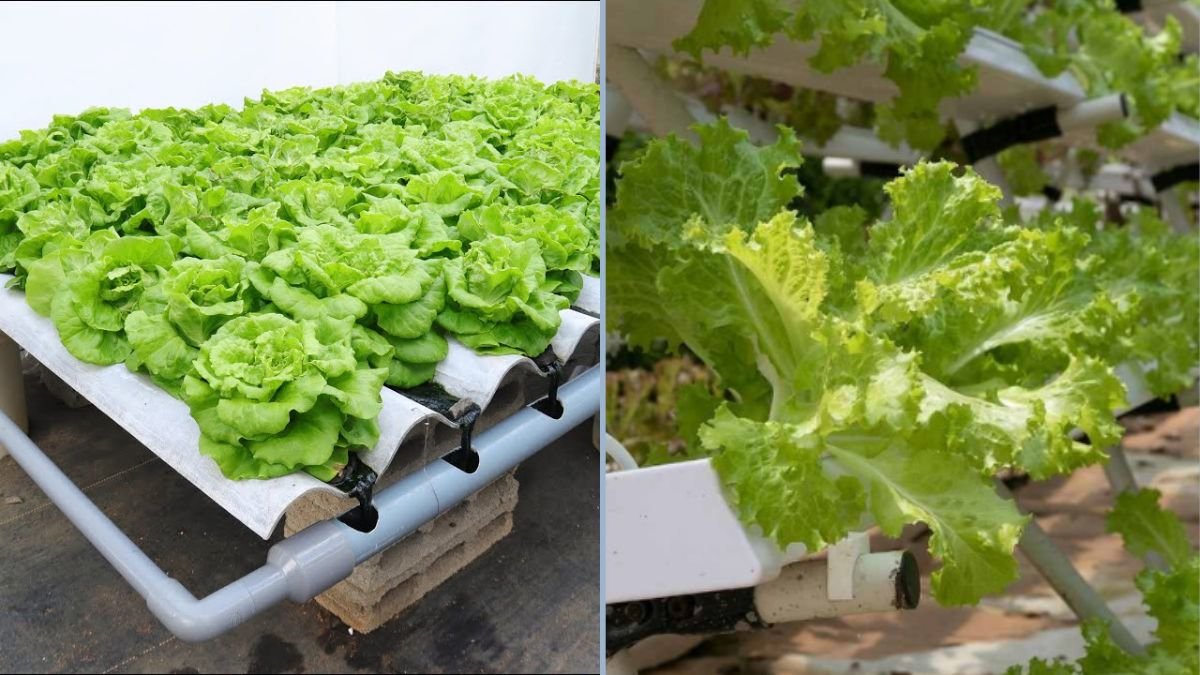
Urban gardening has become a popular trend in recent years, and innovative methods are emerging that allow anyone to grow fresh vegetables at home, even without traditional soil or frequent watering. One such unique method is cultivating vegetables directly on corrugated iron roofs. This approach is not only space-saving but also sustainable, making use of areas often considered unproductive. In this article, we’ll explore how this method works, the benefits it offers, and step-by-step guidance to create your own rooftop garden without soil or daily watering.
The Concept: Growing Vegetables Without Soil
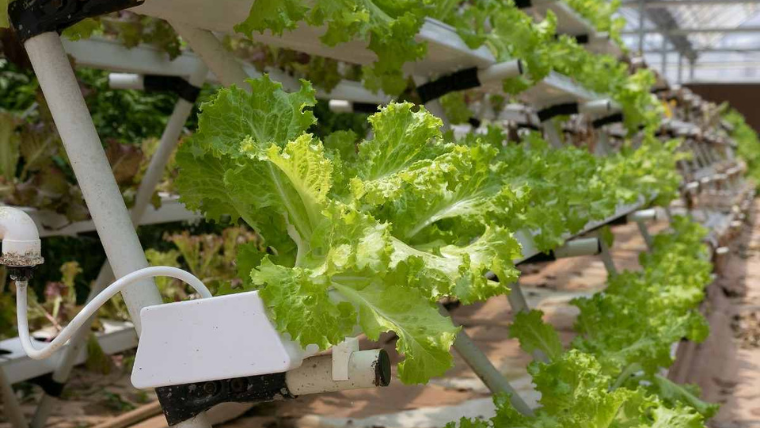
Traditional gardening requires soil as a medium to provide nutrients, retain water, and support plant roots. However, modern techniques such as hydroponics, aeroponics, and innovative rooftop cultivation are challenging this norm.
In the corrugated iron roof method:
- Vegetables are grown using water-retentive mediums that store moisture, such as cocopeat, vermiculite, or specialized grow mats.
- Roots are supported on lightweight trays or containers placed on the roof surface.
- Nutrients are supplied through pre-mixed nutrient solutions or slow-release fertilizers embedded in the medium.
This system eliminates the need for soil while ensuring plants receive adequate water and nutrients through stored moisture.
Why Corrugated Iron Roofs Are Ideal
Corrugated iron roofs, commonly found in urban areas, may seem inhospitable for gardening, but they have several advantages:
- Abundant sunlight: Roofs receive plenty of direct sunlight, essential for photosynthesis and rapid vegetable growth.
- Unused space utilization: Transforming roofs into gardens maximizes limited urban spaces.
- Easy installation: Lightweight trays or containers can be placed on the roof without complex structures.
- Drainage benefits: The sloped design of corrugated roofs allows excess water to drain naturally, preventing waterlogging.
With the right setup, corrugated iron roofs can become highly productive gardening spaces, even in cities with limited ground-level areas.
Advantages of Growing Vegetables on Roofs
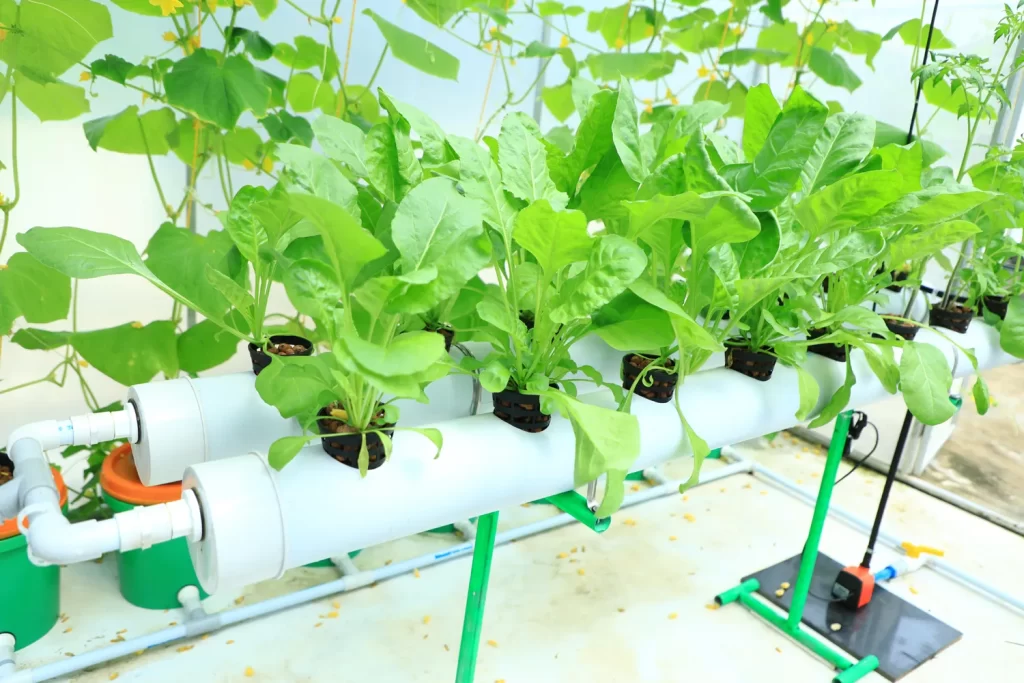
- No daily watering: Using water-retentive mediums or slow-release water packs means plants can thrive without frequent watering.
- Soil-free cultivation: Reduces the mess and eliminates soil-borne pests or diseases.
- Space efficiency: Even small rooftops can yield a surprising amount of vegetables.
- Reduced pest problems: Elevated gardens are less accessible to ground-dwelling pests.
- Urban sustainability: Rooftop gardens improve air quality, reduce heat absorption, and provide locally grown fresh produce.
This method demonstrates that gardening can be both innovative and environmentally friendly, turning neglected urban areas into productive green spaces.
Materials Needed for Rooftop Vegetables
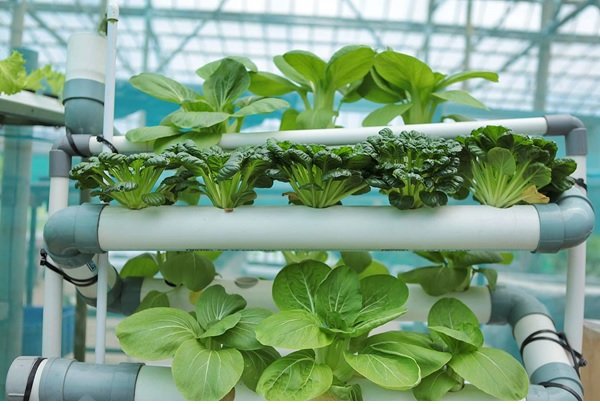
To start your corrugated roof vegetable garden, gather the following materials:
- Corrugated iron roof with adequate sunlight exposure.
- Water-retentive medium: Cocopeat, vermiculite, or hydrogel mats.
- Lightweight trays or containers: To hold the medium and support plant roots.
- Vegetable seeds or seedlings: Leafy greens like lettuce, spinach, pakcoy, and herbs are ideal.
- Nutrient solutions: Pre-mixed hydroponic solutions or slow-release fertilizers.
- Shade cloth (optional): Protect plants from excessive heat during peak sun.
- Supports: Small stakes or trellises for climbing vegetables if needed.
With these materials, you can create a low-maintenance, soil-free garden on almost any flat or sloped rooftop.
Step 1: Preparing the Roof
- Clean the roof surface: Remove debris and ensure it is stable and safe to walk on.
- Install trays or containers: Place lightweight trays or containers directly on the corrugated roof. Ensure they are level and secure to prevent slipping.
- Add water-retentive medium: Fill trays with cocopeat, vermiculite, or hydrogel mats, which store moisture and nutrients for the plants.
Preparation is critical to ensure plants have a stable and nutrient-rich environment to grow, even without soil.
Step 2: Planting Vegetables
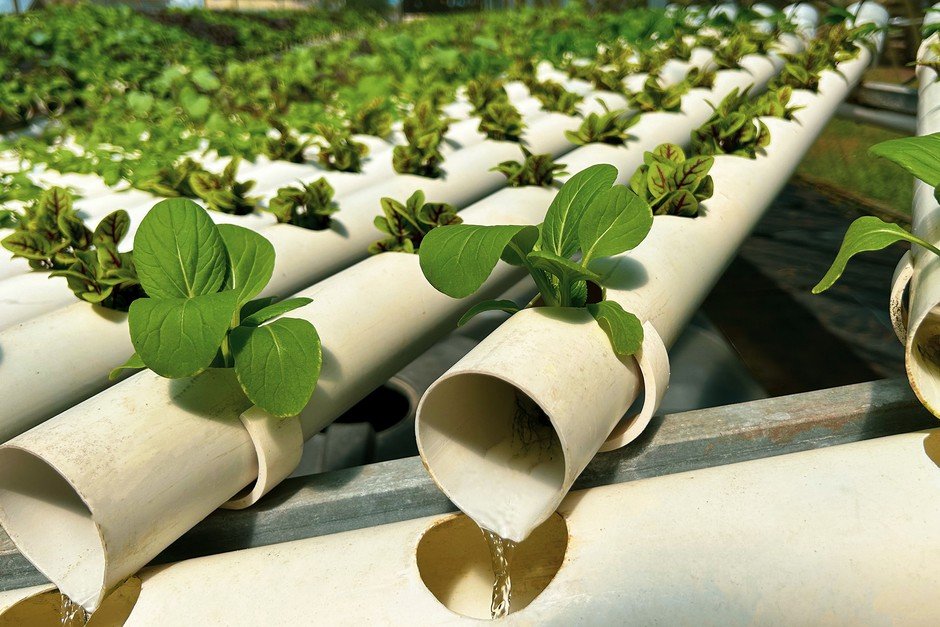
- Select suitable crops: Leafy greens, herbs, and small vegetables perform best in shallow mediums.
- Plant seeds or seedlings: Place them in the water-retentive medium, ensuring roots are in contact with the moisture-storing material.
- Arrange spacing properly: Give each plant enough space for growth and airflow to prevent overcrowding.
Proper planting ensures healthy growth and maximizes the yield from limited rooftop space.
Step 3: Nutrient Management
Without soil, vegetables rely entirely on the nutrients provided through water-retentive mediums and fertilizers:
- Slow-release fertilizers: Embed granules or nutrient capsules within the medium to supply continuous nutrients.
- Liquid nutrient solution: Occasionally pour diluted nutrient solutions over the medium to enhance growth.
- Monitor plant health: Yellowing leaves or stunted growth may indicate nutrient deficiencies. Adjust nutrient supply accordingly.
By providing consistent nutrients, plants can grow robustly without needing daily watering.
Step 4: Water Management
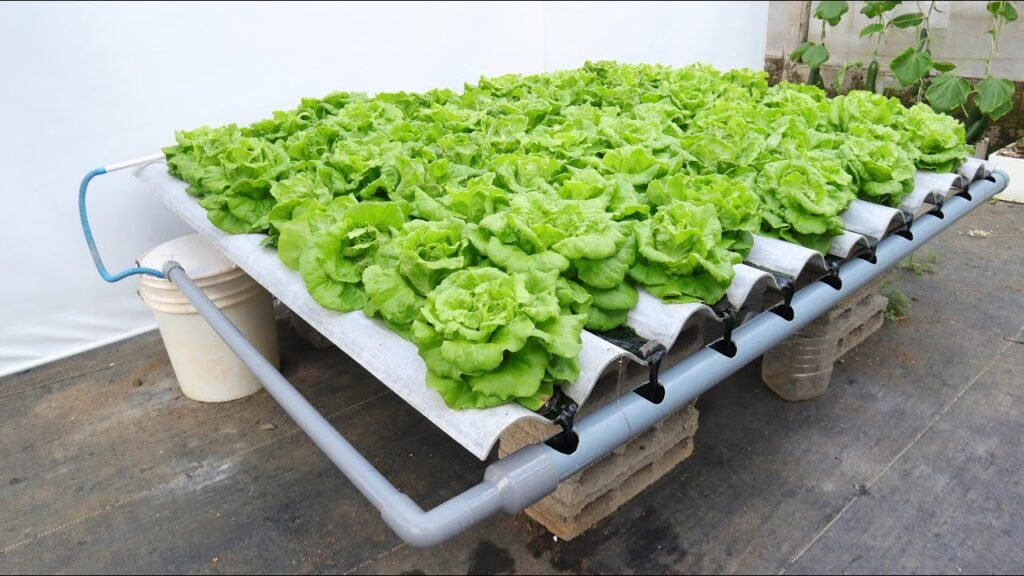
One of the unique aspects of this method is minimal watering:
- Use water-retentive mediums: Cocopeat, vermiculite, and hydrogel mats absorb water and release it slowly to plant roots.
- Initial watering: Moisten the medium thoroughly at planting.
- Rainwater utilization: Corrugated roofs collect rain naturally, helping supplement water needs.
- Drainage check: Ensure trays allow excess water to drain, preventing root rot.
This system drastically reduces the need for regular watering, making it perfect for busy urban gardeners.
Step 5: Sunlight and Temperature
Vegetables grown on roofs benefit from abundant sunlight, but excessive heat can stress plants:
- Monitor exposure: Leafy greens prefer partial sunlight, whereas some herbs thrive in full sun.
- Use shade cloth if needed: Protect sensitive crops during peak afternoon hours.
- Temperature tolerance: Water-retentive mediums help maintain a stable root temperature, buffering against heat.
Balancing sunlight and temperature ensures plants remain healthy and productive.
Suitable Vegetables for Rooftop Hydroponics
Some vegetables perform exceptionally well in this soil-free, low-water system:
- Leafy greens: Lettuce, pakcoy, kale, and spinach.
- Herbs: Basil, mint, parsley, and cilantro.
- Small fruiting vegetables: Cherry tomatoes, peppers, and small eggplants (with trellis support).
Choosing crops suited to the shallow medium and limited water ensures maximum yield and minimal maintenance.
Benefits of This Method for Urban Gardening
- Efficient use of space: Even small rooftops can produce a substantial amount of fresh vegetables.
- Eco-friendly: Reduces water consumption, minimizes soil use, and utilizes recycled materials like trays and containers.
- Accessible gardening: Ideal for apartment dwellers, urban spaces, and community projects.
- Healthier produce: Vegetables grown on rooftops are clean, chemical-free, and highly nutritious.
- Low maintenance: Minimal watering and no soil-related pests make this method easy for beginners.
This method proves that innovative urban farming can be productive, sustainable, and practical.
Tips for Success
- Use high-quality seeds or seedlings for faster growth.
- Check the medium moisture regularly to ensure roots don’t dry out.
- Rotate crops seasonally to maintain soil-free nutrient balance.
- Protect against strong winds: Lightweight trays can shift or spill; secure them properly.
- Harvest regularly: Leafy greens and herbs benefit from frequent picking, promoting continuous growth.
By following these tips, rooftop vegetables can thrive with minimal effort.
Final Thoughts
Growing vegetables on corrugated iron roofs without soil or daily watering is a revolutionary approach for urban gardeners. By utilizing water-retentive mediums, slow-release nutrients, and lightweight trays, anyone can turn underutilized rooftops into productive gardens.
This method not only saves space and water but also encourages sustainability and self-sufficiency. Leafy greens, herbs, and small vegetables can thrive in this system, providing fresh, nutritious produce year-round.
Urban dwellers no longer need to worry about limited land or daily maintenance—rooftop gardening with no soil and minimal watering opens a new frontier for sustainable urban agriculture. By adopting this innovative technique, you can enjoy the satisfaction of harvesting fresh vegetables directly from your roof, while contributing to a greener, healthier city environment.