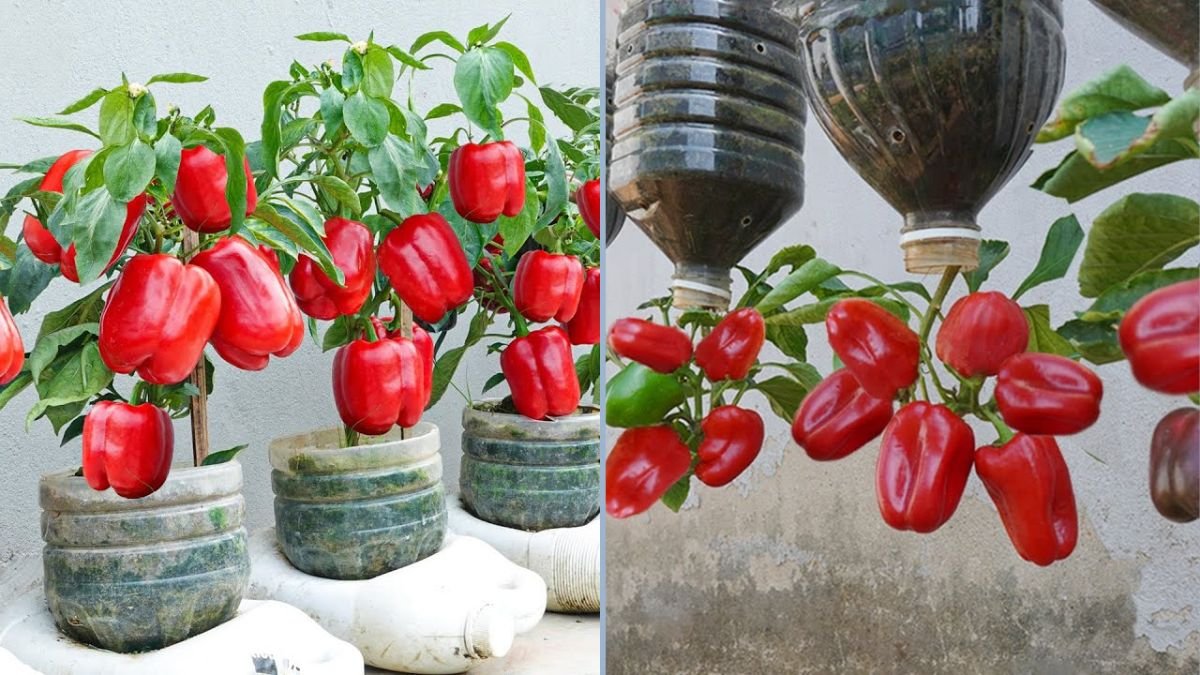
Chili peppers are a staple in kitchens around the world, adding spice, flavor, and nutrition to countless dishes. While they’re easy to buy at the store, growing your own chili peppers at home is far more rewarding. Not only can you enjoy fresh, organic chilies whenever you need them, but you can also achieve an abundant, super fruitful harvest if you follow the right methods.
Many home gardeners struggle with low yields or weak plants, often unaware of simple techniques that can dramatically improve chili production. In this guide, we’ll explore tried-and-tested methods that ensure your chili pepper plants thrive and produce fruit abundantly.
Why Grow Chili Peppers at Home
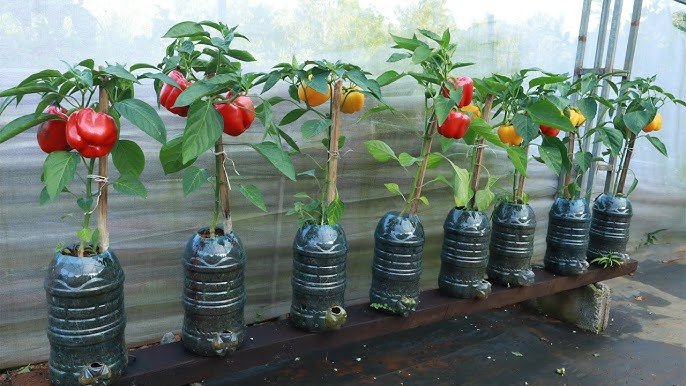
Growing chili peppers at home comes with several advantages:
- Freshness and Flavor: Homegrown chilies are spicier, more flavorful, and far fresher than store-bought varieties.
- Cost Savings: Buying chilies frequently can add up; growing your own reduces grocery bills.
- Nutritional Benefits: Chili peppers are rich in vitamin C, vitamin A, antioxidants, and capsaicin, which has health benefits.
- Continuous Supply: With proper care, chili plants can produce fruit for months.
- Sustainability: Growing your own peppers reduces packaging waste and supports self-sufficiency.
These benefits make chili peppers one of the most rewarding vegetables to grow at home.
Understanding Chili Pepper Growth
Chili peppers are tropical plants that thrive in warm conditions. Understanding their growth habits is key to achieving high yields:
- Sunlight Needs: Chilies require 6–8 hours of direct sunlight daily.
- Soil Preference: Well-draining, fertile soil enriched with organic matter is ideal.
- Watering Requirements: Consistent moisture is crucial, but overwatering can lead to root rot.
- Temperature: Optimal growth occurs between 70–85°F (21–29°C).
- Growth Cycle: Depending on the variety, chilies take 60–120 days from transplanting to first harvest.
Knowing these basics helps gardeners provide the right environment for productive, healthy plants.
Step 1: Choosing the Right Chili Variety
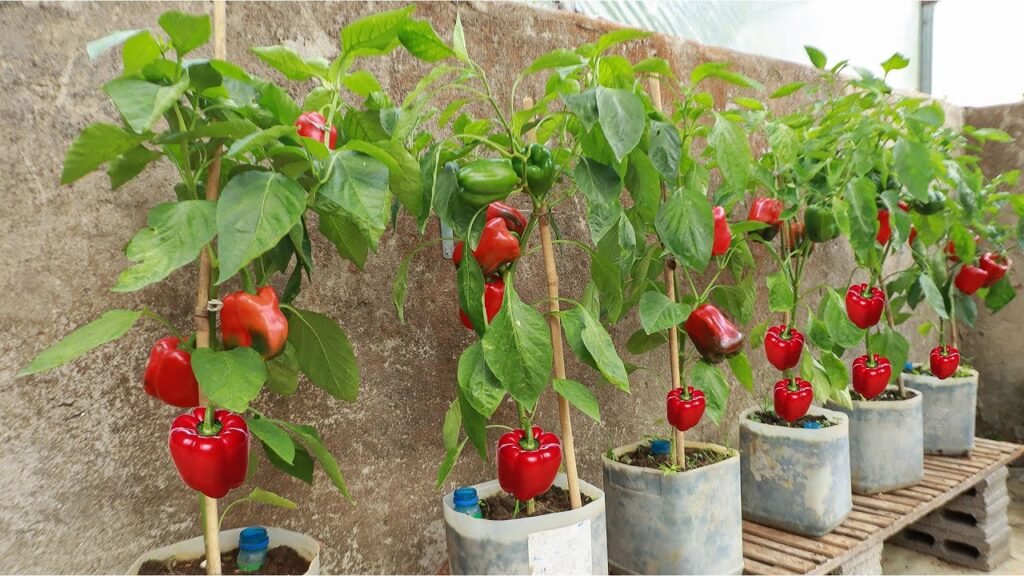
Selecting the right variety is crucial for maximizing fruit production:
- Hot Varieties: Cayenne, Thai, and habanero chilies are excellent for those who love spicy heat.
- Sweet Varieties: Bell peppers or sweet chili peppers provide milder options for salads and cooking.
- Compact Varieties: Ideal for container or small-space gardening.
- Early-Maturing Varieties: Produce fruit faster, allowing multiple harvests in a season.
Choosing the right type ensures that your plant will thrive in your climate, space, and culinary preferences.
Step 2: Preparing the Soil
Healthy soil is essential for super fruitful chili plants:
- Soil Mix: Use a combination of garden soil, compost, and well-rotted manure. This provides essential nutrients and improves soil structure.
- pH Level: Chilies prefer slightly acidic to neutral soil, with a pH of 6.0–7.0.
- Drainage: Avoid waterlogged soil by adding sand or perlite if necessary.
Fertile, well-draining soil encourages strong root development, vigorous growth, and abundant flowering.
Step 3: Starting Seeds or Transplants
Chilies can be grown from seeds or young plants:
- Seed Germination: Sow seeds in seed trays or pots 8–10 weeks before the last frost. Keep them in a warm, sunny location or under grow lights.
- Transplanting: Once seedlings have 4–6 true leaves and temperatures are consistently warm, transplant them into larger pots, raised beds, or the garden.
- Spacing: Space plants 18–24 inches apart to ensure proper airflow and reduce disease risk.
Strong seedlings lead to faster growth and higher yields.
Step 4: Using Fertilizers for Maximum Fruit
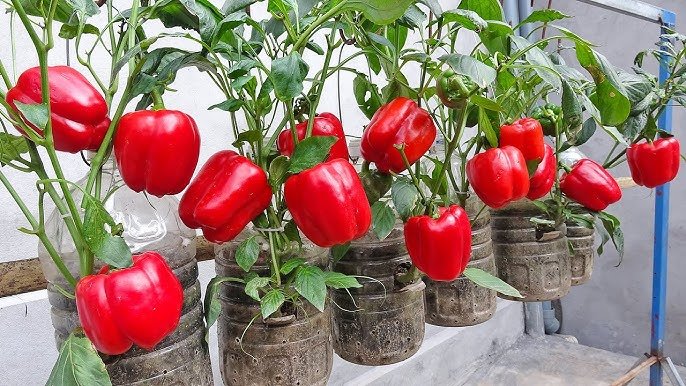
Fertilizing correctly is key to a super fruitful chili harvest:
- Balanced Fertilizer: Use a balanced fertilizer to support healthy foliage and root growth.
- Flower-Boosting Fertilizer: Switch to a fertilizer higher in phosphorus and potassium when plants begin flowering. This encourages fruit set and development.
- Organic Fertilizers: Compost, worm castings, or liquid compost tea can enhance soil fertility and stimulate growth naturally.
Consistent nutrition ensures strong plants that can support heavy fruit loads.
Step 5: Watering and Mulching
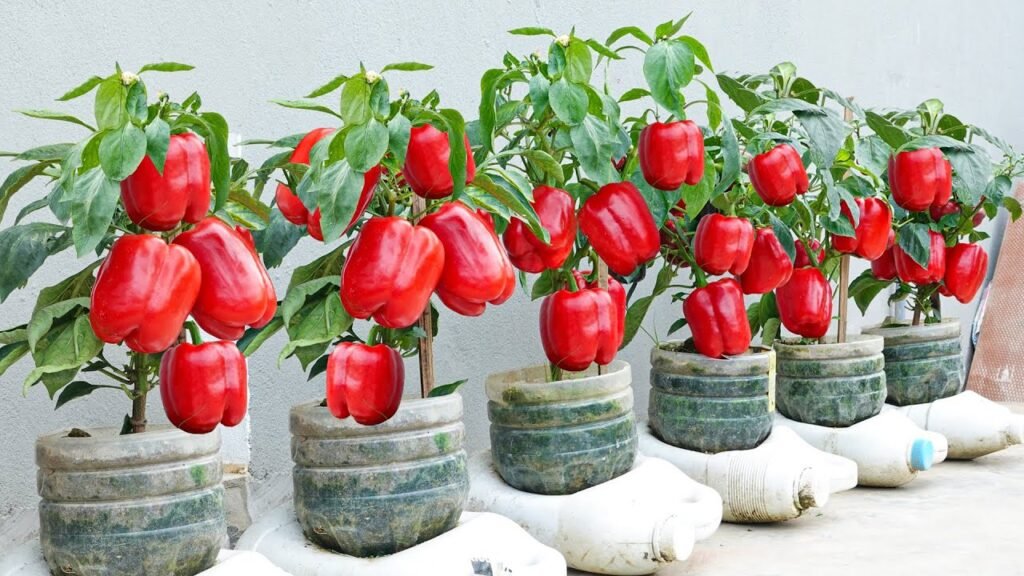
Proper watering and mulching are essential for high yields:
- Consistent Moisture: Water chili plants deeply 2–3 times a week. Avoid letting the soil dry out completely.
- Mulching: Apply straw, shredded leaves, or bark around the base to retain soil moisture, reduce weeds, and regulate temperature.
- Avoid Leaf Wetting: Water at the base to prevent fungal diseases on leaves.
Balanced watering and mulching support steady growth and abundant flowering.
Step 6: Supporting Plants
Chili plants can become top-heavy with fruit, so supporting stems is important:
- Stakes or Cages: Use bamboo stakes or tomato cages to prevent bending or breaking under the weight of fruit.
- Tying Plants: Gently tie stems to supports using soft garden twine.
- Pruning: Remove lower leaves and weak branches to allow the plant to focus energy on fruit production.
Well-supported plants produce larger, healthier fruit and reduce crop loss due to breakage.
Step 7: Pollination for Better Fruit Set
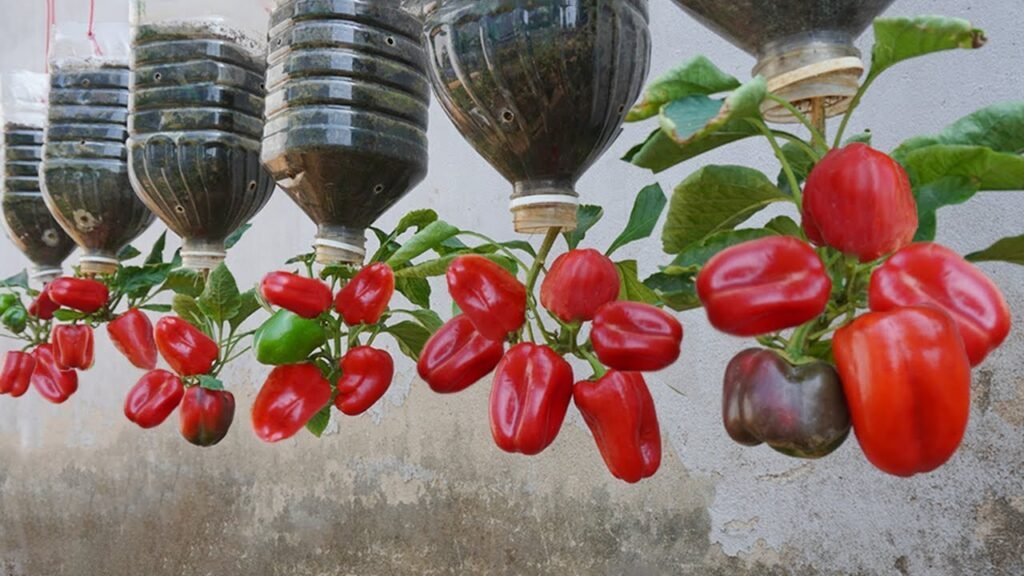
Pollination is essential for chili fruit production:
- Natural Pollinators: Encourage bees, butterflies, and other pollinators by planting companion flowers nearby.
- Hand Pollination: Use a small brush or cotton swab to transfer pollen from male to female flowers if pollinators are scarce.
- Flower Identification: Male flowers appear first, while female flowers have a tiny swelling at the base, which becomes the fruit after pollination.
Proper pollination ensures more flowers develop into fruit, boosting overall yield.
Step 8: Harvesting Chili Peppers
Knowing when and how to harvest is key to maximizing production:
- Timing: Pick chili peppers when they reach full size and desired color. Some varieties can be harvested green, while others are sweeter when red.
- Frequency: Harvest regularly every 3–5 days. Frequent picking encourages the plant to produce more fruit.
- Technique: Use scissors or garden shears to cut the fruit, leaving a small stem attached.
Regular harvesting keeps plants productive and ensures continuous fruiting throughout the season.
Tips for Super Fruitful Chili Plants
- Succession Planting: Sow new seeds every few weeks to maintain a constant supply of fruit.
- Sunlight Optimization: Place plants where they receive full sun for maximum flowering.
- Pest Management: Watch for aphids, thrips, or whiteflies. Handpick or use organic sprays to prevent damage.
- Prune Strategically: Remove overcrowded leaves and older flowers to channel energy into fruit production.
- Container Gardening: Use large pots for small-space gardeners. Containers allow better control of soil quality and moisture.
These small adjustments can transform ordinary chili plants into superfruitful powerhouses.
Benefits of Growing Chili Peppers at Home
- High Yield: Proper care, fertilization, and pollination result in more fruit per plant.
- Fresh and Flavorful: Enjoy crisp, spicy chilies straight from your garden.
- Cost-Effective: Reduce grocery bills while enjoying organic produce.
- Educational and Fun: Growing chilies is rewarding and teaches gardening skills.
- Sustainable Gardening: Reduces reliance on store-bought produce and supports eco-friendly living.
A home chili garden is both productive and satisfying for any gardener.
Culinary Uses for Homegrown Chili Peppers
Fresh chili peppers can be used in numerous ways:
- Cooking: Spice up stir-fries, soups, curries, and sauces.
- Pickling: Preserve surplus peppers for later use.
- Drying: Dry chilies for long-term storage and homemade chili powder.
- Sauces and Salsas: Make fresh chili sauces, hot sauces, or salsas.
- Snacking: Roast or fry small chilies for a flavorful snack.
With a super fruitful chili harvest, your kitchen will always have fresh peppers ready to use.
Final Thoughts
Chili peppers are easy to grow at home, but most gardeners miss out on maximizing yield because they don’t implement the right techniques. By choosing the right variety, providing fertile soil, ensuring proper watering, supporting plants, pollinating flowers, and harvesting regularly, you can enjoy a super fruitful chili garden that produces continuously throughout the season.
Even beginners can achieve impressive results with these methods. Start today, care for your plants carefully, and watch as your homegrown chili peppers flourish, saving money and adding fresh, spicy flavor to your meals all year long.