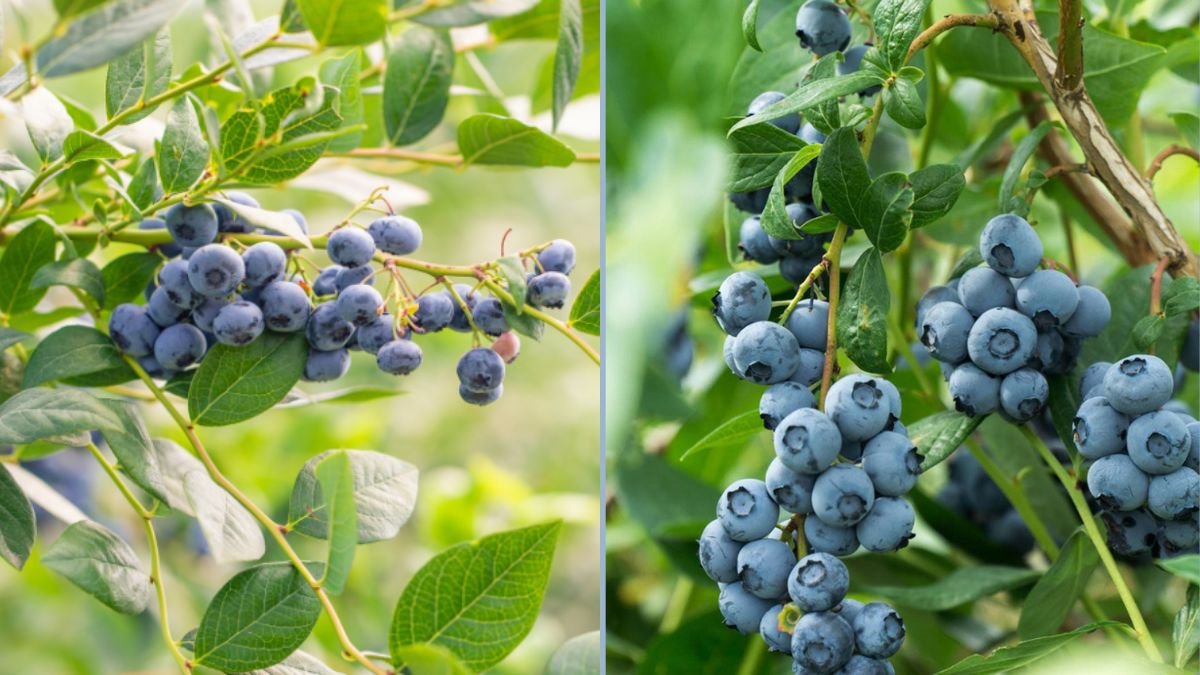
Blueberries are among the most delicious and nutrient-packed fruits you can grow at home. Bursting with antioxidants, vitamins, and natural sweetness, these little berries are perfect for snacking, smoothies, baking, or adding to breakfast bowls. While many people buy blueberries from the store, growing your own can be far more rewarding—and with the right methods, you can harvest 100 pounds or more right in your backyard.
In this guide, I’ll share my experience and techniques for growing an abundant blueberry crop, step-by-step, so you too can enjoy a backyard harvest that rivals commercial farms.
Why Grow Blueberries at Home
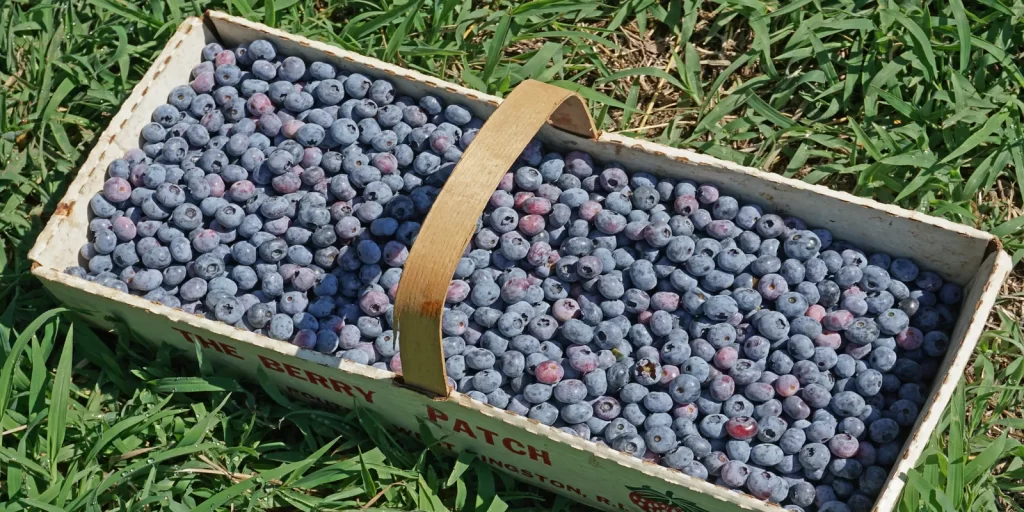
Growing blueberries at home comes with several advantages:
- Freshness and Flavor: Homegrown blueberries are juicier, sweeter, and more flavorful than store-bought berries.
- Cost Savings: Fresh blueberries can be expensive in stores; homegrown berries save money in the long run.
- Nutritional Benefits: Blueberries are rich in antioxidants, vitamin C, vitamin K, and fiber, which support overall health.
- Continuous Harvest: With proper care, blueberry bushes can produce fruit for decades.
- Sustainable Gardening: Growing your own fruit reduces packaging waste and promotes a healthier lifestyle.
With the right care, your backyard can yield a surprisingly large harvest.
Understanding Blueberry Plants
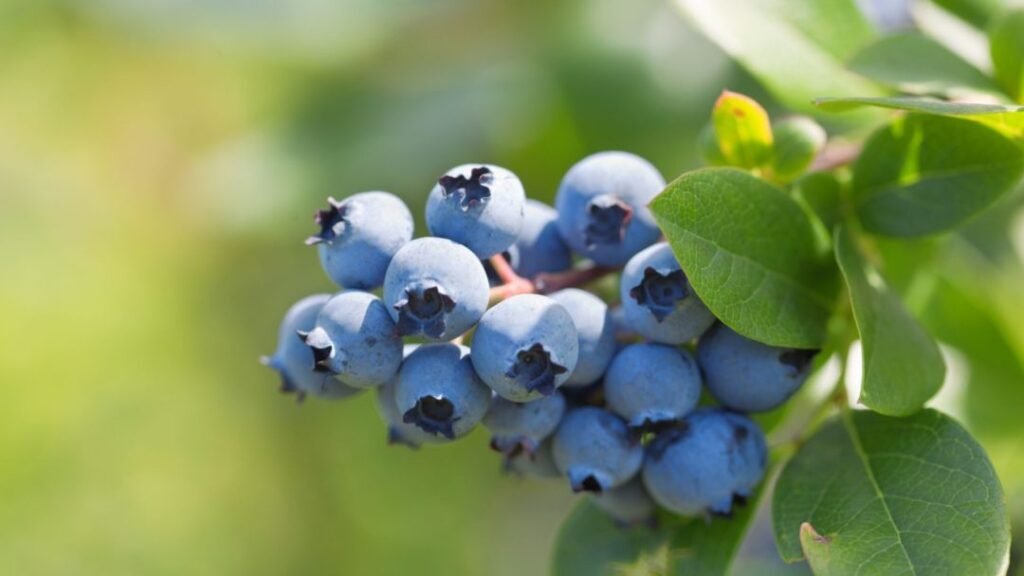
Blueberries are shrubs that thrive under specific conditions. Understanding their growth requirements is key to a successful and abundant harvest:
- Soil Requirements: Blueberries prefer acidic soil with a pH between 4.5 and 5.5.
- Sunlight: They need full sun for at least 6–8 hours per day for optimal fruiting.
- Water Needs: Consistent moisture is crucial, especially during flowering and fruiting, but waterlogged soil should be avoided.
- Pruning: Regular pruning encourages strong growth, airflow, and better fruiting.
- Pollination: While blueberries are self-pollinating, cross-pollination between different varieties improves fruit size and yield.
Knowing these basics ensures healthy plants capable of producing a massive harvest.
Step 1: Choosing the Right Blueberry Variety
Selecting the right variety is essential for a successful backyard crop:
- Highbush Varieties: Ideal for temperate climates, these produce large berries and can reach 5–6 feet in height. Examples: Bluecrop, Jersey, Duke.
- Rabbiteye Varieties: Suited for warmer climates; produce high yields and are drought-resistant. Examples: Tifblue, Premier.
- Lowbush Varieties: Smaller shrubs that spread easily and produce berries in colder climates.
For maximum production, I recommend planting at least two compatible varieties to encourage cross-pollination and improve fruit size.
Step 2: Preparing the Soil
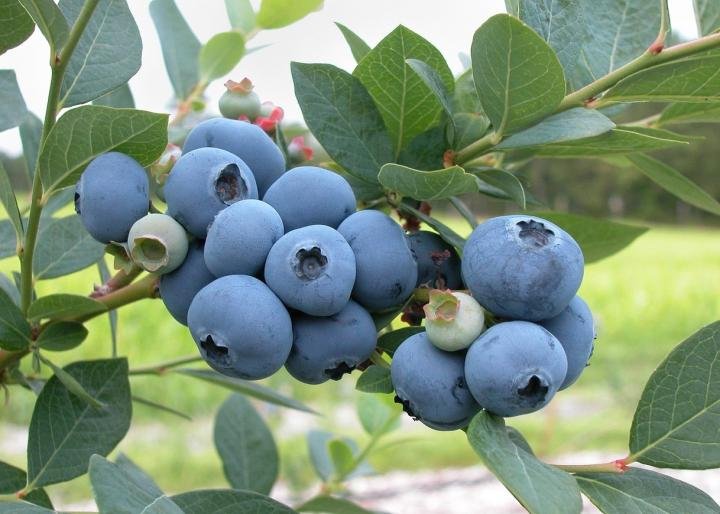
Blueberries are picky about soil, so preparation is crucial:
- Testing Soil pH: Use a pH testing kit and adjust soil acidity if needed. You can lower pH with sulfur or acidic organic matter like pine needles.
- Improving Drainage: Add organic matter like peat moss or compost to enhance soil structure and ensure water drains properly.
- Raised Beds or Containers: If your soil is naturally alkaline or heavy clay, raised beds or large containers allow you to control acidity and drainage more effectively.
Proper soil preparation lays the foundation for vigorous growth and large fruit production.
Step 3: Planting Blueberries
Planting blueberries correctly ensures strong root development and high yields:
- Spacing: Space bushes 4–5 feet apart to allow airflow and room for growth.
- Planting Depth: Set bushes slightly deeper than they were in their nursery pots, ensuring roots are well-covered but crowns remain above soil level.
- Watering: Water thoroughly after planting to settle the soil and reduce transplant shock.
Strong initial planting gives your blueberry bushes the best chance for a productive first season.
Step 4: Mulching for Health and Productivity
Mulching is one of the simplest ways to improve growth and yield:
- Material: Use pine needles, wood chips, or bark.
- Thickness: Apply 2–4 inches around the base of each bush, leaving a small gap around the crown to prevent rot.
- Benefits: Mulch conserves moisture, regulates soil temperature, suppresses weeds, and gradually enriches the soil as it decomposes.
Healthy soil and moisture retention directly impact fruit size and quantity.
Step 5: Fertilizing Blueberries
Blueberries require proper nutrition to thrive:
- Starter Fertilizer: Apply an acidic, balanced fertilizer after planting to encourage root establishment.
- Regular Feeding: Fertilize 2–3 times per year with a fertilizer designed for acid-loving plants. Focus on nitrogen during early growth and a balanced formula during flowering.
- Organic Options: Compost, well-rotted manure, or seaweed extract are excellent for long-term soil fertility.
Proper feeding ensures that plants are strong enough to support heavy fruit loads.
Step 6: Watering for Maximum Yield
Watering is critical, particularly during flowering and fruiting:
- Consistency: Keep soil evenly moist, but avoid waterlogging, which can lead to root rot.
- Drip Irrigation: Consider using drip irrigation or soaker hoses to provide consistent moisture without wetting the foliage.
- Frequency: Water deeply 1–2 times per week, adjusting for rainfall and temperature.
Consistent moisture ensures larger berries and higher yields.
Step 7: Pruning and Training
Pruning encourages healthy growth and fruit production:
- First Years: Focus on developing a strong framework of branches. Remove weak, diseased, or crossing branches.
- Mature Plants: Each year, remove 1/3 of the oldest branches to stimulate new growth.
- Shape: Maintain an open, vase-like shape to allow sunlight penetration and airflow.
Pruning not only increases yield but also helps prevent disease and makes harvesting easier.
Step 8: Pollination for Abundant Fruit
While many blueberry varieties are self-pollinating, cross-pollination improves fruit size and yield:
- Plant Multiple Varieties: Plant at least two compatible varieties within 50 feet of each other.
- Attract Pollinators: Encourage bees, butterflies, and other pollinators by planting flowers nearby.
- Hand Pollination (Optional): For maximum production, gently brush the flowers with a soft paintbrush to transfer pollen.
Effective pollination leads to larger berries and heavier crops.
Step 9: Harvesting Blueberries
Knowing when and how to harvest ensures you get the best fruit:
- Timing: Harvest when berries are fully blue with no red or green patches.
- Frequency: Pick every 3–5 days during peak season.
- Technique: Gently roll berries between your fingers or use a soft berry rake to avoid crushing fruit.
Frequent harvesting encourages the plant to produce more fruit and prevents overripe berries from attracting pests.
Tips for Achieving 100 Pounds of Blueberries
- Plant Multiple Bushes: A backyard of 6–8 mature bushes can easily yield 100 pounds with proper care.
- Sunlight Exposure: Ensure each bush receives at least 6–8 hours of sunlight daily.
- Fertilize Strategically: Feed plants regularly with acid-loving plant fertilizers.
- Water Consistently: Drip irrigation is ideal for consistent moisture and high yields.
- Prune Annually: Remove old wood and shape bushes to encourage new growth and more fruiting stems.
With these techniques, backyard gardeners can achieve commercial-level productivity in a small space.
Benefits of Growing Blueberries at Home
- Healthier Lifestyle: Fresh berries are rich in antioxidants, supporting overall well-being.
- Cost Savings: Save money on expensive store-bought berries.
- Sustainable Gardening: Reduce reliance on imported fruit and minimize food packaging.
- Fun and Rewarding: Watching your blueberries grow from tiny bushes to 100-pound harvests is incredibly satisfying.
- Long-Term Yield: Blueberry bushes can produce for 20–30 years with proper care, making them a long-term investment for your garden.
Growing blueberries in your backyard combines nutrition, sustainability, and joy in one package.
Culinary Uses for Homegrown Blueberries
Fresh blueberries are incredibly versatile:
- Snacking: Enjoy straight from the bush.
- Baking: Perfect for muffins, pies, cakes, and pancakes.
- Smoothies: Blend with yogurt, milk, or other fruits for a healthy drink.
- Salads: Add berries to green salads for a sweet, nutritious boost.
- Preserves: Make jams, jellies, or frozen berries to enjoy year-round.
With 100 pounds of berries, the possibilities in the kitchen are endless.
Final Thoughts
Growing 100 pounds of blueberries in your backyard is achievable with the right approach. By selecting the right varieties, preparing acidic soil, providing consistent water and nutrients, pruning regularly, and encouraging pollination, you can enjoy a bountiful harvest that rivals commercial farms.
Even small backyard gardens can produce large quantities if care is taken to meet the plants’ specific needs. Start today by planting your blueberry bushes, maintaining them carefully, and watching your backyard transform into a thriving berry paradise. With patience, care, and proper technique, your garden can provide 100 pounds—or more—of fresh, delicious blueberries season after season.