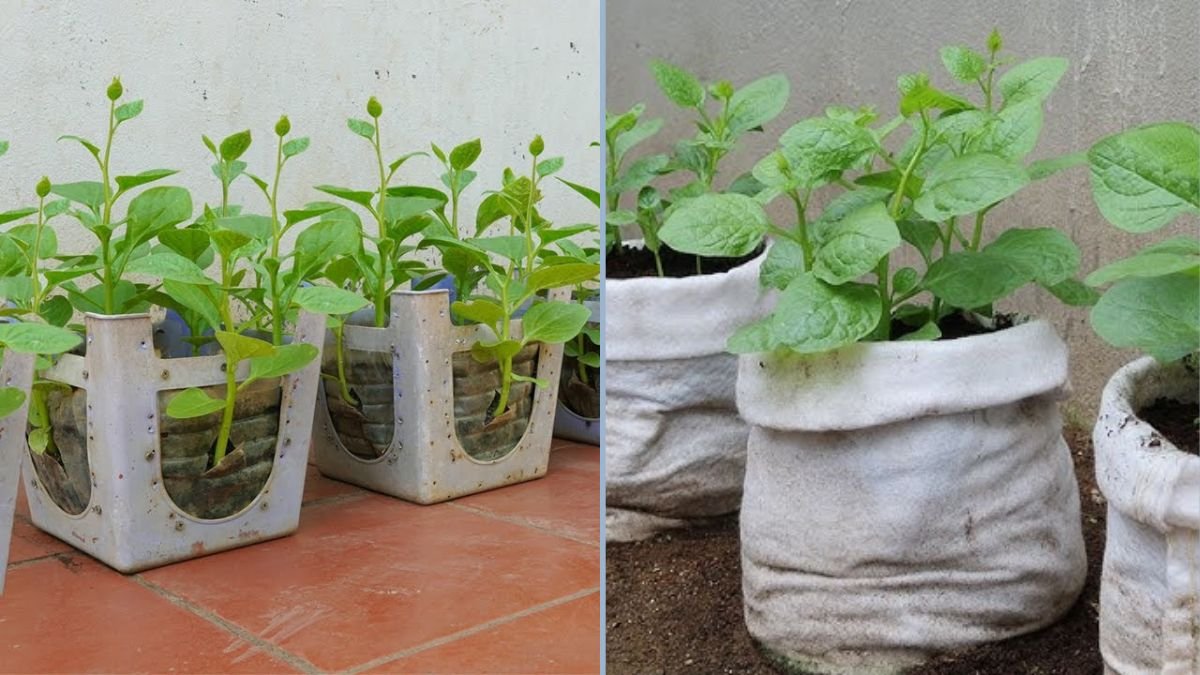
Malabar spinach, also known as Basella alba, is a leafy green powerhouse that’s perfect for home gardens. Unlike regular spinach, it thrives in hot weather, produces thick, succulent leaves, and can climb vertically, saving precious garden space. Whether you’re a seasoned gardener or a beginner, there’s a simple technique that can make your Malabar spinach grow surprisingly fast, giving you a lush, continuous supply of nutritious leaves.
In this guide, we’ll cover why Malabar spinach is such a valuable addition to your garden, the one key thing to supercharge its growth, and practical tips to maintain healthy, vigorous plants all season long.
Why Grow Malabar Spinach
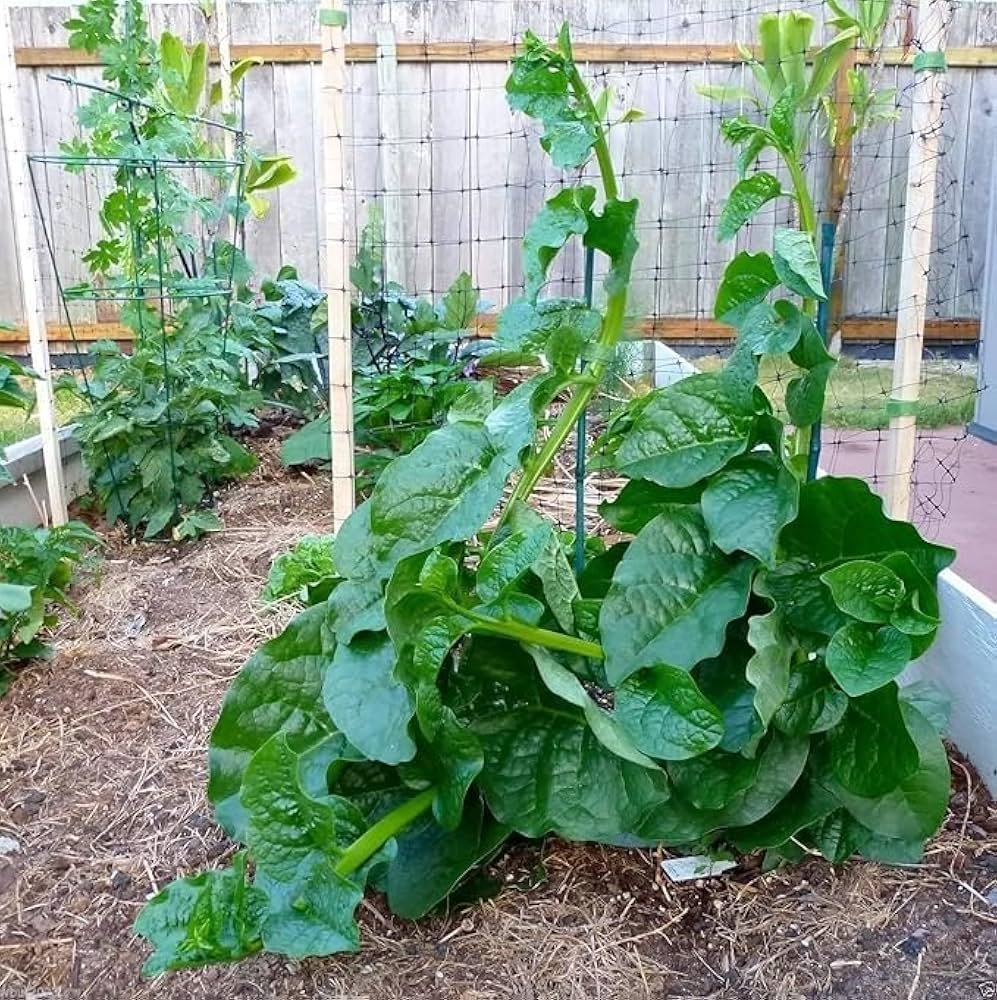
Malabar spinach is more than just another leafy green. It’s a tropical vine that’s packed with nutrients and versatile in the kitchen. Here’s why you should consider growing it:
- Nutritional Benefits: Rich in vitamins A and C, iron, calcium, and antioxidants that support overall health.
- Heat-Tolerant: Unlike regular spinach, it thrives in hot weather, making it ideal for summer gardens.
- Rapid Growth: With the right care, it grows quickly and produces a continuous harvest of tender leaves.
- Space Efficiency: Vertical growth allows you to grow a lot in a small area, perfect for small yards or balconies.
- Low Maintenance: Hardy and resilient, it’s ideal for beginners who want high yields with minimal effort.
With these benefits, Malabar spinach is an easy win for anyone looking to grow their own vegetables at home.
Understanding Malabar Spinach Growth
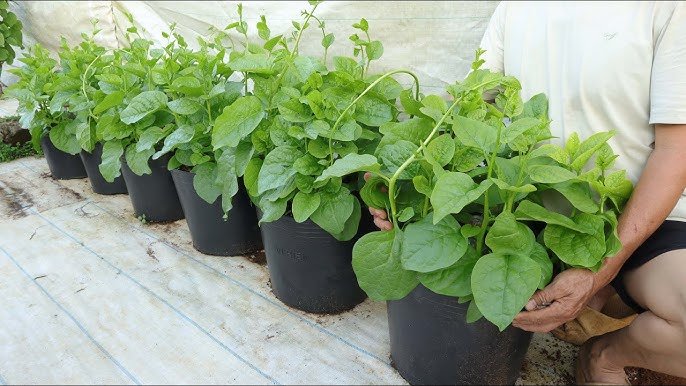
To grow Malabar spinach effectively, it helps to understand its growth habits:
- Climbing Vine: It naturally grows upward, so providing a trellis or support structure maximizes space and leaf production.
- Rapid Leaf Production: Under optimal conditions, new leaves sprout continuously, allowing for frequent harvests.
- Sunlight Needs: Prefers full sun but tolerates partial shade, producing thicker leaves with more sunlight.
- Watering Requirements: Consistent moisture supports fast growth, though it can tolerate short dry periods once established.
- Soil Preference: Thrives in fertile, well-draining soil enriched with organic matter.
Understanding these basics ensures you create the ideal environment for your plants to flourish.
The One Key Thing to Make Malabar Spinach Grow Fast
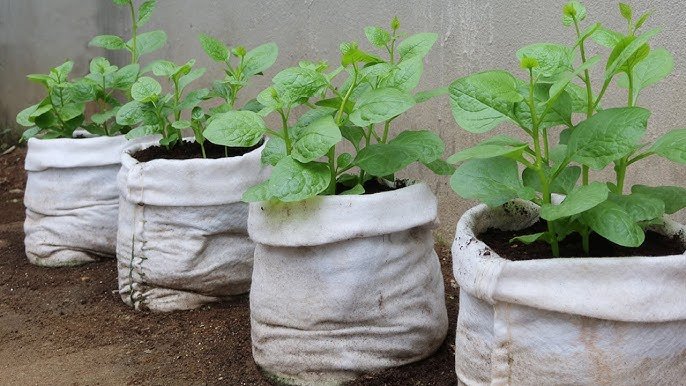
The single most effective way to accelerate Malabar spinach growth is providing vertical support and training the vines to climb. While Malabar spinach can sprawl across the ground, vertical growth encourages stronger stems, better airflow, and more leaves. Here’s how to implement this technique:
- Install a Trellis or Support: Use bamboo poles, wooden frames, metal rods, or even strings attached to walls or fences. Vertical structures allow the vine to grow upward rather than spreading across the ground.
- Tie and Train the Vines: Gently guide the main stem toward the support. Use soft ties, twine, or strips of cloth to secure the plant without damaging the stem.
- Prune Strategically: Trim older leaves or overly dense sections to allow light penetration and encourage new growth.
- Maximize Sun Exposure: Position the trellis where the plant receives maximum sunlight. The combination of light and vertical growth significantly boosts leaf production.
This single adjustment—supporting and training the plant vertically—can make a dramatic difference in growth speed and overall yield.
Step 1: Choosing the Right Location
Even before planting, selecting the best spot is crucial:
- Sunlight: Choose an area that receives at least 6–8 hours of sunlight daily.
- Accessibility: Pick a location where you can easily water, prune, and harvest.
- Space: Vertical growth allows you to make the most of limited garden space.
The right location ensures your plants grow quickly and remain healthy.
Step 2: Preparing the Soil
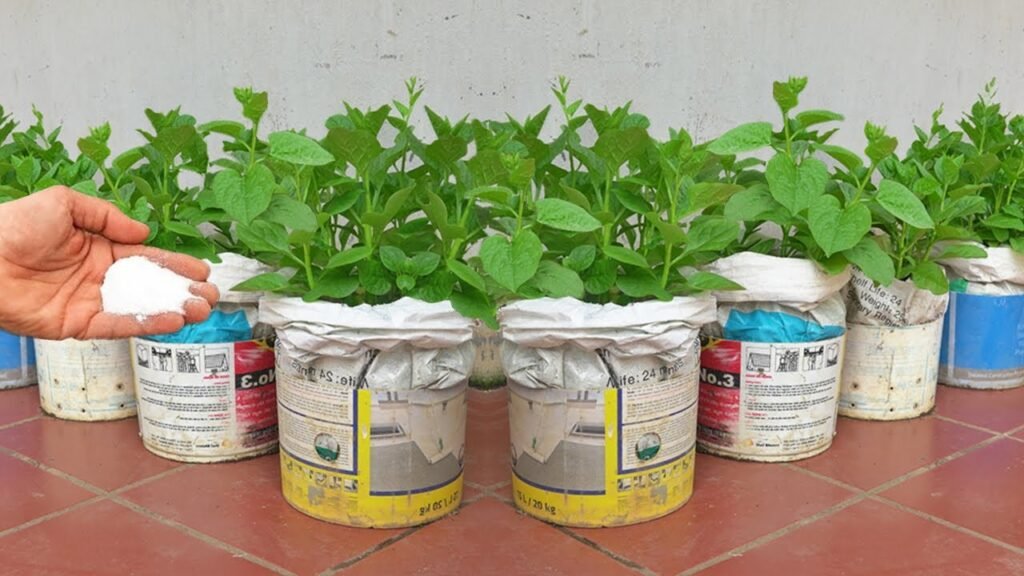
Malabar spinach thrives in fertile, well-draining soil:
- Soil Mix: Combine garden soil with compost or well-rotted manure for maximum nutrition.
- Soil pH: Slightly acidic to neutral soil (pH 6.0–7.0) works best.
- Mulching: Apply mulch around the base to retain moisture, suppress weeds, and regulate soil temperature.
Rich soil allows your plants to establish strong roots, which directly supports faster leaf production.
Step 3: Planting Malabar Spinach
Malabar spinach can be grown from seeds or cuttings:
- Seeds: Soak seeds in water for 12–24 hours before planting to speed up germination. Plant them 1 inch deep and 12 inches apart.
- Cuttings: Use 6–8 inch stem cuttings from a healthy plant. Remove the lower leaves and plant the cutting directly in soil.
- Watering: Lightly water after planting to settle the soil around the seeds or cuttings.
Proper planting ensures strong, fast-growing plants that respond well to vertical support.
Step 4: Watering and Fertilizing
Consistent care keeps Malabar spinach growing quickly:
- Watering: Keep soil evenly moist. Deep watering once or twice a week is better than frequent shallow watering.
- Fertilizing: Use a balanced organic fertilizer or compost tea every 3–4 weeks to encourage lush leaf growth.
- Additional Boost: Liquid seaweed extract or diluted fish emulsion can stimulate rapid growth and strong stems.
Well-fed, well-watered plants grow faster and produce more leaves.
Step 5: Training and Pruning
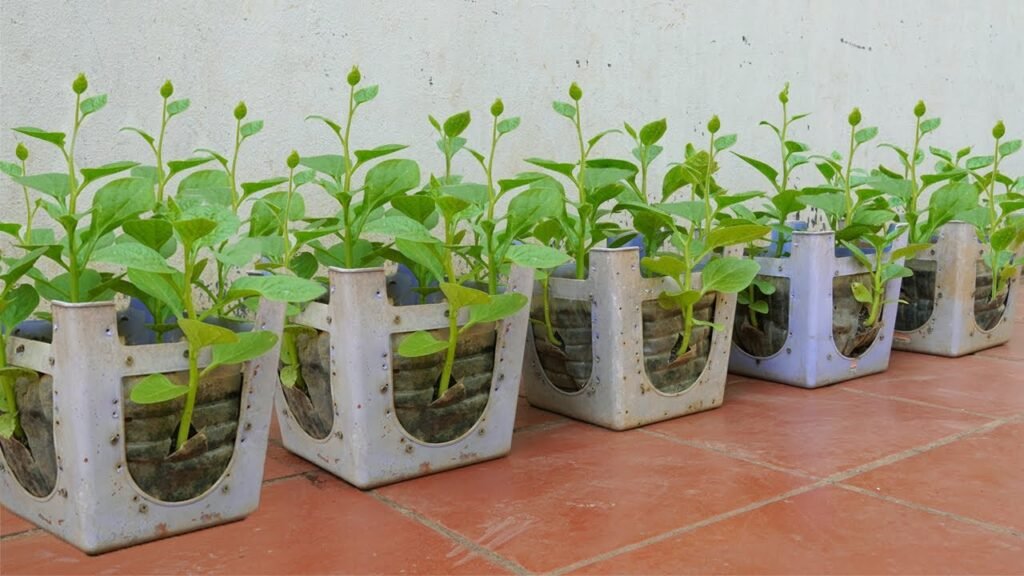
Vertical growth and selective pruning work together to maximize growth speed:
- Tie the Main Stem: As the vine grows, tie it gently to the trellis. Guide lateral shoots upward to create a dense, leafy structure.
- Prune for Light: Remove older or overcrowded leaves to allow sunlight to reach new growth.
- Harvest Regularly: Frequent harvesting stimulates the plant to produce more leaves.
This approach keeps the plant healthy, encourages fast growth, and ensures a steady supply of leaves.
Step 6: Harvesting Malabar Spinach
Regular harvesting keeps plants productive and fast-growing:
- When to Harvest: Pick young, tender leaves for the best flavor. Older leaves can be tougher and less palatable.
- Frequency: Harvest every 1–2 weeks. Frequent picking promotes new leaf production.
- Technique: Pinch or cut leaves just above a leaf node to encourage regrowth.
By combining vertical support with regular harvesting, you can maintain a continuous supply of fresh Malabar spinach.
Tips for Maximum Growth
- Succession Planting: Plant new seeds or cuttings every few weeks to maintain a continuous harvest.
- Pest Monitoring: Watch for aphids or caterpillars and remove them promptly. Organic sprays like neem oil can help.
- Fertilize Lightly: Avoid over-fertilizing, which can result in excessive foliage but weaker stems.
- Encourage Flowering: Malabar spinach produces small flowers that, if allowed, will develop into seeds for future plantings.
- Keep Vines Off the Ground: This prevents disease, promotes airflow, and keeps leaves clean.
Following these tips ensures your Malabar spinach grows rapidly and abundantly.
Culinary Uses for Malabar Spinach
Malabar spinach is versatile in the kitchen:
- Stir-Fries: Quickly sauté with garlic, soy sauce, or chili for a nutritious side.
- Soups and Curries: Add leaves for flavor, nutrition, and thickness.
- Salads: Use young leaves raw for a fresh, crisp addition.
- Smoothies: Blend with other greens for a vitamin-rich drink.
- Pickling: Preserve surplus leaves for later use.
Having fast-growing Malabar spinach means you can experiment with fresh recipes almost daily.
Final Thoughts
The secret to making Malabar spinach grow surprisingly fast is providing vertical support and training the vines upward. Combined with fertile soil, consistent watering, strategic pruning, and regular harvesting, this simple method transforms your garden into a lush, productive green oasis.
Even beginners can achieve impressive results with minimal effort. Start today by planting seeds or cuttings, setting up a trellis, and guiding your vines upward. With this approach, you’ll enjoy fast growth, abundant leaves, and a continuous supply of fresh Malabar spinach—no grocery trips required!