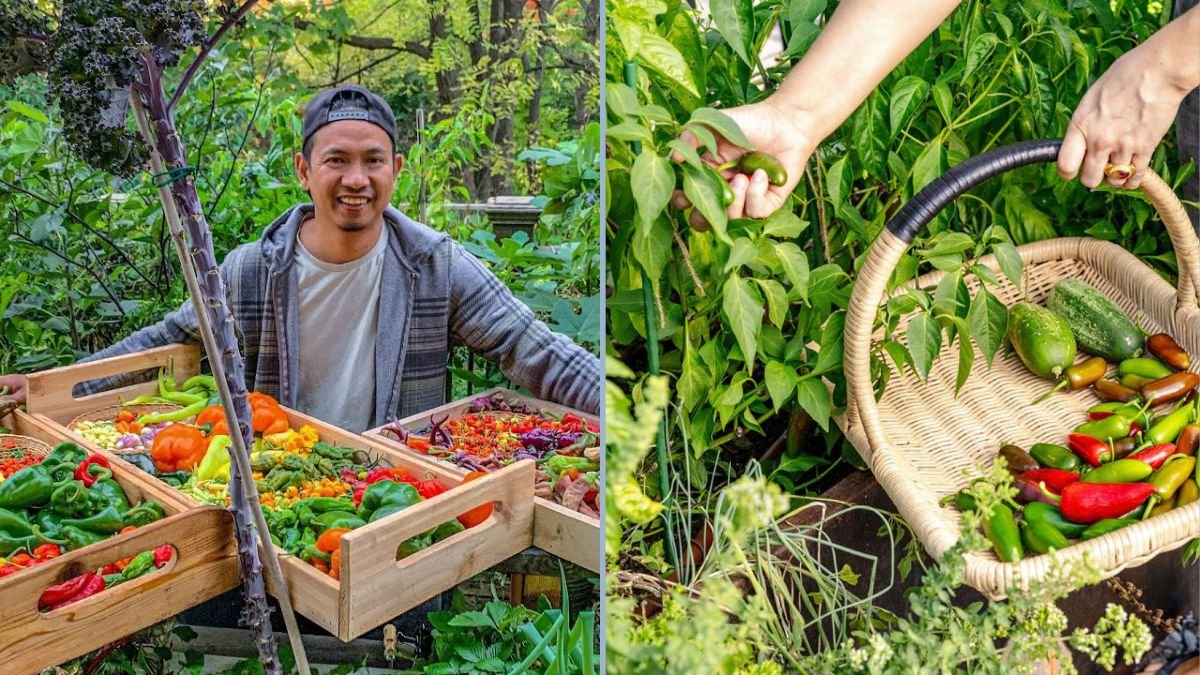
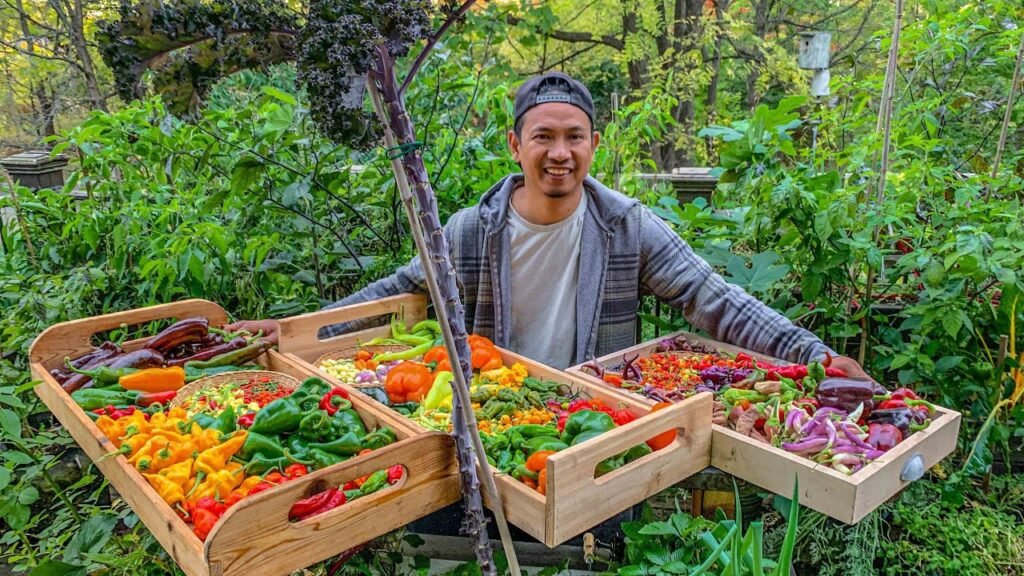
There’s something magical about a garden bursting with color. Recently, we harvested all 34 of our colorful peppers, ranging from deep reds and vibrant oranges to sunny yellows and rich purples. Each pepper variety tells a story—not only of its flavor and heat level but also of the time, care, and attention required to grow it successfully.
In this post, we’ll take you through our harvest process, tips for growing a rainbow of peppers, and creative ways we used them in the kitchen. Whether you’re a home gardener or a culinary enthusiast, you’ll find inspiration for both your garden and your cooking.
Step 1: Planning a Colorful Pepper Garden
Growing 34 varieties of peppers isn’t accidental; it requires strategic planning and careful selection:
- Variety Selection:
- Sweet bell peppers: Red, yellow, orange, and purple for salads and roasting.
- Hot peppers: Cayenne, jalapeño, habanero, and bird’s eye for salsas and sauces.
- Mini snack peppers: Perfect for snacking or stuffing.
- Climate Considerations:
- Peppers thrive in warm, sunny conditions with daytime temperatures around 21–27°C (70–80°F).
- Seed Starting and Transplanting:
- Start seeds indoors 8–10 weeks before the last frost.
- Harden off seedlings before planting outdoors to prevent transplant shock.
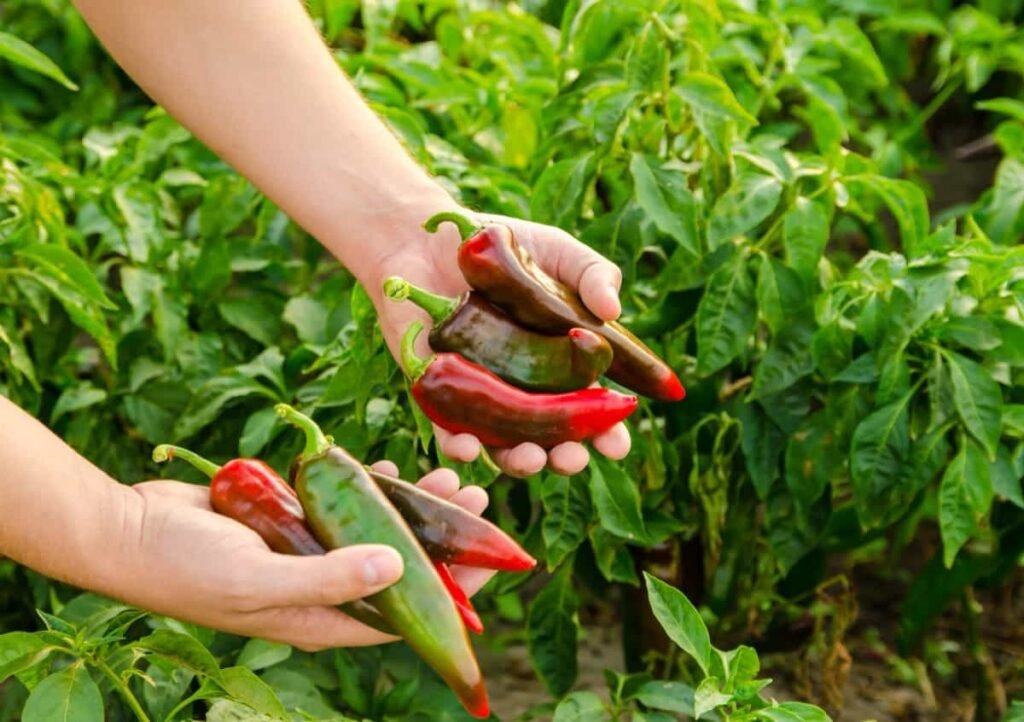
Pro Tip: Plan for a mix of colors, shapes, and heat levels to maximize both visual appeal and culinary versatility.
Step 2: Soil and Planting Preparation
Healthy peppers start with fertile, well-draining soil:
- Soil Composition:
- Mix garden soil with compost and perlite or sand for good drainage.
- Peppers prefer slightly acidic to neutral soil (pH 6–7).
- Planting Layout:
- Space plants 30–45 cm apart to allow airflow and sunlight penetration.
- Taller varieties can be planted behind shorter ones for optimal light exposure.
- Soil Enrichment:
- Incorporate organic fertilizers such as worm castings, bone meal, or seaweed extract to encourage strong root growth and vibrant fruit.
Pro Tip: Healthy soil not only supports rapid growth but also enhances fruit color and flavor.
Step 3: Care and Maintenance
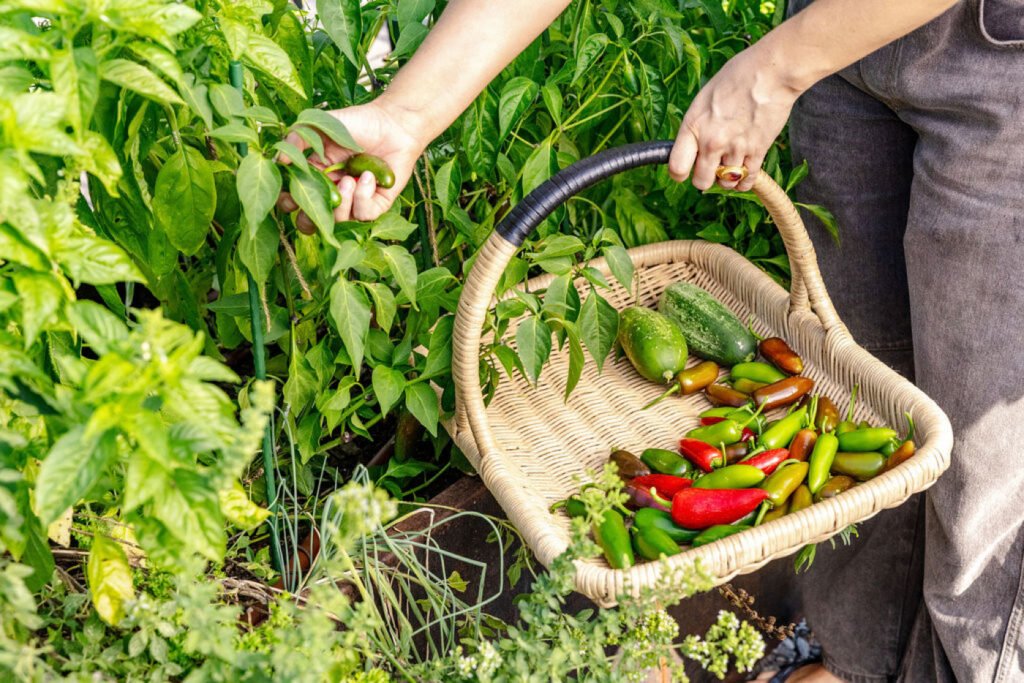
Maintaining 34 pepper varieties requires consistent attention:
- Watering:
- Peppers need regular watering, keeping soil moist but not waterlogged.
- Drip irrigation or soaker hoses reduce leaf wetness and prevent fungal diseases.
- Fertilizing:
- Apply organic liquid fertilizers every 2–3 weeks during the growing season.
- Focus on phosphorus and potassium to encourage flowering and fruit set.
- Pruning:
- Remove weak or damaged leaves to improve airflow and reduce pest pressure.
- Support:
- Staking taller varieties prevents breakage from heavy fruit.
Pro Tip: Consistent care ensures uniform fruiting and vibrant colors across all varieties.
Step 4: Natural Pest Management
With 34 varieties, pest management is critical:
- Beneficial Insects:
- Ladybugs, lacewings, and parasitic wasps help control aphids, whiteflies, and caterpillars.
- Companion Planting:
- Plant marigolds, basil, and nasturtiums nearby to repel pests naturally.
- Organic Sprays:
- Neem oil, garlic spray, or chili spray protect crops without chemicals.
- Monitoring:
- Regularly inspect plants and remove any infested leaves promptly.
Pro Tip: A healthy pepper plant with nutrient-rich soil is naturally more resilient, making natural pest management highly effective.
Step 5: Harvesting All 34 Varieties
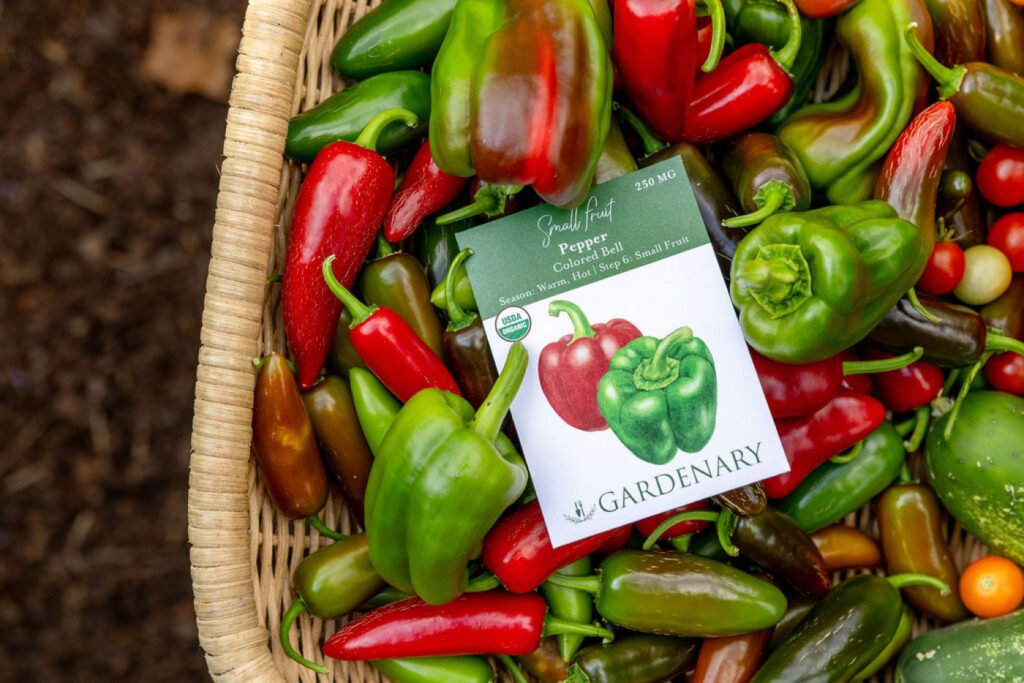
Harvesting peppers is both exciting and rewarding:
- Timing:
- Harvest when peppers reach their mature color for peak flavor and nutrients.
- Sweet peppers are best fully colored (red, orange, yellow, or purple).
- Hot peppers can be harvested at green for milder heat or red for maximum spiciness.
- Harvest Technique:
- Use scissors or garden shears to cut fruit carefully.
- Avoid pulling, which can damage stems or nearby fruits.
- Handling:
- Handle peppers gently to prevent bruising, especially delicate mini varieties.
Pro Tip: Regular harvesting encourages more flowers and continuous fruit production.
Step 6: Creative Ways We Used the Peppers
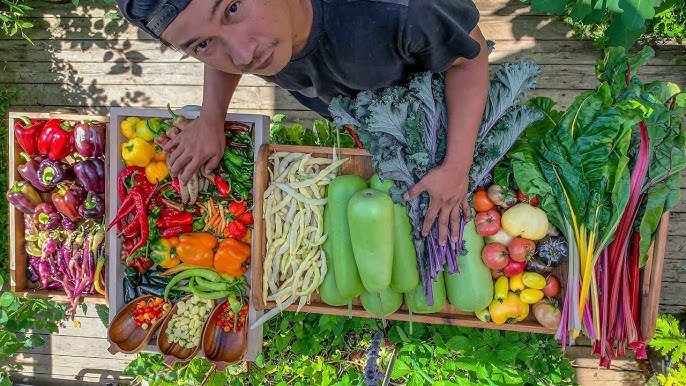
Once the harvest was complete, we explored multiple culinary applications:
- Fresh Salads:
- Mixed colors and varieties added sweetness, crunch, and heat to summer salads.
- Stuffed Peppers:
- Mini peppers were stuffed with rice, beans, and herbs for a colorful appetizer.
- Salsas and Sauces:
- Hot peppers were used to make a fiery homemade salsa and chili sauce.
- Roasted Peppers:
- Bell peppers were roasted, peeled, and stored in olive oil for later use.
- Pickling:
- A mix of colorful peppers was pickled to preserve the vibrant colors and flavors.
- Freezing for Future Use:
- We blanched and froze surplus peppers for soups, stews, and stir-fries during winter.
Pro Tip: Using a variety of peppers ensures both aesthetic appeal and diverse flavor profiles in your dishes.
Step 7: Storage Tips for a Large Harvest
With 34 varieties, storage is key to minimizing waste:
- Short-Term Storage:
- Store in a cool, dry place or refrigerator for up to 2 weeks.
- Long-Term Preservation:
- Freeze, pickle, or roast peppers for longer shelf life.
- Dry hot peppers for spice powders or chili flakes.
- Labeling:
- Keep different varieties labeled to track heat levels and flavor intensity.
Pro Tip: Proper storage ensures you enjoy your harvest long after picking day.
Step 8: Lessons Learned from a Rainbow Pepper Garden
- Diversity Enhances Resilience:
- Growing many varieties reduces risk of total crop failure from pests or disease.
- Consistent Care Pays Off:
- Regular watering, fertilizing, pruning, and pest monitoring lead to uniform, high-quality fruit.
- Visual Appeal Matters:
- A garden full of colorful peppers is not only productive but also visually inspiring, making gardening more enjoyable.
- Experimentation is Key:
- Trying different varieties introduces new flavors, heat levels, and culinary possibilities.
Pro Tip: A diverse pepper garden teaches gardening skills, patience, and creativity in the kitchen.
Step 9: Tips for Growing a Large Variety of Peppers
- Start Seeds Early:
- Begin indoors 8–10 weeks before the last frost.
- Group Plants by Needs:
- Organize by sunlight, water, and growth habit for easier care.
- Rotate Planting Locations:
- Rotate peppers each year to prevent soil-borne diseases.
- Use Organic Nutrients:
- Regular compost, vermicompost, and organic liquid fertilizers support strong growth.
- Monitor for Heat Levels:
- Keep track of each hot pepper variety for culinary purposes.
Pro Tip: Planning ahead makes it manageable to grow a large, colorful, and productive pepper garden.
Step 10: Benefits of a Colorful Pepper Garden
- Abundant Harvest:
- Multiple varieties produce large quantities for fresh meals and preservation.
- Culinary Creativity:
- Colorful peppers enhance salads, sauces, pickles, and roasted dishes.
- Nutrition Boost:
- Peppers are rich in vitamins A, C, antioxidants, and capsaicin (for hot varieties).
- Garden Aesthetics:
- A rainbow of peppers creates a visually stunning and inspiring garden space.
- Learning Opportunity:
- Experimenting with many varieties teaches growth patterns, flavors, and pest management skills.
Pro Tip: A diverse pepper garden is rewarding both visually and nutritionally.
Conclusion
Harvesting all 34 colorful peppers was a thrilling experience, combining gardening expertise, patience, and culinary creativity. From planting diverse varieties to careful care, natural pest management, and thoughtful harvesting, the process highlights the joys of growing your own food.
The result? A rainbow of peppers ready for salads, sauces, roasting, pickling, and freezing—a feast for the eyes and the palate. Whether you’re growing a small home garden or a large pepper patch, following these tips ensures a bountiful, vibrant, and flavorful harvest every season.
Start planting today, embrace diversity, and enjoy the satisfaction of growing and cooking with your own colorful peppers!