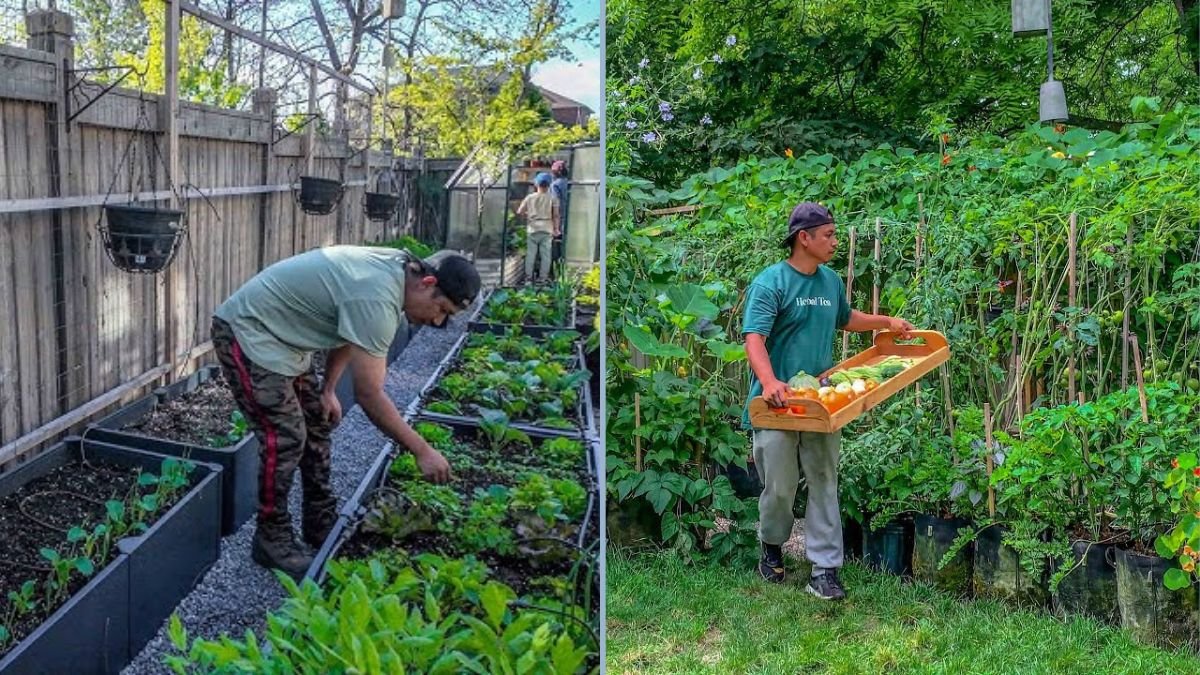
Many people assume that growing enough fresh, healthy food for a family requires a large backyard or sprawling farmland. But what if we told you that just two well-planned garden beds could feed an entire family? It’s not only possible—it’s practical, sustainable, and incredibly rewarding.
In this guide, we’ll share how we transformed two small garden beds into a food-producing powerhouse, providing our family with vegetables, herbs, and even some fruits year-round. You’ll learn about planning, crop selection, soil preparation, companion planting, and maintenance—all tailored for small-space, high-yield gardening.
Why Two Garden Beds Can Be Enough
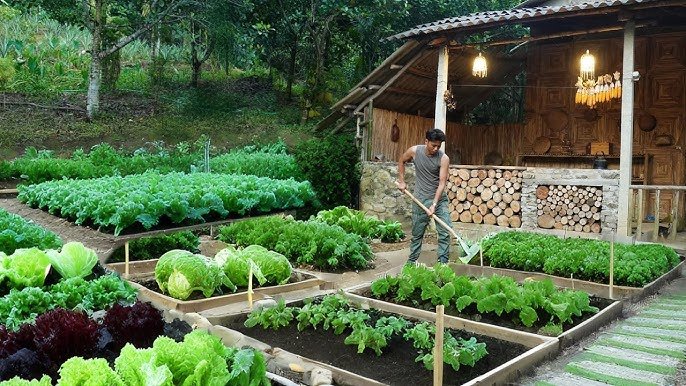
- Efficient Use of Space:
- By planning carefully and planting vertically where possible, small garden beds can produce a surprising amount of food.
- Reduced Maintenance:
- Fewer beds mean less weeding, watering, and labor while still providing a wide variety of produce.
- Year-Round Harvest:
- Proper crop rotation and succession planting can ensure continuous harvests.
- Cost-Effective:
- Small beds are easier and cheaper to build, mulch, and fertilize than a large garden.
Pro Tip: Focus on high-yield, nutrient-dense crops to maximize the output of every square meter.
Step 1: Planning Your Two Garden Beds
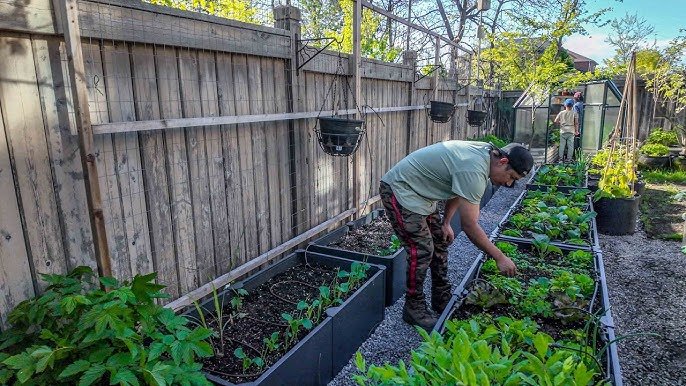
Planning is key to making two small beds feed a family:
- Bed Size:
- Our beds are about 1.2 meters wide and 3 meters long, ideal for accessibility and maintenance.
- Sunlight Exposure:
- Place beds in full sun (at least 6–8 hours daily) for maximum productivity.
- Bed Orientation:
- Align beds north-south to ensure even sunlight distribution for plants.
- Water Access:
- Keep beds close to a water source or install a drip irrigation system for efficient watering.
Pro Tip: Plan your layout on paper first, mapping out crop rotations and companion plants for optimal growth.
Step 2: Preparing the Soil
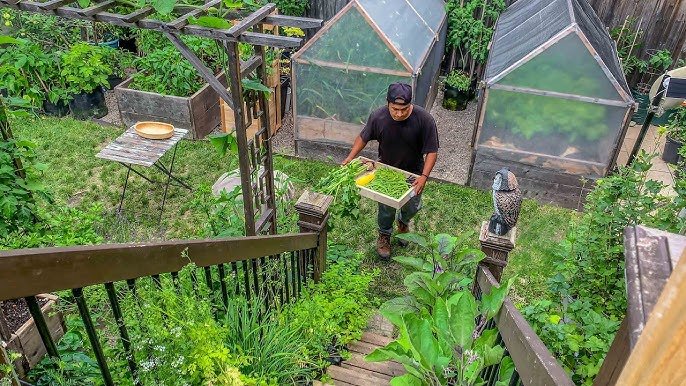
Healthy soil equals healthy food. Here’s how we optimized our beds:
- Soil Mix:
- 50% topsoil
- 30% compost
- 20% perlite or sand for drainage
- Amendments:
- Add organic matter like well-rotted manure or vermicompost for nutrients.
- Incorporate rock dust or seaweed extract for trace minerals.
- pH Level:
- Most vegetables prefer slightly acidic to neutral soil (pH 6–7).
- Test soil and adjust using lime (to raise pH) or sulfur (to lower pH) if needed.
Pro Tip: Raised beds allow better control over soil quality and drainage, which is especially important in small gardens.
Step 3: Choosing High-Yield Crops
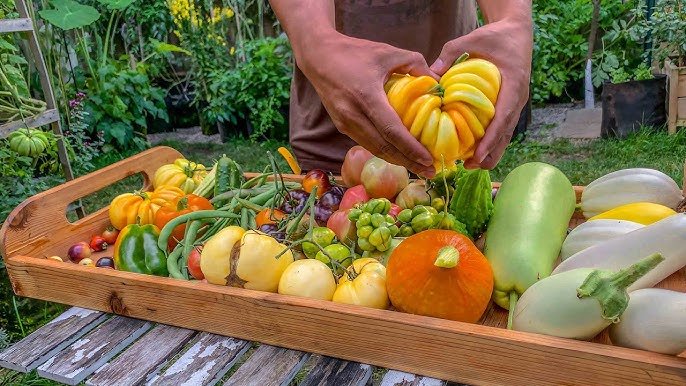
For small beds, it’s essential to select crops that produce a lot in limited space:
- Leafy Greens:
- Spinach, kale, pak choi, lettuce.
- Quick-growing and can be harvested continuously.
- Fruit-Bearing Vegetables:
- Tomatoes, cucumbers, peppers.
- Vertical growth saves space and increases yield.
- Root Vegetables:
- Carrots, radishes, beets.
- Easy to succession plant for continuous harvest.
- Herbs:
- Basil, coriander, parsley, chives.
- Compact and high-value in cooking.
- Climbing Crops:
- Beans, peas, and gourds trained on trellises.
- Use vertical space to avoid overcrowding.
Pro Tip: Focus on nutrient-dense and fast-growing crops to maximize harvest from small beds.
Step 4: Companion Planting and Crop Rotation
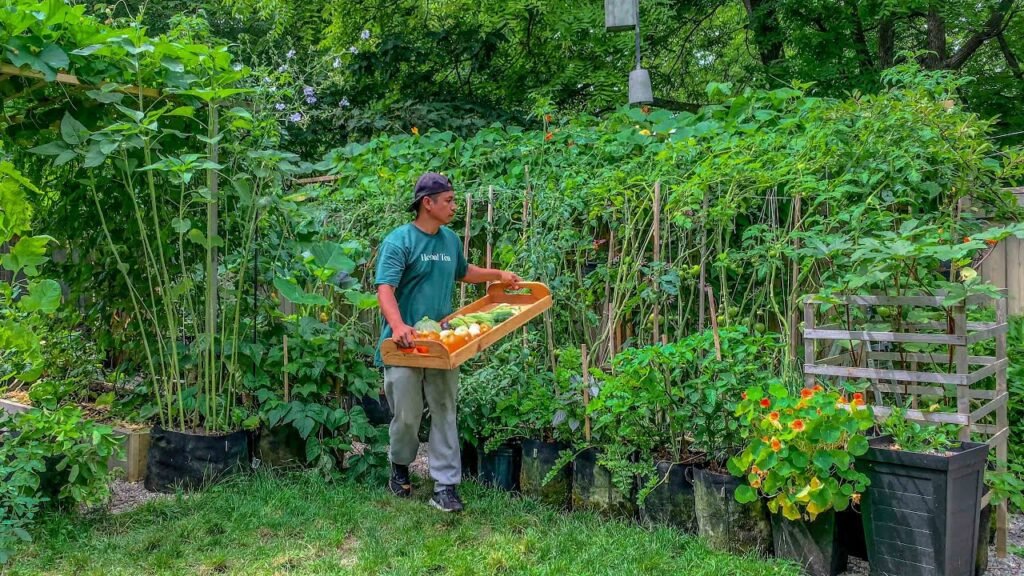
Smart planting increases yield and reduces pests:
- Companion Planting:
- Tomatoes + basil: repels pests and improves flavor.
- Carrots + onions: reduces carrot fly and onion pests.
- Beans + corn: beans fix nitrogen, enriching the soil.
- Succession Planting:
- Plant quick-growing crops in gaps left by slow-growing plants.
- Stagger planting dates to maintain continuous harvest.
- Crop Rotation:
- Rotate families of vegetables each season to reduce soil-borne diseases.
- Alternate leafy greens, legumes, and root vegetables for balanced soil nutrients.
Pro Tip: Companion planting allows you to grow more in less space while maintaining healthy soil.
Step 5: Vertical Gardening for Maximum Space
Vertical gardening is a game-changer for small beds:
- Trellises:
- Support tomatoes, cucumbers, beans, and peas with trellises or stakes.
- Hanging Baskets:
- Small herbs or cherry tomatoes can grow in hanging containers to save ground space.
- Stacked Planting:
- Plant low-growing crops like lettuce or radishes beneath taller plants like corn or trellised beans.
Pro Tip: Vertical gardening doubles or triples the productivity of a small garden bed.
Step 6: Watering Efficiently
Water is critical for healthy growth, especially in small beds:
- Drip Irrigation:
- Delivers water directly to roots, minimizing waste.
- Mulching:
- Retains moisture and suppresses weeds.
- Organic mulch like straw, grass clippings, or leaves works well.
- Rainwater Collection:
- Capture rainwater to reduce costs and conserve resources.
Pro Tip: Consistent watering improves yield and reduces plant stress, particularly in small gardens where every plant counts.
Step 7: Pest and Disease Management
Even small gardens can attract pests, so preventive measures are essential:
- Natural Predators:
- Ladybugs, lacewings, and praying mantises control aphids and other pests.
- Organic Sprays:
- Neem oil, garlic spray, or soapy water are effective against common pests.
- Plant Diversity:
- Growing multiple types of crops reduces the spread of disease and pest infestations.
Pro Tip: Healthy, nutrient-rich plants are naturally more resistant to pests and disease.
Step 8: Harvesting Techniques
- Continuous Harvesting:
- Pick leafy greens regularly to encourage new growth.
- Harvest herbs before flowering for maximum flavor.
- Staggered Harvests:
- Tomatoes, peppers, and cucumbers can be harvested over several weeks.
- Root Vegetables:
- Harvest small portions as needed to allow the rest to mature.
Pro Tip: Regular harvesting boosts production and prevents overcrowding in small beds.
Step 9: Year-Round Gardening Tips
- Seasonal Planning:
- Plant cool-season crops (lettuce, spinach, radishes) in winter.
- Plant warm-season crops (tomatoes, beans, peppers) in summer.
- Succession Cropping:
- Rotate crops to avoid empty beds and maximize food production year-round.
- Protective Covers:
- Use shade cloth in summer and row covers in winter to extend the growing season.
Pro Tip: With careful planning, two garden beds can feed a family all year long.
Step 10: Benefits of Small High-Yield Gardens
- Fresh and Nutritious Food: Always have vegetables and herbs on hand.
- Cost Savings: Reduce grocery bills significantly.
- Sustainability: Less reliance on packaged foods and transportation.
- Family Involvement: Kids learn about nature, nutrition, and responsibility.
- Satisfaction and Mental Health: Gardening reduces stress and promotes well-being.
Pro Tip: Even small beds can have a huge impact on your family’s food security.
Conclusion
It’s amazing what you can achieve with just two garden beds when you plan carefully, use vertical space, choose high-yield crops, and practice smart planting techniques. With efficient soil management, companion planting, continuous watering, and regular harvesting, it’s possible to provide enough fresh, healthy food for your entire family.
Small-space gardening proves that size doesn’t matter—strategy, consistency, and a bit of creativity can turn a tiny plot into a thriving, productive garden. Start today, and see how two simple garden beds can transform your family’s diet, health, and connection to the earth.