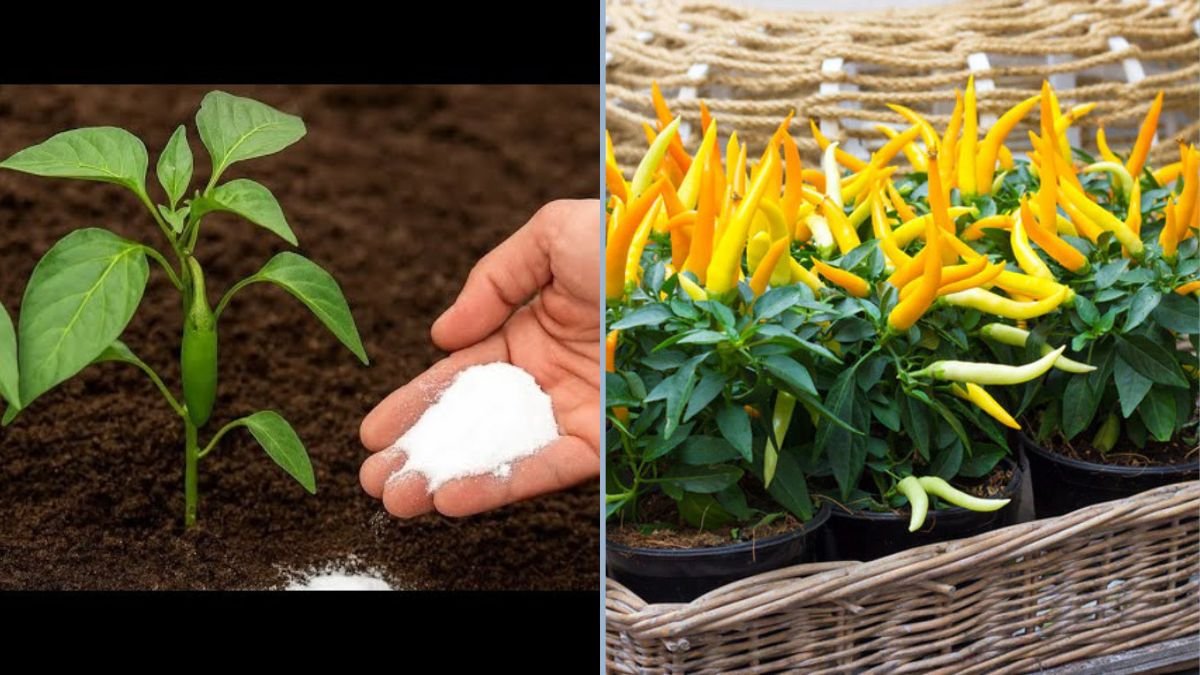
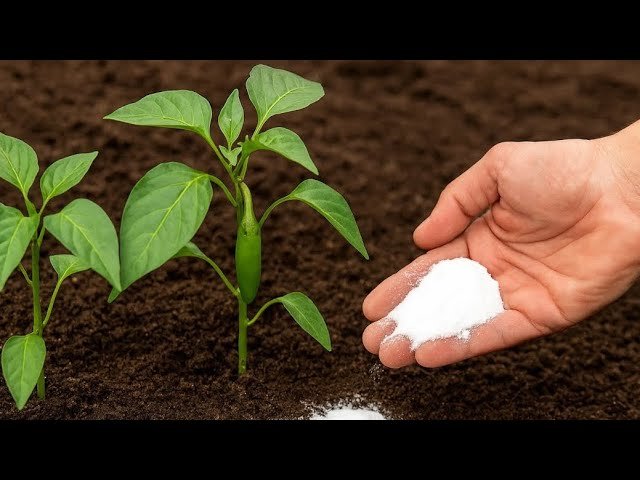
Imagine this: you sprinkle just one tablespoon of a special natural solution, and your pepper plants seem to leap into life overnight. Leaves expand, stems strengthen, and flowers bloom faster than you ever imagined. While “overnight growth” is a fun exaggeration, there is a proven trick that accelerates pepper growth dramatically, making your plants healthier, more fruitful, and almost impossible to keep up with!
In this guide, we’ll explore how a simple tablespoon of the right growth booster can transform your pepper plants, explain why it works, and provide tips for planting, care, and harvesting these fiery favorites. Whether you grow bell peppers, chili peppers, or sweet varieties, this method can revolutionize your garden.
Why Peppers Are Ideal for Home Gardens
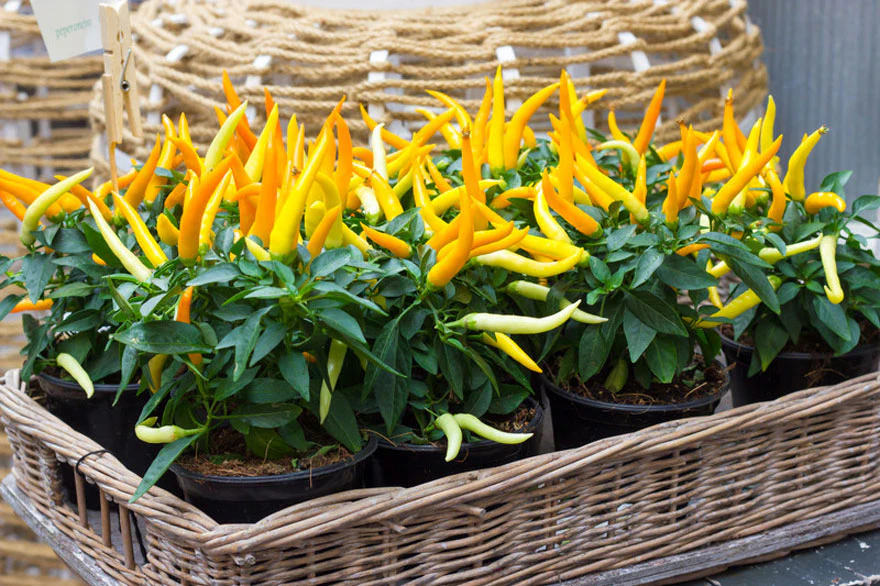
Peppers (Capsicum species) are among the most popular vegetables worldwide, and for good reasons:
- Versatility: Sweet or hot, peppers are used in countless recipes.
- Nutritional Value: Rich in vitamins A, C, and antioxidants.
- Compact Growth: Suitable for garden beds, pots, or balcony planters.
- Fast Growth: Peppers respond quickly to proper nutrients and care.
Pro Tip: Peppers thrive when given warmth, sunlight, and nutrient-rich soil, so even small gardens can yield bountiful harvests.
Step 1: Choosing the Right Pepper Varieties
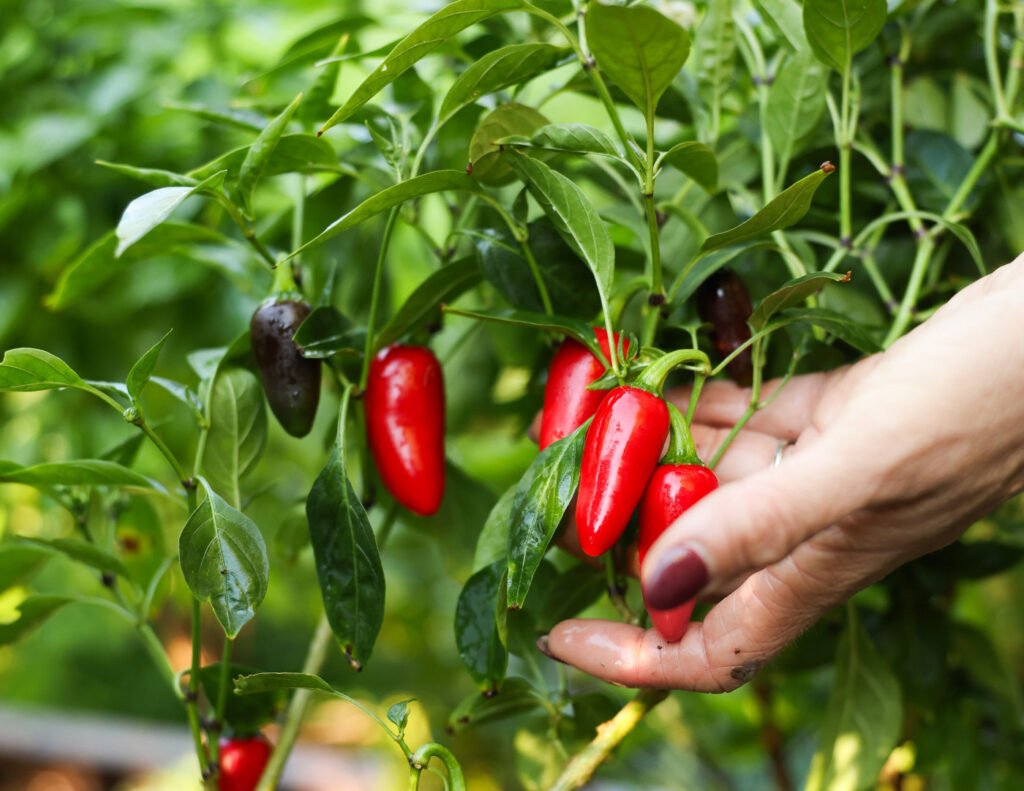
Your garden success begins with selecting the right varieties:
- Bell Peppers: Thick, sweet fruits ideal for salads, stir-fries, and roasting.
- Chili Peppers: Hot peppers like cayenne, jalapeño, or bird’s eye for spicy dishes.
- Mini or Snack Peppers: Compact and ideal for container gardens.
Pro Tip: Choose varieties suited to your climate. In temperate regions, bell peppers thrive in warm summer conditions, while chili peppers prefer longer growing seasons.
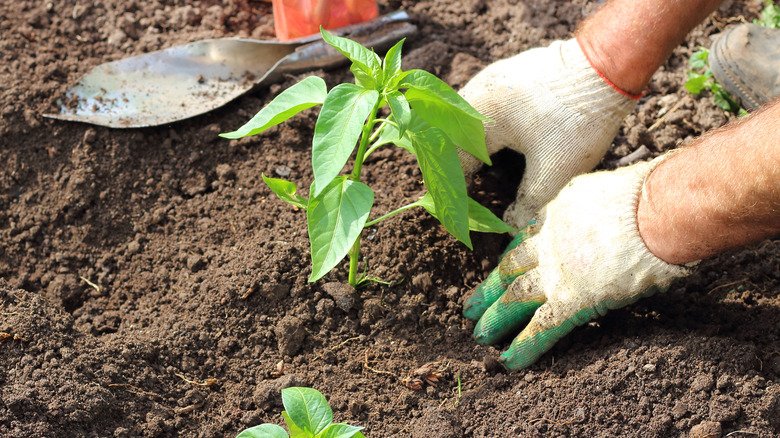
Step 2: Soil Preparation for Rapid Growth
Healthy soil accelerates pepper growth:
- Soil Composition:
- Well-draining loamy soil mixed with compost or organic matter.
- pH range: 6.0–6.8 (slightly acidic to neutral).
- Soil Enrichment:
- Add vermicompost, well-rotted manure, or a natural growth booster (the “1 tablespoon” trick) to stimulate rapid root and shoot development.
- Aeration:
- Loosen soil to allow roots to expand quickly and access nutrients.
Pro Tip: Peppers are heavy feeders, so nutrient-rich soil is essential for fast, healthy growth.
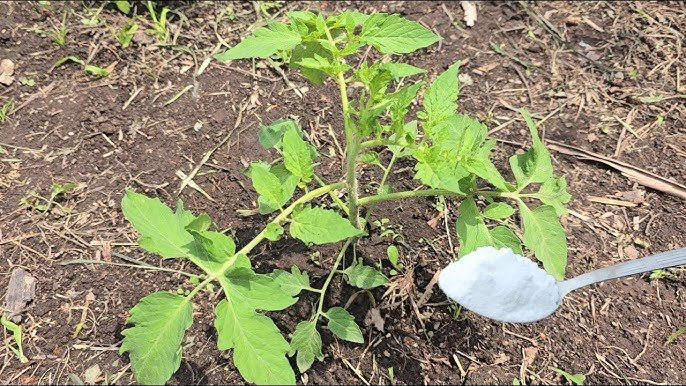
Step 3: The 1 Tablespoon Trick
This is the game-changer mentioned in the video. While the exact formulation can vary, it typically involves a natural, nutrient-dense solution like:
- Organic Fertilizer Boost:
- One tablespoon of a concentrated organic fertilizer (liquid compost, seaweed extract, or fish emulsion) per plant accelerates growth.
- Benefits:
- Stimulates root development.
- Encourages lush foliage and strong stems.
- Promotes early flowering and fruit set.
- Application:
- Dissolve the tablespoon in 1–2 liters of water.
- Apply directly to the soil around the base of each plant.
- Repeat every 10–14 days for continuous growth.
Pro Tip: The key is consistency—regular application combined with proper care keeps peppers “growing overnight” in terms of vigor and productivity.
Step 4: Watering for Fast Growth
- Consistent Moisture:
- Peppers prefer slightly moist soil.
- Overwatering can lead to root rot; under-watering slows growth.
- Mulching:
- Organic mulch like straw, grass clippings, or leaves helps retain moisture and regulate soil temperature.
- Watering Technique:
- Water at the base of plants to keep leaves dry and reduce disease risk.
Pro Tip: Even with nutrient boosters, peppers will stall if water is inconsistent, so keep a steady watering schedule.
Step 5: Sunlight and Temperature
Peppers need warmth and light to thrive:
- Sunlight:
- Minimum 6–8 hours of full sun daily.
- Temperature:
- Ideal growing temperature: 21–27°C (70–80°F) during the day.
- Night temperatures below 15°C (59°F) can slow growth and flowering.
- Tips for Cooler Climates:
- Use row covers or mini greenhouses to maintain warmth.
- Start seedlings indoors before transplanting outdoors.
Pro Tip: The “overnight growth” effect is amplified in optimal sun and temperature conditions.
Step 6: Supporting Pepper Plants
Strong plants produce more fruit:
- Staking:
- Use stakes or cages for taller varieties to prevent breakage from heavy fruit.
- Pruning:
- Remove weak or damaged leaves and stems.
- Pinch early flowers to encourage vegetative growth for stronger plants.
- Spacing:
- Maintain 30–45 cm between plants to allow airflow and reduce competition for nutrients.
Pro Tip: Well-supported plants grow faster and yield more, making the “1 tablespoon” trick even more effective.
Step 7: Pest and Disease Management
Rapid growth also means plants are more active targets for pests:
- Common Pests: Aphids, whiteflies, and spider mites.
- Organic Control:
- Neem oil, insecticidal soap, or garlic sprays.
- Encourage beneficial insects like ladybugs and lacewings.
- Disease Prevention:
- Avoid overhead watering.
- Space plants to ensure airflow.
- Remove yellowing or diseased leaves promptly.
Pro Tip: Healthy, fast-growing plants are more resistant to pests, but vigilance is still key.
Step 8: Harvesting Your Peppers
- Timing:
- Harvest when peppers reach the desired color and size.
- Bell peppers: green to fully colored (red, yellow, orange).
- Chili peppers: usually harvested when red or at peak heat.
- Harvest Technique:
- Cut fruit from the plant with scissors or garden shears.
- Avoid pulling, which can damage stems.
- Continuous Harvesting:
- Regularly picking ripe fruit encourages more flowers and new peppers.
Pro Tip: The faster your peppers grow, the more frequent harvesting is needed to prevent overcrowding and promote ongoing production.
Step 9: Tips for Year-Round Pepper Growth
- Succession Planting:
- Plant new seedlings every 4–6 weeks to maintain continuous harvests.
- Indoor Growing:
- Use pots and grow lights in cooler months for year-round production.
- Fertilizer Maintenance:
- Continue using the 1-tablespoon booster or similar organic feed to maintain rapid growth.
Pro Tip: With proper care, your peppers can feel like they’re “growing overnight” almost year-round.
Step 10: Benefits of Using the 1 Tablespoon Trick
- Faster Growth: Peppers grow quicker, develop stronger roots, and produce more fruit.
- High Yield: More flowers and peppers per plant mean bigger harvests.
- Stronger Plants: Improved stem and leaf structure reduces breakage and disease.
- Cost-Effective: Just a small amount of organic booster dramatically improves results.
- Sustainable: Using organic, natural solutions keeps your garden eco-friendly and chemical-free.
Pro Tip: This simple addition multiplies your garden’s productivity without expensive fertilizers or complicated setups.
Conclusion
It’s amazing how a single tablespoon of a nutrient booster can transform pepper plants into vigorous, fruit-producing powerhouses. Combined with proper soil, sunlight, watering, and care, this trick makes peppers grow faster, healthier, and more abundantly than ever before.
Whether you grow bell peppers, hot chili peppers, or mini snack peppers, this method proves that small, simple actions can have dramatic results. With regular harvesting and consistent care, your pepper plants will be so productive that you’ll barely be able to keep up—a garden so abundant it almost feels like the peppers are growing overnight!
Start using this trick today and experience the thrill of super-fast pepper growth in your own garden, all with just one simple tablespoon.