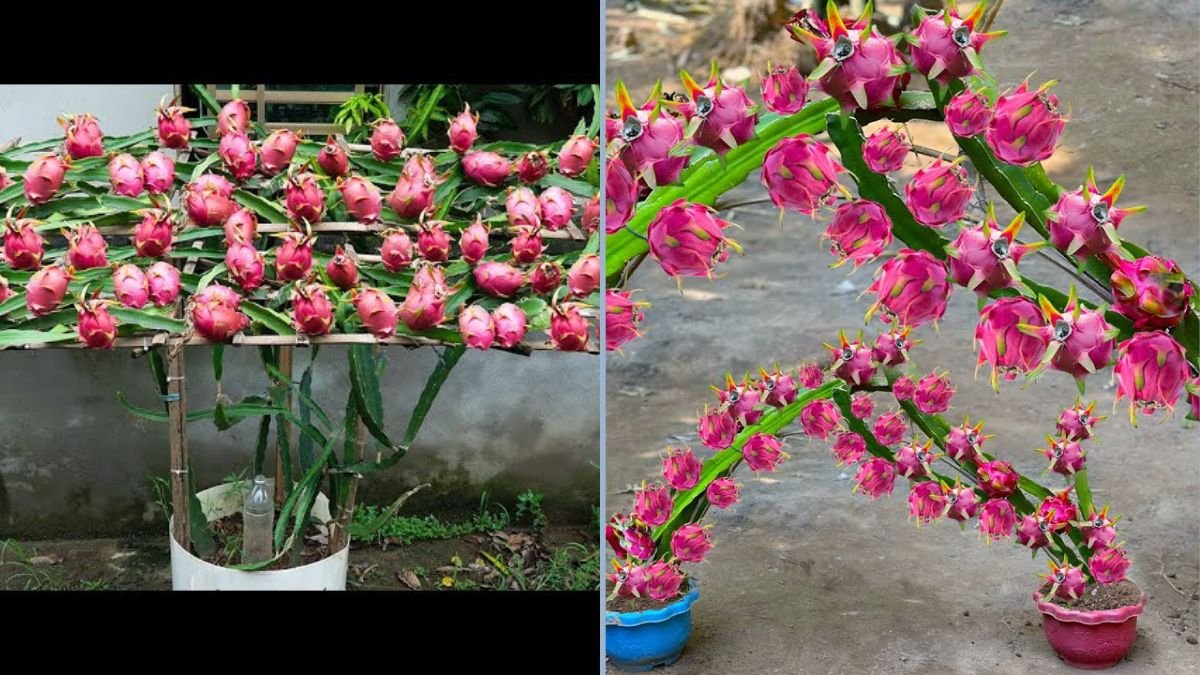
Dragon fruit, also known as pitaya, is a tropical cactus fruit prized for its vibrant color, unique texture, and impressive health benefits. Rich in vitamin C, antioxidants, and fiber, dragon fruit has become increasingly popular for home gardens. Imagine enjoying fresh dragon fruit straight from your own backyard, harvested all year round! With the right techniques, growing dragon fruit at home is achievable, even for beginners. This guide will walk you through everything from planting to harvesting, so your family can enjoy fresh, homegrown dragon fruit year-round.
Why Grow Dragon Fruit at Home?
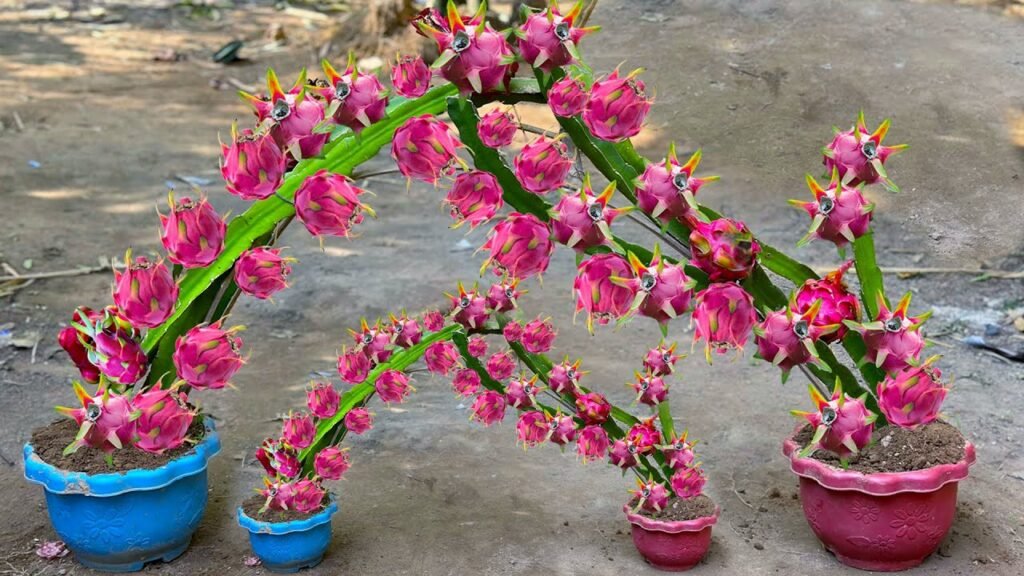
Growing dragon fruit at home offers several advantages:
- Fresh and nutritious: Homegrown fruit is fresher, tastier, and free from harmful pesticides.
- Cost-effective: Buying dragon fruit at the market can be expensive, but growing it at home provides an ongoing supply.
- Easy to manage: Dragon fruit plants are hardy, low-maintenance, and suitable for container growing.
- Aesthetically pleasing: The climbing cactus adds a beautiful, tropical look to your garden or balcony.
- Year-round harvest: With proper care, dragon fruit can produce flowers and fruits multiple times a year.
By growing dragon fruit at home, you not only enjoy delicious fruit but also create a visually appealing garden feature.
Choosing the Right Dragon Fruit Variety

There are several varieties of dragon fruit, and selecting the right one affects fruit quality, yield, and harvesting season:
- Hylocereus undatus (white flesh with pink skin): Sweet, mild flavor, commonly grown.
- Hylocereus costaricensis (red flesh with pink skin): Sweeter, visually striking.
- Hylocereus megalanthus (white flesh with yellow skin): Less common, very sweet, smaller fruit.
Choose a variety based on your taste preferences, local climate, and availability. White-fleshed pink varieties are usually easier for home growers.
Preparing Your Dragon Fruit Planting Space

Dragon fruit is a climbing cactus, so it requires support to grow properly. Here’s how to prepare your planting area:
- Sunlight: Dragon fruit thrives in full sun, so choose a location that gets at least 6–8 hours of direct sunlight daily.
- Soil: Well-draining soil is essential. A mix of sandy soil, compost, and organic matter works best. Avoid waterlogged areas as dragon fruit roots are prone to rot.
- Space: Allow at least 2–3 meters between plants if growing in the ground. If using pots, choose large containers (40–50 cm in diameter) to allow root growth.
- Support structure: Use trellises, poles, or vertical stakes. T-shaped or “H” structures work well for supporting climbing stems.
Proper preparation ensures the plant grows healthy, reducing disease risks and maximizing fruit production.
How to Grow Dragon Fruit from Cuttings
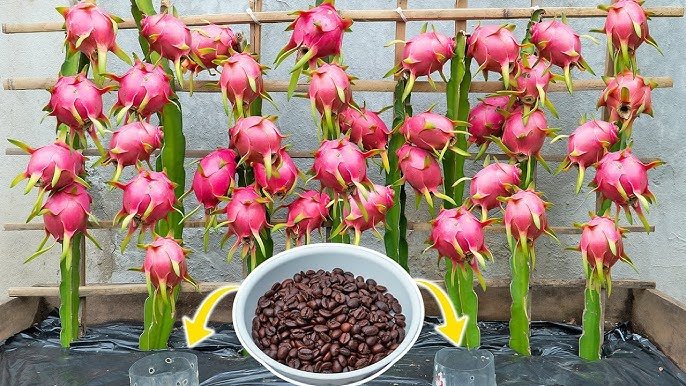
One of the easiest ways to grow dragon fruit at home is from cuttings:
- Select a healthy cutting: Choose a 30–40 cm stem from a mature plant that is disease-free.
- Curing the cutting: Let the cutting dry for 4–7 days in a shaded area to prevent rotting when planted.
- Planting: Insert the cutting into well-draining soil, about 5–10 cm deep. Support it with a stake.
- Watering: Water lightly for the first two weeks, then gradually increase as the plant establishes roots.
Cuttings usually grow faster and bear fruit earlier than seeds, making them ideal for home gardeners.
Growing Dragon Fruit from Seeds

Growing from seeds is also possible, though slower and more variable in fruit quality:
- Extract seeds: Scoop seeds from a ripe dragon fruit and clean off the pulp.
- Sowing: Sow seeds on a seed tray with a well-draining seed-starting mix.
- Germination: Keep the soil moist and warm. Seeds usually germinate in 1–4 weeks.
- Transplanting: Move seedlings to pots or ground when they reach 15–20 cm in height.
Seed-grown plants may take 1–2 years to bear fruit, while cuttings can fruit within 6–12 months.
Watering and Fertilization
Proper watering and fertilization are crucial for a healthy, productive dragon fruit plant:
- Watering: Dragon fruit is drought-tolerant but grows best with consistent moisture. Water 2–3 times per week, adjusting based on rainfall and temperature. Avoid waterlogging.
- Fertilization: Use a balanced NPK fertilizer during growth. High-phosphorus fertilizers help stimulate flowering. Organic fertilizers like compost or manure can also improve soil health and fruit quality.
- Foliar feeding: Spraying leaves with a diluted liquid fertilizer can boost growth and flowering.
With consistent care, your dragon fruit plant can grow vigorously and produce flowers and fruits year-round.
Pruning and Training Dragon Fruit
Dragon fruit is a climbing cactus that benefits from regular pruning:
- Remove dead or weak stems: Improves airflow and reduces disease risk.
- Train new growth: Tie stems to the support structure to guide upward and outward growth.
- Encourage flowering: Prune excess lateral stems to redirect energy into flower and fruit development.
Pruning is essential for maintaining plant health and maximizing fruit production.
Flowering and Pollination
Dragon fruit produces stunning, night-blooming flowers. Some tips to ensure fruit set:
- Timing: Flowers typically bloom in the evening and last only one night.
- Pollination: Some varieties are self-pollinating, while others require cross-pollination. Use a small brush to transfer pollen from one flower to another for better fruit set.
- Environmental conditions: Ensure adequate sunlight, consistent watering, and proper fertilization to encourage flowering.
With proper pollination, flowers develop into large, vibrant fruits ready for harvest in a few weeks.
Harvesting Dragon Fruit
Knowing when and how to harvest is key to enjoying the best flavor:
- Timing: Dragon fruit is usually ready 30–50 days after flowering. The skin changes color and becomes bright and slightly soft.
- Technique: Use a sharp knife or scissors to cut the fruit from the stem. Avoid twisting to prevent damage to the plant.
- Frequency: Harvest ripe fruits regularly to encourage new flowering and maintain plant health.
A mature dragon fruit plant can produce several crops each year with proper care, giving your family fresh fruit year-round.
Tips for Growing Dragon Fruit Year-Round
- Container growing: Use large pots for flexibility and mobility, especially in colder climates.
- Temperature control: Dragon fruit prefers 18–30°C. Protect plants from frost with covers or indoor relocation.
- Regular feeding: Maintain consistent fertilization for continuous flowering and fruiting.
- Pest management: Monitor for mealybugs, aphids, and fungal infections. Organic sprays and neem oil are effective.
- Rotate flowers: Encourage blooms throughout the year by alternating pruning and fertilization schedules.
By following these tips, your dragon fruit plant can remain productive and healthy, providing fresh fruit for your family all year round.
Benefits of Growing Dragon Fruit at Home
Growing dragon fruit at home offers multiple benefits:
- Nutritional value: Dragon fruit is high in antioxidants, fiber, and vitamin C.
- Cost savings: Avoid expensive purchases at supermarkets.
- Sustainable: Reduce carbon footprint by growing your own food.
- Therapeutic: Gardening reduces stress, encourages outdoor activity, and enhances well-being.
- Educational: Teaches children and family members about plant growth, pollination, and sustainable living.
Having dragon fruit in your backyard or balcony is both a healthy and rewarding experience.
Conclusion
Growing dragon fruit at home is not only achievable but also highly rewarding. With the right variety, proper support structure, consistent watering, and regular care, you can enjoy fresh dragon fruit year-round. Whether you grow from cuttings or seeds, the key is patience, consistent attention, and learning to observe the plant’s needs.
From planting to harvesting, dragon fruit offers an exciting journey for home gardeners. Its stunning flowers, tropical beauty, and sweet, nutritious fruits make it a perfect addition to any garden or balcony. By following this guide, your family can enjoy homegrown dragon fruit, fresh from your garden, throughout the year—healthy, sustainable, and delicious.